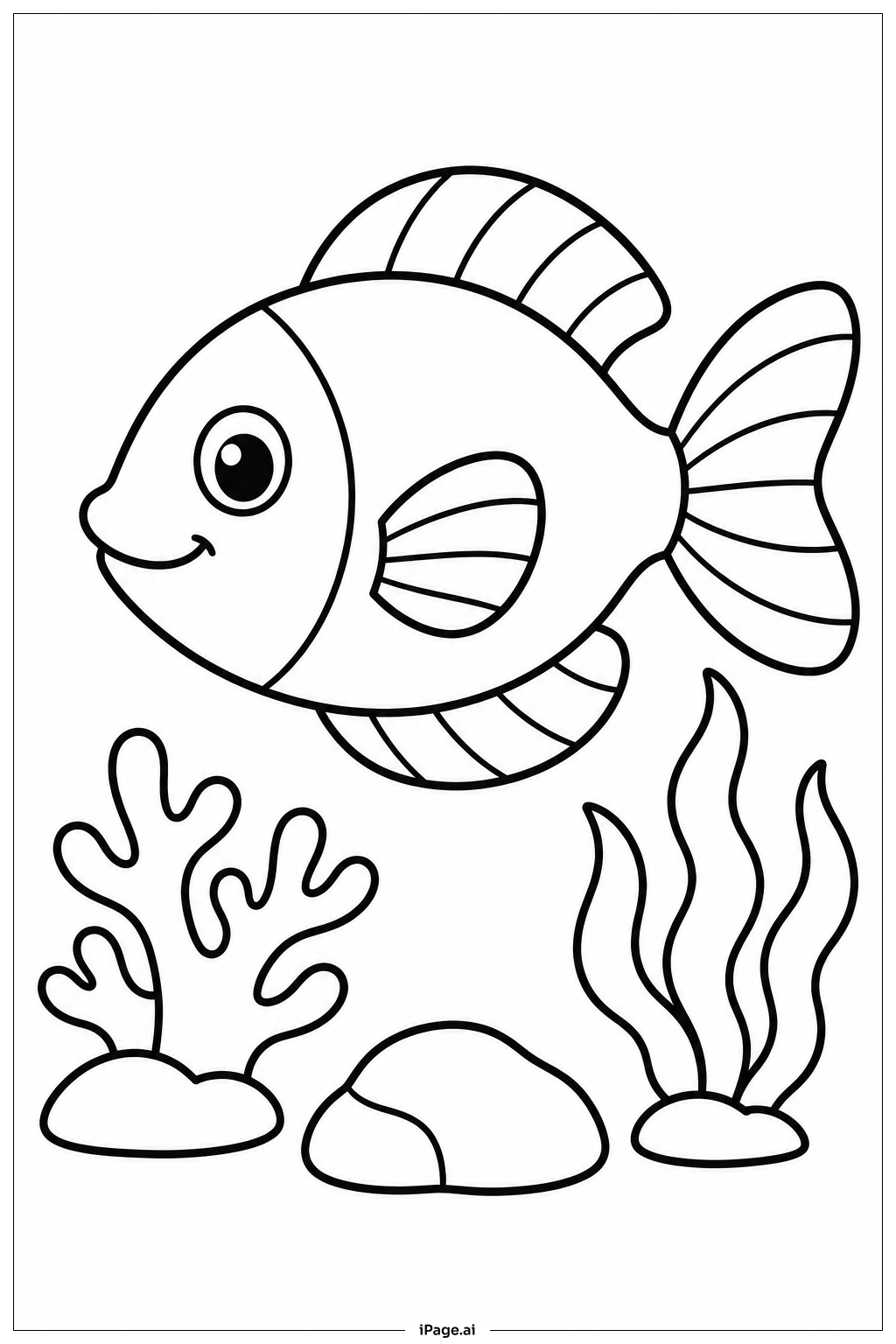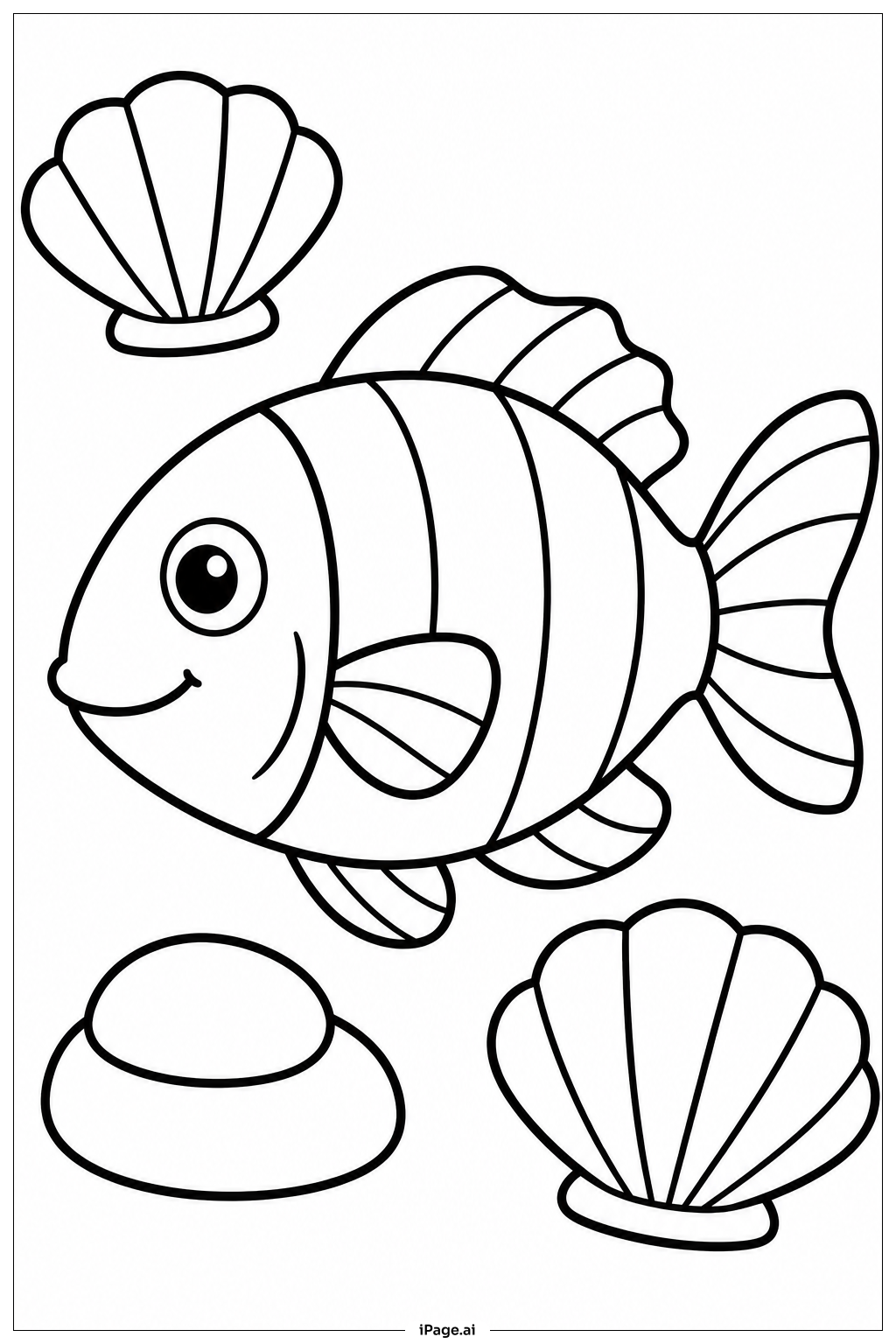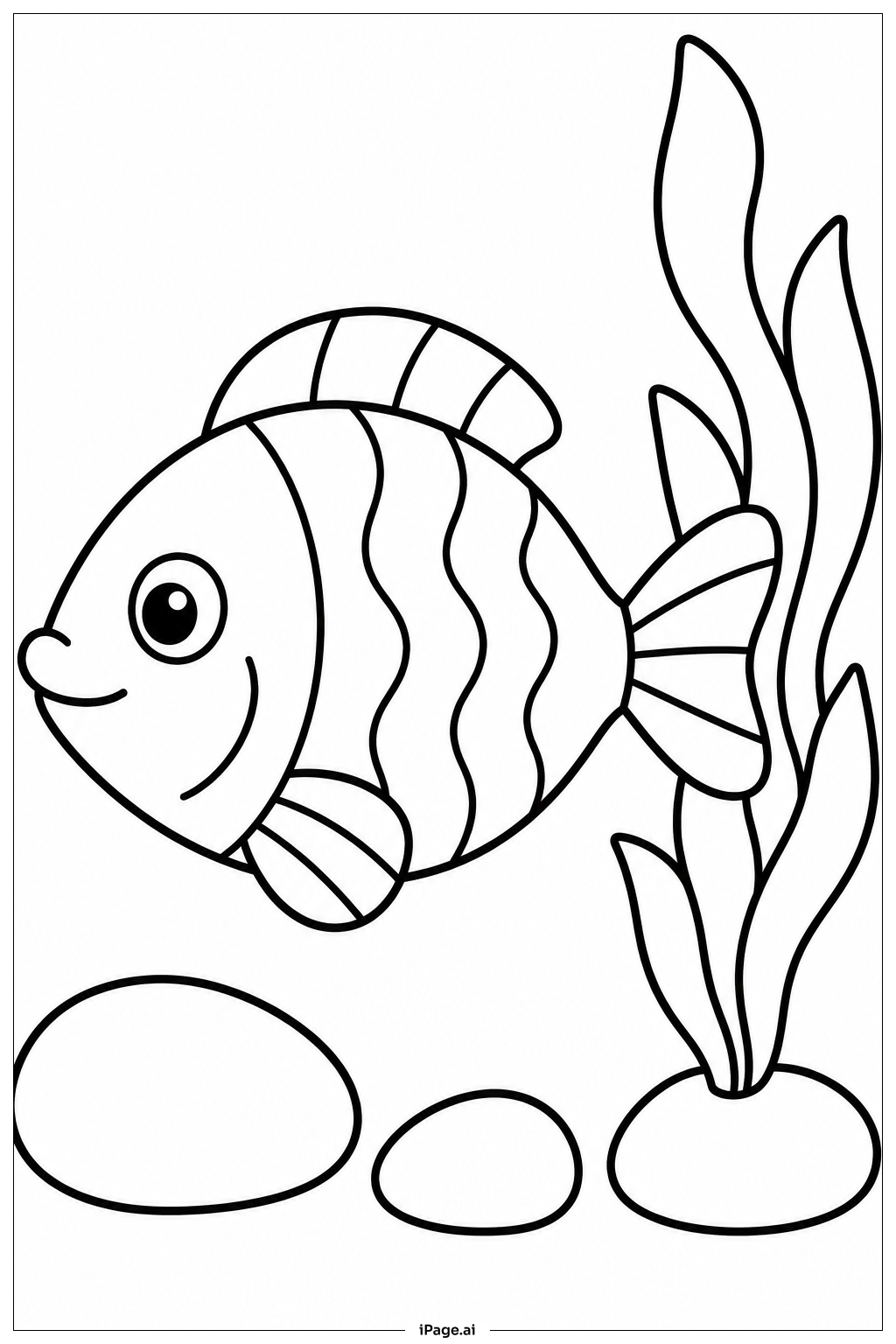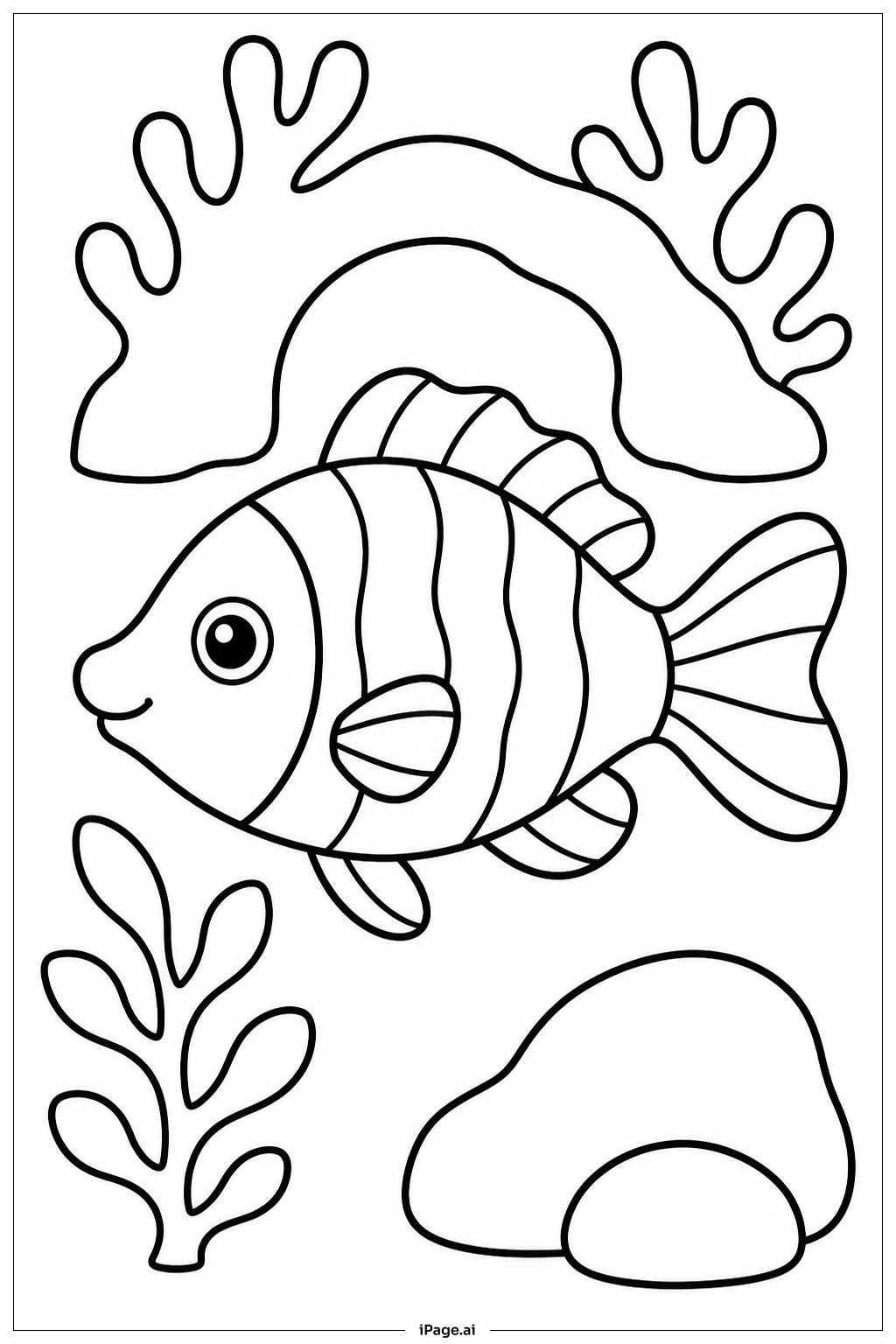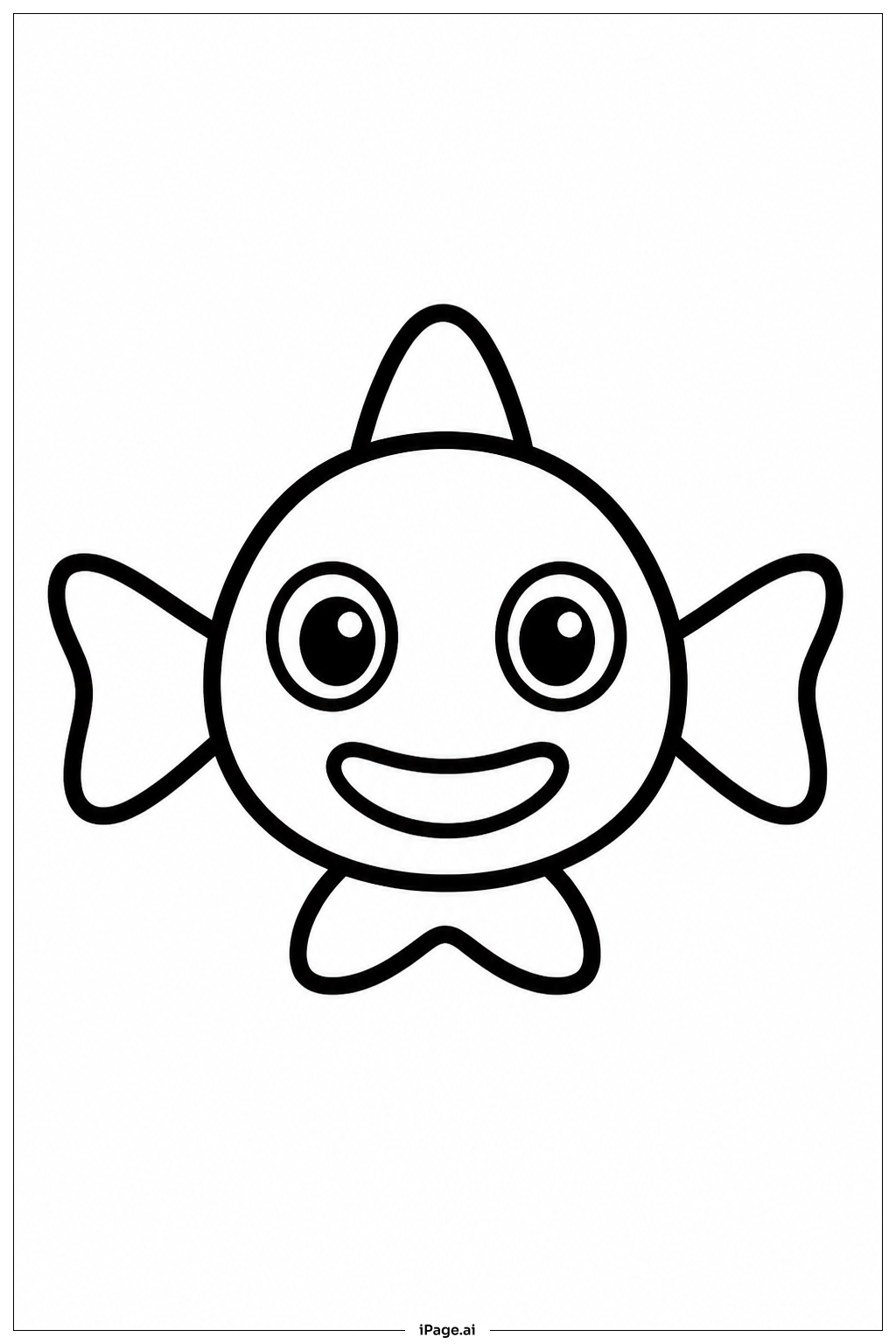
Coloring tips: How to color Front View Fish coloring page well?
Start by choosing a base color for the fish's body. Ocean fish can be bright blue, green, or silver. Tropical fish look amazing in orange, yellow, red, or even purple. Use a slightly darker shade of your base color to fill in the scales, giving each one depth and dimension. Color the large eyes with a dark pupil and a bright iris — gold, blue, or green all work well. Add a light white dot to each eye to make them look shiny and alive. For the fins and tail, try lighter or more transparent-looking shades of your main color. You can add stripes or spots to the fins for extra fun. Use a soft pink or coral color for the inside of the mouth. If you want a realistic underwater look, add shades of blue or teal around the fish for a water background. Kids can also go wild with fantasy colors — rainbow scales are always a great choice!
Coloring challenges: Which parts are difficult to color and need attention for Front View Fish coloring page?
• Scale Patterns: The fish's body is covered in many small, overlapping scales arranged in curved rows. Coloring each scale individually takes patience and a steady hand. Using a fine-tipped marker or a sharpened colored pencil will help you stay within each tiny shape without going outside the lines. Trying to add shading to individual scales can be especially tricky for younger colorists.
• Symmetry Across the Body: Because this is a front-facing view, both sides of the fish must look balanced. Keeping the left and right fins, eyes, and body areas the same color and tone requires careful attention. If one side looks brighter or darker than the other, the fish can appear uneven or off-balance.
• Eye Detail: The large round eyes are a focal point of this image. They contain multiple layers — the outer ring, the iris, the pupil, and the highlight dot. Coloring each layer cleanly without smearing or overlapping requires control. Getting the shading right around the eye area to make it look round and three-dimensional is a real challenge.
• Fin Edges and Texture: The pectoral fins and tail fins have thin lines running through them to show texture. These lines are close together and small. Coloring between them neatly without blending everything into one flat color is difficult. A light touch and a sharp tool are needed to preserve the delicate fin structure.
• Choosing a Cohesive Color Scheme: With so many different parts — scales, fins, eyes, mouth — deciding on colors that all work together can feel overwhelming. Planning your color palette before you start helps avoid clashing or muddy results.
Benefits of coloring books: Advantages of drawing Front View Fish coloring page
Coloring this front view fish image offers a wide range of benefits for children and beginners alike. The symmetrical front-facing design helps young colorists develop an understanding of balance and mirroring, which are important early math and art concepts. Working carefully within the detailed scale patterns builds fine motor skills and improves hand-eye coordination over time. The process of choosing colors for the body, fins, and eyes encourages creative thinking and color theory exploration. Kids learn how different colors can create moods — cool blues feel calm, while bright oranges feel exciting. Focusing on one small section at a time, such as individual scales or fin lines, teaches patience and the value of careful, step-by-step work. Completing the full image gives a wonderful sense of accomplishment and boosts self-confidence. For older children, the challenge of shading and blending adds a more advanced artistic skill to practice. Overall, coloring this fun fish image is a relaxing, screen-free activity that sparks imagination while quietly building focus, creativity, and artistic ability.