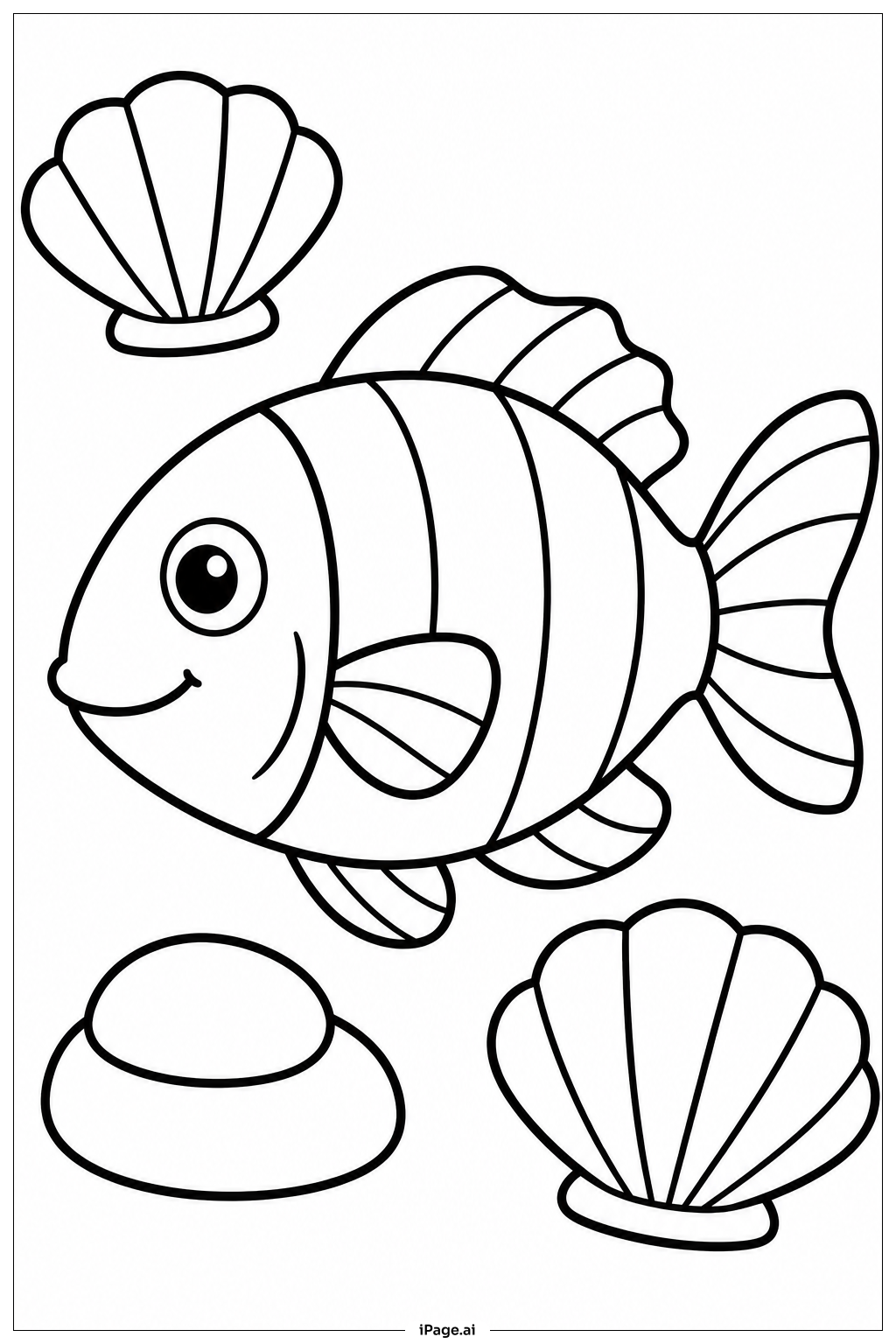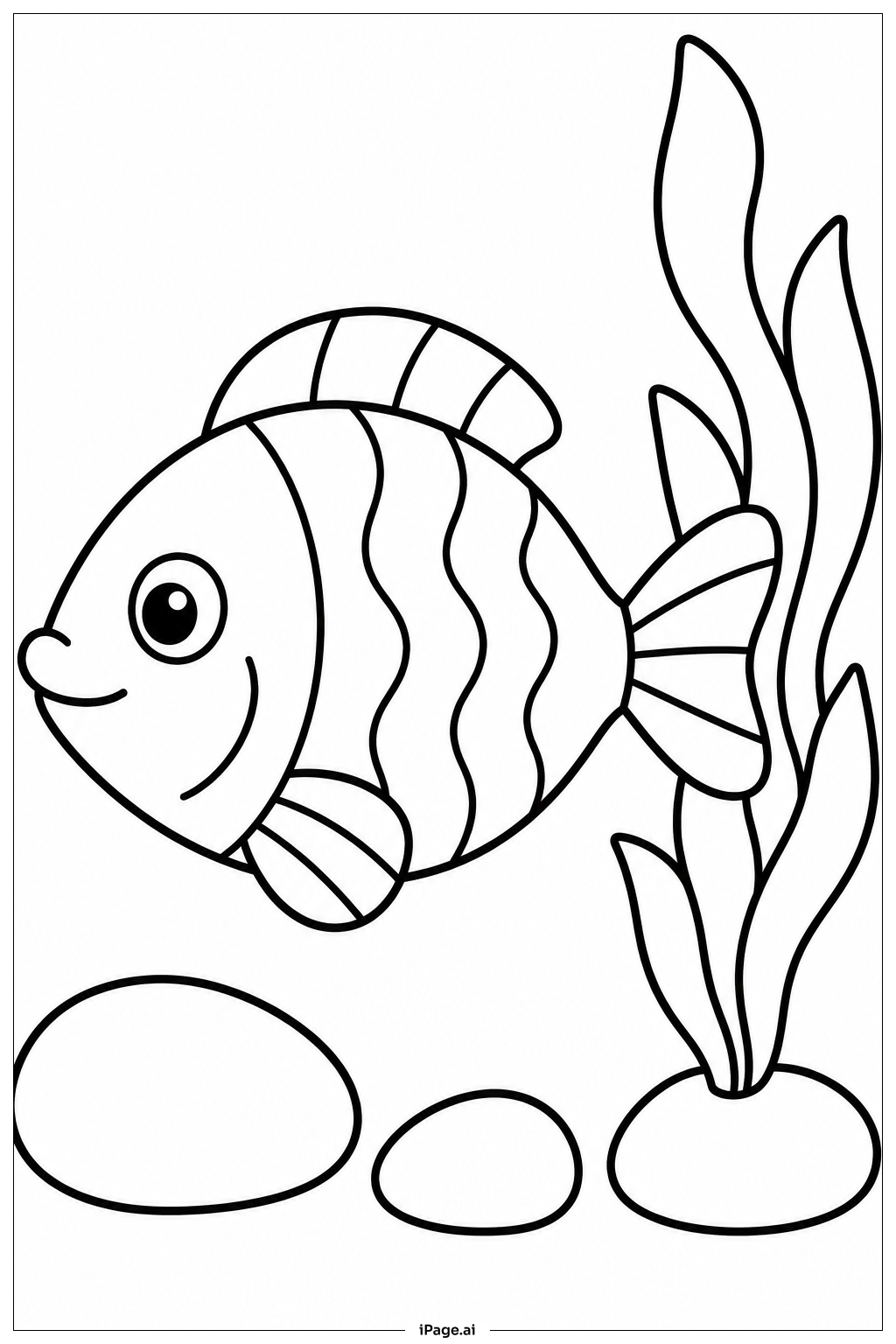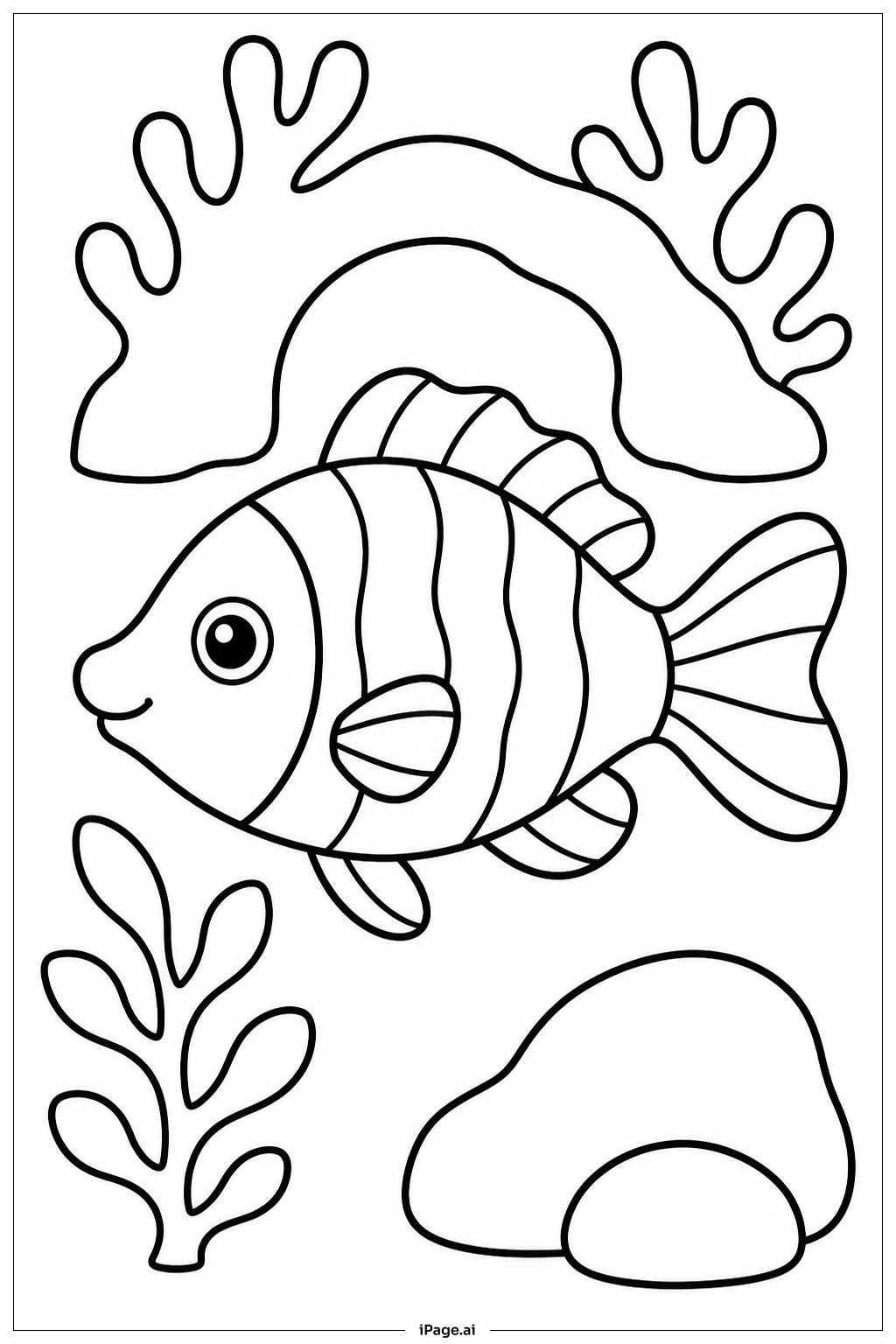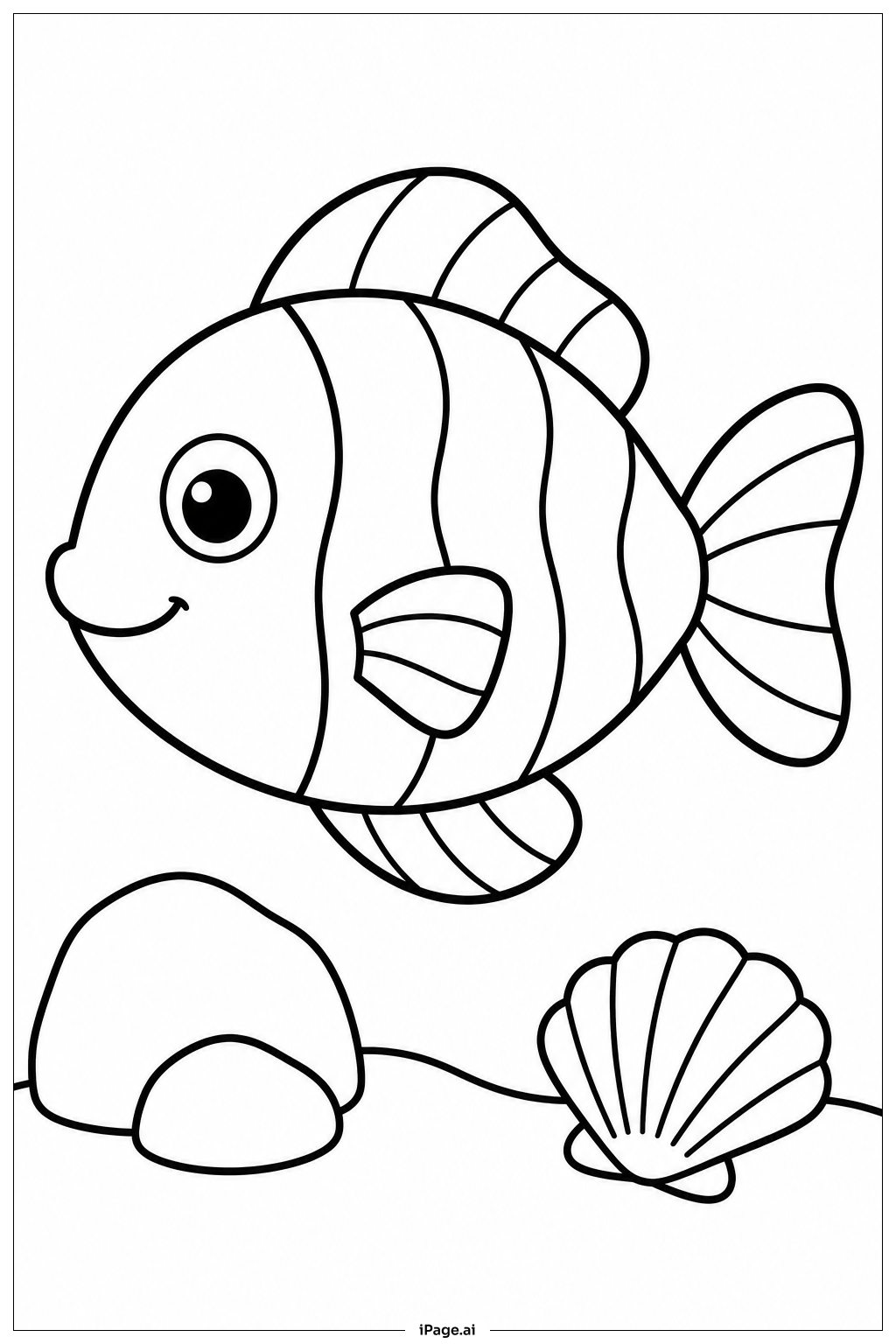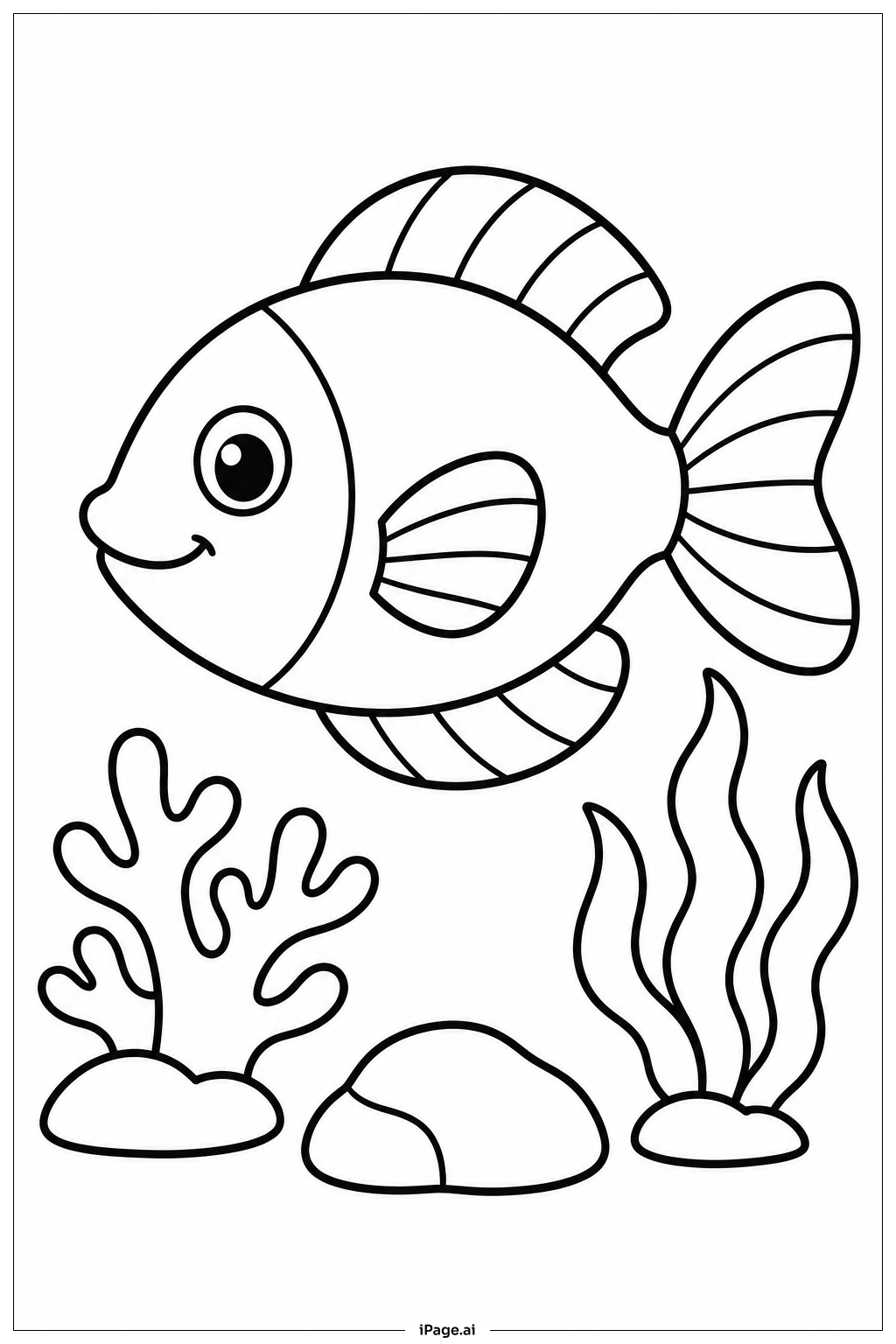
Coloring tips: How to color Fish By Coral Garden coloring page well?
Start with the fish by choosing bright, bold colors for its body. Tropical fish are often orange, yellow, red, or blue with fun stripe patterns. Use a darker shade along the edges of the scales to make them stand out. For the fins, try lighter or more transparent-looking colors like pale yellow or soft pink. Color the corals in warm shades like coral pink, orange, red, and purple. Sea anemones look great in bright green or deep magenta. Use different shades of blue and green for the background water to give a sense of ocean depth. Add light blue or white to the bubbles to make them look round and glossy. For the starfish, sandy yellow or bright orange works beautifully. Small shells can be colored in soft beige, peach, or lavender. Try blending colors where shapes overlap to make the scene feel rich and full of life. Have fun mixing colors and making this underwater world your very own!
Coloring challenges: Which parts are difficult to color and need attention for Fish By Coral Garden coloring page?
• Fish Scale Details: The fish body is covered in many small, overlapping scales. Coloring each scale neatly without going over the lines takes patience and a steady hand. Using a fine-tipped colored pencil or marker will help you stay inside the tiny spaces and create a smooth, realistic look.
• Coral Variety and Layering: The coral garden includes many different coral shapes stacked closely together. Each type of coral has its own outline, and the pieces overlap in complex ways. It can be tricky to decide where one coral ends and another begins. Look carefully at the lines before you start, and use contrasting colors for neighboring corals to help separate them visually.
• Small Background Details: Tiny elements like bubbles, shells, and little sea creatures are scattered throughout the scene. These small details are fun to color but require careful control of your coloring tool. A sharp pencil tip works best for filling these tiny spots without smudging nearby areas.
• Creating Water Depth: Making the background look like real ocean water is a challenge. The water should appear lighter near the surface and deeper blue toward the edges. Blending two or three shades of blue and green together smoothly takes practice, especially for younger colorists who are still learning gradient techniques.
• Balancing the Overall Color Palette: With so many elements in the scene, it is easy for the image to look too busy or confusing. Choosing colors that complement each other across the fish, corals, and background requires thought and planning to keep the finished picture looking harmonious and beautiful.
Benefits of coloring books: Advantages of drawing Fish By Coral Garden coloring page
Coloring this Fish By Coral Garden scene offers a wonderful range of benefits for children and young artists of all ages. First, it helps build fine motor skills. Carefully coloring small scales, coral shapes, and tiny sea creatures trains the hand and fingers to move with precision and control. This skill supports better handwriting and drawing over time. Second, it sparks creativity and imagination. Choosing colors for a fantasy underwater world encourages children to think freely and experiment with color combinations they might not see every day. There are no wrong choices here — every version of this scene can be unique and personal. Third, it teaches focus and patience. A detailed scene like this one asks the colorist to slow down, pay attention, and work through the image step by step. This kind of mindful activity helps children practice staying on task. Fourth, it introduces ocean science in a playful way. As children color the fish, coral, anemones, and starfish, they naturally become curious about real ocean life, encouraging learning beyond the page. Finally, finishing a beautiful piece of artwork gives children a strong sense of pride and accomplishment, building confidence and a love for creative expression.