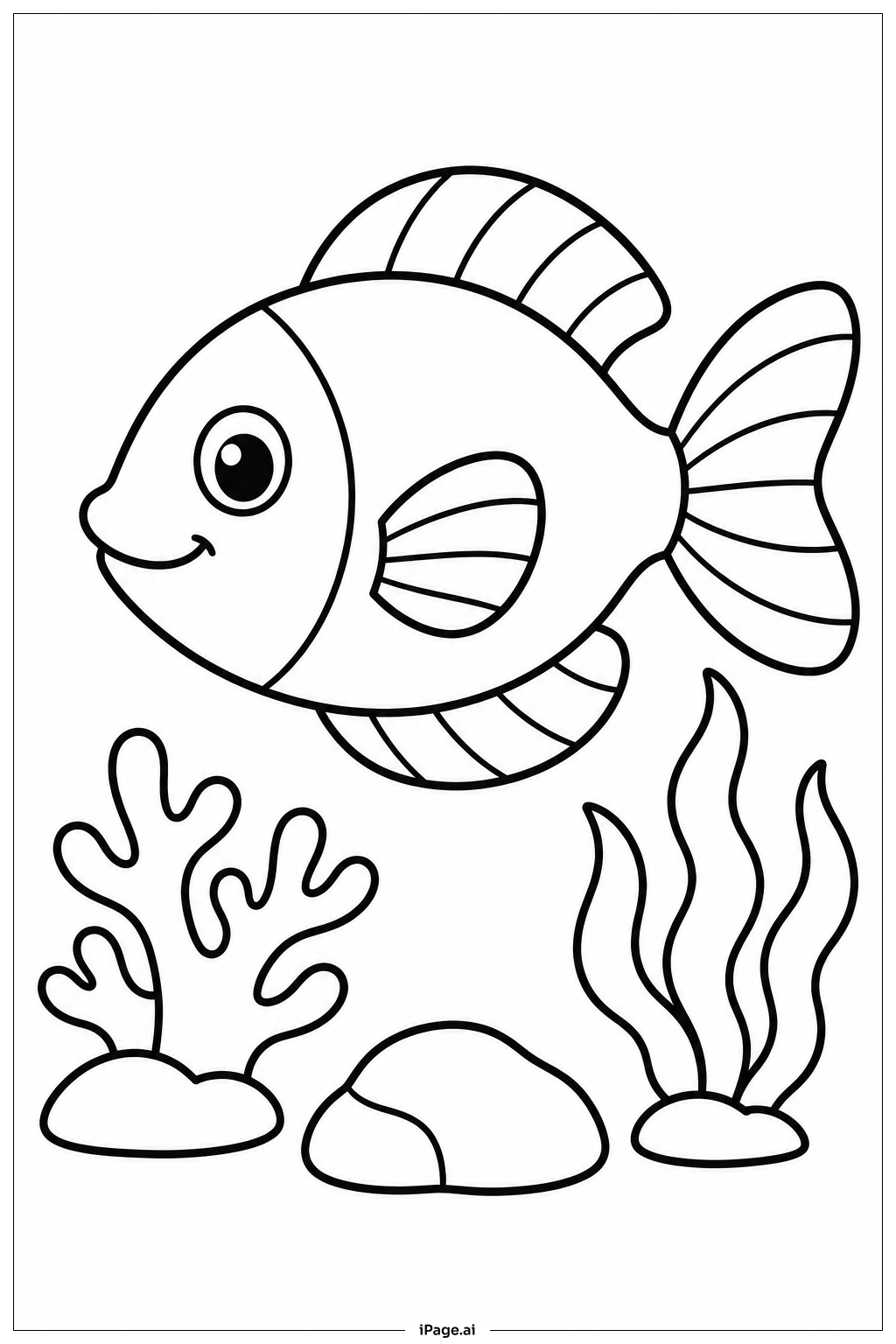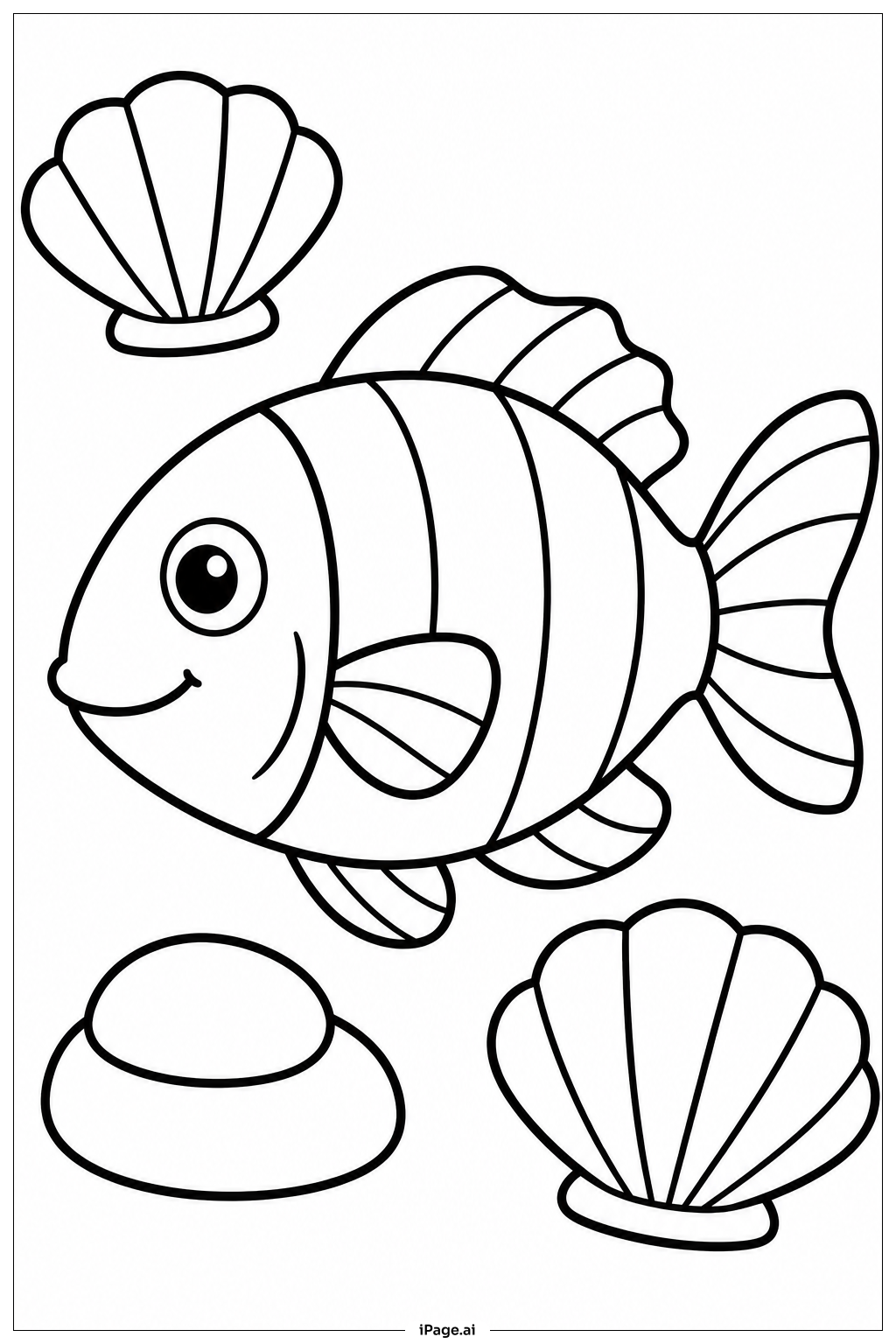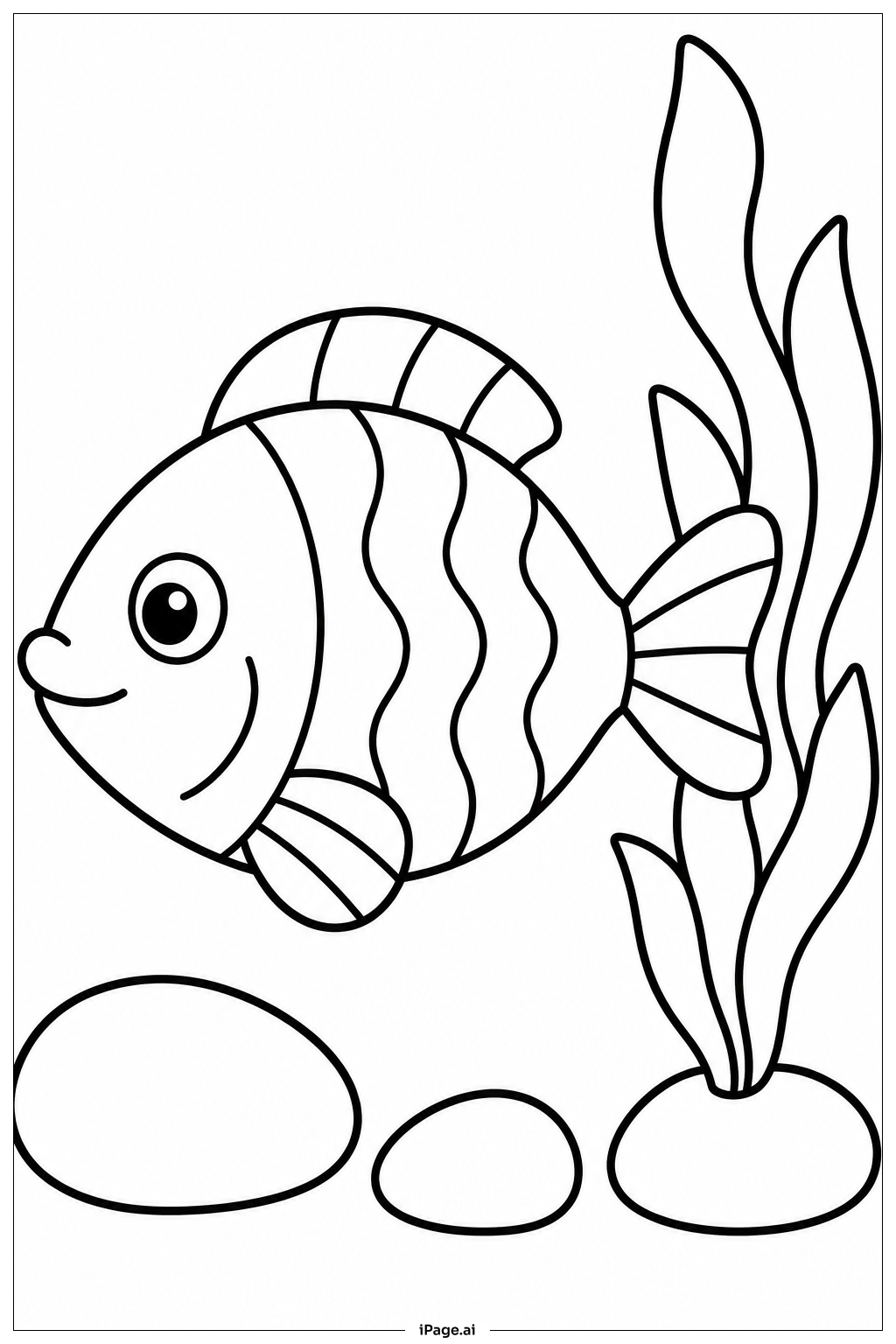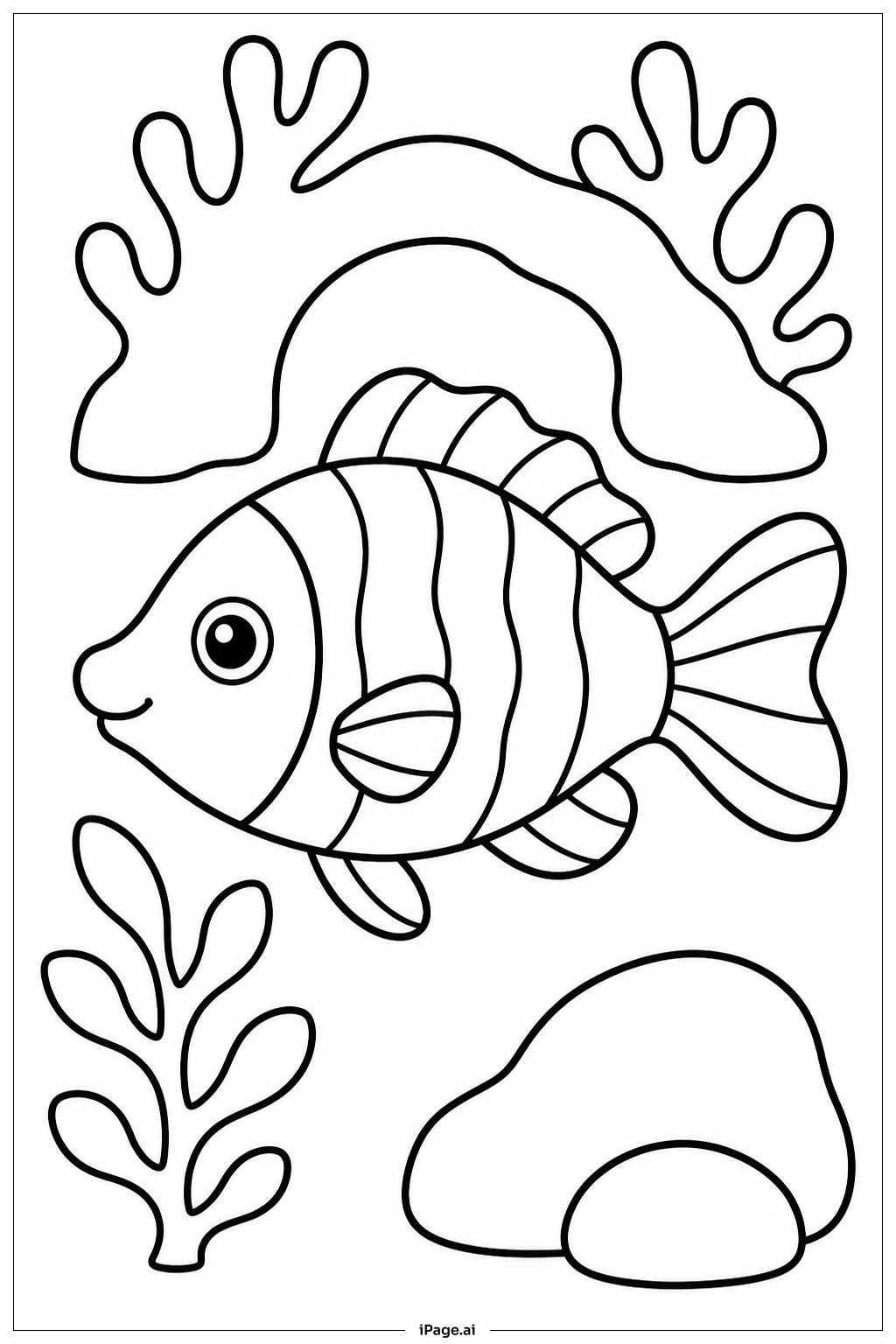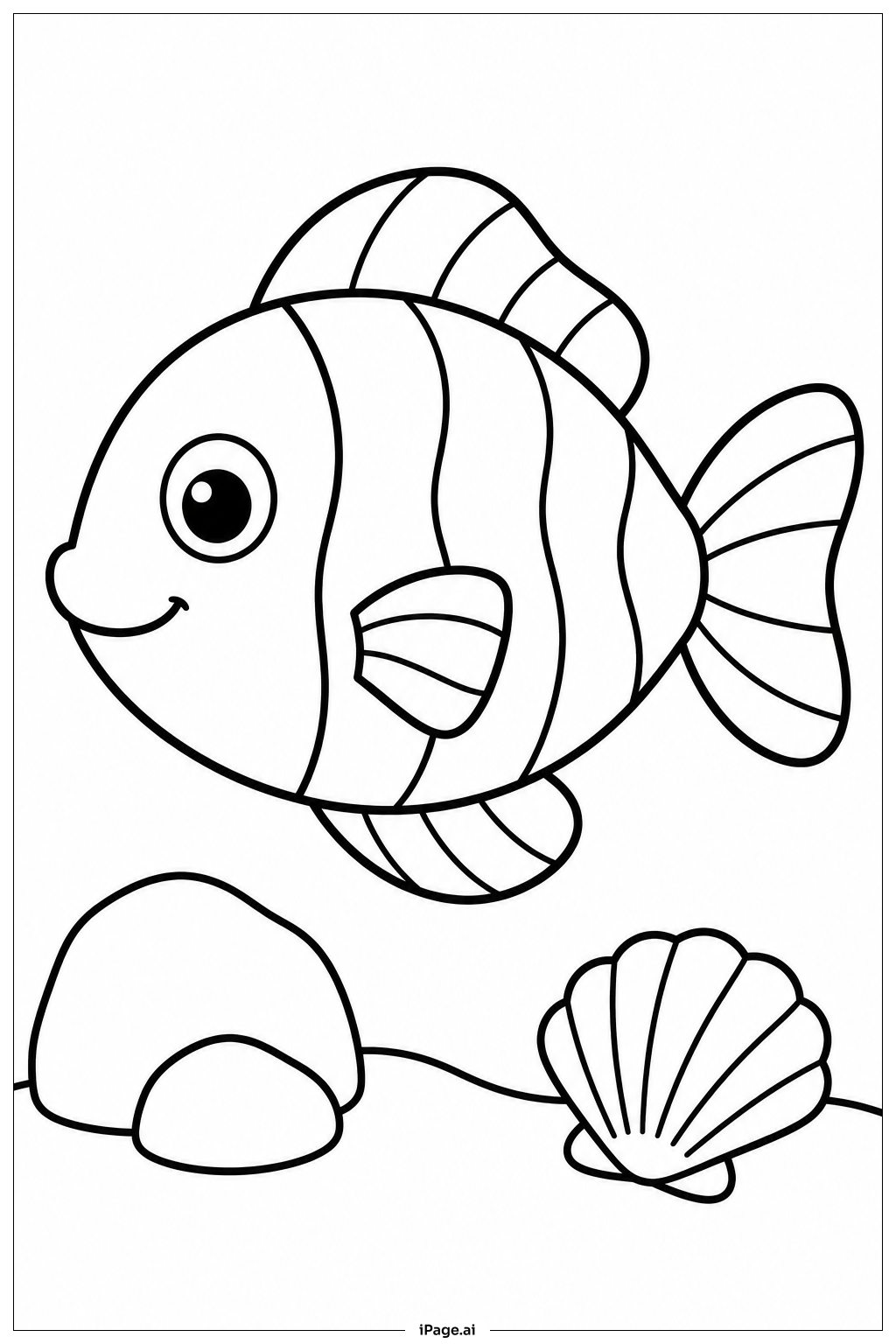
Coloring tips: How to color Fish On Sandy Bed coloring page well?
Start with the fish's body using warm colors like orange, yellow, or red to make it stand out. Use different shades of the same color to add depth to the scales. Color each scale individually for a realistic look. For the fins, try lighter tints of your main color, or use a soft blue or purple for a magical effect. The eyes can be colored bright yellow or gold with a dark pupil to add life. For the sandy bed, use tan, beige, or light brown. Add patches of darker brown for shadows. Shells can be white, pink, or peach. Color any seaweed or plants in shades of green. Use a light blue or aqua in the background to suggest water. Blending colors gently will make the whole scene look natural and beautiful.
Coloring challenges: Which parts are difficult to color and need attention for Fish On Sandy Bed coloring page?
• Fish Scale Texture: The fish body is covered with many small overlapping scales. Each scale is a separate shape that needs careful coloring. Staying within the lines without smudging neighboring scales can be tricky, especially for younger children. Using a fine-tipped coloring tool helps a lot here.
• Fin Details: The fins contain thin, closely spaced lines that spread outward like a fan. These narrow spaces are hard to fill neatly. A sharp colored pencil or a fine marker works best. Trying to blend two colors inside the fins adds extra difficulty.
• Sandy Bed Texture: The ocean floor is made up of tiny pebbles, grains, and small shells scattered across the bottom. Coloring this area evenly while keeping each small element distinct takes patience. Using several similar shades of brown and beige helps create a realistic, natural texture.
• Background Depth: Creating a sense of underwater atmosphere in the background requires smooth color gradation. Going from a deeper blue at the top to a lighter shade near the sand is visually effective but can be hard to blend without streaks or harsh lines.
• Balancing the Overall Composition: Since the fish is the main subject, its colors need to be bold and vivid enough to stand out clearly against the sandy and watery background. Finding the right color balance so the fish does not get lost in the scene requires some planning before starting to color.
Benefits of coloring books: Advantages of drawing Fish On Sandy Bed coloring page
Coloring this Fish On Sandy Bed page offers many great benefits for kids and beginners alike. It helps children improve their fine motor skills as they carefully fill in small scales, delicate fins, and tiny pebbles on the sandy floor. Staying within detailed lines builds hand control and coordination over time. Choosing colors for the fish, sand, and water encourages creative thinking and imagination. Kids learn about color mixing and how to use shading to make a picture look more realistic. The underwater theme also sparks curiosity about ocean life and sea creatures, making learning fun and natural. Focusing on a detailed coloring task helps children practice patience and concentration, which are valuable skills both in and out of the classroom. The calming, repetitive motion of coloring can also reduce stress and anxiety, helping kids feel relaxed and happy. Completing the page gives a strong sense of achievement and pride. Overall, this page combines creativity, learning, and relaxation into one enjoyable activity that children of all ages can benefit from.