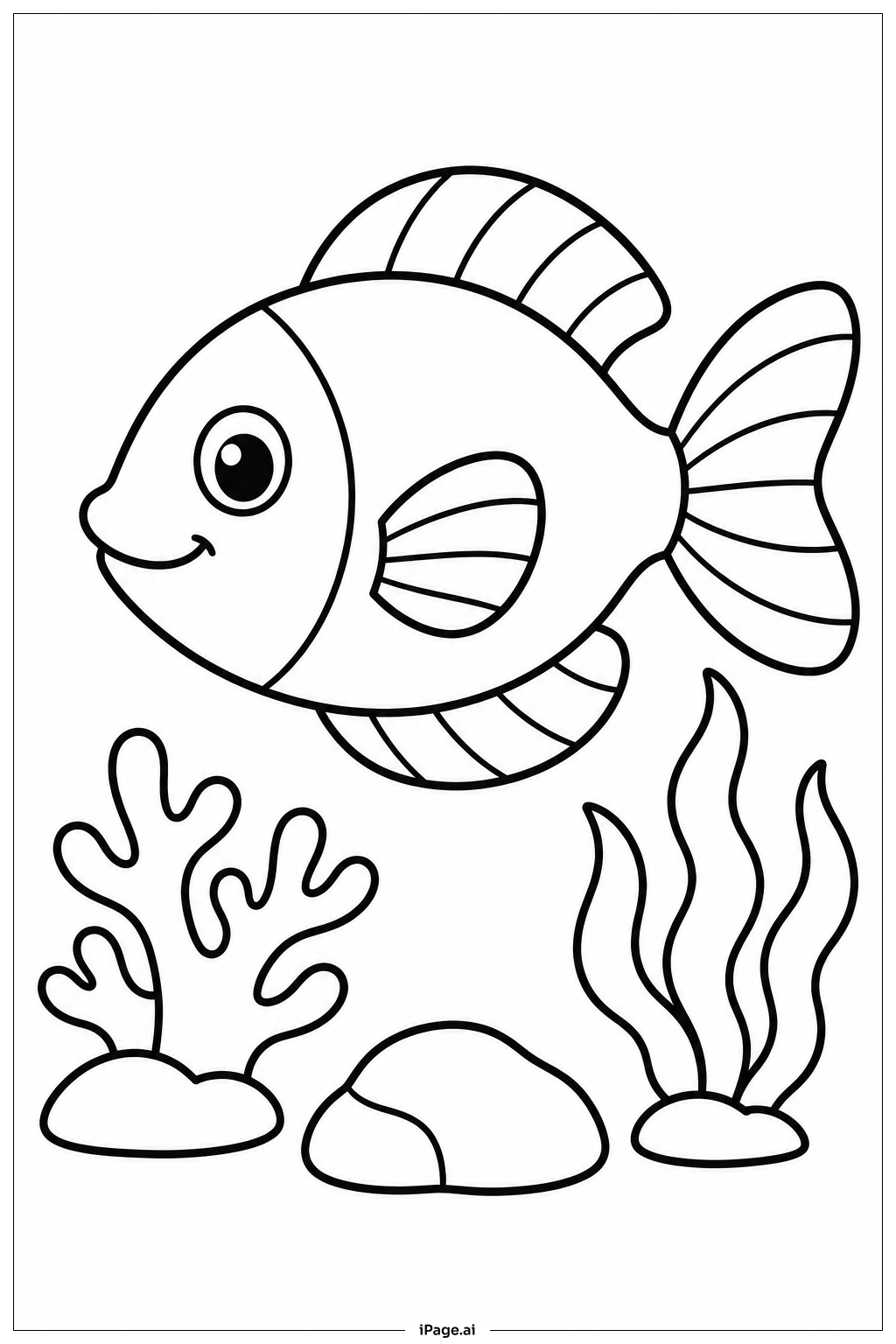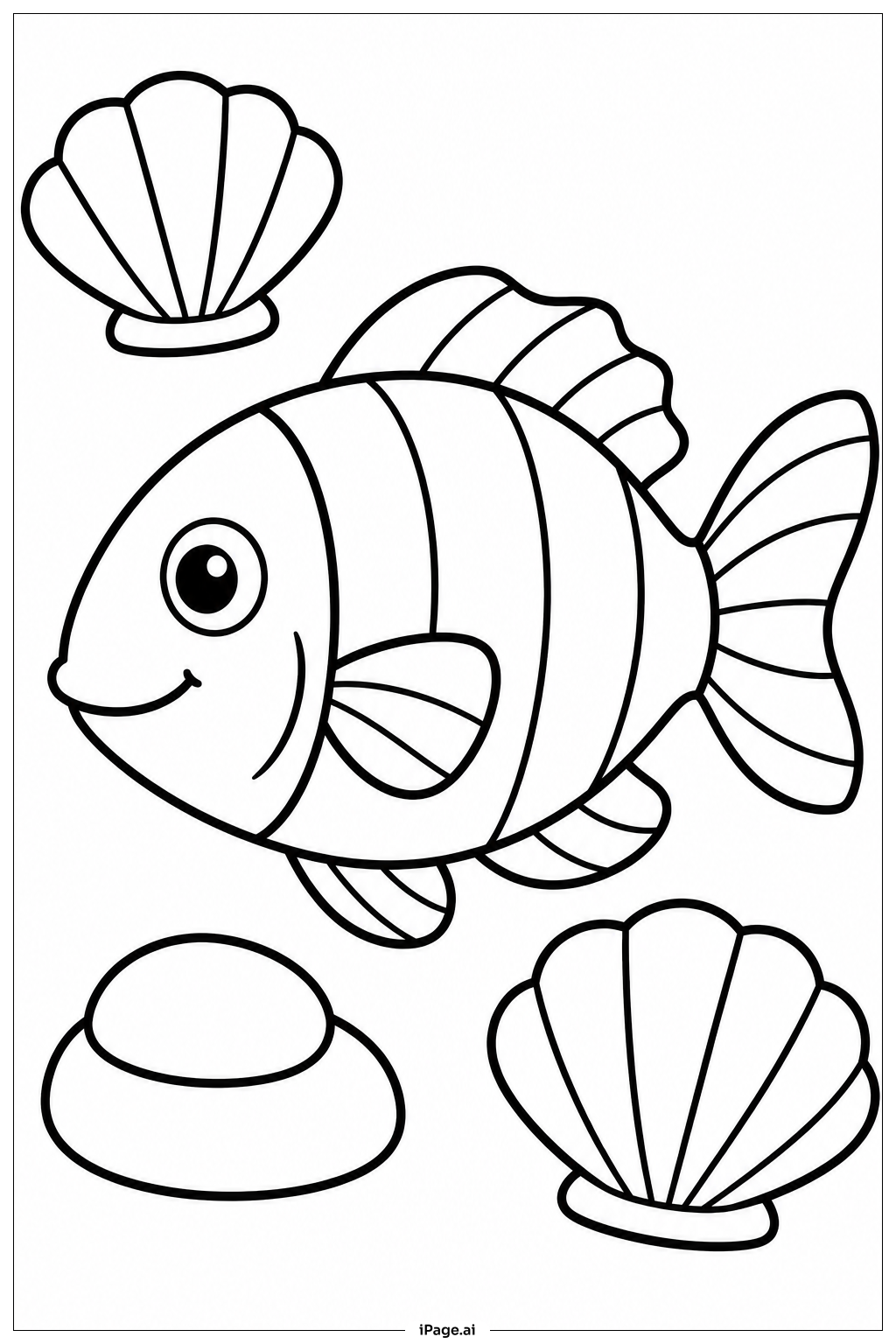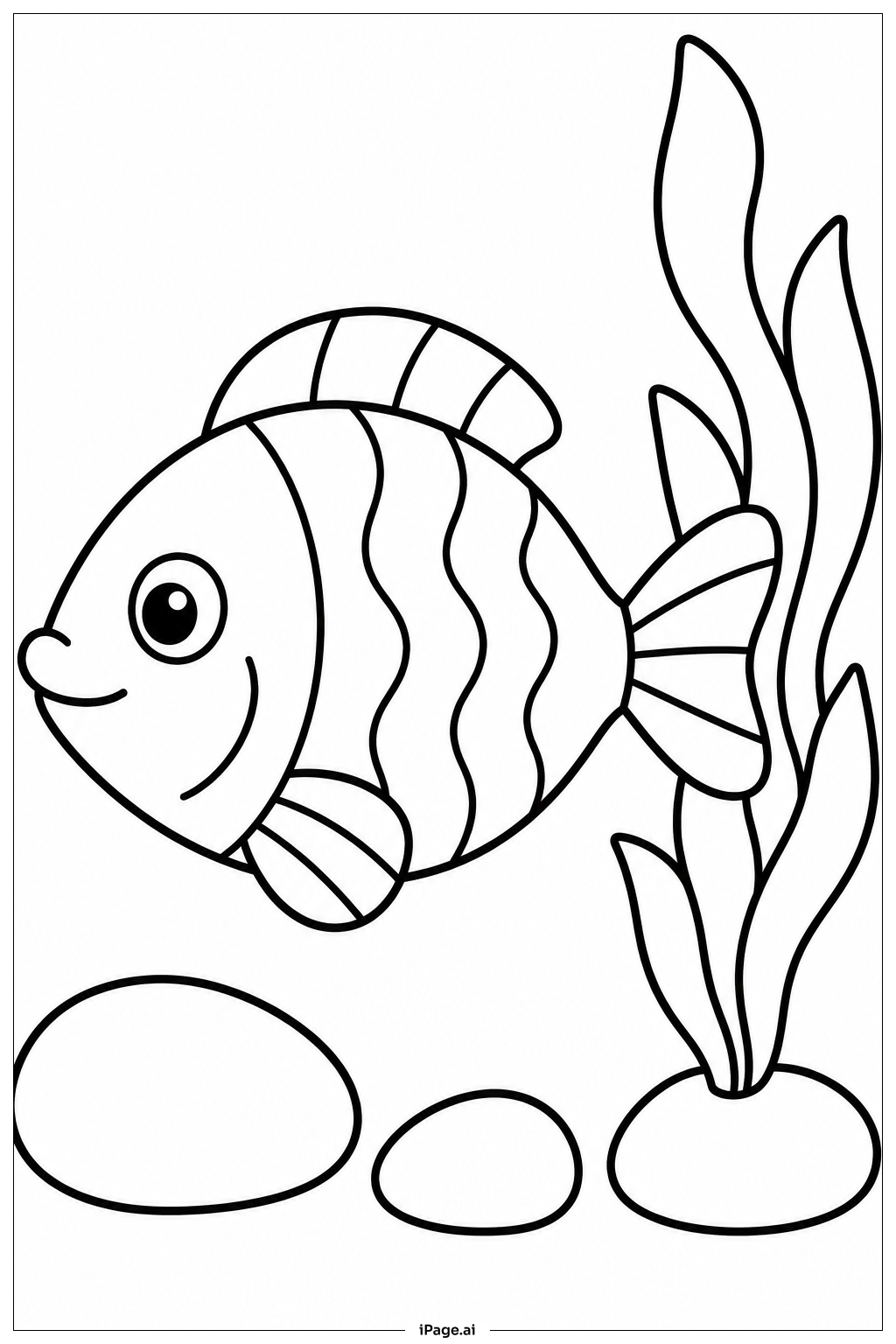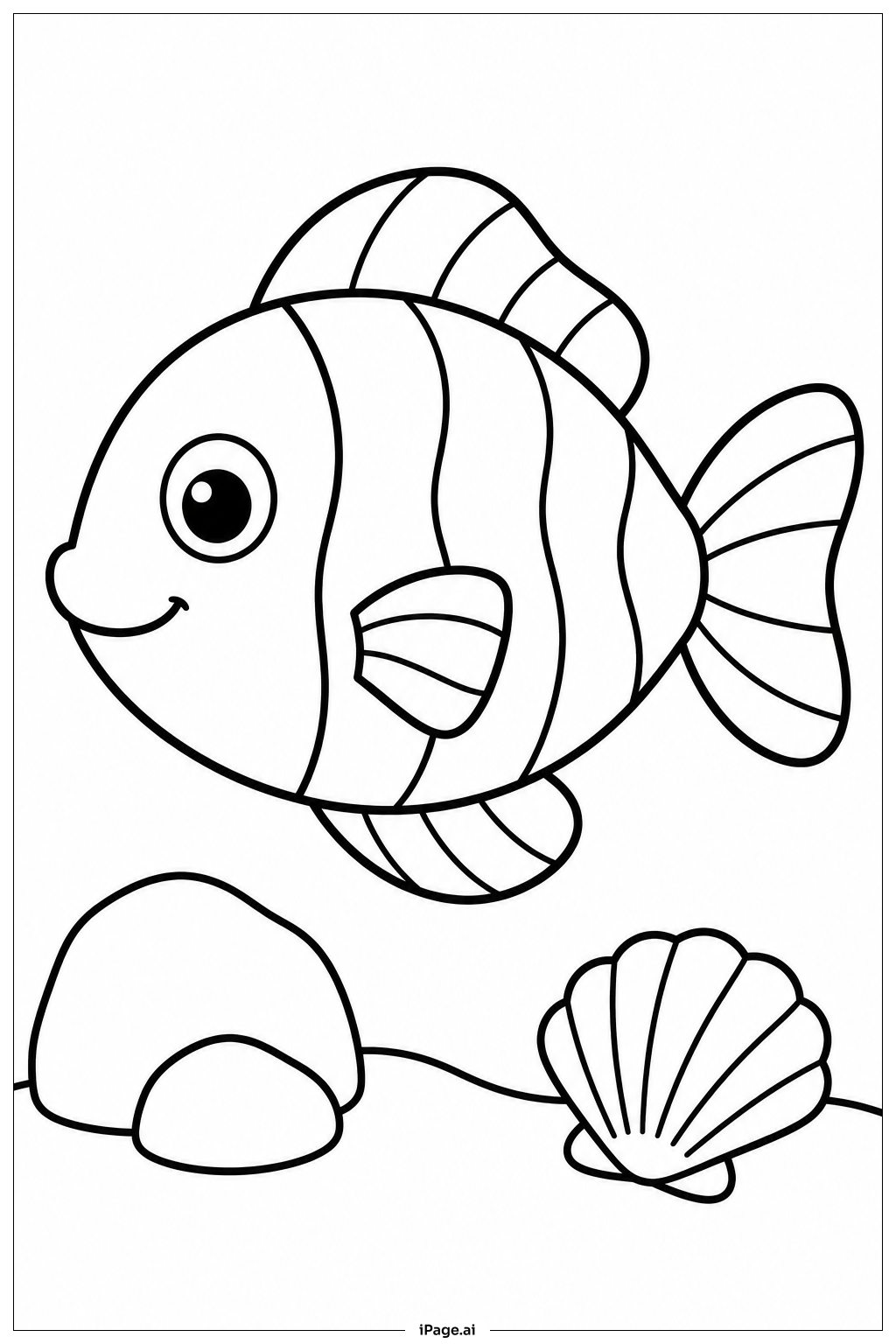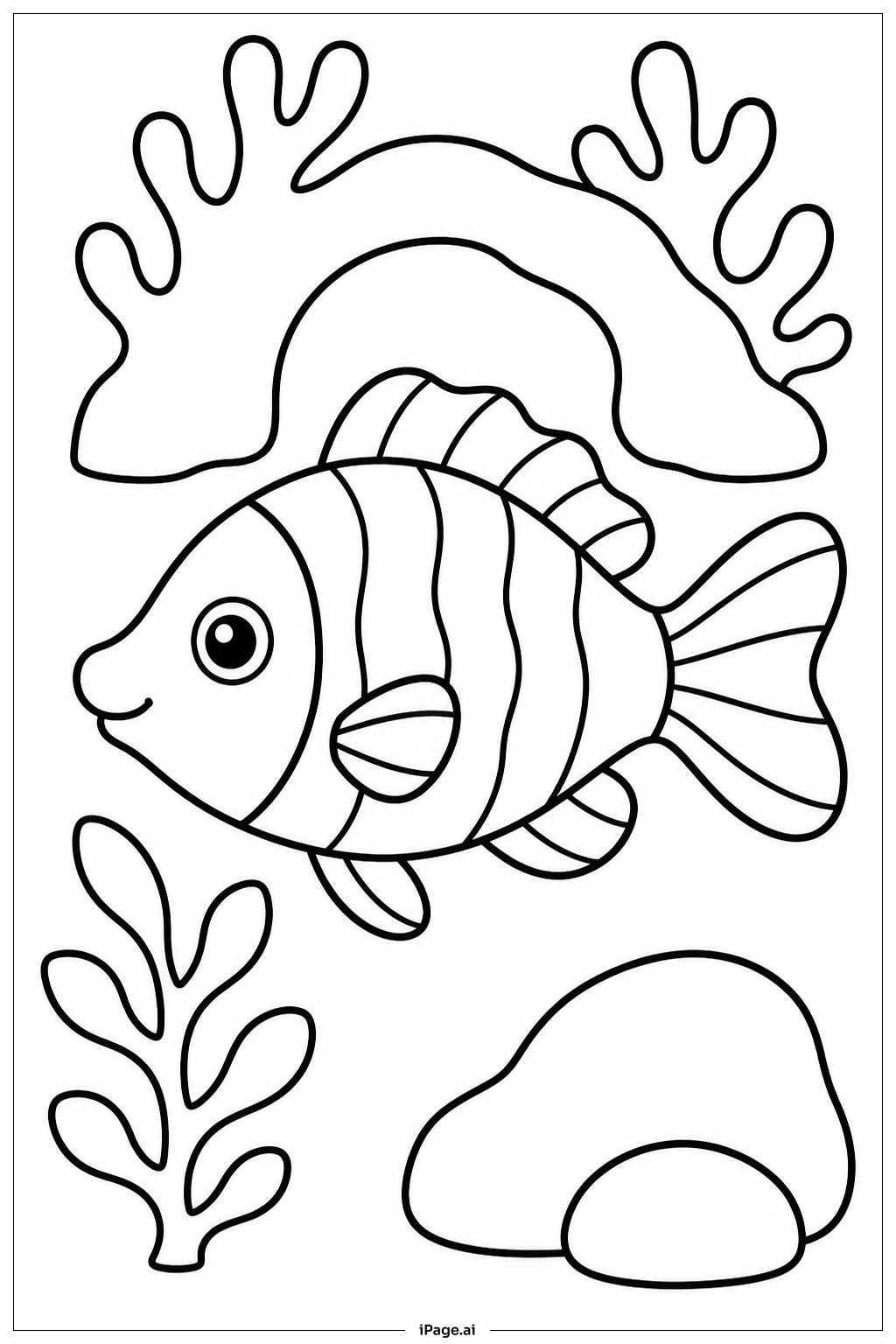
Coloring tips: How to color Fish With Coral Arch coloring page well?
Start with the fish first since it is the main character. Use bright, cheerful colors like orange, yellow, or blue for the body. Add a lighter shade on the belly to create a soft glow effect. Color the scales in slightly different shades to make them look three-dimensional. For the coral arch, try warm colors like red, orange, pink, or purple. Real coral comes in many colors, so feel free to mix and match. Use green or teal for the sea plants and seaweed. Color the background water in soft shades of blue or aqua. Add darker blue tones near the edges to create a sense of depth. Use white or very light yellow for the bubbles. You can leave them mostly uncolored and just outline them lightly. Take your time with each section and enjoy the process. There is no wrong way to color this scene!
Coloring challenges: Which parts are difficult to color and need attention for Fish With Coral Arch coloring page?
• Fish Scale Details: The fish body is covered in many small, overlapping scales. Each scale is a tiny curved shape that needs careful coloring. Staying within the lines of each individual scale can be tricky, especially near the edges of the fins. Using a sharp colored pencil or a fine-tipped marker will help you get into those small spaces without going outside the lines.
• Coral Arch Texture: The coral arch is made up of thick, bumpy branches with many raised surface details. These textures create lots of small, irregular shapes that are close together. Coloring each bump and groove individually takes patience. Using shading techniques, such as pressing harder in shadow areas and lighter in highlights, will help the coral look realistic and three-dimensional.
• Layered Background Elements: The background includes coral branches, sea plants, and wave patterns all overlapping each other. It can be hard to tell where one element ends and another begins. Choosing clearly different colors for each layer will help separate them visually and prevent the scene from looking muddy or cluttered.
• Tiny Bubbles: The small bubbles scattered throughout the image are very delicate details. They are easy to accidentally fill in with too much color. The best approach is to color very lightly around the edges of each bubble and leave the center mostly white to give them a transparent, glossy look.
• Consistent Water Background: Keeping the water background smooth and even is a challenge, especially over a large area. Uneven strokes can make the background look patchy. Try using long, gentle strokes in one direction, or blend two shades of blue together for a natural gradient effect.
Benefits of coloring books: Advantages of drawing Fish With Coral Arch coloring page
Coloring this underwater fish scene offers a wide range of wonderful benefits for children and adults alike. For younger children, carefully coloring the fish scales and coral textures builds fine motor skills and improves hand-eye coordination. Choosing colors for the fish, coral, and water encourages creative thinking and helps kids learn about color combinations. For older children and adults, focusing on detailed areas like the coral arch and tiny bubbles promotes mindfulness and concentration, helping to reduce stress and calm a busy mind. Learning about the natural colors of coral reefs and tropical fish also sparks curiosity about marine life and ocean ecosystems. Completing the full scene gives a satisfying sense of achievement and builds confidence. Sharing the finished artwork with family or friends adds a fun social element to the activity. Whether you use crayons, colored pencils, or markers, this image provides a joyful and relaxing coloring experience that is suitable for all ages and skill levels.