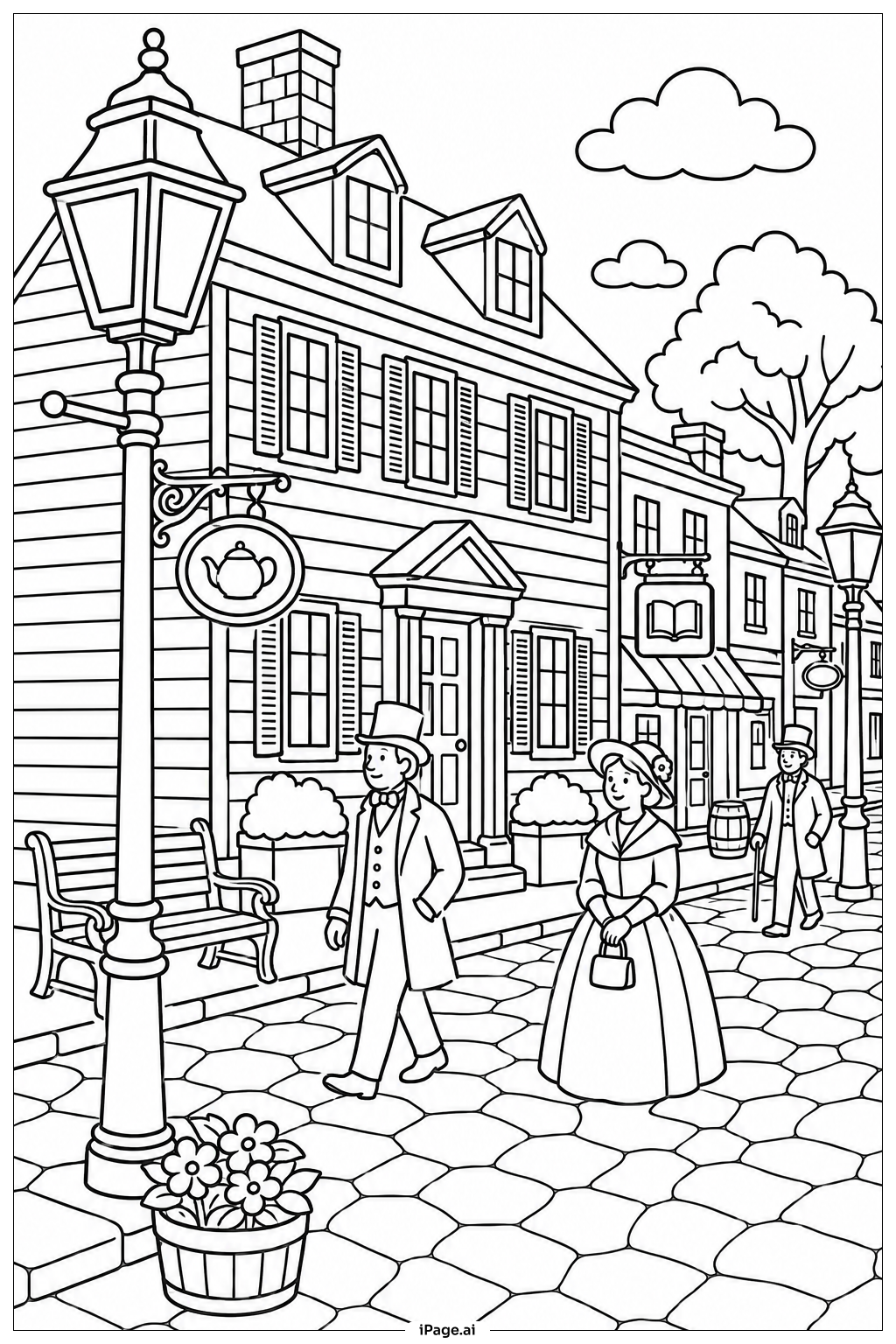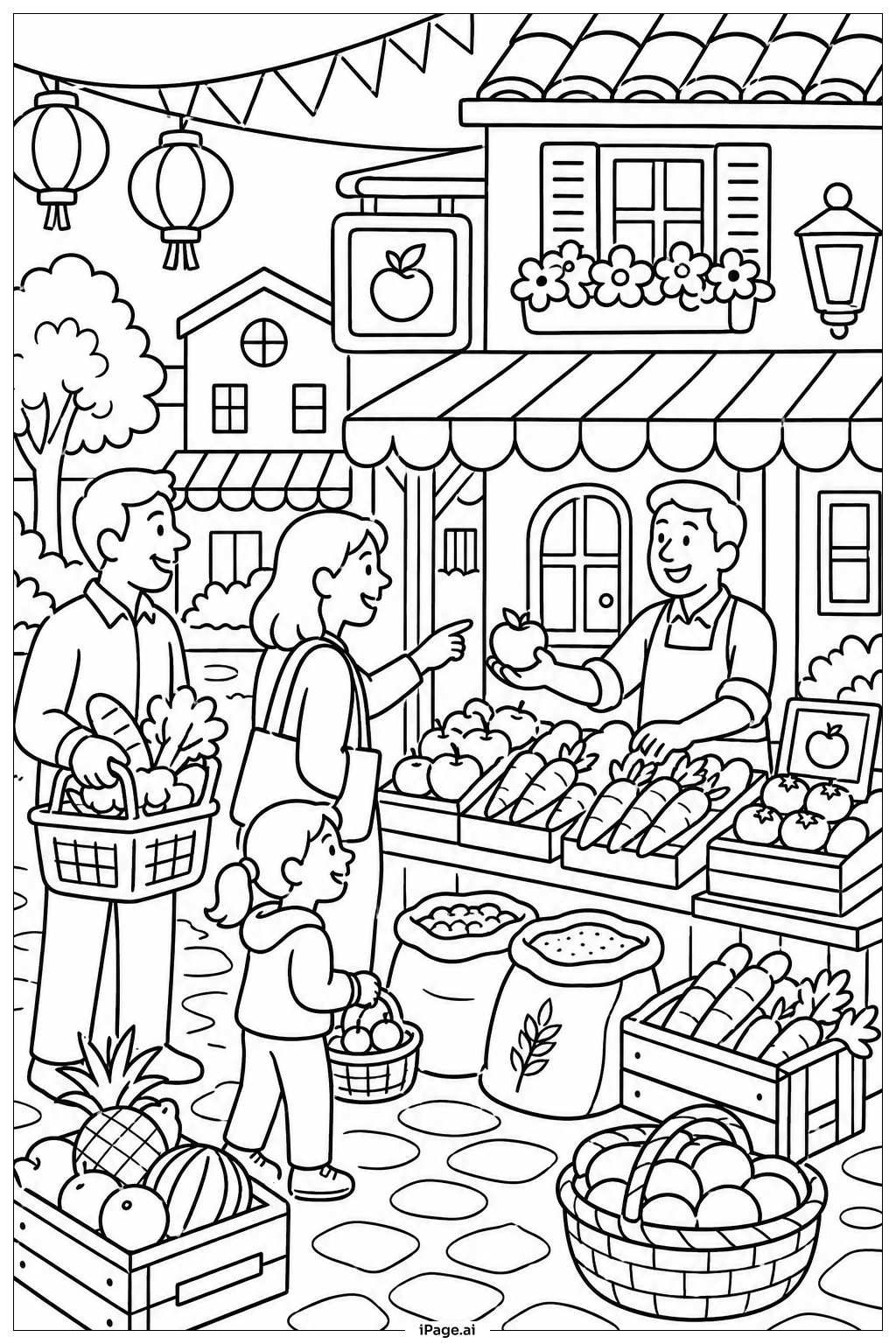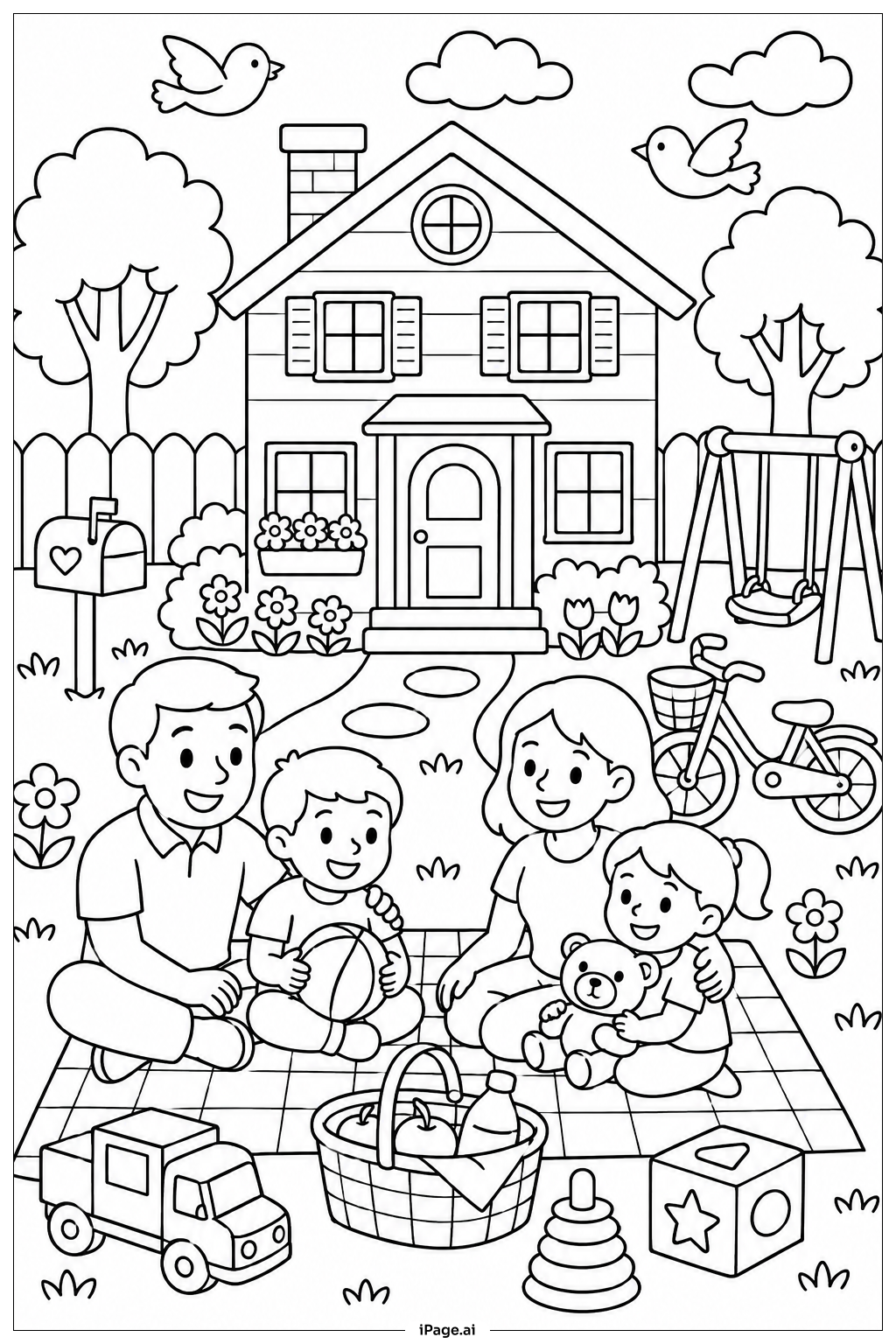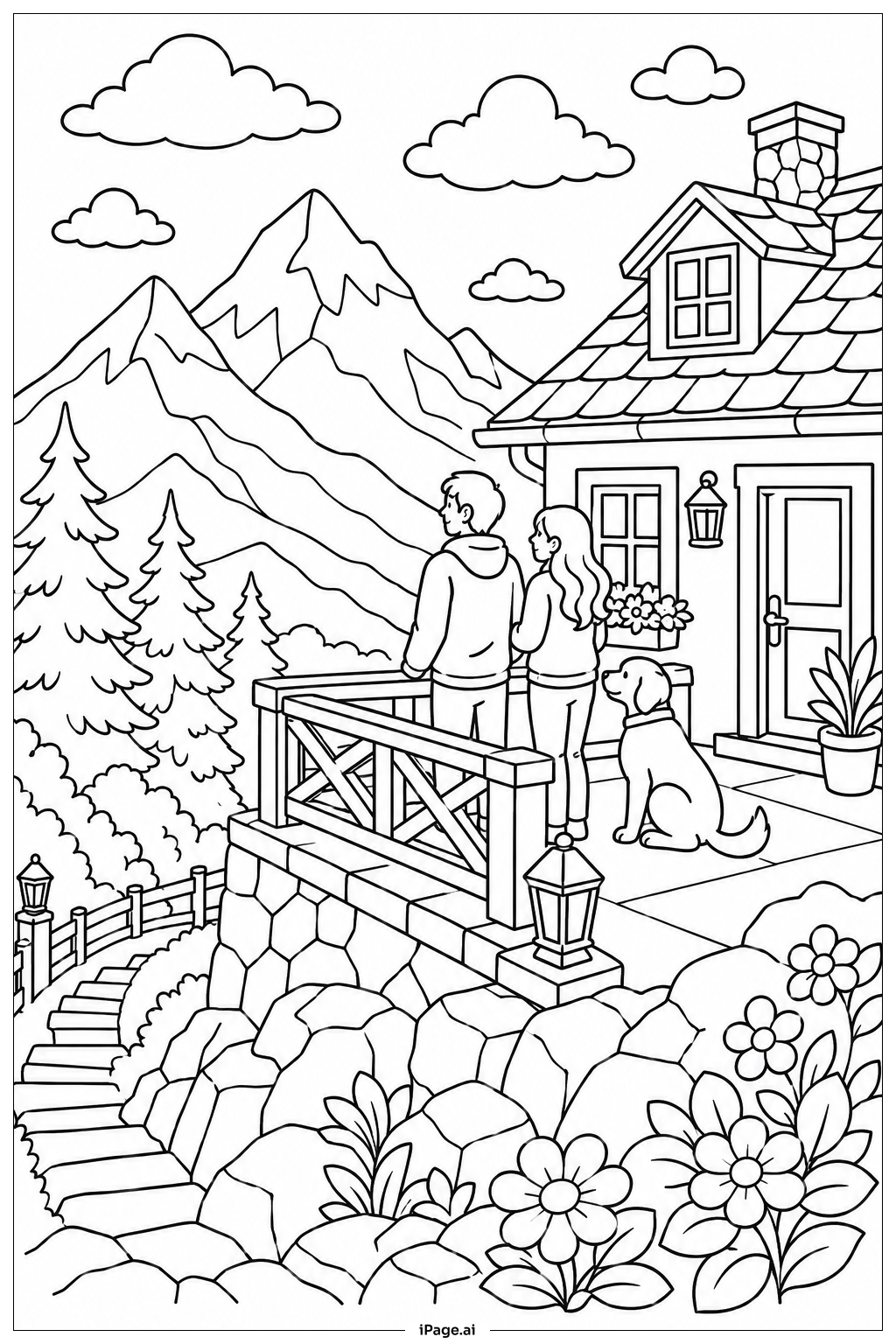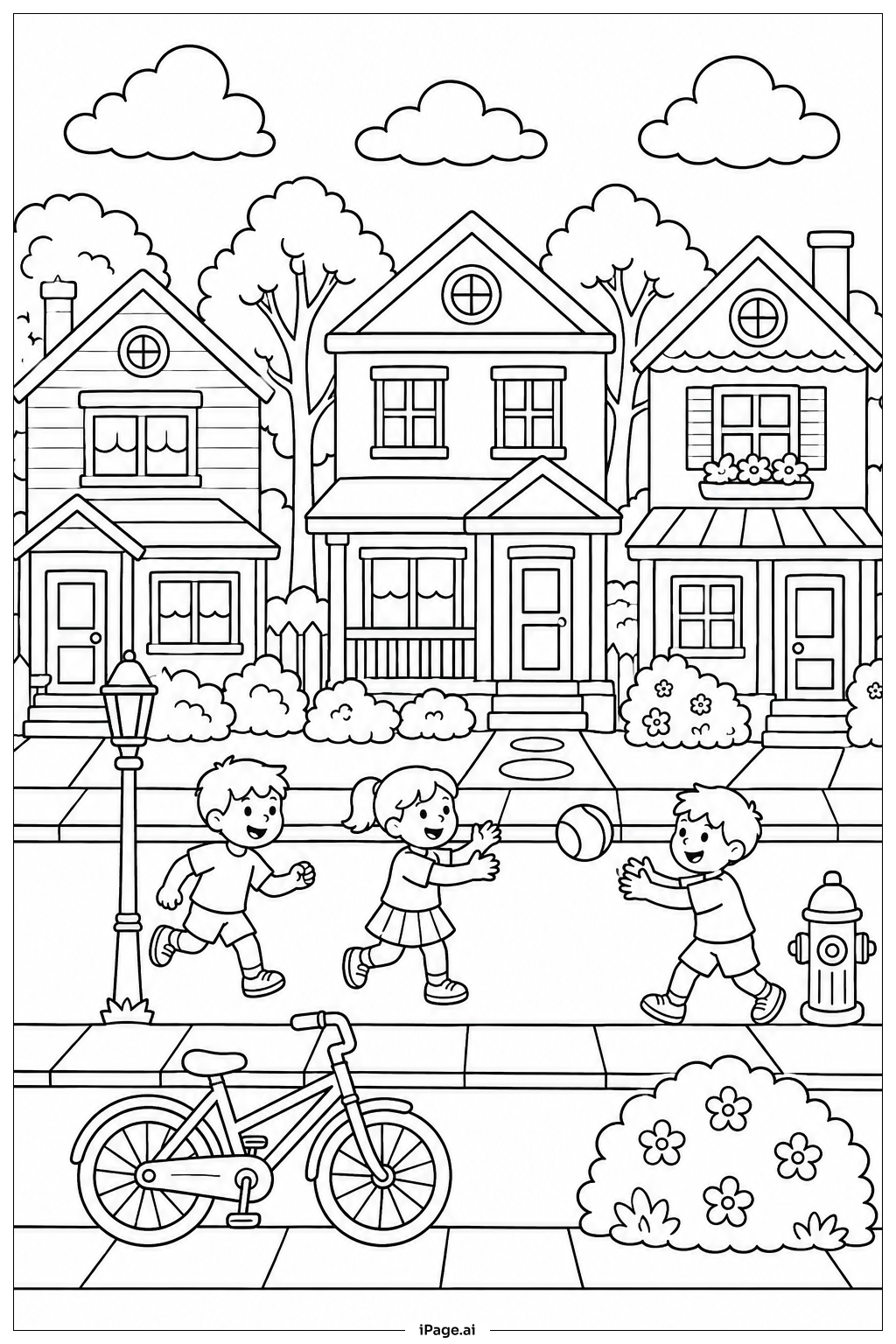
Coloring tips: How to color House Neighborhood Street coloring page well?
Start with the sky — use a soft blue for the background and white or pale yellow for the clouds and sun. For the houses, try warm and cheerful colors like red, orange, yellow, or tan for the walls, and darker shades like brown or gray for the rooftops. Give each house a different color to make the street feel lively and unique. Use green in many shades for the trees, bushes, and grass — mixing light and dark greens adds depth. The street can be colored gray or dark tan, with lighter gray for the sidewalks. Add warm browns for wooden fences and mailboxes. For doors and windows, use bright accent colors like blue, red, or green to make them pop. Take your time with small details like window panes and flower beds — these little touches make the whole scene come alive. Feel free to mix and match colors to create your own perfect neighborhood!
Coloring challenges: Which parts are difficult to color and need attention for House Neighborhood Street coloring page?
• Keeping House Colors Distinct: The scene includes multiple houses side by side, so it can be challenging to choose colors that are different enough from one another. If neighboring houses are too similar in color, the street can look flat and hard to read. Planning your color palette before you start will help you give each home its own personality without the scene feeling too busy or chaotic.
• Coloring Small Architectural Details: Each house has small elements like window frames, door panels, steps, and porch railings. These tiny areas require a steady hand and fine-tipped markers or colored pencils to fill in neatly. Accidentally going outside the lines on these details can make the buildings look messy, so patience and precision are especially important here.
• Trees and Foliage Texture: The trees and bushes have irregular, organic shapes that are tricky to color evenly. Simply filling them with one flat green can make them look dull. Using two or three shades of green — light for sunlit areas, dark for shadowed spots — adds realism and depth, but requires careful layering and blending skills.
• Street and Sidewalk Shading: The road and sidewalks are large open areas that can look boring if colored with a single flat shade. Adding subtle variations or light shading can suggest texture and dimension, but getting this effect right without the surface looking muddy takes practice and a light touch.
• Balancing the Overall Scene: With so many elements — sky, houses, trees, street, and details — it is easy for the finished page to feel unbalanced if some areas are very bright and others are very dull. Thinking about the overall harmony of colors across the whole scene is a real creative challenge, especially for younger colorists.
Benefits of coloring books: Advantages of drawing House Neighborhood Street coloring page
Coloring this House Neighborhood Street scene offers a wonderful range of benefits for kids and beginners alike. Working through all the different sections of the image — houses, trees, sky, and street — gives great practice in staying inside the lines, which builds fine motor skills and hand-eye coordination over time.
Choosing colors for each house and garden encourages creative thinking and self-expression. Kids get to imagine their own dream neighborhood, deciding which house gets a red roof or which yard has the brightest flowers. This kind of decision-making builds confidence and nurtures a love of art.
The scene also has a calming, familiar quality. Coloring cozy homes and tree-lined streets can feel soothing and relaxing, helping to reduce stress and bring a sense of focus and calm — much like a mindfulness activity.
For older children and teens, the small details like window frames, fences, and mailboxes offer a satisfying challenge that rewards patience and attention to detail. Completing a complex scene like this builds a real sense of accomplishment.
Finally, this image sparks imagination and storytelling. Children may start to invent stories about who lives in each house, turning the coloring session into a creative play experience that goes well beyond the page itself.