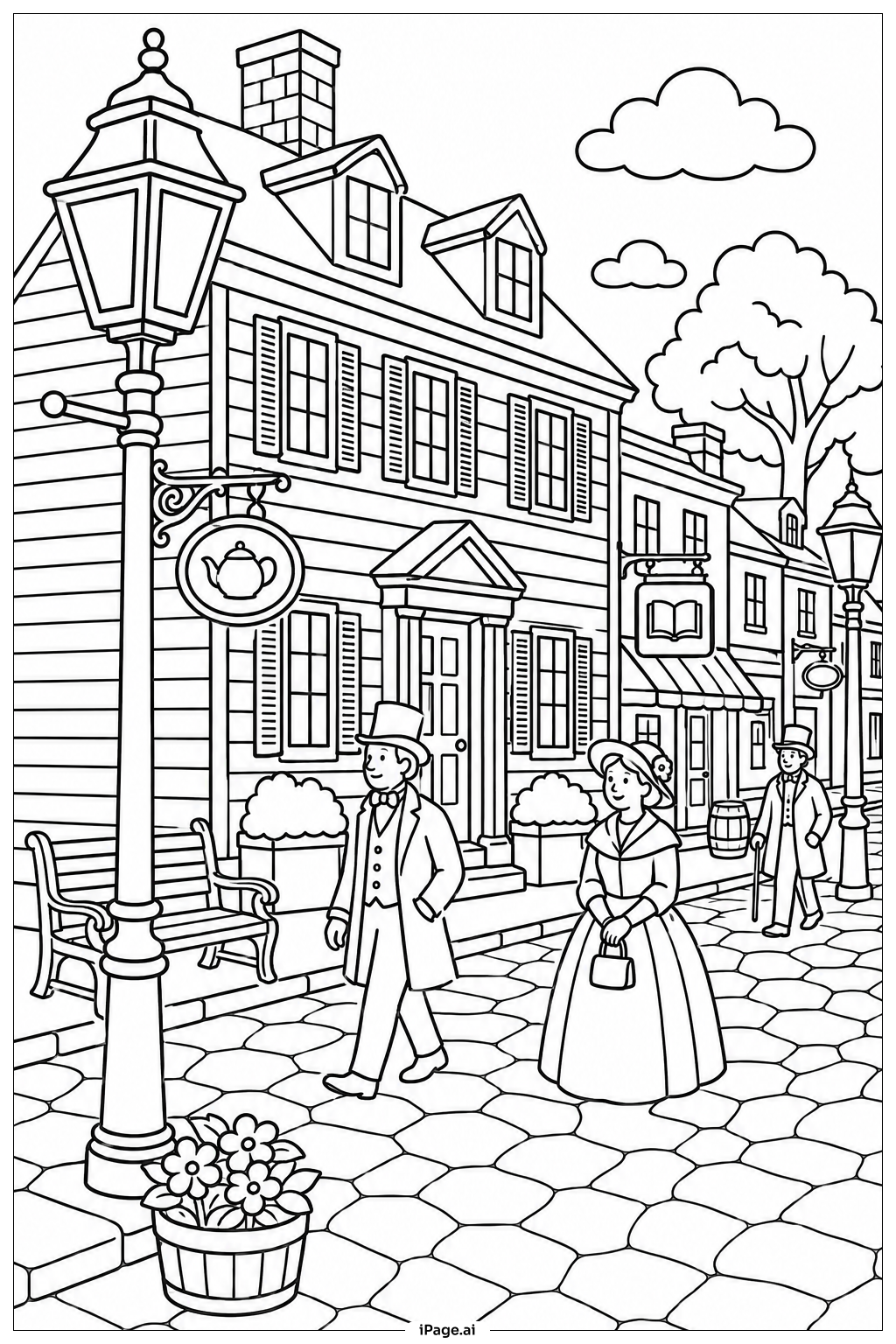
Coloring tips: How to color Historical House Street coloring page well?
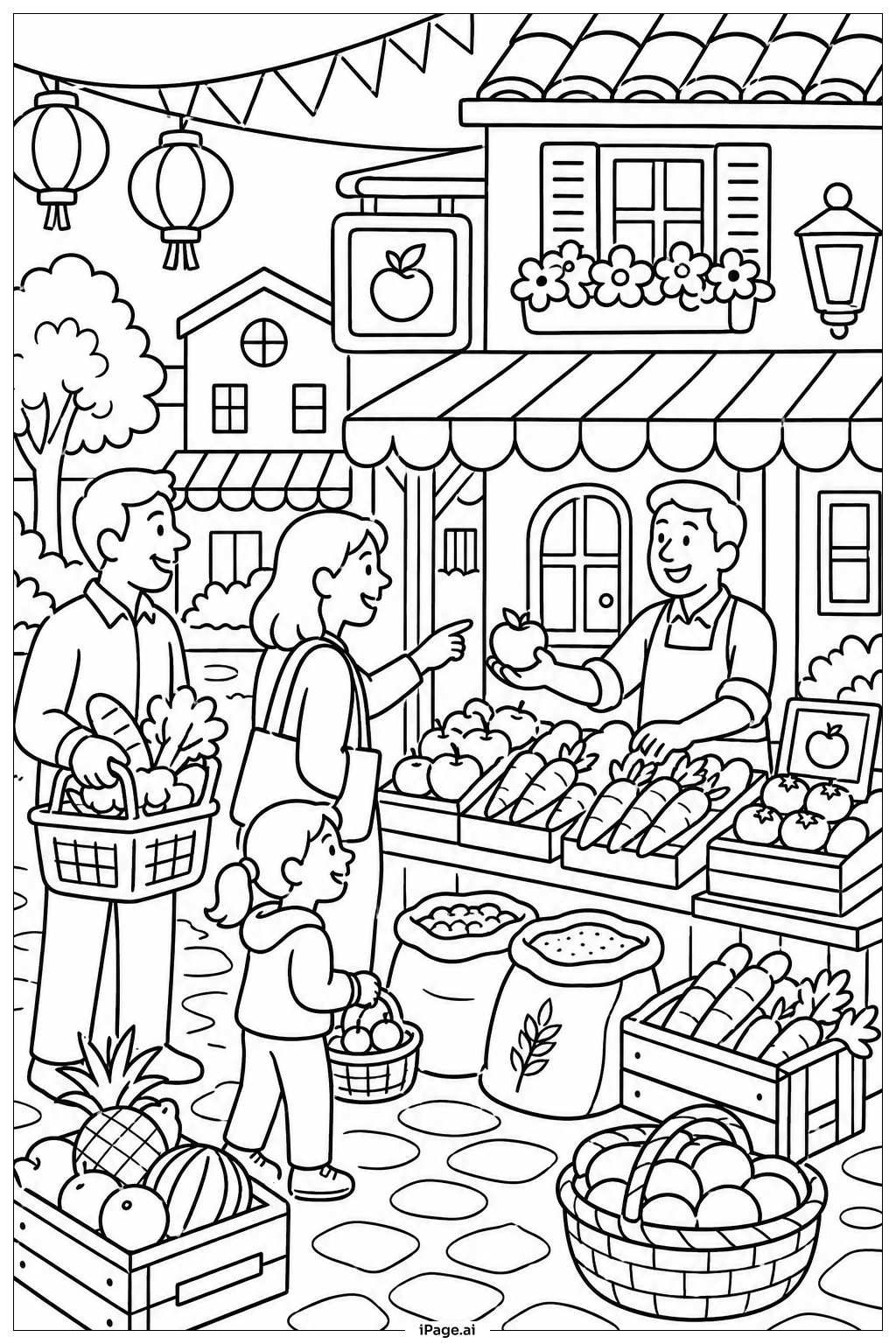
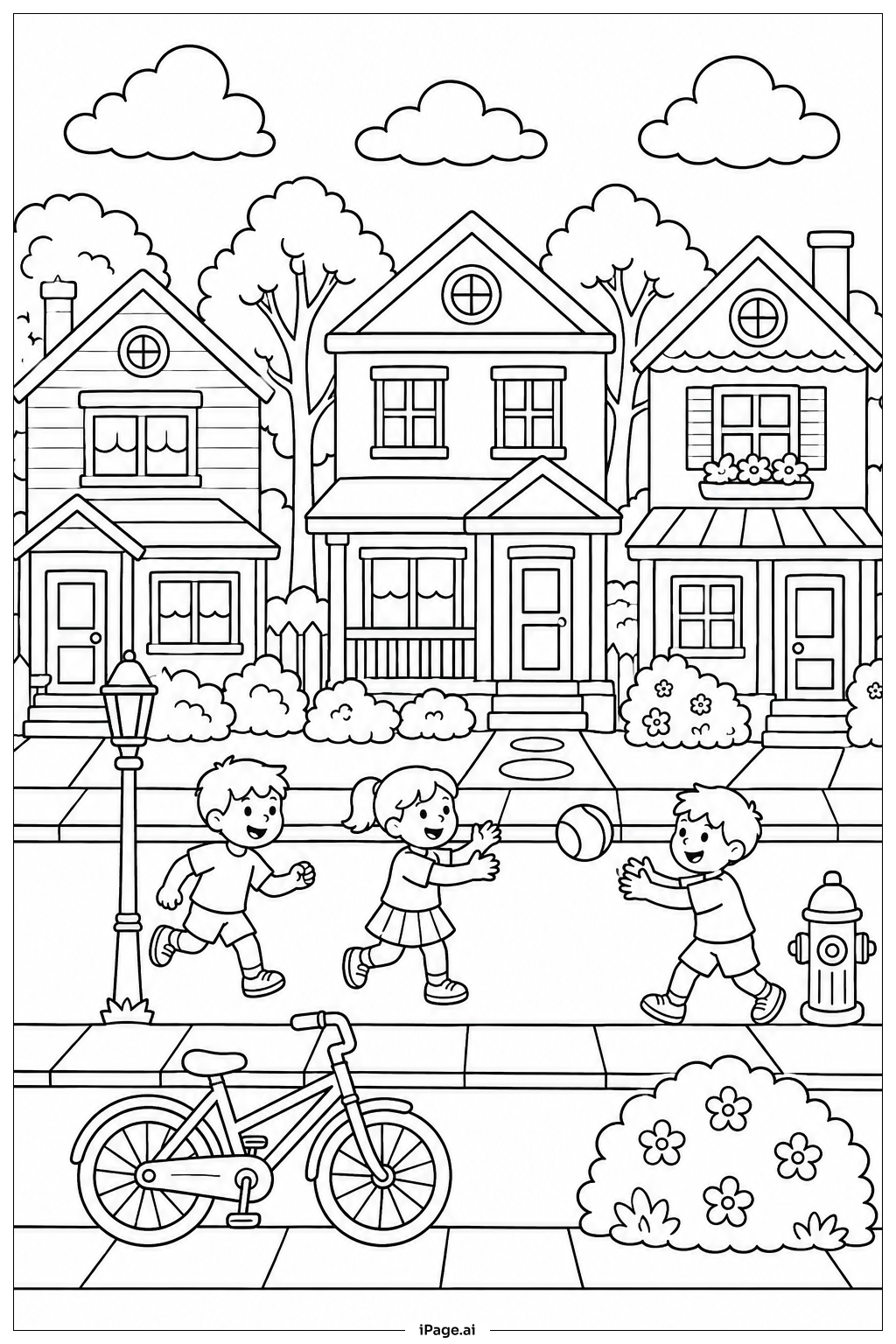
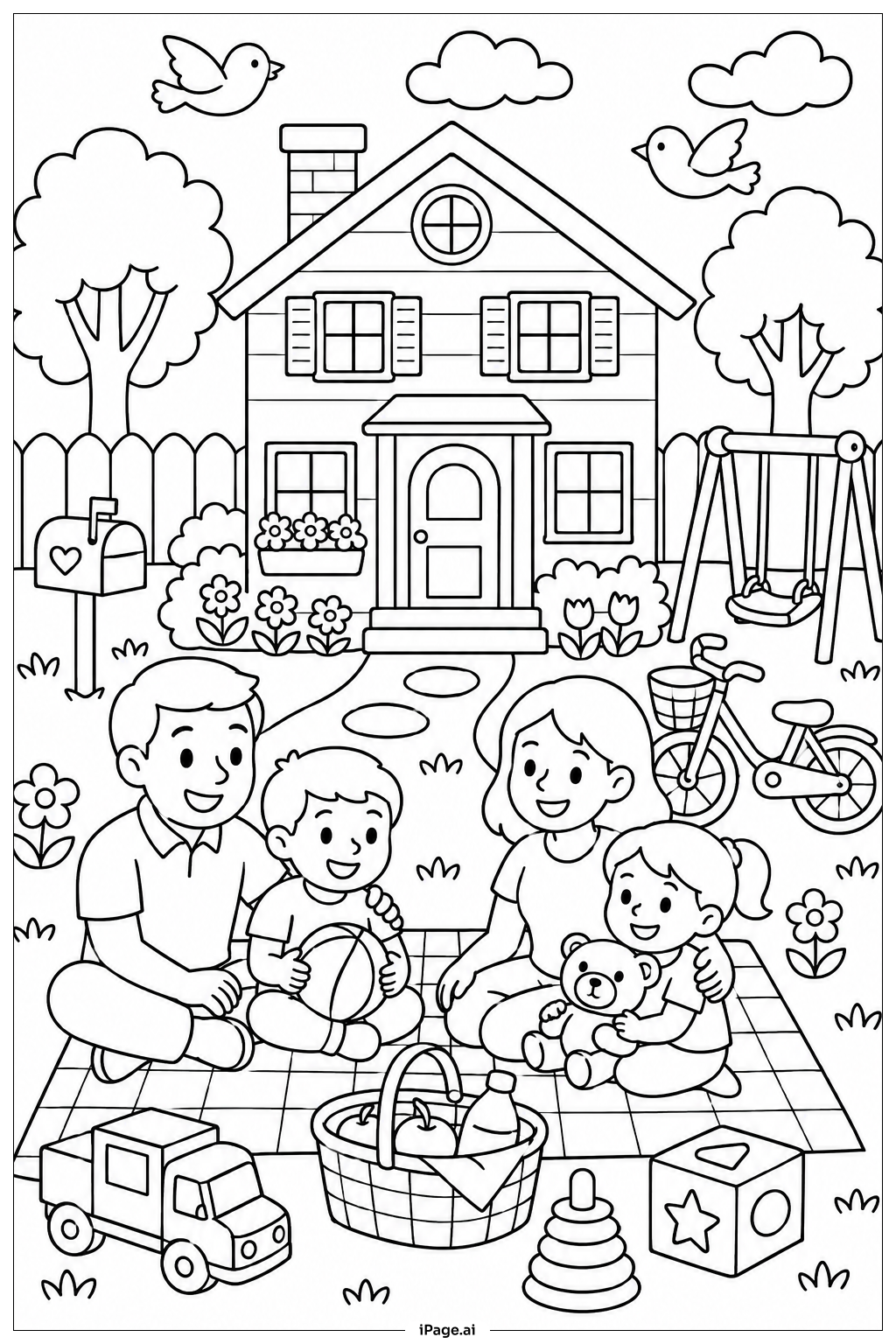
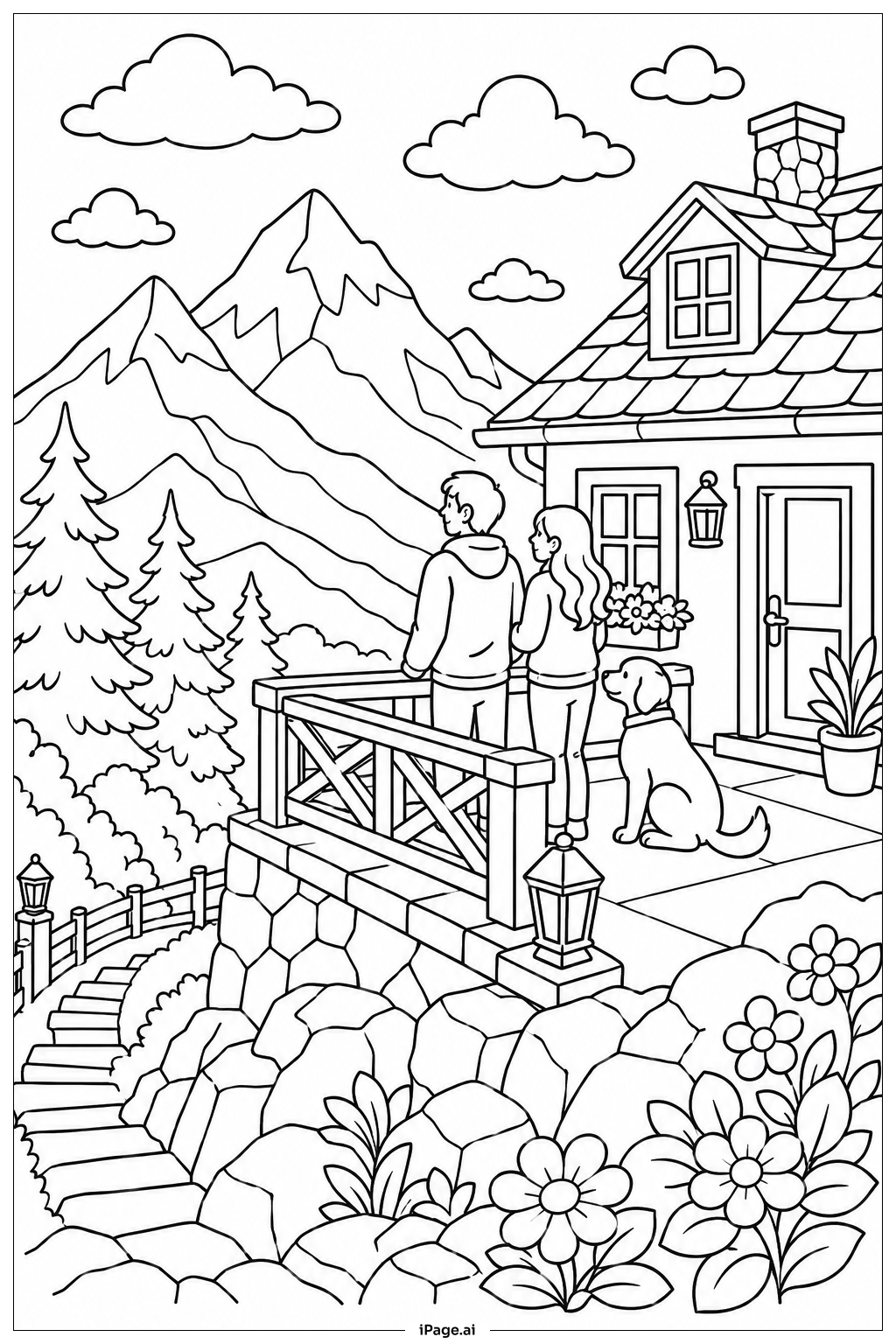
Start with the sky and background trees using soft blues and greens. For the house walls, try warm tones like cream, tan, sandy yellow, or soft red brick colors. Use darker shades of brown or gray for the stone and cobblestone path. Paint the doors in bold, inviting colors like deep red, forest green, or navy blue to make each one stand out. Window frames can be white or light gray. Add pops of color to flower boxes with pinks, purples, and yellows. The street lamps look great in dark bronze or black. Use warm golden or orange tones for autumn leaves in the trees if you want a cozy seasonal feel. Try to give each house a slightly different color palette so the street feels lively and varied. Take your time with the small details — they really make the scene come alive!
Coloring challenges: Which parts are difficult to color and need attention for Historical House Street coloring page?
• Intricate Architectural Details: The houses are filled with fine details like decorative moldings, cornices, and ornate doorways. These small elements require a steady hand and fine-tipped tools such as colored pencils or thin markers to fill in neatly without going over the lines. Rushing through these sections can make the image look messy.\n\n• Consistent Brick and Stone Textures: The brick and stone surfaces contain many repeated small shapes. Coloring each one individually takes patience and time. Keeping the tones consistent while still showing variation in the texture is a real challenge, especially for younger colorists.\n\n• Cobblestone Path: The street or path in front of the houses is made up of many small rounded stones. Each stone needs subtle shading to look three-dimensional. Using two or three shades of gray or brown helps, but blending them smoothly requires practice and care.\n\n• Depth and Shadow: A street scene like this has layers — foreground, midground, and background. Creating a sense of depth means using darker shades for areas in shadow and lighter shades for areas in sunlight. Understanding where the light source is and applying shading consistently across the whole scene is one of the most challenging parts of this image.\n\n• Balancing Colors Across Multiple Buildings: Since there are several houses side by side, choosing colors that look good individually but also harmonize as a group is tricky. Too many bright colors can feel chaotic, while too many similar colors can make the scene look flat and dull. Finding the right balance takes planning and creativity.
Benefits of coloring books: Advantages of drawing Historical House Street coloring page
Coloring this Historical House Street scene offers a wonderful range of benefits for children and young people. Working through the detailed architecture helps build focus and concentration, as kids must pay close attention to stay within the fine lines of windows, doors, and decorative elements. This kind of careful, mindful work is a great way to practice patience and persistence. Choosing color palettes for each house encourages creative thinking and decision-making. Kids get to experiment with color combinations and develop their own sense of style and design. It also sparks curiosity about history and architecture, gently introducing ideas about how people lived in the past. The repetitive motions of coloring bricks, cobblestones, and textures help strengthen fine motor skills and hand-eye coordination, which are important for writing and other daily tasks. Completing a detailed scene like this also gives a strong sense of accomplishment and pride. It can be a relaxing and calming activity, helping children manage stress and express themselves creatively. Whether done alone or with family, coloring this charming street is both educational and enjoyable.