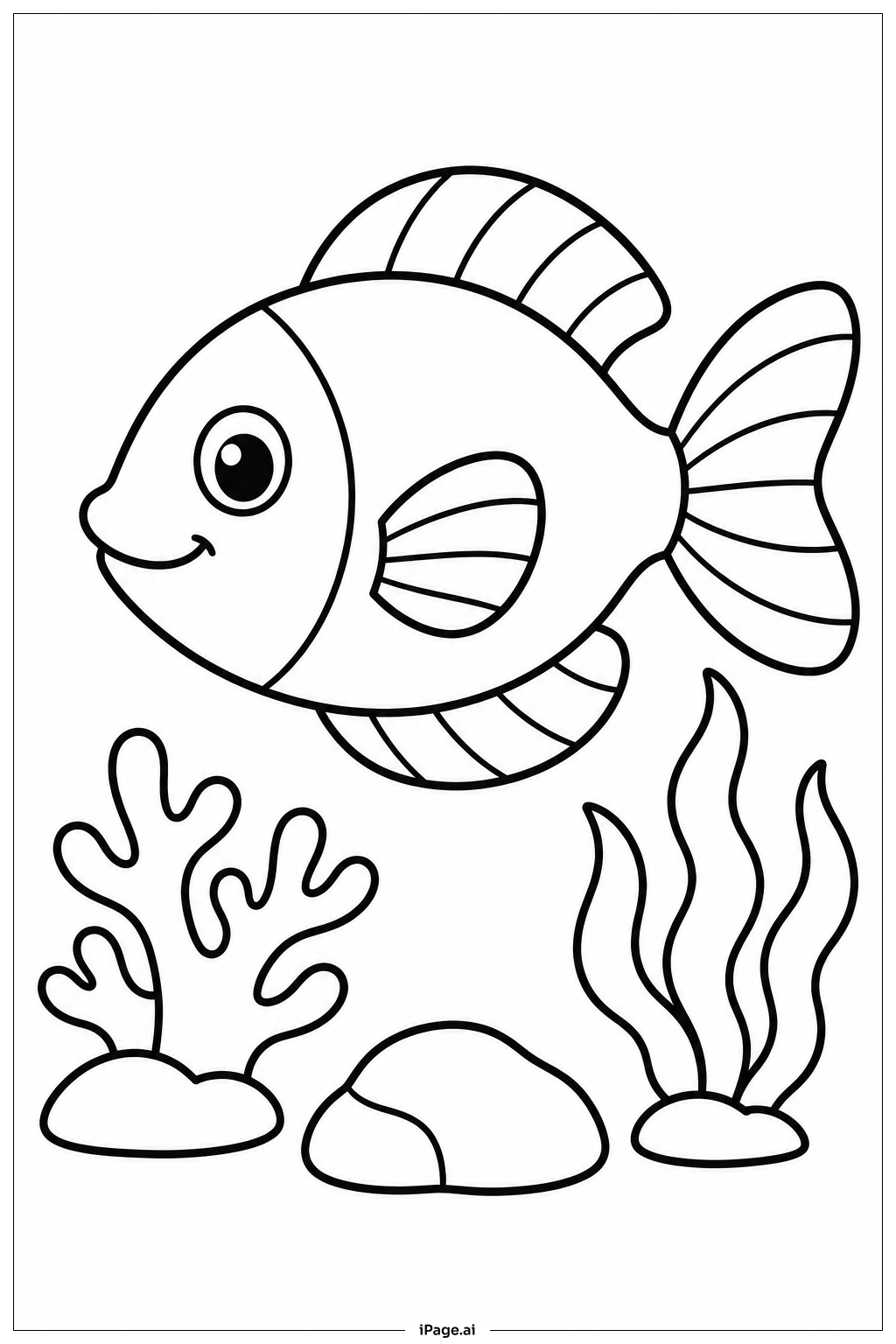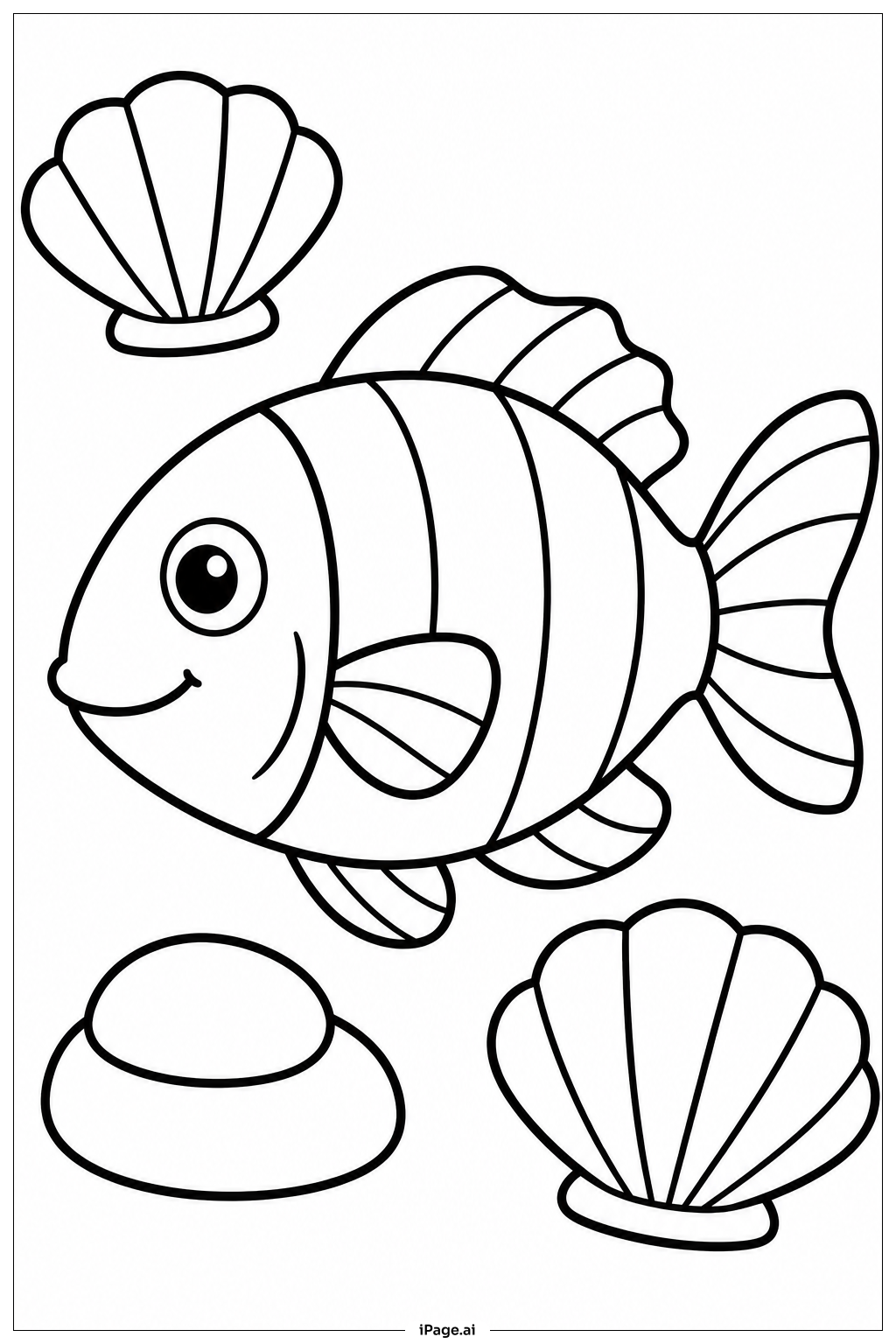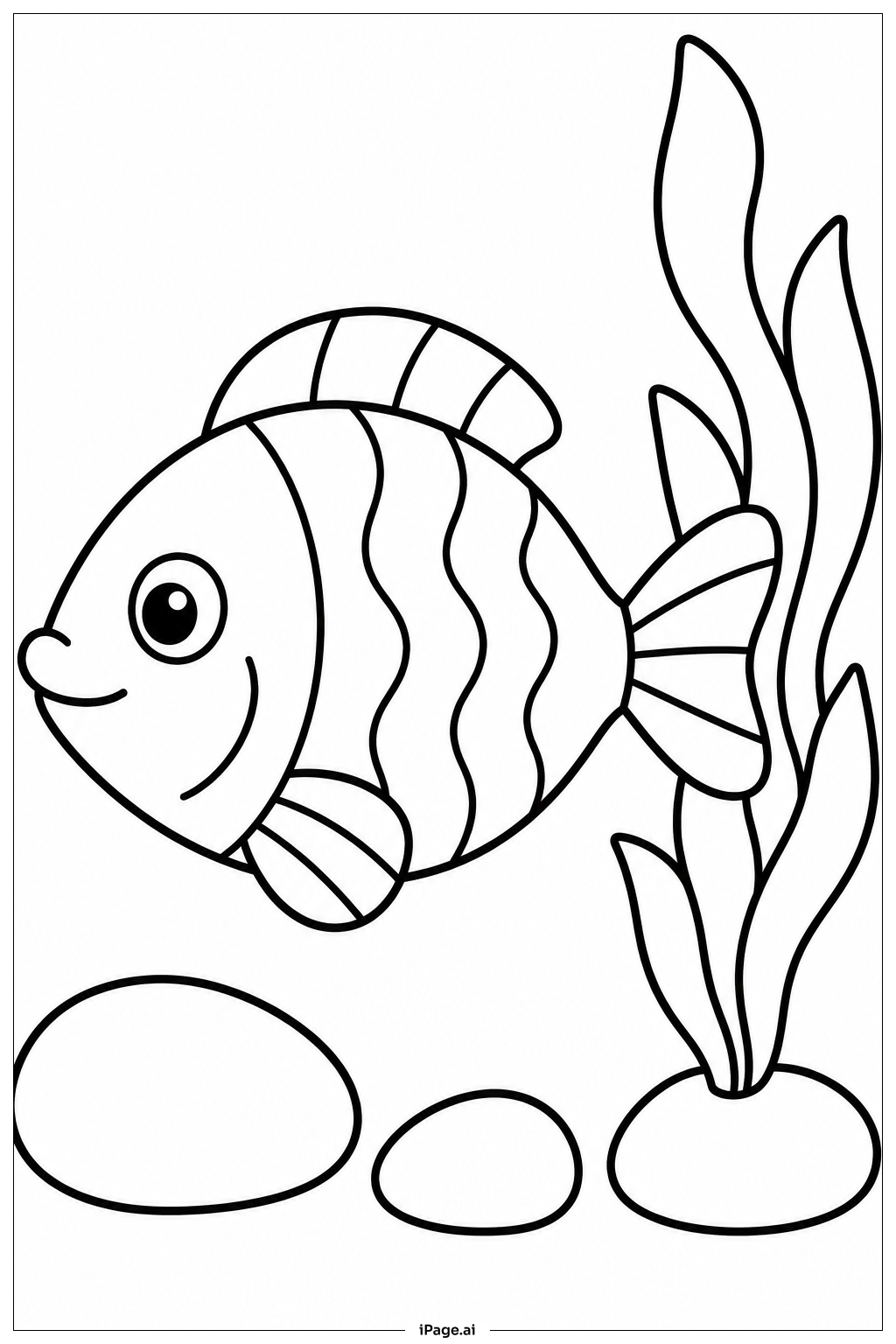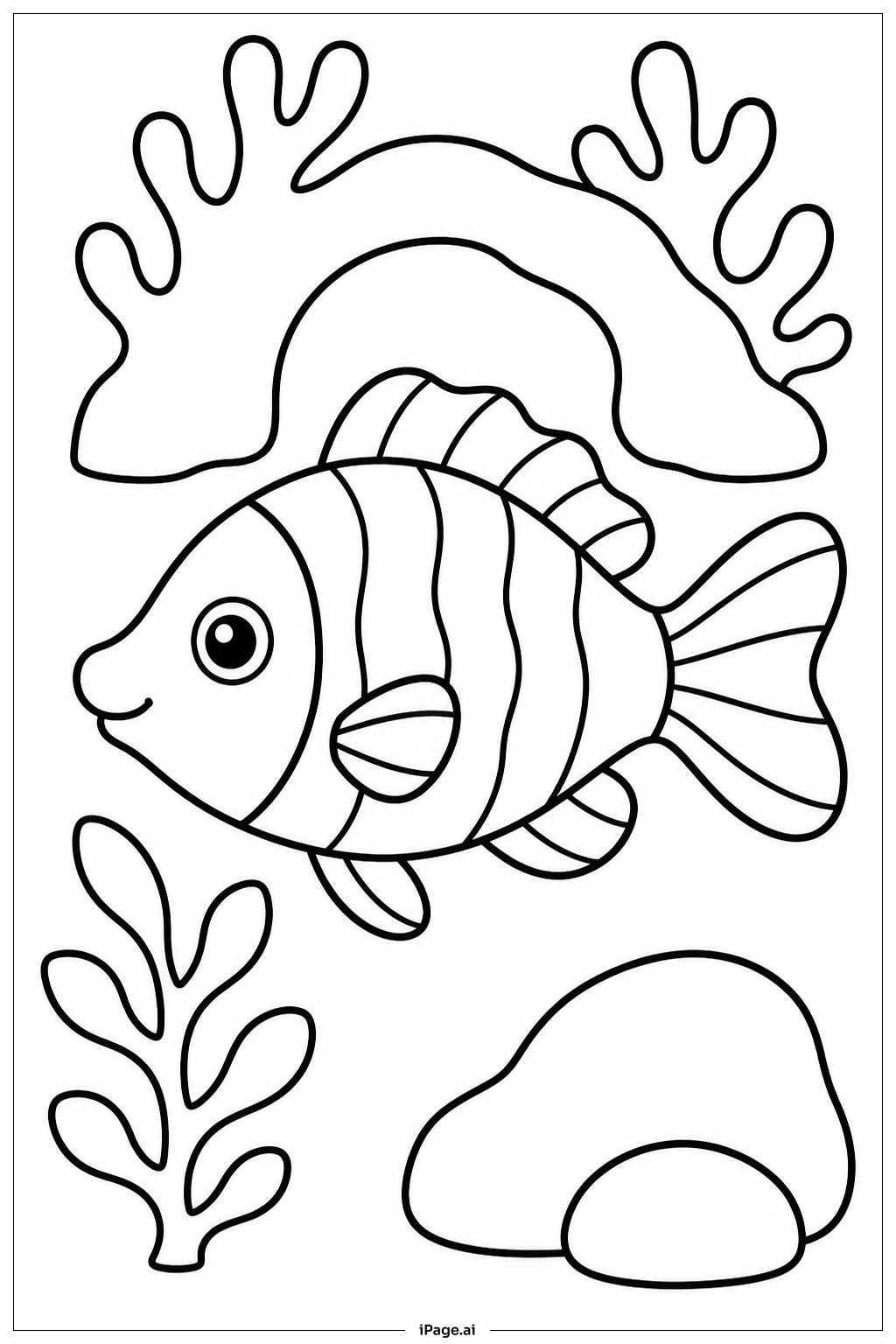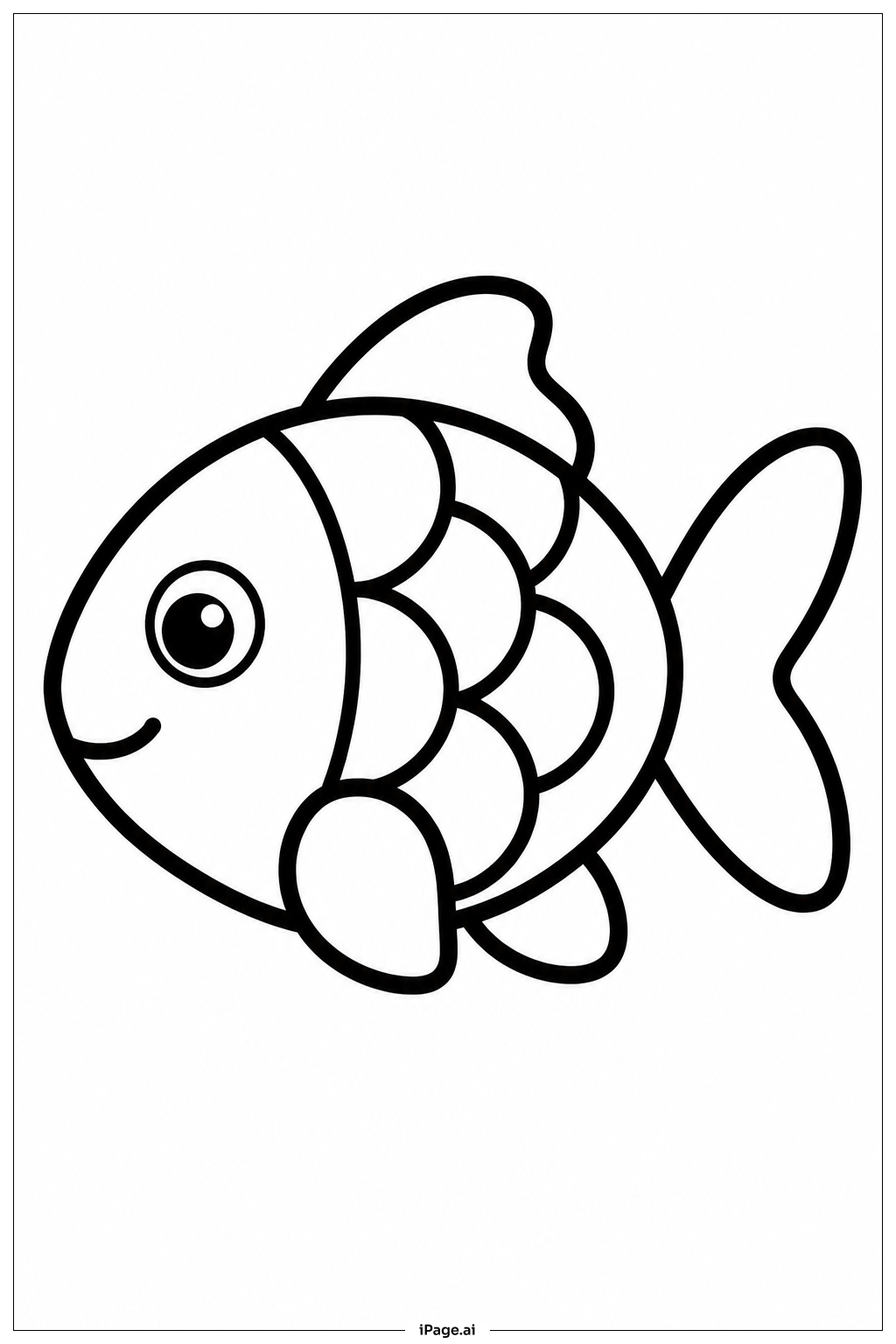
Coloring tips: How to color Gold Fish coloring page well?
Start with the body of the goldfish using bright orange or golden yellow — these are the classic colors that make goldfish so eye-catching. You can add a touch of red or deep orange along the edges of the fins and tail to give them a warm, glowing look. Use a lighter shade, like pale yellow or cream, on the belly area to create a natural highlight. For the scales, try adding small strokes of a darker orange to make each one stand out. Color the eye with a bold black pupil and a golden or amber ring around it. The water can be soft blue or aqua, and the bubbles can be left white or colored with a very light blue. For the plants, use different shades of green to make the background feel lush and alive. The pebbles look great in gray, brown, or even fun colors like purple and pink for a creative touch. Take your time with the fins and tail — light, flowing strokes work best there.
Coloring challenges: Which parts are difficult to color and need attention for Gold Fish coloring page?
• Scale Patterns: The goldfish body is covered with many small, overlapping scales. Each scale has its own outlined shape, and coloring them individually takes patience and a steady hand. Using a fine-tipped coloring tool works best here. Try to keep your strokes going in one direction so the scales look smooth and natural. Rushing through this area can make the scales look messy or uneven.
• Flowing Fins and Tail: The fins and tail have long, sweeping lines that curve and overlap. Coloring these areas smoothly without going outside the lines can be tricky, especially where the lines are close together. Using light, gentle strokes and gradually building up color will help you get a soft, flowing look that matches the movement of real fins.
• Water and Bubbles: The water background and small bubbles require careful handling. Coloring water to look transparent and light while still showing depth is a challenge. Leaving the bubbles mostly white or using very light pressure will keep them looking like real air bubbles rather than solid circles.
• Shading and Highlights: Creating a three-dimensional look on the round body of the goldfish means adding both darker shading and lighter highlights. Beginners may find it hard to blend colors smoothly. Practicing on a separate piece of paper before shading the fish body is a helpful tip.
• Small Background Details: The tiny pebbles and aquatic plants in the background are small and close together. Coloring each element separately without accidentally smudging the neighboring areas requires focus and a coloring tool with a fine tip.
Benefits of coloring books: Advantages of drawing Gold Fish coloring page
Coloring this goldfish page offers a wide range of benefits for kids and beginners alike. First, it helps build fine motor skills. Staying inside the detailed scale outlines and carefully coloring the narrow fins trains hand control and pencil grip, which supports everyday writing and drawing skills. Second, it encourages focus and patience. The many small details on the fish body and background ask the colorist to slow down, concentrate, and work step by step — great practice for building a longer attention span. Third, it sparks creativity. Choosing colors for the fish, the water, and the plants gives children a chance to make their own artistic decisions. There is no single right answer, which builds confidence and imaginative thinking. Fourth, it is calming and relaxing. The gentle underwater theme and flowing shapes create a peaceful coloring experience that can reduce stress and help kids unwind after a busy day. Finally, completing the page gives a real sense of accomplishment. Seeing the finished, colorful goldfish is a satisfying reward that encourages children to try more coloring pages and keep developing their artistic skills.