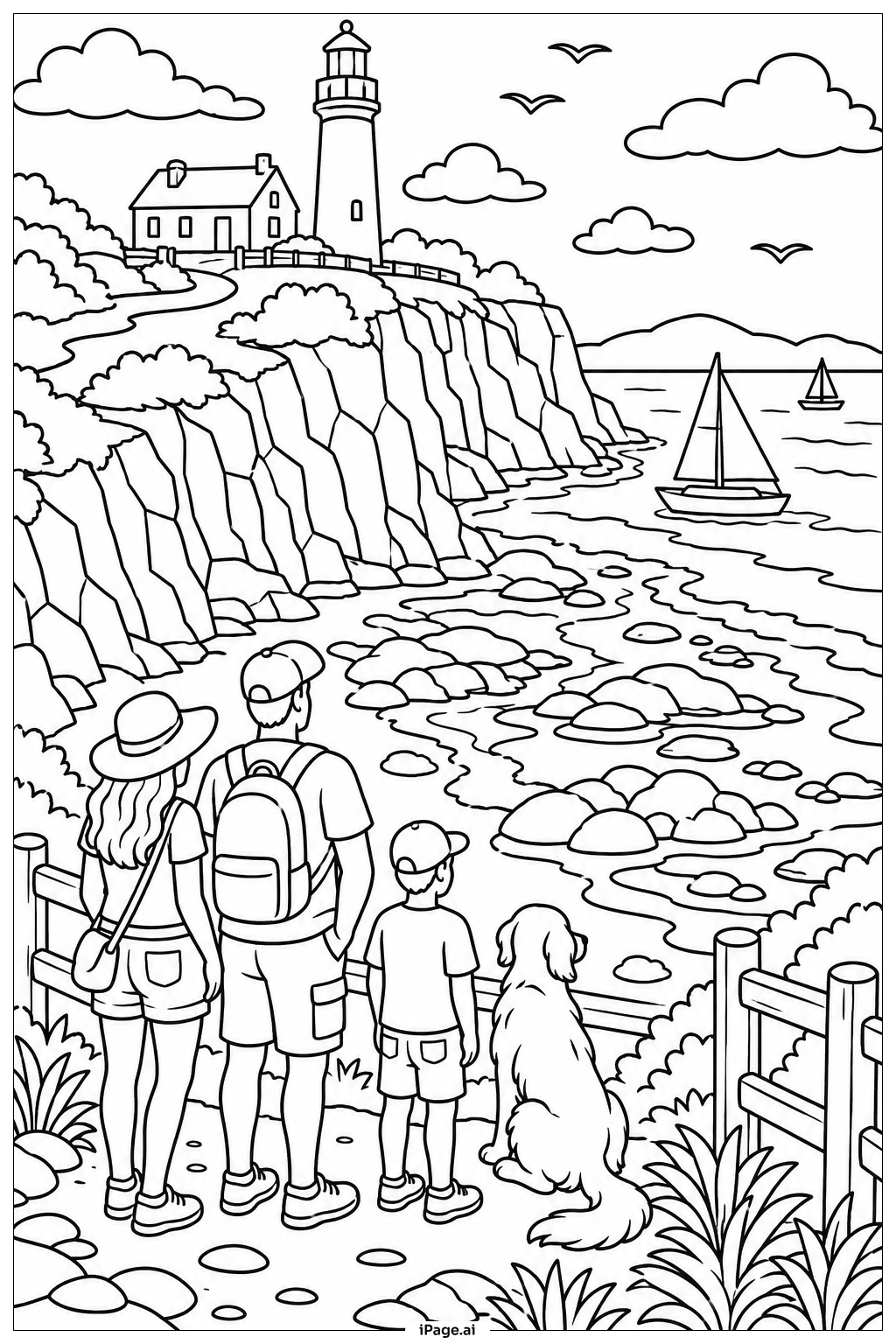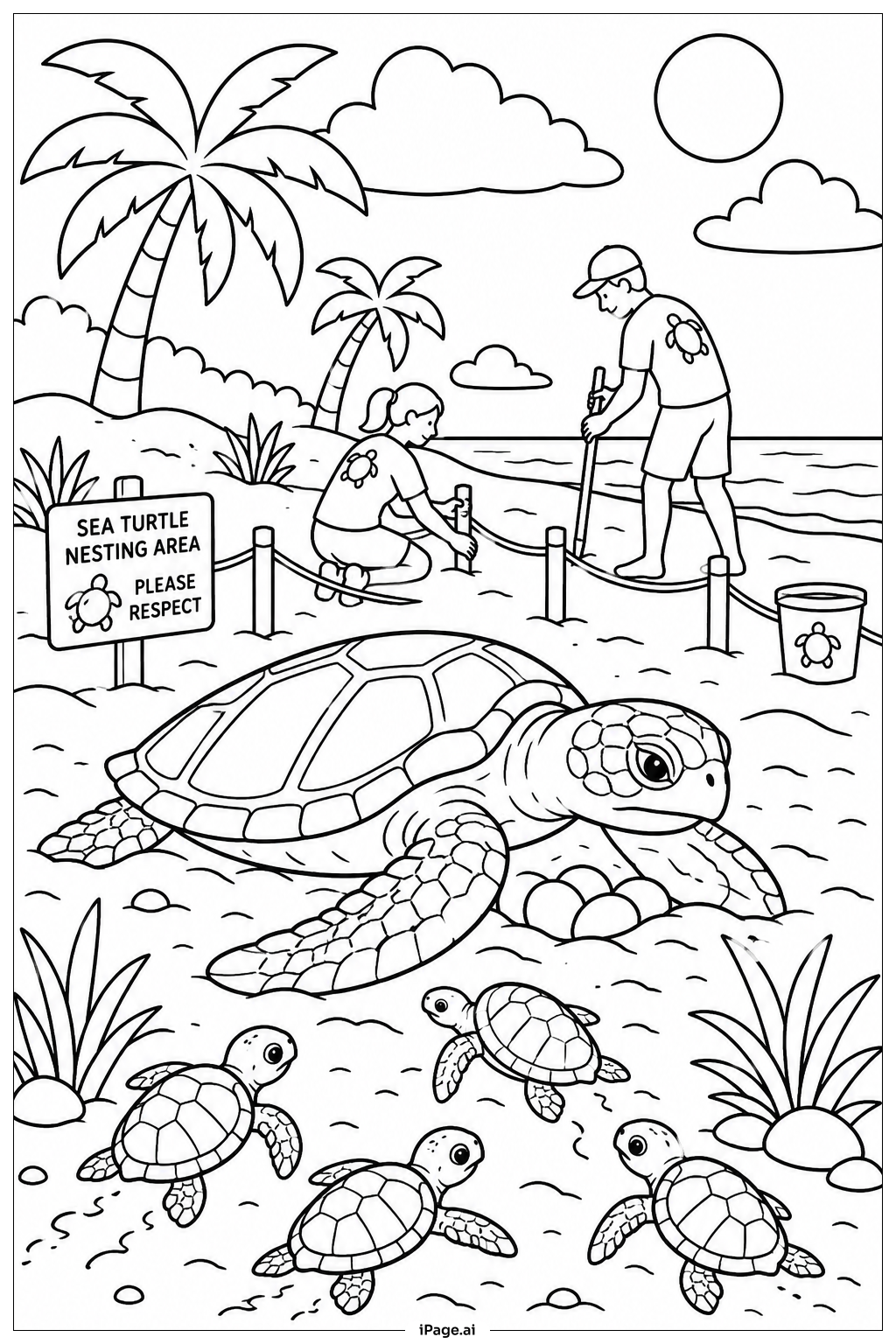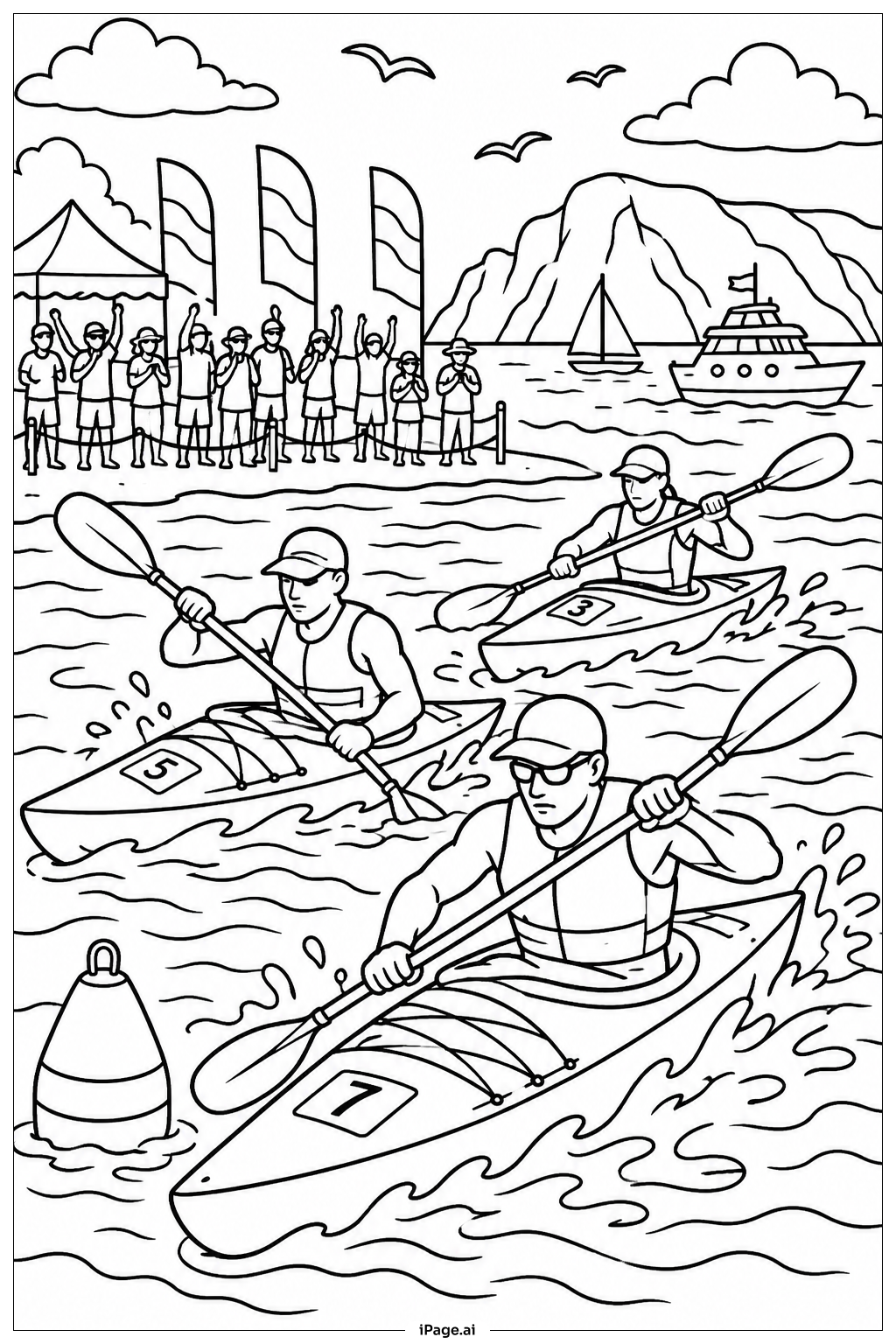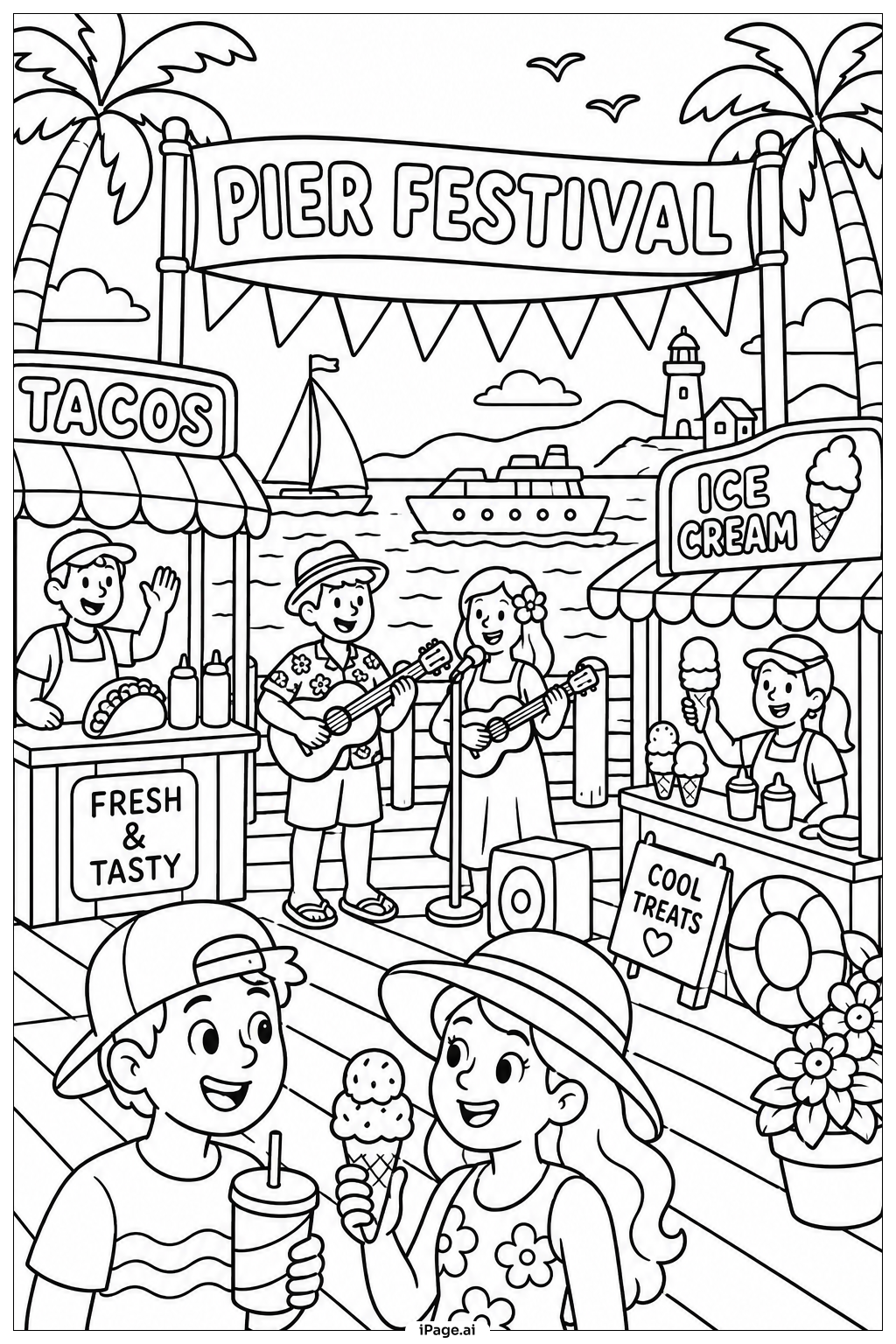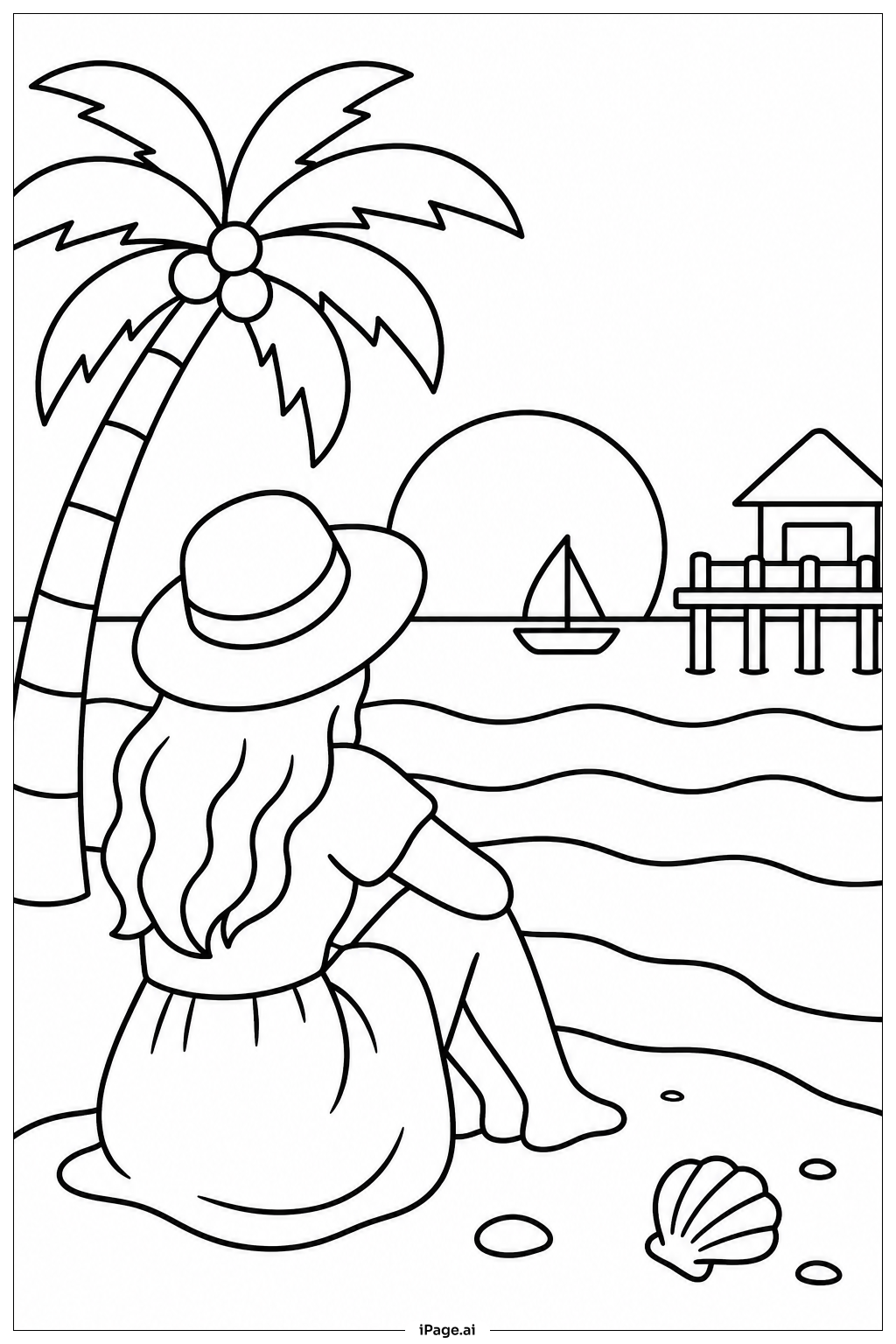
Coloring tips: How to color Beach Sunset View coloring page well?
Start with the sky. Use warm shades like orange, pink, red, and purple near the sun. Blend them softly as you move higher up, shifting into light blue and then deeper blue at the top. For the sun itself, use bright yellow or golden orange. Color the ocean water in layers too. Near the horizon, use warm orange and pink to reflect the sky. Closer to the shore, shift to blue and teal. Add white for the foam on the waves. The sandy beach looks great in tan, light brown, or golden yellow. Use darker brown for wet sand near the water. Color the palm tree trunks in medium brown and the leaves in green. Try mixing yellow-green and dark green for a natural look. Seashells can be white, pink, cream, or soft purple. Seagulls look clean in light gray or white. Take your time blending colors in the sky and water. That is where the magic of this sunset scene really comes alive.
Coloring challenges: Which parts are difficult to color and need attention for Beach Sunset View coloring page?
• Sky Gradient Blending: The sky in a sunset scene contains many colors at once, including orange, pink, red, purple, and blue. Blending these smoothly without creating harsh lines is one of the hardest parts. Children and beginners may find it tricky to transition from one color to the next. Using light pressure and layering colors slowly can help achieve a softer, more natural look.
• Water Reflections: The surface of the ocean reflects the colors of the sky, which means the water cannot simply be colored solid blue. You need to use warm tones near the horizon and cooler tones closer to the shore. Capturing this shift while also suggesting movement and waves takes patience and practice.
• Wave Details and Foam: Waves have curved, flowing shapes with white foam at their edges. Leaving the foam areas uncolored or using very light strokes to suggest white and pale blue requires good control. Going too dark in these areas can make the waves look flat and lose their sense of motion.
• Palm Tree Leaves: Palm fronds have long, narrow shapes that fan out from a central stem. Coloring each leaf individually while keeping variation in shading takes time and a steady hand. Using multiple shades of green adds depth, but staying within the fine lines can be challenging for younger colorists.
• Small Details on the Shore: Seashells, pebbles, and wet sand along the waterline include many tiny shapes close together. Coloring these small elements neatly without smudging nearby areas requires a fine-tipped tool and careful attention.
Benefits of coloring books: Advantages of drawing Beach Sunset View coloring page
Coloring a Beach Sunset View is a wonderfully calming activity for kids and adults alike. The soft, flowing shapes of waves and clouds encourage slow, mindful coloring that helps reduce stress and quiet a busy mind. Spending time with this scene can feel like a short mental vacation to the seaside.
For children, this image builds important skills. Choosing colors for the sky and ocean develops creative thinking and color awareness. Staying within the lines of small shells and wave details improves fine motor control and hand-eye coordination. Blending warm sunset colors teaches kids about color relationships in a natural, hands-on way.
This scene also sparks curiosity about the natural world. Children may ask questions about why sunsets look the way they do, how waves are formed, or what kinds of shells wash up on shore. That curiosity is a great starting point for learning.
For older kids and adults, the layered details of this image offer a satisfying creative challenge. Working through the sky, water, sand, and palm trees gives a real sense of accomplishment when the page is complete. The finished artwork makes a beautiful piece to display or share. Overall, coloring this beach scene is a joyful, rewarding, and relaxing experience for all ages.