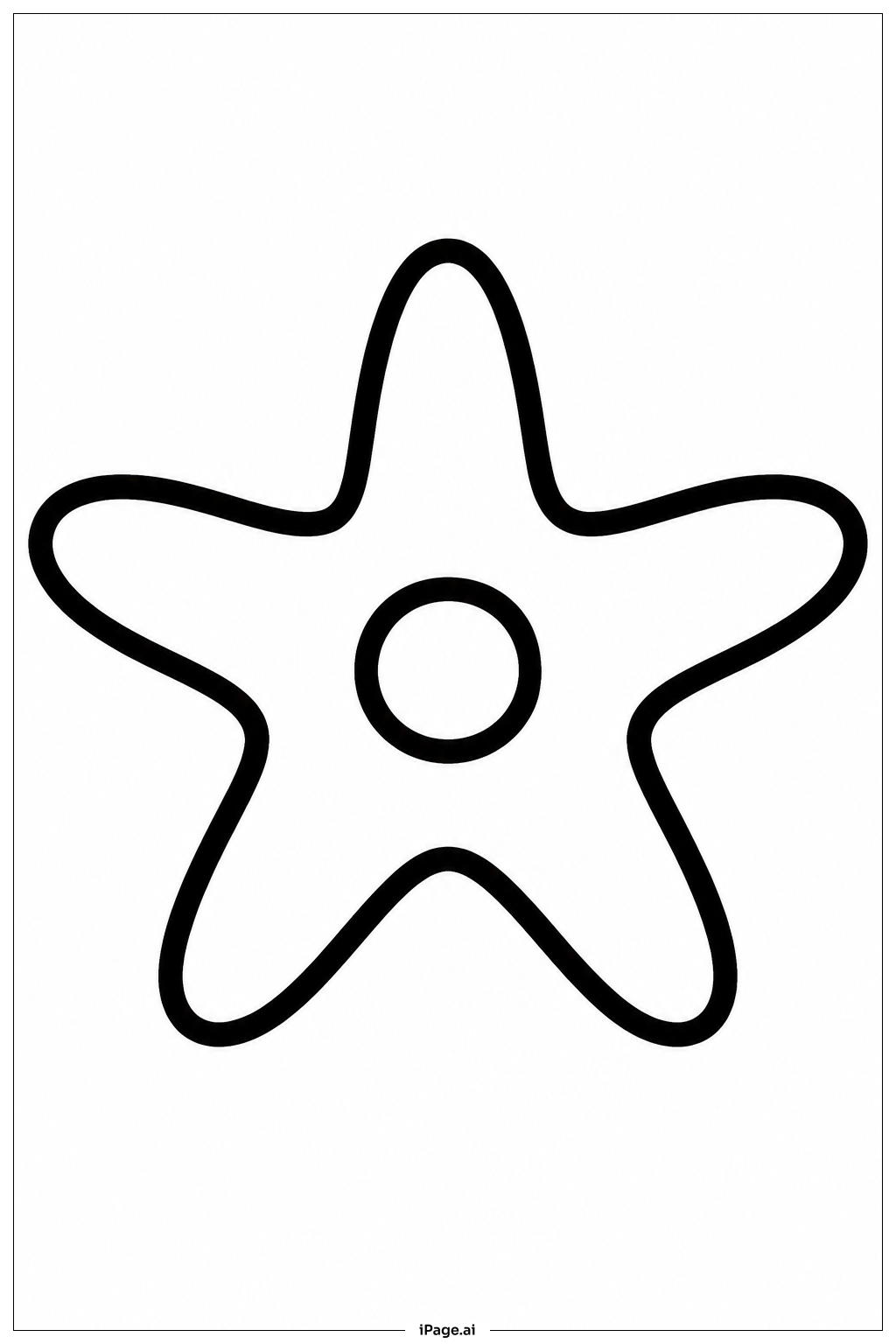
Coloring tips: How to color Beach Starfish coloring page well?
Start with the starfish itself. Use warm shades like orange, coral, red-orange, or golden yellow to bring it to life. You can add darker spots or dots in brown or deep red to show its bumpy texture. For the sandy beach, try light tan, beige, or soft gold. The ocean water looks great in shades of blue and turquoise. Use lighter blues near the shore and deeper blues farther out. The sky can be a soft sky blue, with white or pale yellow for the clouds and sun. For the seashells, try pink, peach, cream, or light purple. Little crabs can be bright red or orange. Use green or olive tones for the sea grass. Feel free to mix colors and create your own unique beach scene. There are no wrong choices — have fun and let your imagination guide you!
Coloring challenges: Which parts are difficult to color and need attention for Beach Starfish coloring page?
• Starfish Texture Details: The starfish body is covered in small bumps, dots, and ridged patterns across all five arms. Coloring these tiny details neatly requires a fine-tipped coloring tool such as a colored pencil or thin marker. Rushing through this area can make the texture look flat or muddy, so take your time and work section by section.
• Blending Sandy Textures: The beach sand involves a mix of light and shadow to look realistic and three-dimensional. Achieving a natural sandy look means layering beige, tan, and light brown tones smoothly. For younger colorists, simply filling the area with one solid color works fine, but older children and teens may want to practice gentle blending techniques here.
• Small Decorative Elements: The seashells, pebbles, and tiny crabs scattered around the scene are small in size and close together. Staying within the lines of these small shapes can be tricky, especially for younger children. Using a sharp pencil or a fine-tip marker helps keep these details clean and colorful without bleeding into neighboring areas.
• Water and Wave Effects: The ocean waves and water ripples require careful color transitions to suggest movement and depth. Using at least two or three shades of blue and leaving some areas lighter or white can create a sparkling water effect. Flat, single-color water tends to look less dynamic, so experimenting with gradients adds a lot of visual interest.
• Balancing the Overall Color Palette: With so many different elements in the scene — starfish, sand, water, sky, shells, and sea grass — keeping the colors balanced and harmonious is a genuine challenge. Choosing colors that complement each other, rather than using every bright color at once, helps the finished page look cohesive and beautiful.
Benefits of coloring books: Advantages of drawing Beach Starfish coloring page
Coloring this Beach Starfish page offers a wonderful range of benefits for children of all ages. First, it helps build fine motor skills. Carefully coloring the small textures on the starfish and the tiny shells trains little hands to control a pencil or marker with precision, which also supports handwriting development. Second, it encourages creativity. Choosing colors for the ocean, sand, and sea creatures lets kids express themselves freely and build confidence in their own artistic choices. There is no single right answer, which makes the activity feel fun and low-pressure. Third, it teaches focus and patience. Working through the detailed bumpy patterns on the starfish and the layered wave effects requires sustained attention, helping children practice staying on task. Fourth, it sparks curiosity about the natural world. The beach setting introduces elements like starfish, seashells, crabs, and sea grass, which can prompt questions about ocean life and lead to fun learning conversations. Finally, coloring is simply relaxing. It gives kids a calming, screen-free activity that reduces stress and provides a satisfying sense of accomplishment when the page is complete. This image is a great choice for a rainy day, a classroom activity, or a quiet afternoon at home.