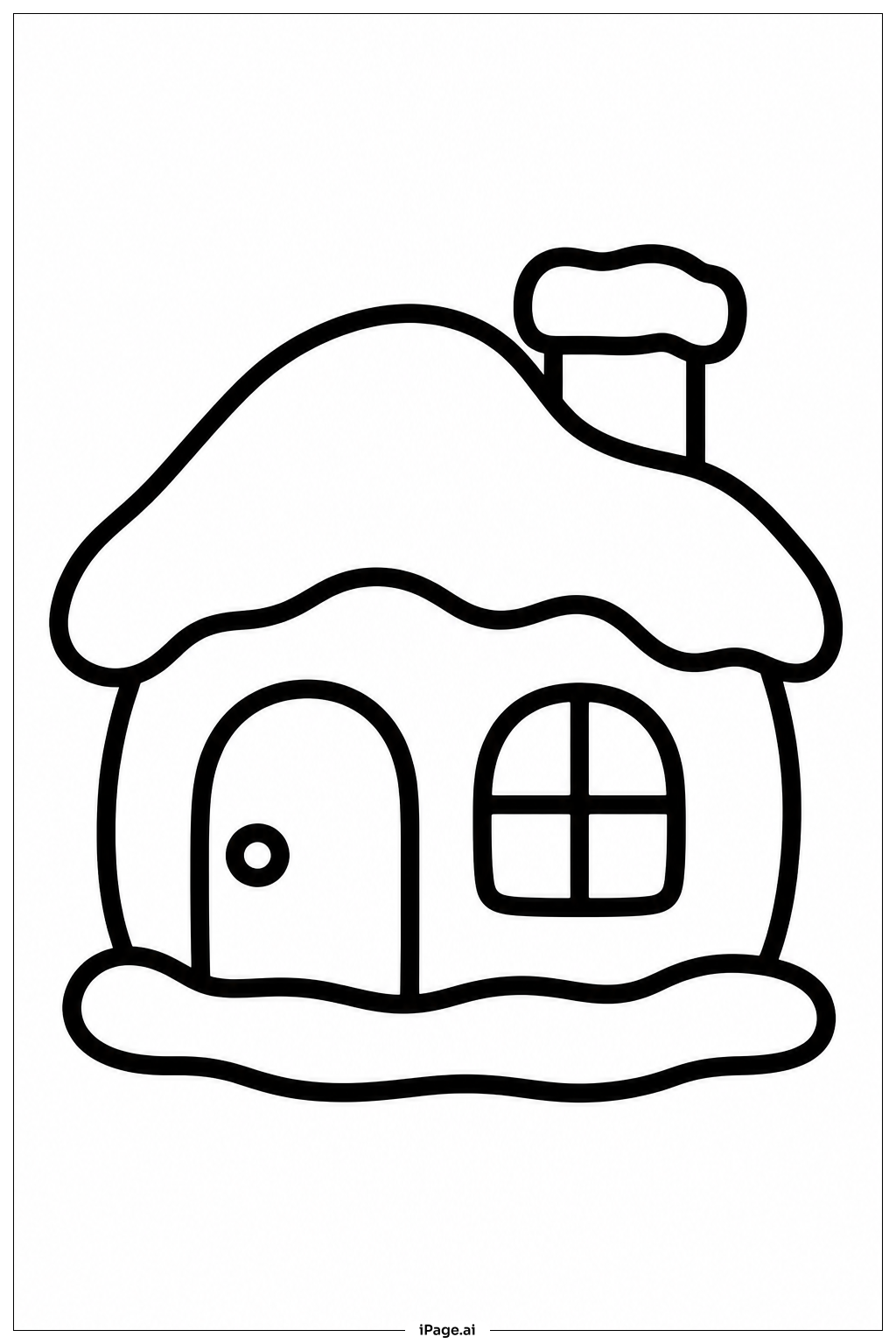
Coloring tips: How to color Snow House coloring page well?
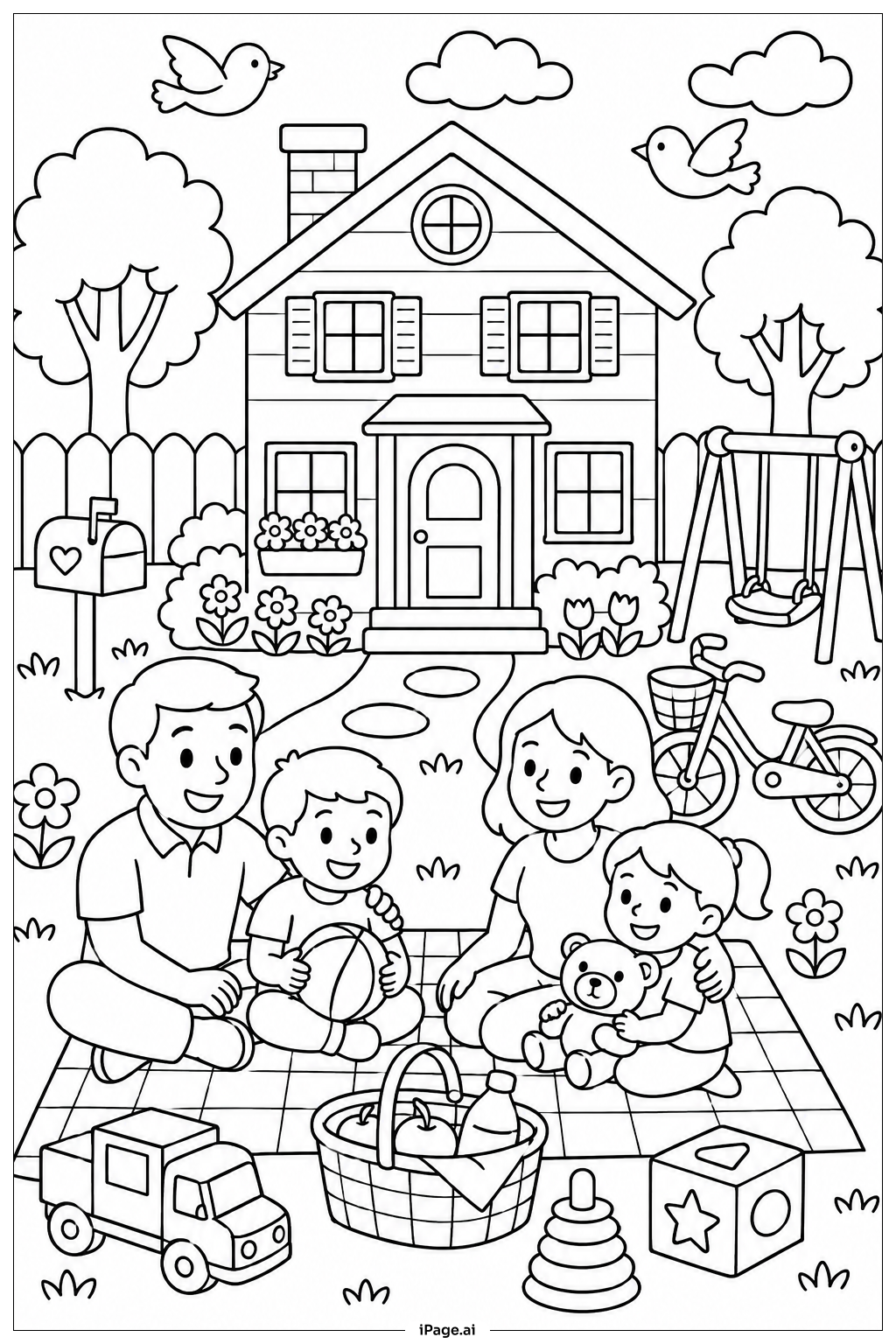
Start with the sky, using light blue or pale lavender to set a cool winter mood. Leave the snowflakes and snow piles white or add the lightest touch of icy blue for depth. For the house walls, try warm cream, tan, or light yellow to contrast with the cold surroundings. Color the roof a deep red or slate gray before adding the white snow layer on top. Use brown or dark gray for the chimney bricks, with a soft orange-yellow glow for the smoke. Paint the front door a welcoming red or forest green. The evergreen tree looks great in deep green with white snow on its branches. For bushes, use muted olive or sage green. The window frames can be white or light gray, with a warm golden glow inside to suggest a cozy interior. Icicles work best in pale blue or silver. Use a light gray or tan for the stone pathway, and keep the snowy ground mostly white with subtle blue shadows to add a sense of depth and cold.
Coloring challenges: Which parts are difficult to color and need attention for Snow House coloring page?
• Snow Texture and Layering: One of the trickiest parts is making the snow look soft and three-dimensional without using white paint. You need to rely on very light blue or gray shading in the shadows while leaving the top surfaces white. Blending smoothly in these areas takes patience and a gentle hand.
• Icicles Along the Eaves: Icicles are thin, tapered, and transparent-looking. Coloring them requires careful control of your pencil or brush. Using pale blue with white highlights on the edges helps, but staying inside the fine lines without smudging is challenging, especially for younger children.
• Brick and Chimney Details: The chimney is made up of small individual bricks. Each brick may need a slightly different shade of brown, red, or gray to look realistic. Keeping each brick neatly colored without bleeding into the mortar lines requires focus and a fine-tipped coloring tool.
• Window Glow Effect: Creating a warm, glowing effect inside the windows while keeping the frames cool and crisp is a contrast challenge. You need to blend yellow and orange near the center of the glass and let it fade outward, which can be difficult without blending tools.
• Snow-Covered Tree and Bushes: The evergreen tree and bushes have layered branches with patches of snow resting on top. Switching between green for the branches and white or light blue for the snow in such a small, detailed area demands precision and color control to avoid muddy results.
Benefits of coloring books: Advantages of drawing Snow House coloring page
Coloring this Snow House page offers a wonderful range of benefits for children and beginners alike. Working through a detailed winter scene helps build focus and patience, as kids must pay attention to small areas like icicles, brickwork, and window frames. Choosing colors for a snowy landscape encourages creative thinking and teaches children about color contrast, such as pairing warm tones with cool ones to make a scene feel alive and balanced. The variety of textures in this image, from fluffy snow to rough bricks to smooth glass, gives young colorists a chance to practice different coloring techniques like blending, shading, and staying within fine lines. This kind of hands-on activity also supports fine motor skill development, as the detailed sections require careful, controlled movements. Beyond the technical benefits, coloring a cozy snow-covered house can be deeply calming and enjoyable. The peaceful winter theme invites imagination, prompting kids to dream up stories about who lives inside, what the warmth feels like, or what might happen in the snowy yard. It is a relaxing and rewarding creative experience that builds confidence with every completed section.