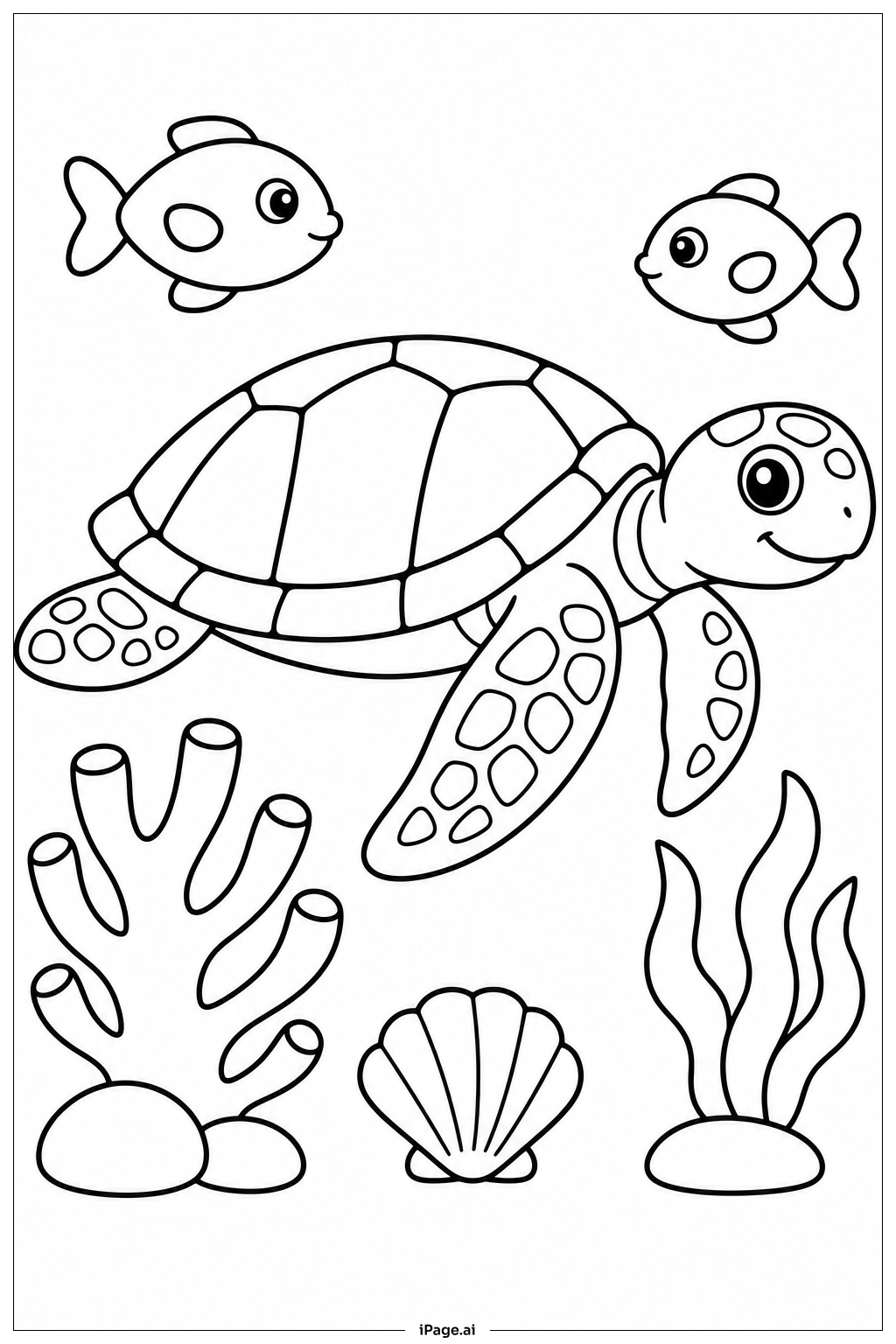
Coloring tips: How to color Sea Turtle Near Coral coloring page well?
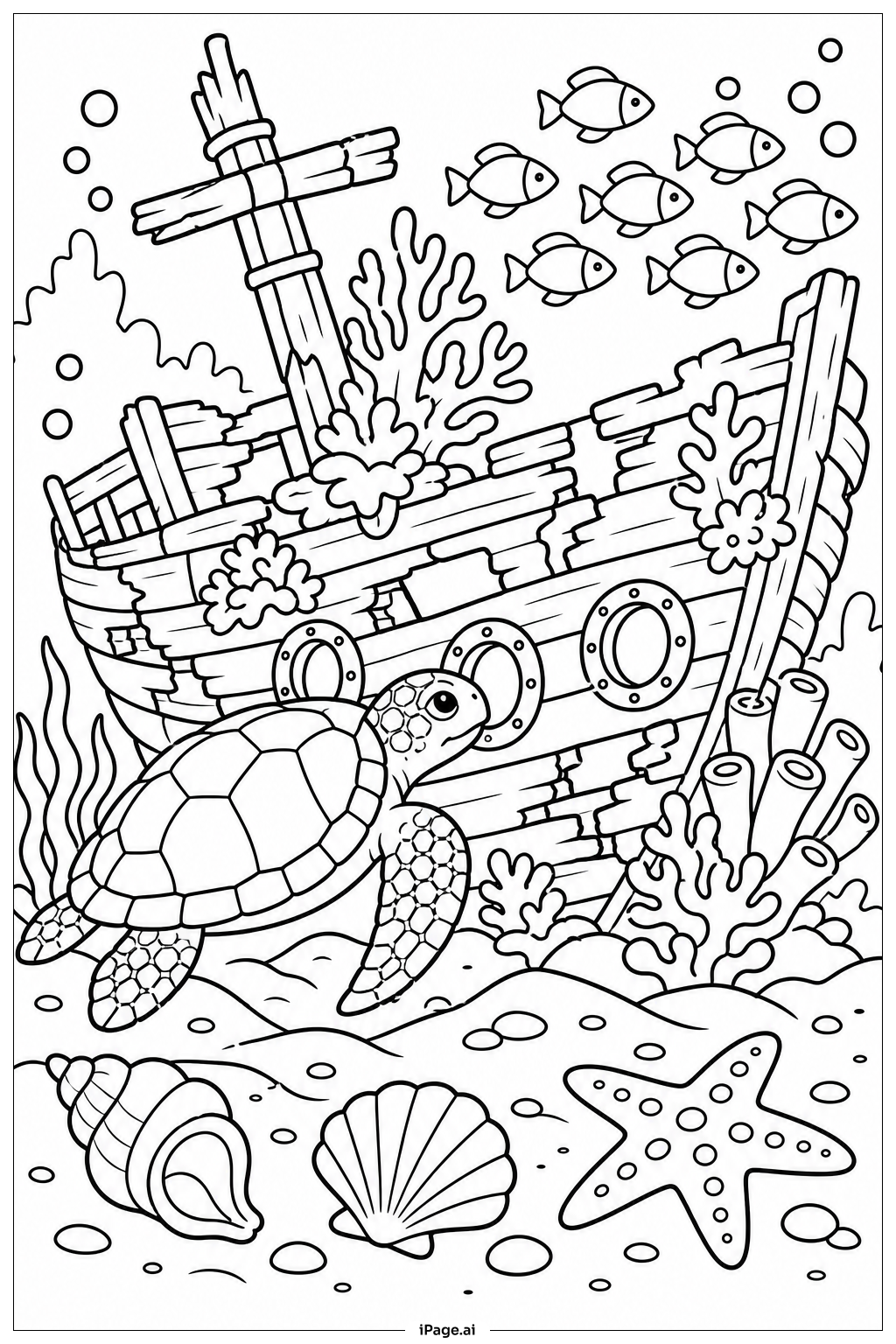
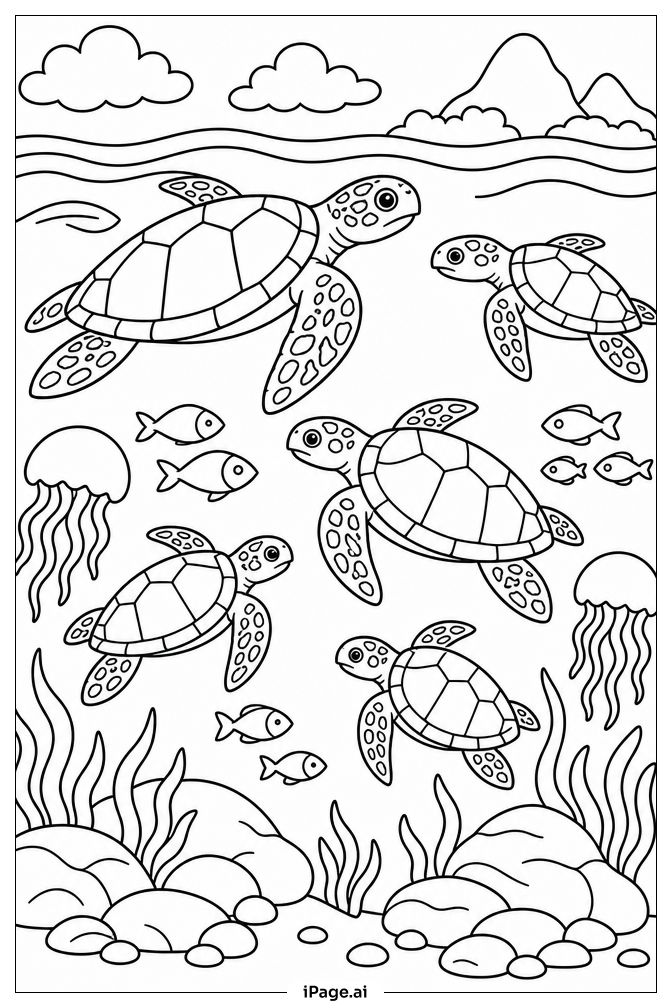
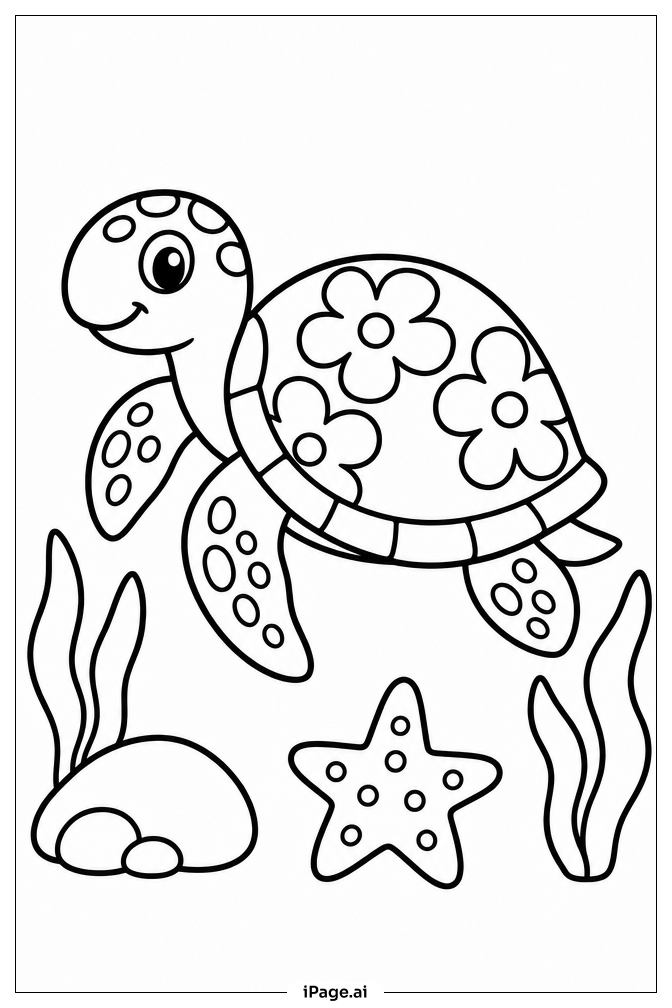
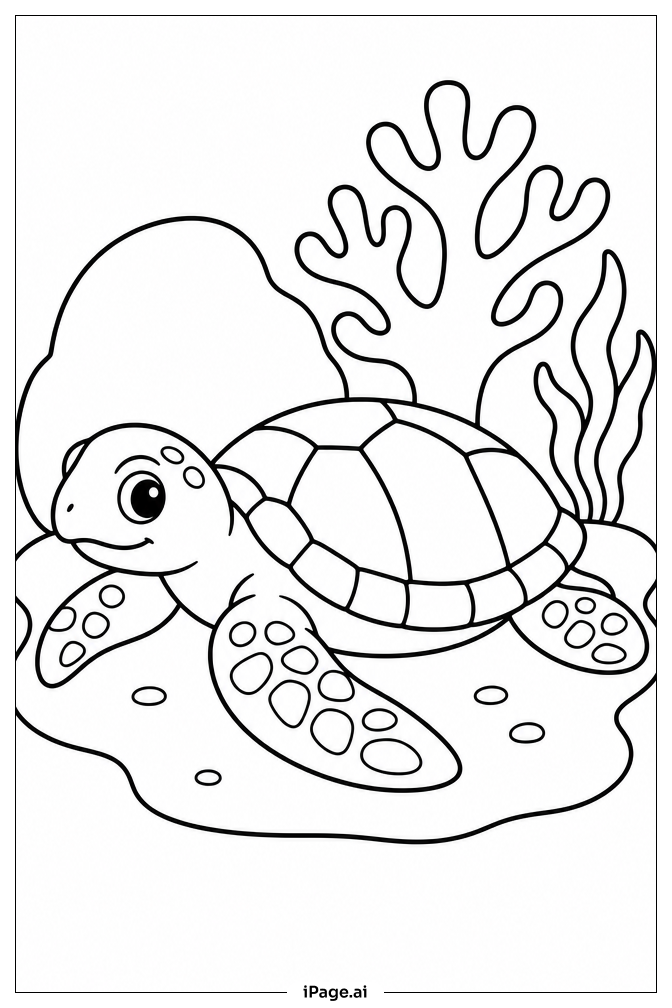
Start with the sea turtle's shell. Use shades of olive green, brown, and amber for a natural look. Add dark outlines between each shell section to make the pattern pop. For the turtle's skin, use a lighter green or gray-green tone. Mix in some yellow or tan on the underside for contrast. The coral reef is your chance to get creative! Coral can be bright pink, orange, red, or purple. Try using different colors for each coral branch to make the scene feel lively. For the ocean background, use light blue or turquoise. Add a slightly darker blue near the edges to create a sense of depth. Small fish can be colored in yellow, orange, or red to stand out against the water. Finish with light green or teal for any seaweed and sea plants. Take your time with the small details — they make the picture really come alive!
Coloring challenges: Which parts are difficult to color and need attention for Sea Turtle Near Coral coloring page?
• Shell Pattern Complexity: The sea turtle's shell is divided into many distinct sections, each filled with its own geometric or organic pattern. Staying inside the lines of each small segment requires a steady hand and careful attention. Using fine-tipped colored pencils or markers will help you fill in each section cleanly without bleeding into neighboring areas.
• Skin Texture and Scale Details: The turtle's head, neck, and flippers are covered in tiny overlapping scales. Coloring each scale individually takes patience. To save time, try using a base color first and then adding darker shading on the edges of each scale to create a realistic, three-dimensional effect.
• Coral Reef Variety: The coral formations around the turtle come in many different shapes and sizes. Choosing colors that look natural together while still keeping each coral structure visually distinct is a challenge. Plan your color choices before you start to avoid two touching pieces ending up the same color.
• Depth and Layering in the Background: Creating a sense of underwater depth means the background should feel like it recedes into the distance. This requires blending multiple shades of blue and green smoothly. Blending can be tricky, especially with crayons or markers that do not mix as easily as colored pencils.
• Small Decorative Elements: Tiny fish, sea plants, and bubbles scattered throughout the scene are easy to overlook but important for a finished look. These small elements require precision and a light touch to color neatly without overpowering the main subject.
Benefits of coloring books: Advantages of drawing Sea Turtle Near Coral coloring page
Coloring Sea Turtle Near Coral is a wonderful activity for both kids and Adults. It offers a wide range of benefits that go beyond just having fun. Working through the turtle's detailed shell patterns helps build focus and concentration. Staying inside small, intricate sections trains fine motor skills and hand control — skills that are useful in school and everyday life. The underwater setting sparks curiosity about ocean life and encourages children to learn more about sea turtles and coral reefs. Choosing colors for the reef and water encourages creative thinking and color awareness. For older children and Adults, the complexity of the design makes it a satisfying and meditative activity. Focusing on coloring can help reduce stress and quiet a busy mind. Completing a detailed page like this also builds a sense of accomplishment and boosts confidence. Sharing the finished artwork with family or friends adds a social and emotional dimension to the activity. Whether you use crayons, colored pencils, or markers, this page offers a rich and rewarding coloring experience for all ages and skill levels.