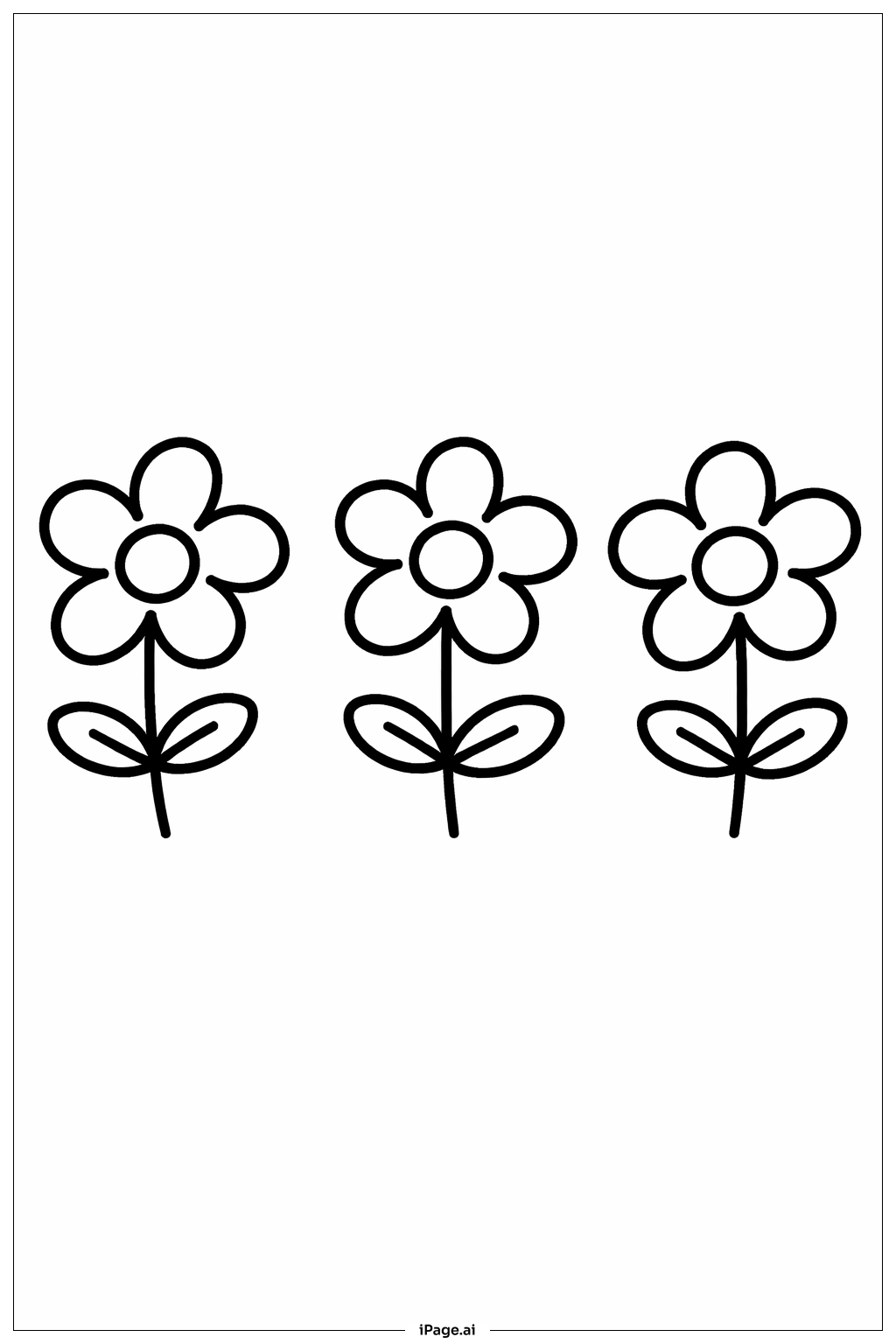
Coloring tips: How to color Little Garden Flowers coloring page well?
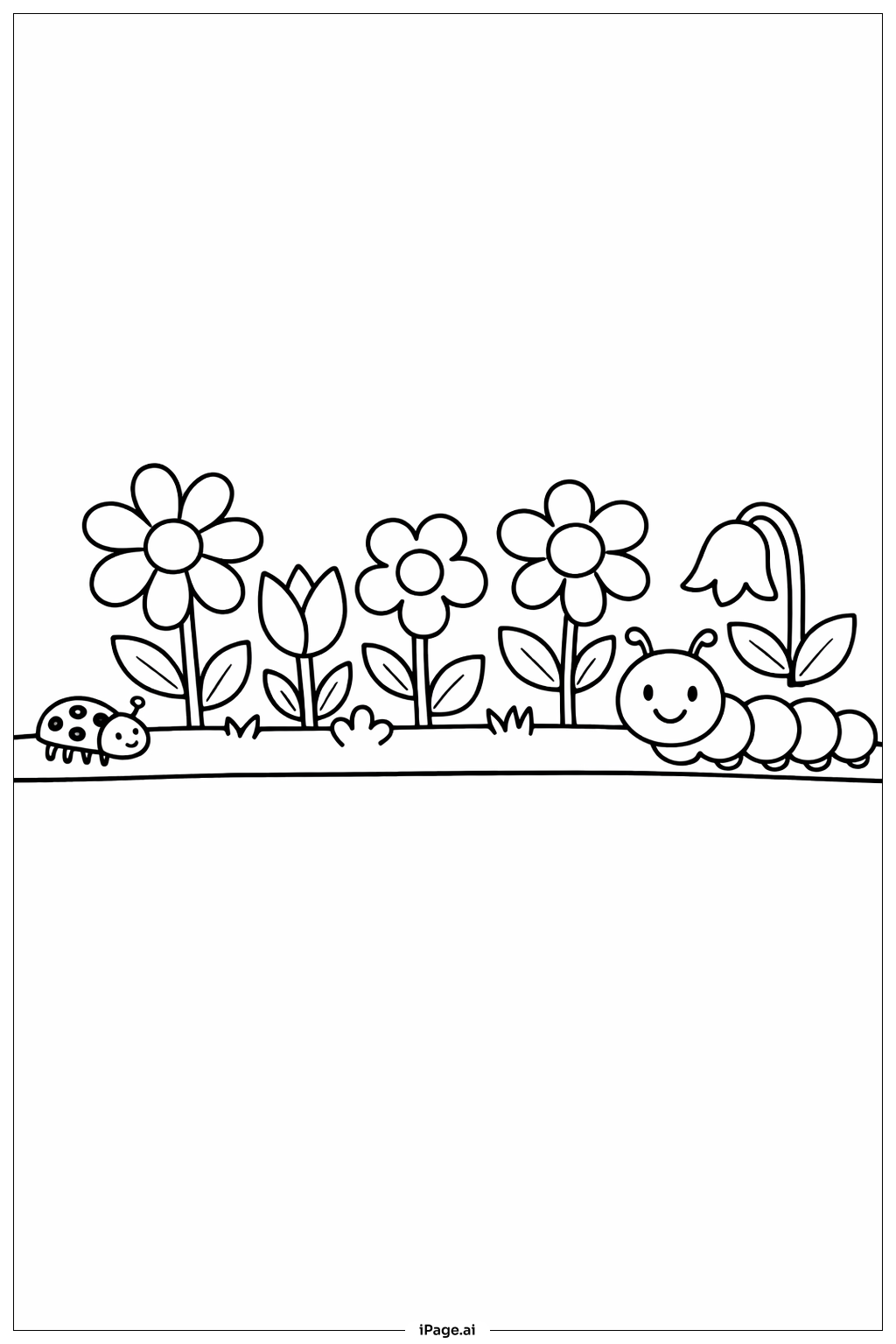
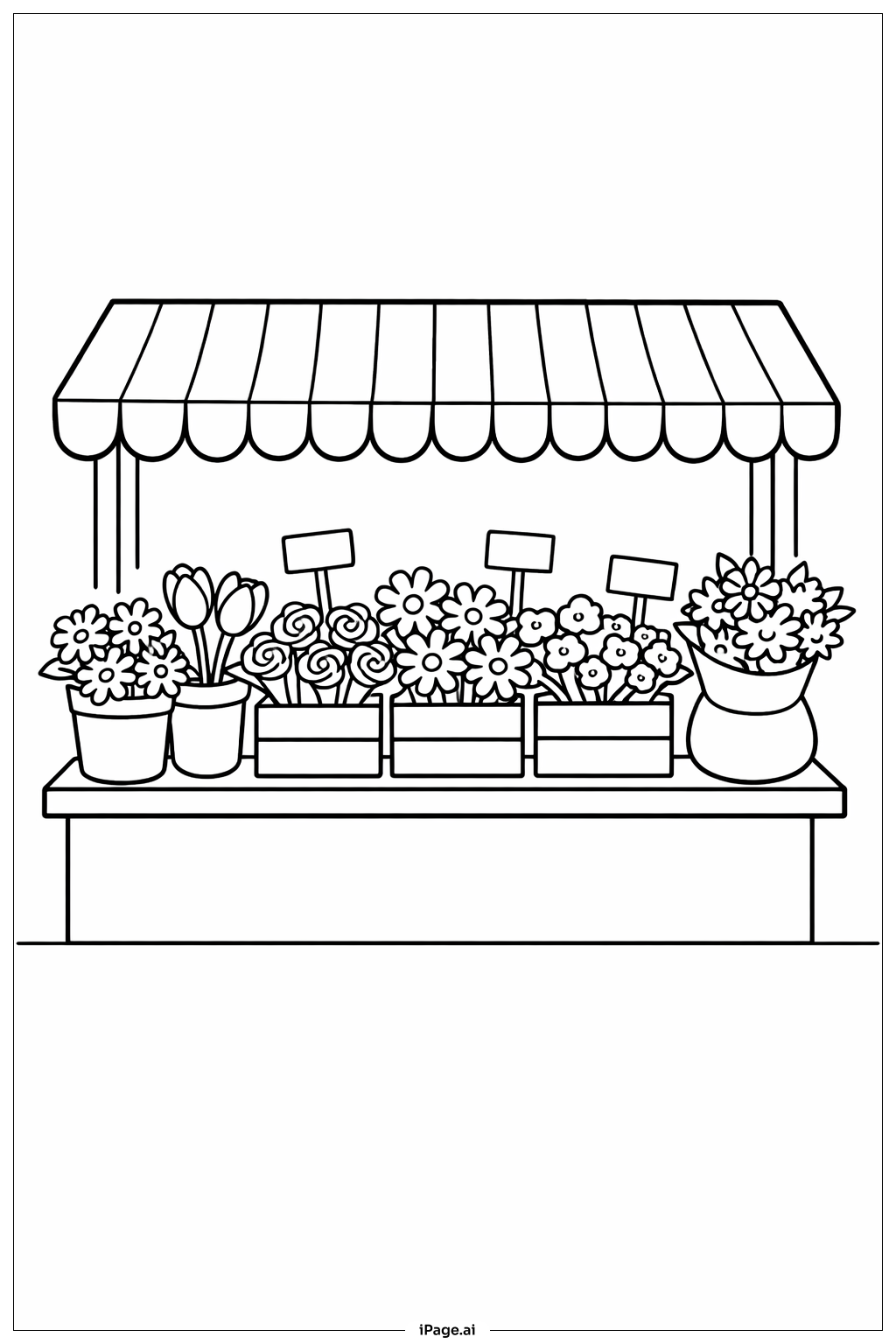
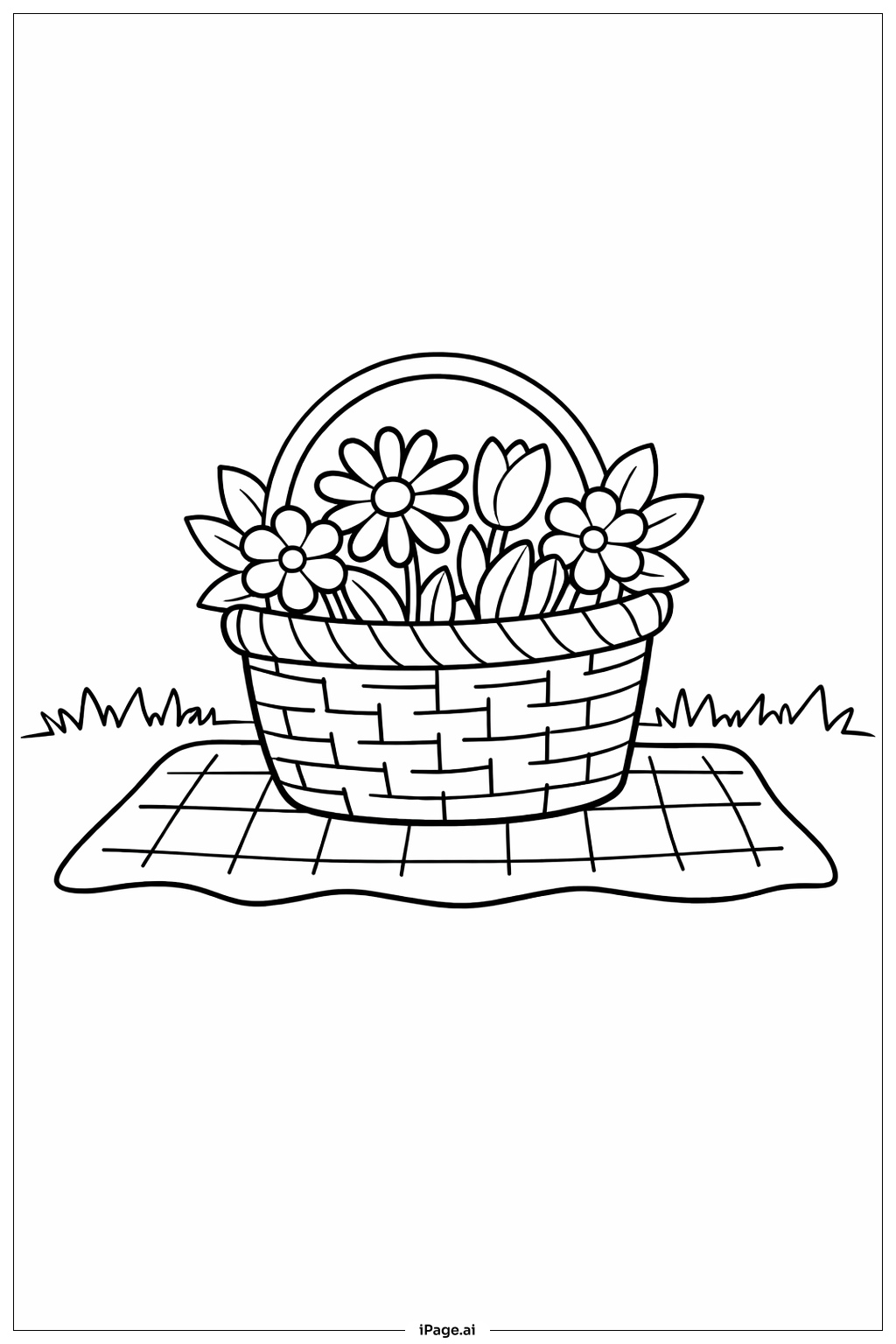
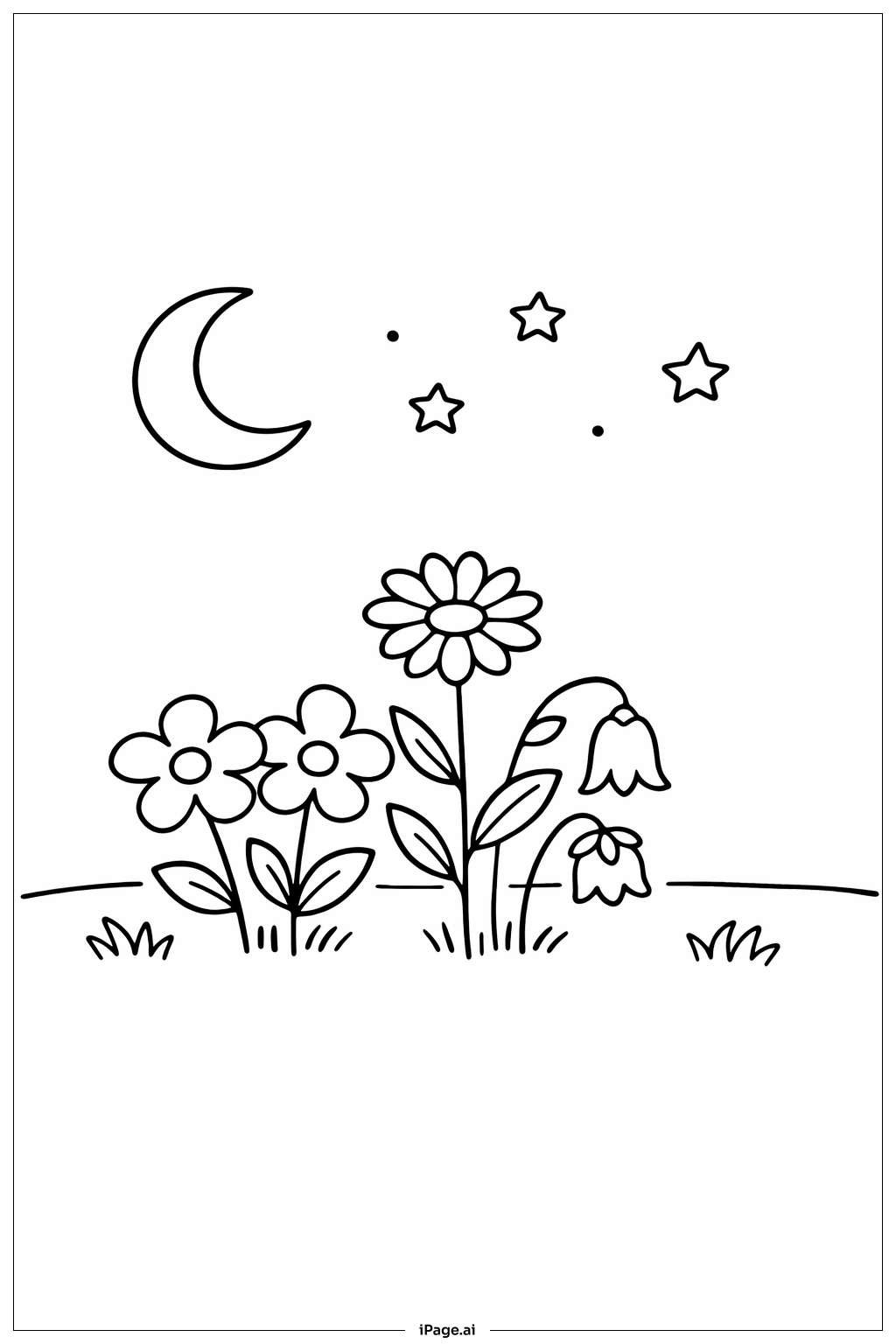
For coloring these flowers, you can choose bright and cheerful colors like red, yellow, pink, or purple for the petals. The centers of the flowers can be colored in a contrasting color such as yellow or orange to make them stand out. The stems and leaves should be green, but don’t hesitate to use different shades of green to add more interest. Use crayons, markers, or colored pencils for smooth and even colors. You can also try blending colors gently within the petals or leaves for a soft and natural look. Take your time to stay inside the lines, and feel free to add your own creative touches like dots or stripes on the petals.
Coloring challenges: Which parts are difficult to color and need attention for Little Garden Flowers coloring page?
1. Staying inside the lines can be tricky for young children, especially because the flowers are close together and small leaves are included. 2. Choosing different colors that look good together might be difficult for some kids, as it needs some understanding of color combinations. 3. Coloring the small leaf details evenly without overlapping the lines requires patience and good control. 4. Creating smooth blending or shading in limited space can be hard for beginners. 5. Making each flower look unique by varying colors or shading requires creativity and attention to detail, which can be a challenge for some children.
Benefits of coloring books: Advantages of drawing Little Garden Flowers coloring page
Coloring this page helps children develop fine motor skills by practicing careful hand movements. It encourages creativity as kids select colors and decide how to decorate the flowers. This activity also improves attention to detail and focus since staying inside the lines takes concentration. Furthermore, coloring flowers can be relaxing and fun, promoting emotional expression and reducing stress. It also helps children learn about nature and garden flowers in a playful way.