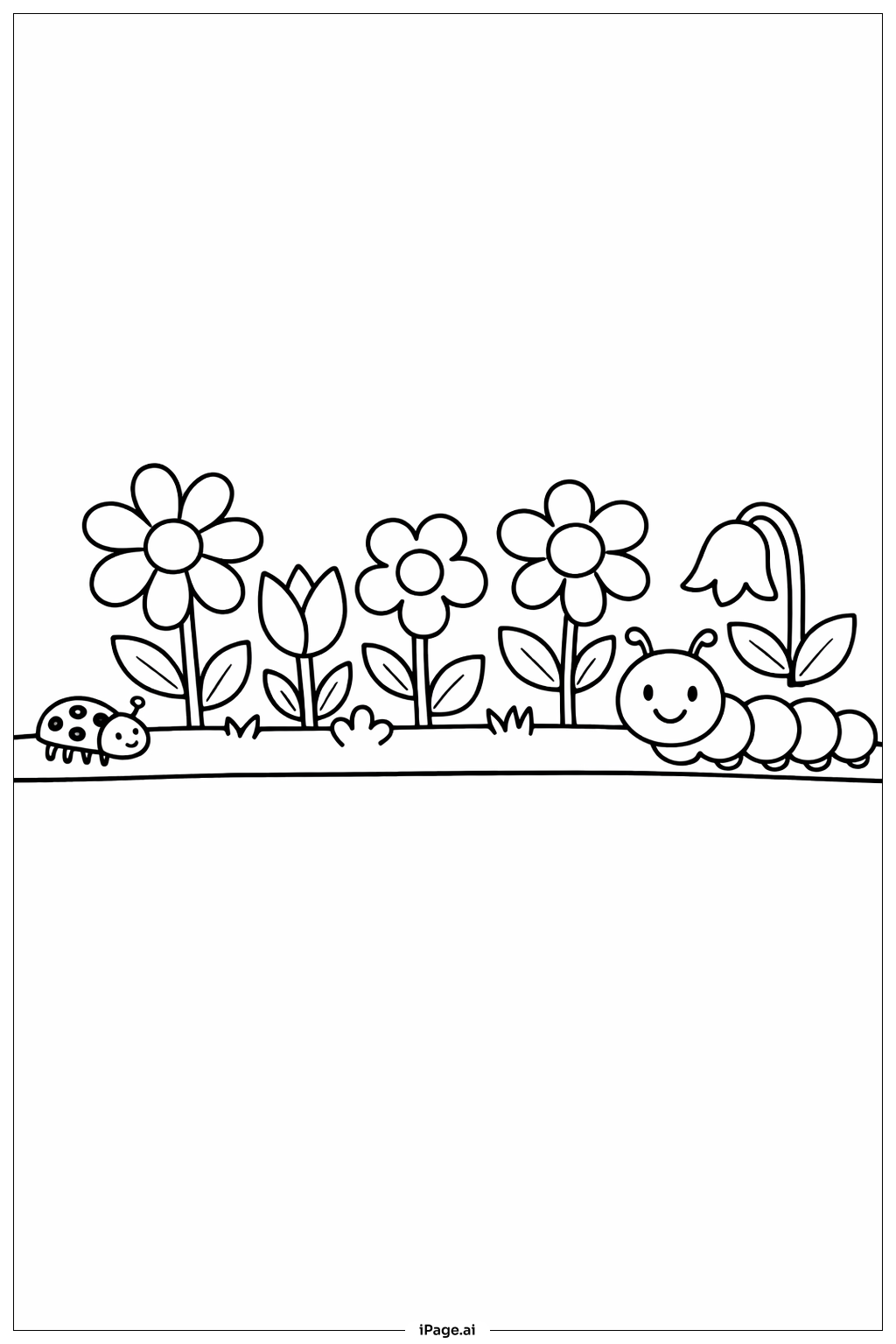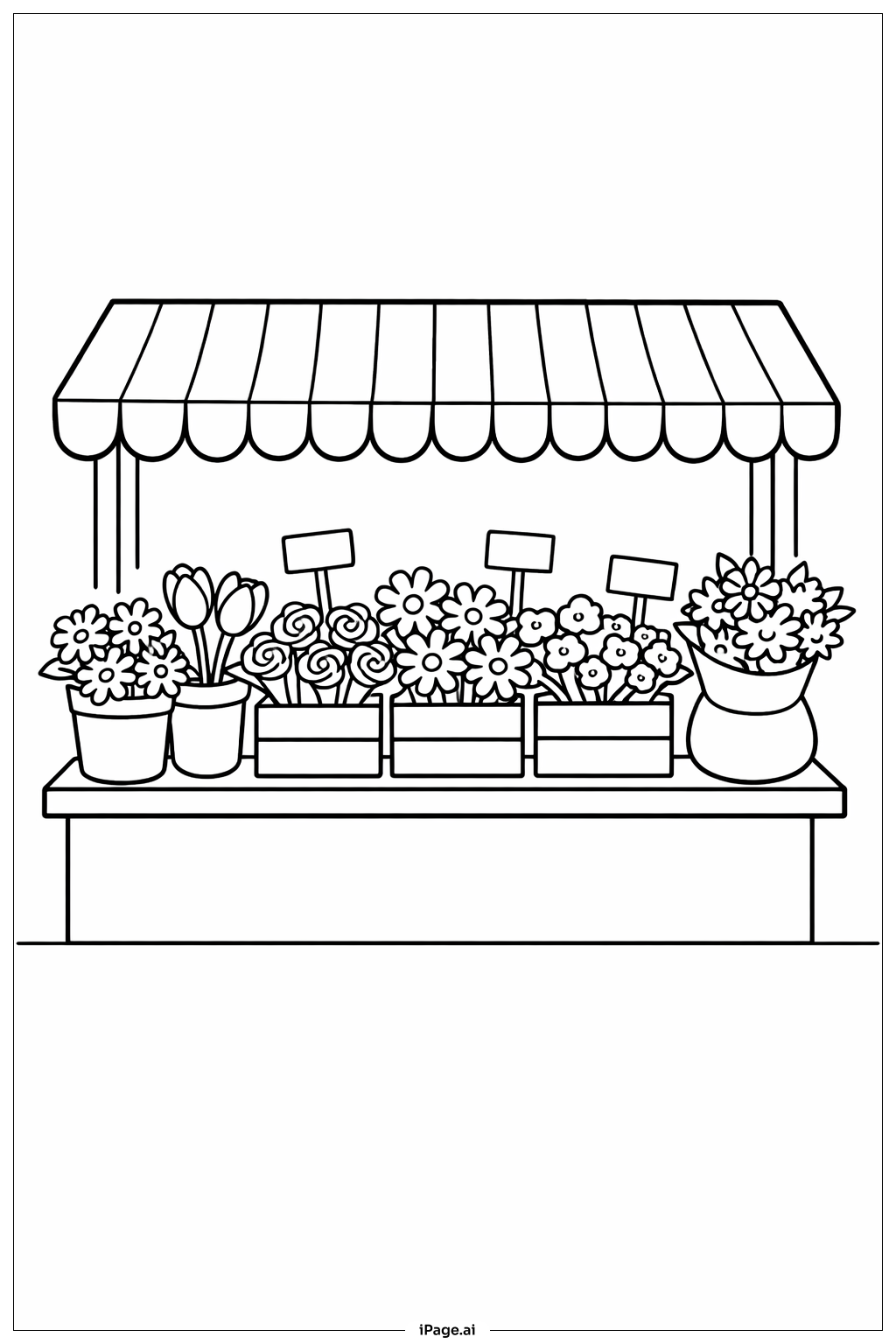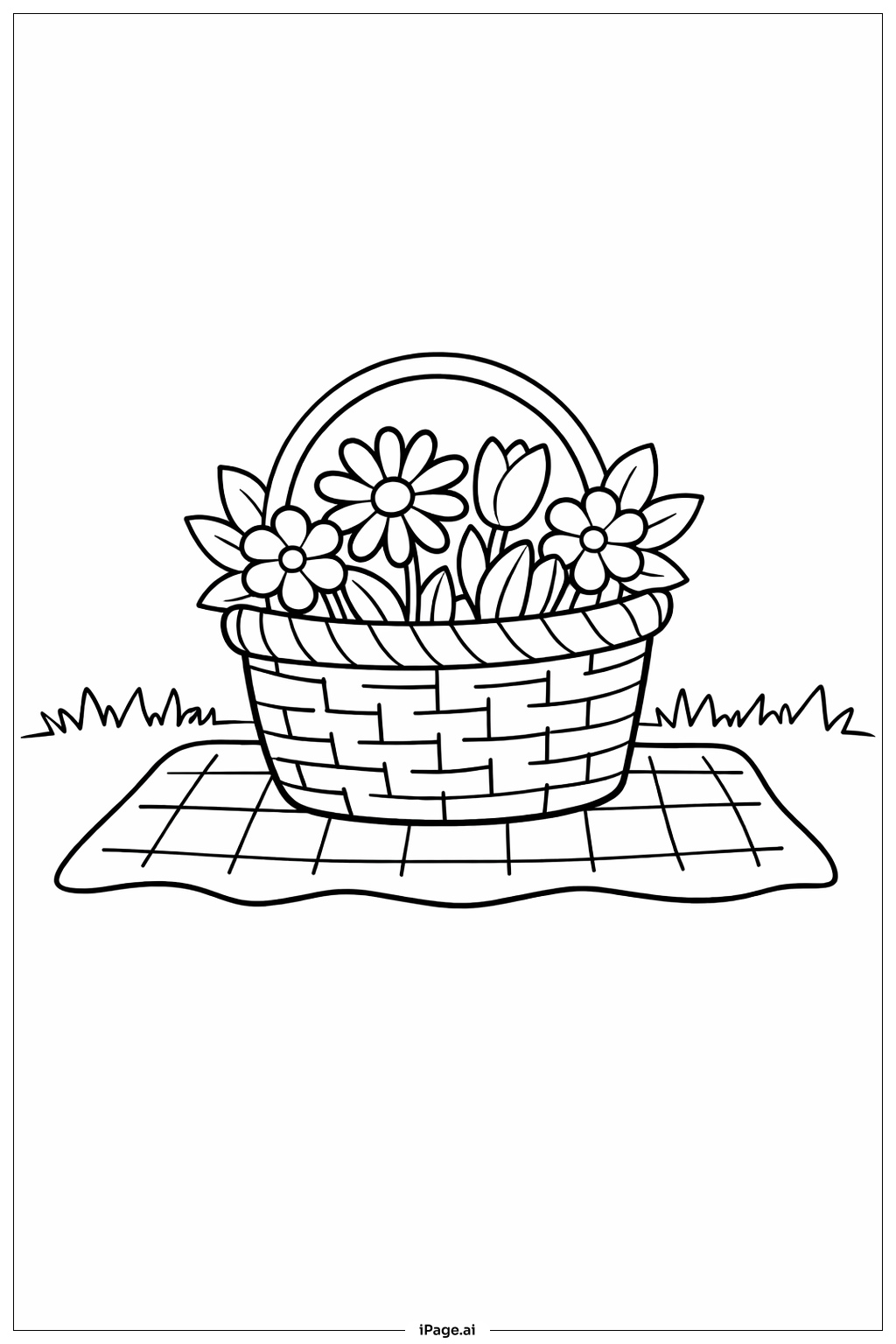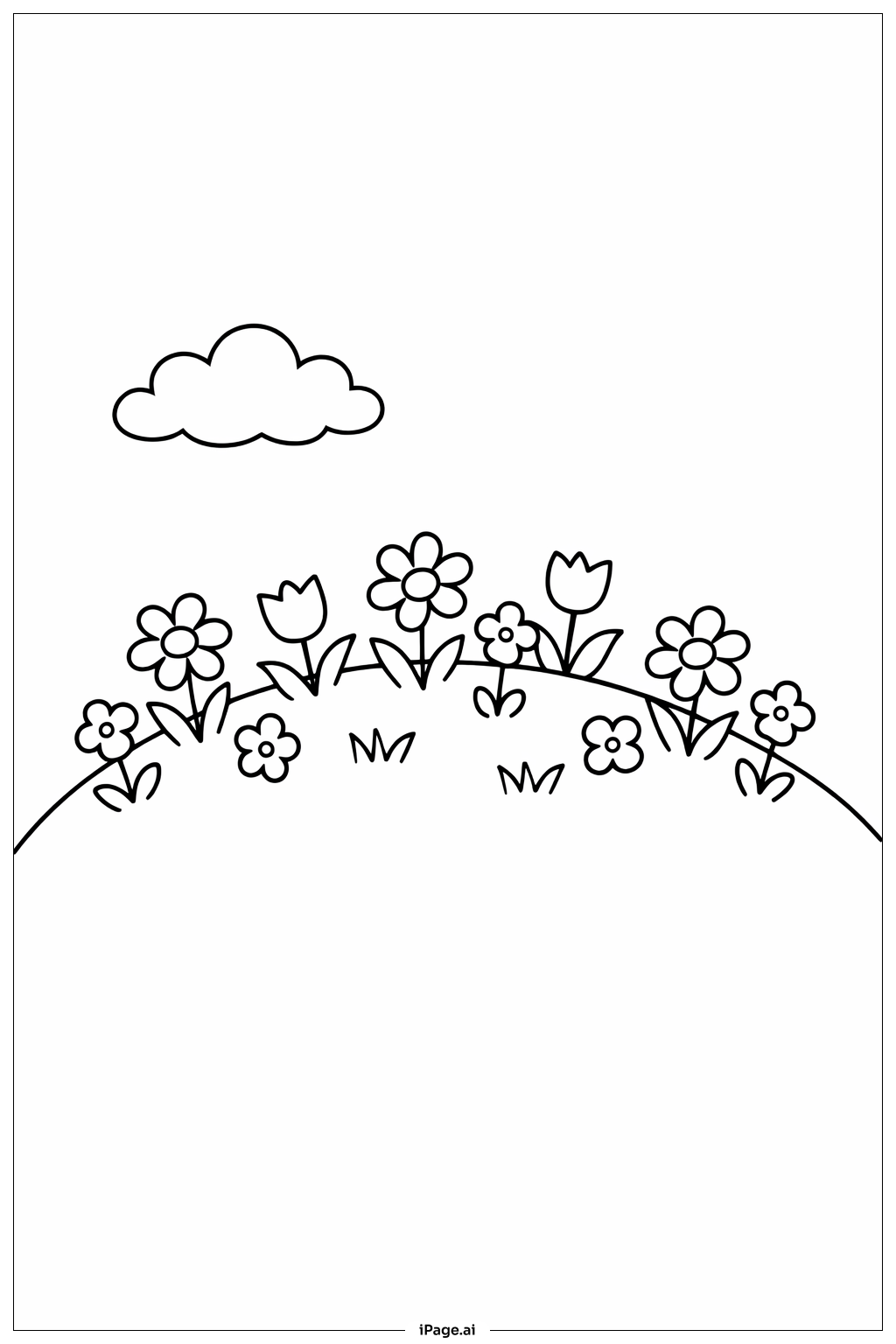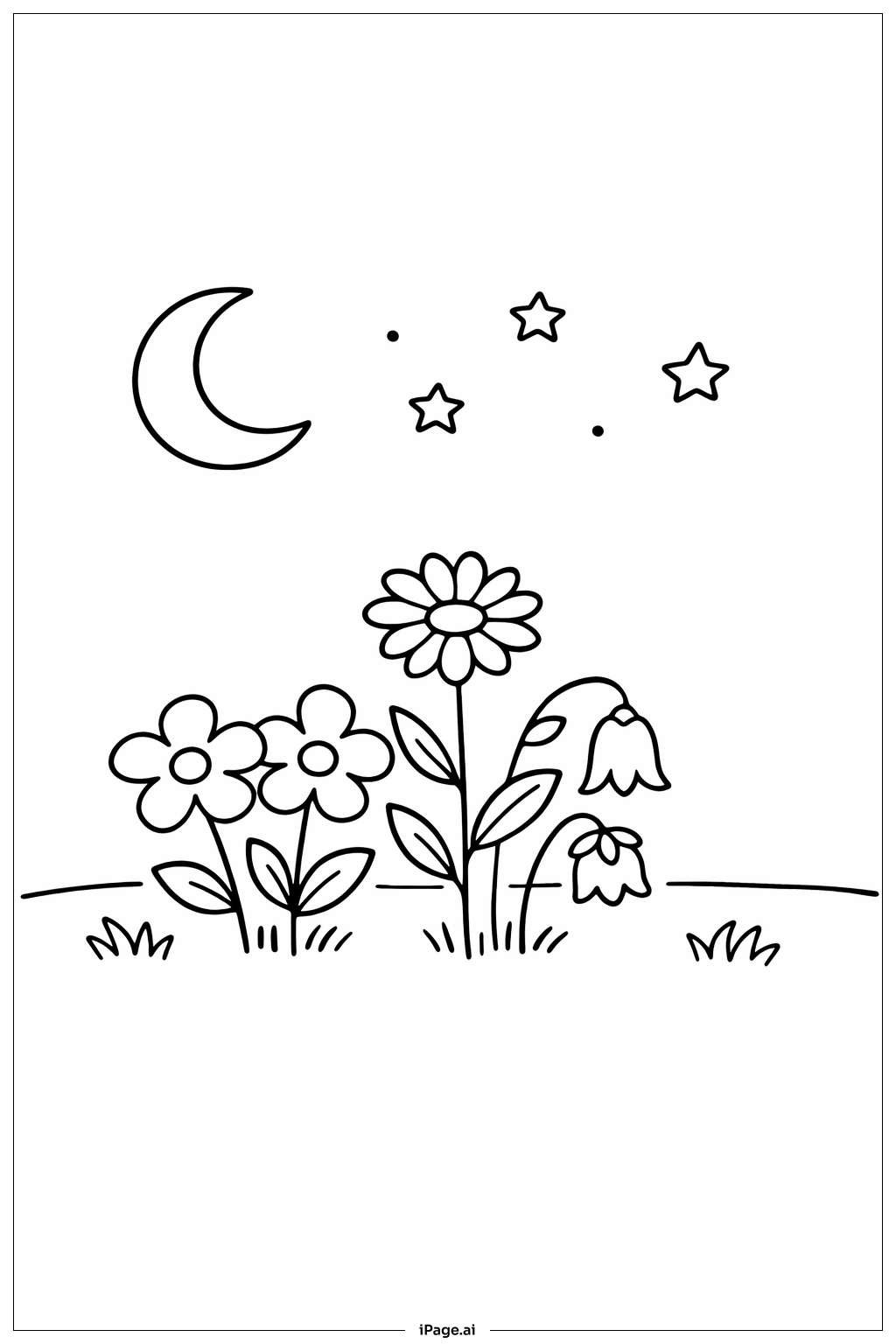
Coloring tips: How to color Moonlight Flowers coloring page well?
For this nighttime garden scene, consider using cool color palettes to capture the moonlit atmosphere. Try soft purples, blues, and silvery whites for the flowers to reflect the moon's glow. You can use darker shades of blue or indigo for the background sky, gradually lightening near the moon. Add yellow or pale gold to the moon and stars for a warm contrast. For the flowers, experiment with color combinations like lavender and white, pale pink and silver, or deep blue and periwinkle. Use light blues and grays for shadows on petals and leaves to create depth. Consider leaving some areas white or very light to simulate moonlight hitting the flowers. Add touches of deeper purples or blues in shadowed areas to enhance the nighttime effect.
Coloring challenges: Which parts are difficult to color and need attention for Moonlight Flowers coloring page?
• Intricate Petal Details: The flowers feature many overlapping petals with fine lines and curves that require steady hand control and careful color blending. Children need to stay within small spaces while maintaining consistent pressure to avoid streaking. The delicate nature of the petals means young colorists must work slowly to preserve the elegant shape of each bloom.
• Moonlight Shading Effects: Creating the illusion of moonlight requires understanding light and shadow. Colorists must decide which areas catch the moon's glow and which fall into shadow. This involves using lighter tones on surfaces facing the moon and darker shades on the opposite sides, which can be challenging for younger children who are still developing spatial awareness.
• Background and Sky Gradients: Achieving a smooth transition from darker to lighter blues in the night sky demands blending techniques that many beginners find difficult. The area around the moon should gradually lighten, while the outer edges remain darker. This requires patience and possibly layering multiple colors to create a natural nighttime atmosphere.
• Small Detailed Elements: The stars, stamens, and tiny leaves contain very small spaces that are difficult to color without going outside the lines. These elements require fine motor control and precision, which can be frustrating for younger children or those just beginning their coloring journey.
Benefits of coloring books: Advantages of drawing Moonlight Flowers coloring page
Coloring this moonlight garden scene offers wonderful benefits for children and adults alike. It helps develop fine motor skills and hand-eye coordination through the precise work required for detailed petals and small elements. The image encourages color theory exploration as colorists experiment with cool tones and create moonlight effects through shading. It promotes patience and focus, as completing the intricate details requires sustained attention and careful work. The calming nighttime theme can have a relaxing effect, making it perfect for stress relief and mindfulness. Children learn about nature, flowers, and celestial elements while expressing creativity. The challenge of creating depth through shading builds problem-solving skills and spatial awareness. This coloring page also inspires imagination about magical nighttime gardens and the beauty of nature after dark.