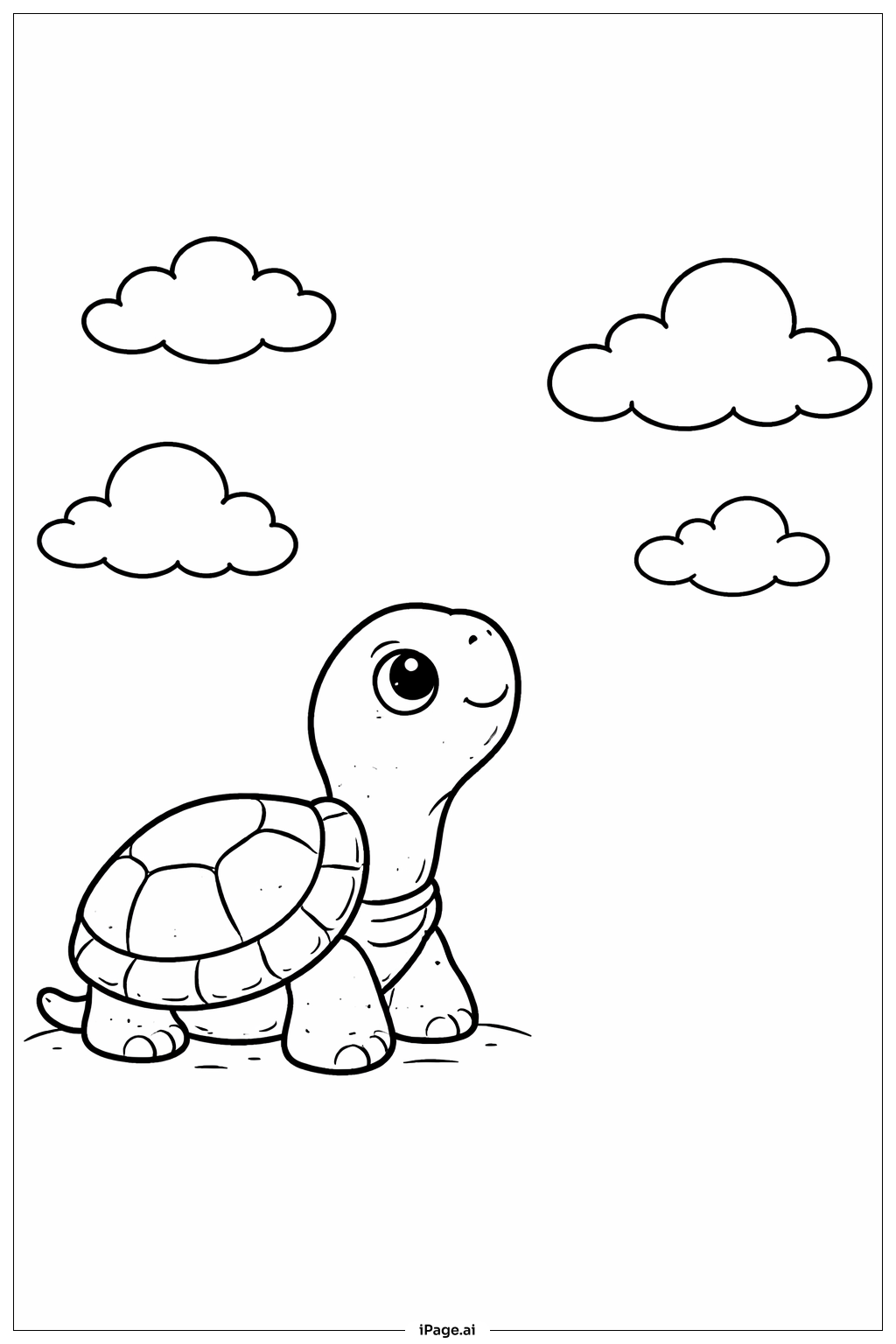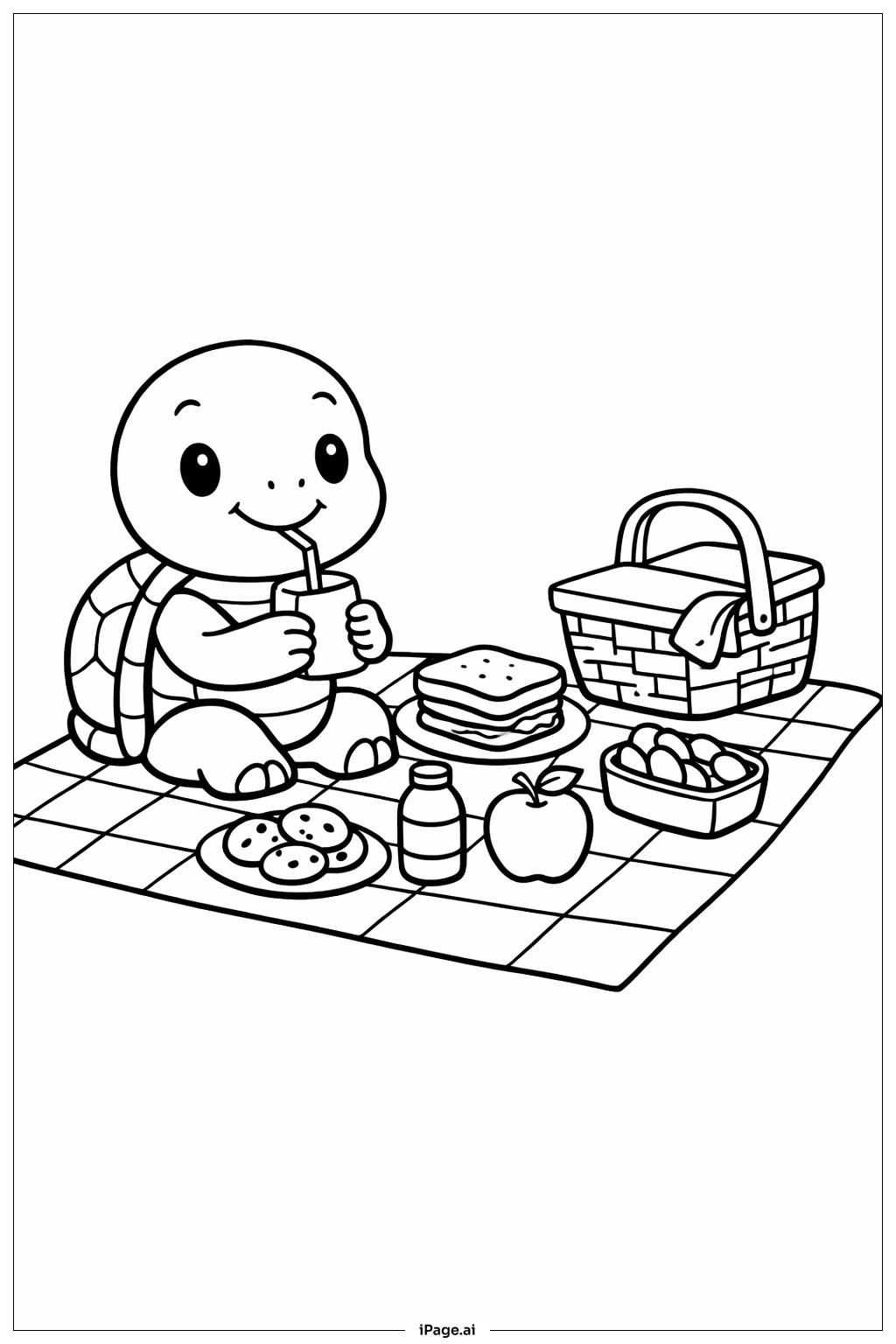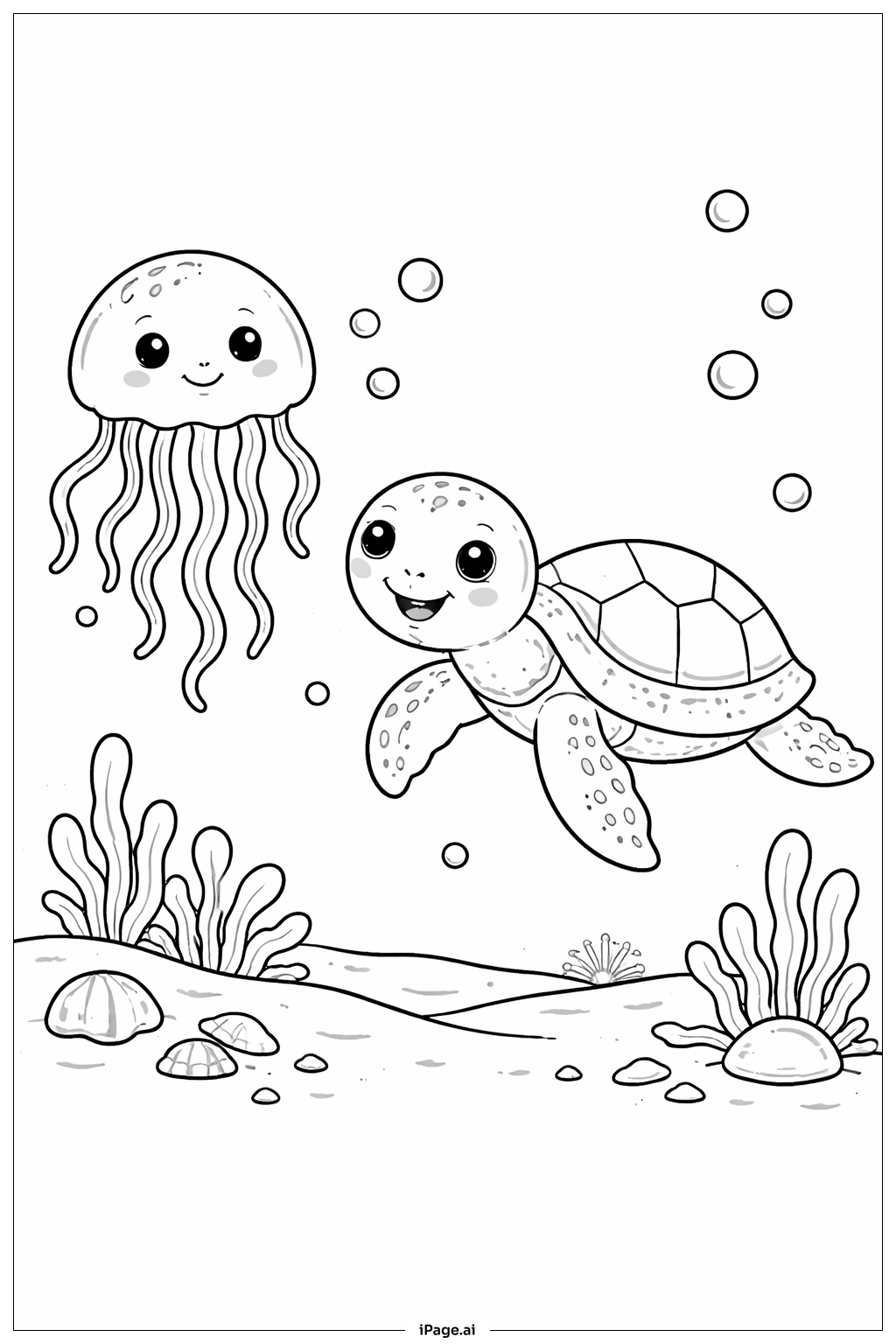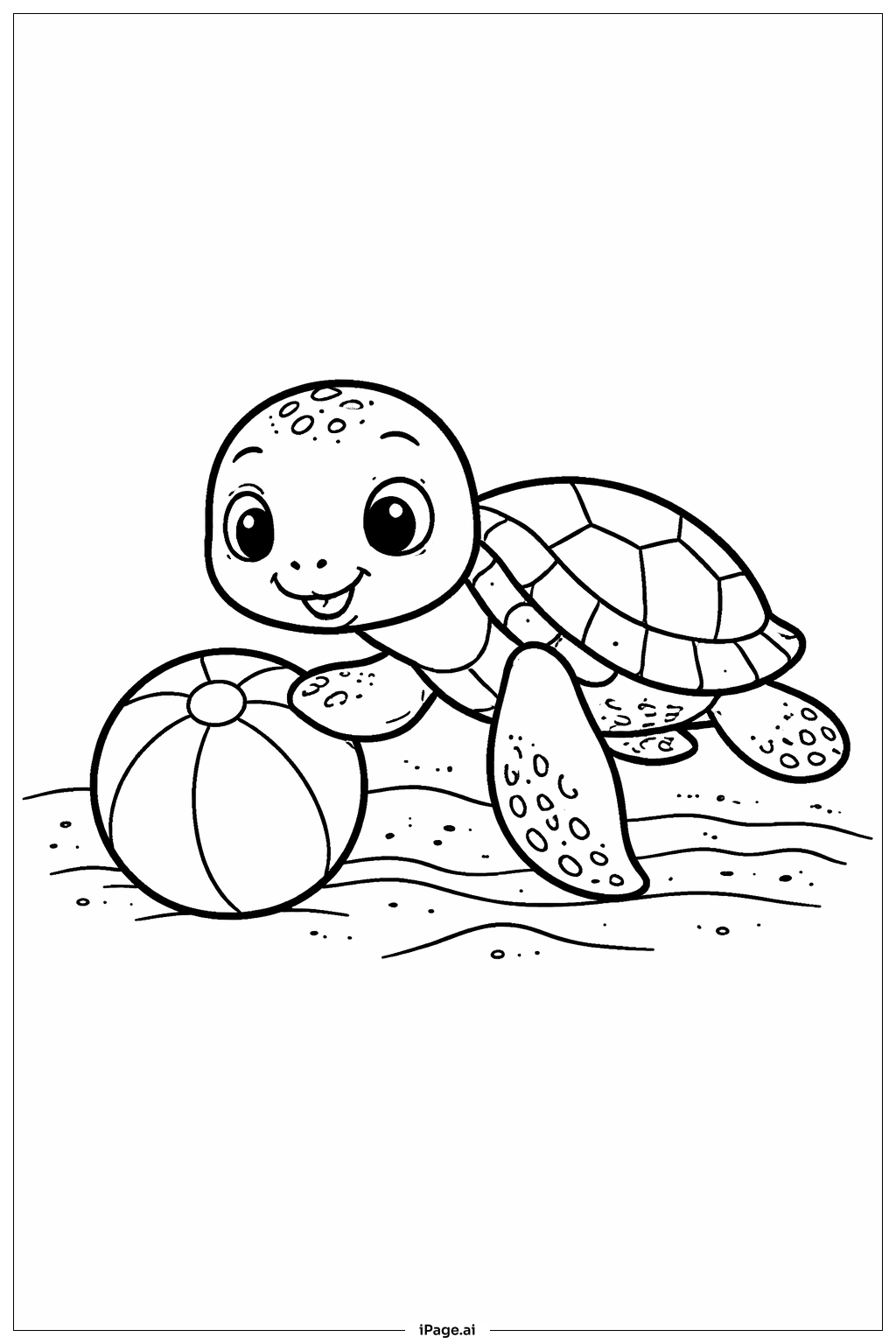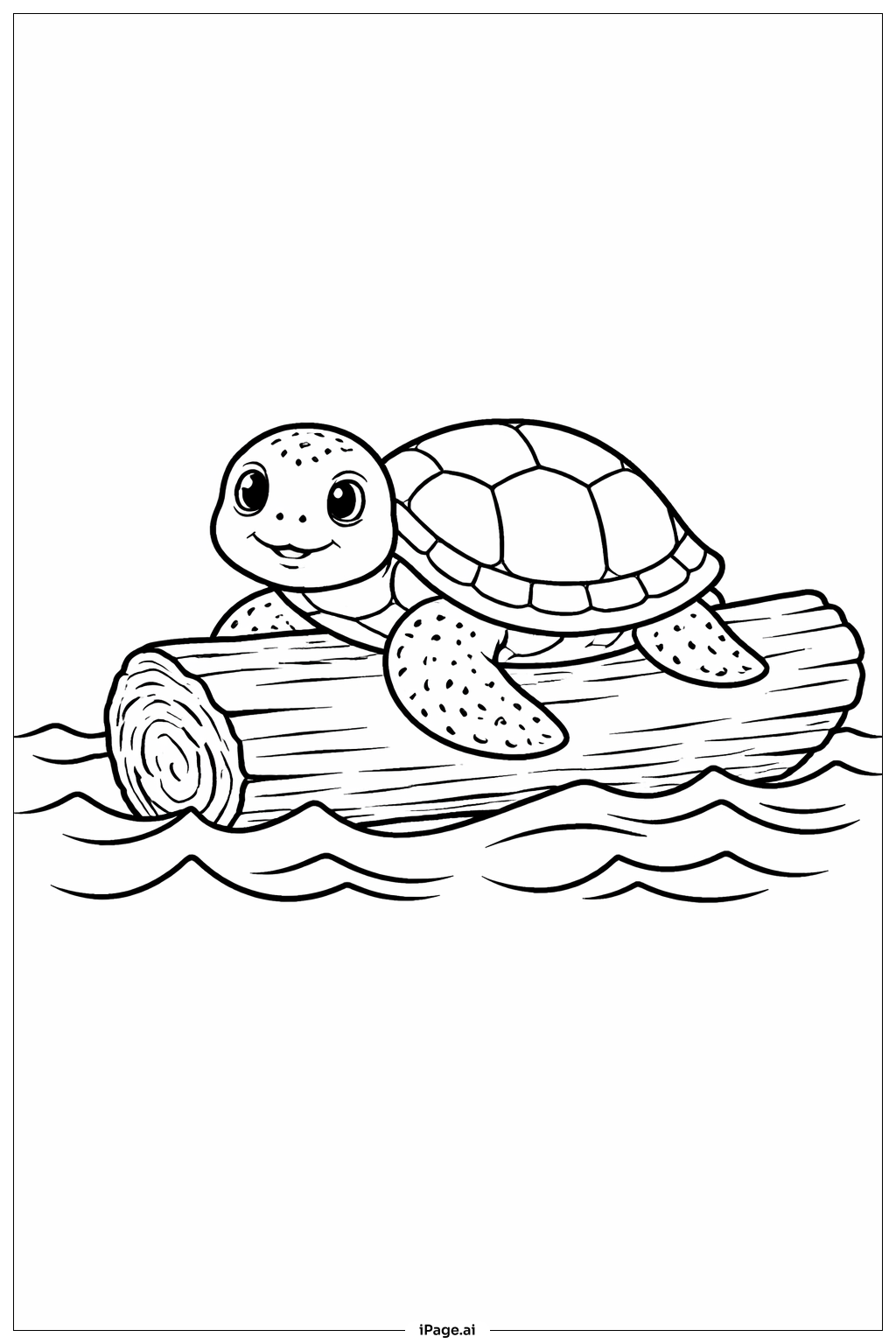
Coloring tips: How to color Turtle On Driftwood coloring page well?
Start with the turtle's shell by choosing earthy tones like olive green, forest green, or brown for the main sections. You can create visual interest by alternating shades between each shell segment. For the shell borders, try darker browns or blacks to make the patterns pop. Color the turtle's skin in lighter greens or yellow-greens, adding darker shades for shadows under the neck and legs. The driftwood offers wonderful opportunities for natural wood colors—use grays, tans, browns, and even hints of weathered blue or silver to show age. Layer different brown shades to create realistic wood grain effects. Add highlights with lighter colors where sunlight might hit the turtle's shell and wood. Consider using soft blues or sandy yellows in the background to suggest a beach or pond environment. This creates a complete nature scene.
Coloring challenges: Which parts are difficult to color and need attention for Turtle On Driftwood coloring page?
• Shell Pattern Complexity: The turtle's shell features multiple geometric sections that require careful attention to keep colors organized and visually balanced. Each segment needs consistent coloring within its borders, and choosing a color scheme that makes the pattern stand out without looking chaotic can be challenging. Younger children may find staying within these detailed lines difficult, while older colorists can use this opportunity to experiment with gradient shading and color transitions between segments.
• Wood Grain Texture: Creating realistic driftwood texture involves understanding how to layer colors to show depth, weathering, and natural wood patterns. The curved lines and organic shapes of the wood require following directional strokes that match the grain flow. Achieving the aged, sun-bleached appearance of driftwood means blending multiple subtle shades rather than using single flat colors, which requires patience and technique.
• Skin Texture Detail: The turtle's skin shows textured scales and wrinkles that need different coloring approaches than the smooth shell segments. These small details require fine motor control and the ability to add depth through shading. Creating dimension on the legs, neck, and head while maintaining color consistency throughout can be tricky.
• Depth and Shadow: Adding realistic shadows where the turtle meets the driftwood, under the shell overhang, and in the wood's crevices requires understanding light sources and using darker color values appropriately. This three-dimensional thinking helps bring the image to life but requires more advanced coloring skills.
Benefits of coloring books: Advantages of drawing Turtle On Driftwood coloring page
Coloring this turtle scene offers excellent fine motor skill development through the detailed shell patterns and textured surfaces. Children practice hand-eye coordination while staying within the defined geometric shapes and organic curves. The variety of elements—from structured shell segments to flowing wood grain—helps develop spatial awareness and understanding of different textures. This image encourages patience and focus as colorists work through the multiple detailed areas. It also provides opportunities to learn about nature, discussing turtle habitats, driftwood formation, and environmental awareness. The calming subject matter promotes relaxation and mindfulness, making it therapeutic for both children and adults. Choosing color combinations for the shell pattern encourages creative decision-making and planning skills. Successfully completing this detailed page builds confidence and a sense of accomplishment, especially when realistic effects are achieved through careful shading and color blending.