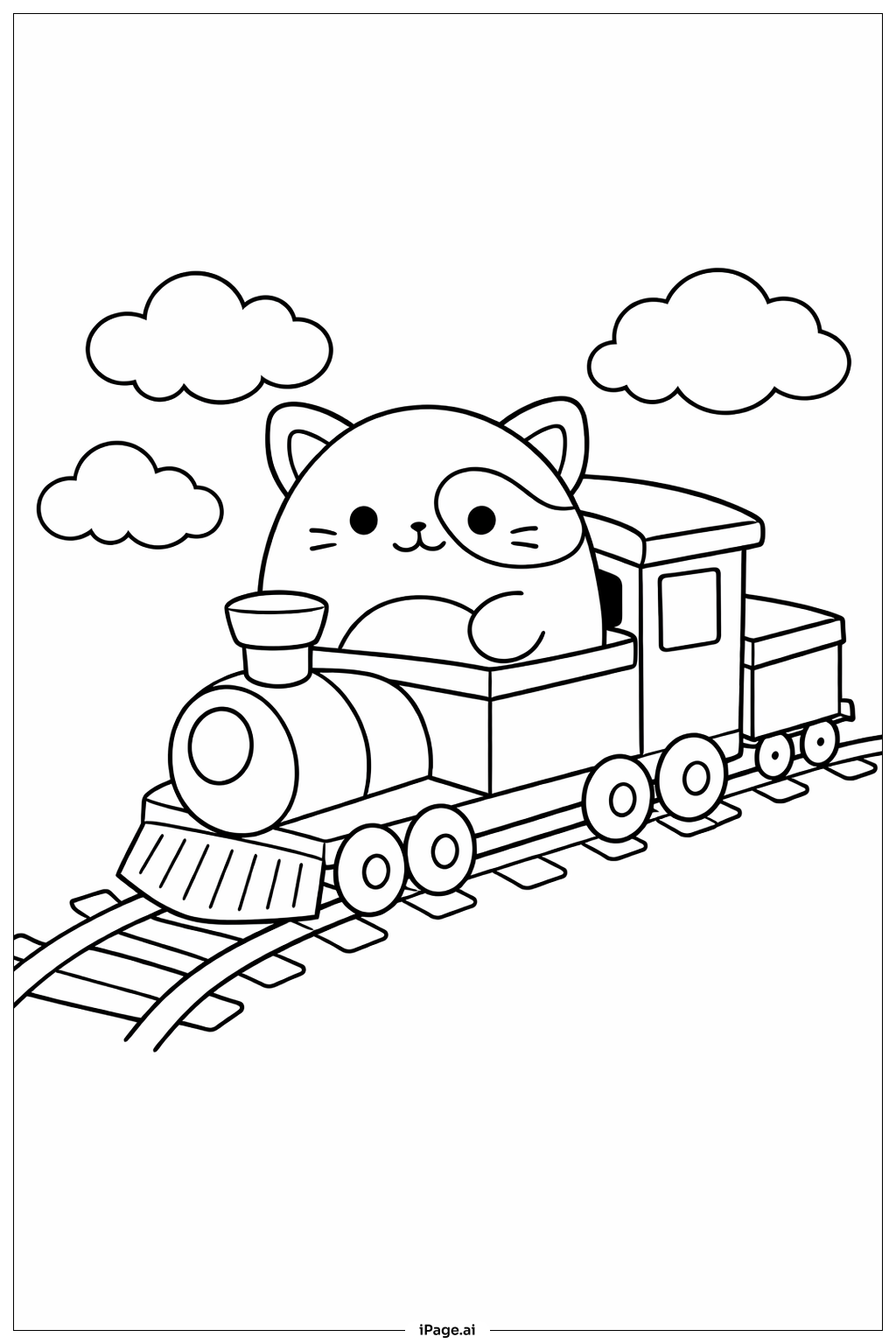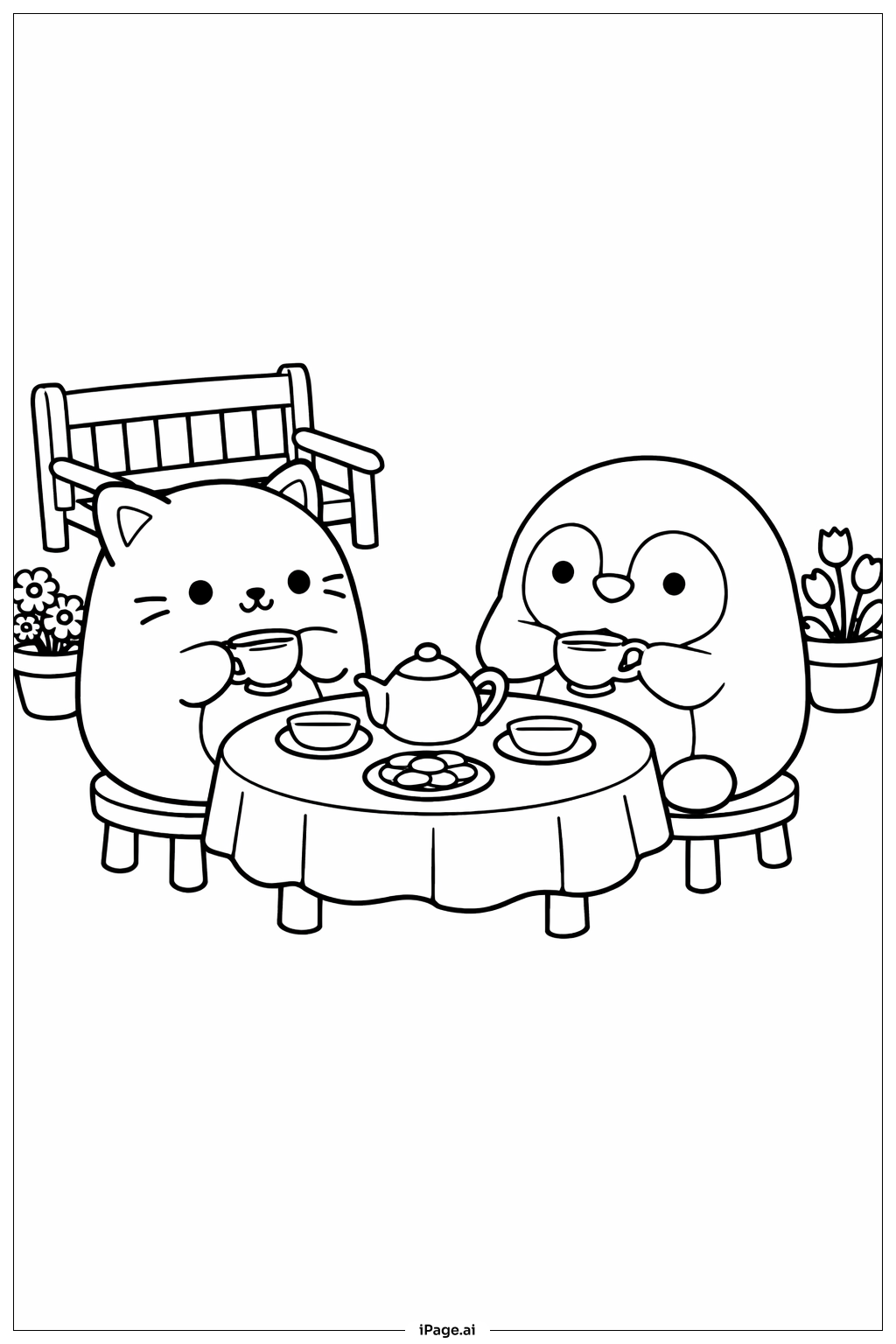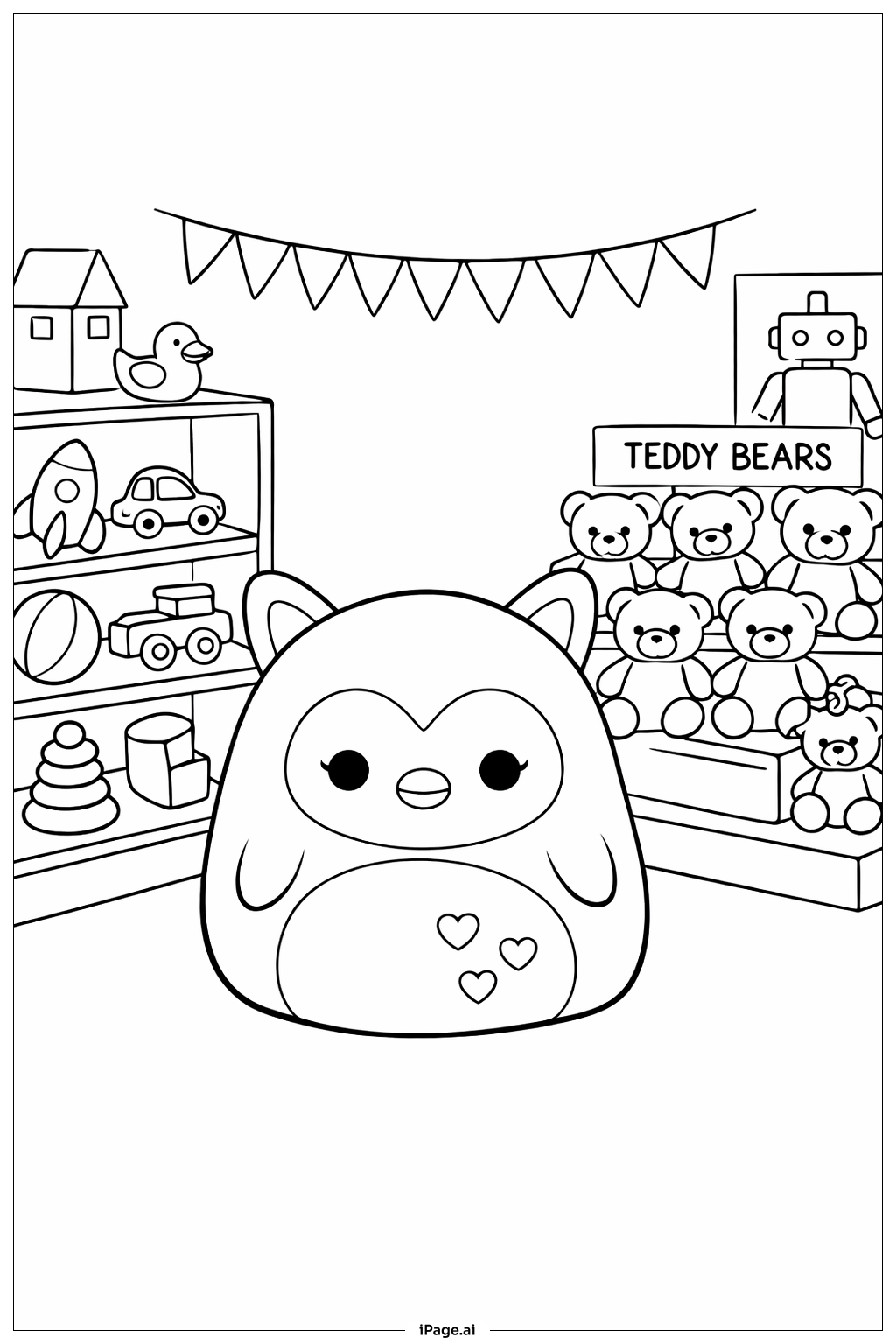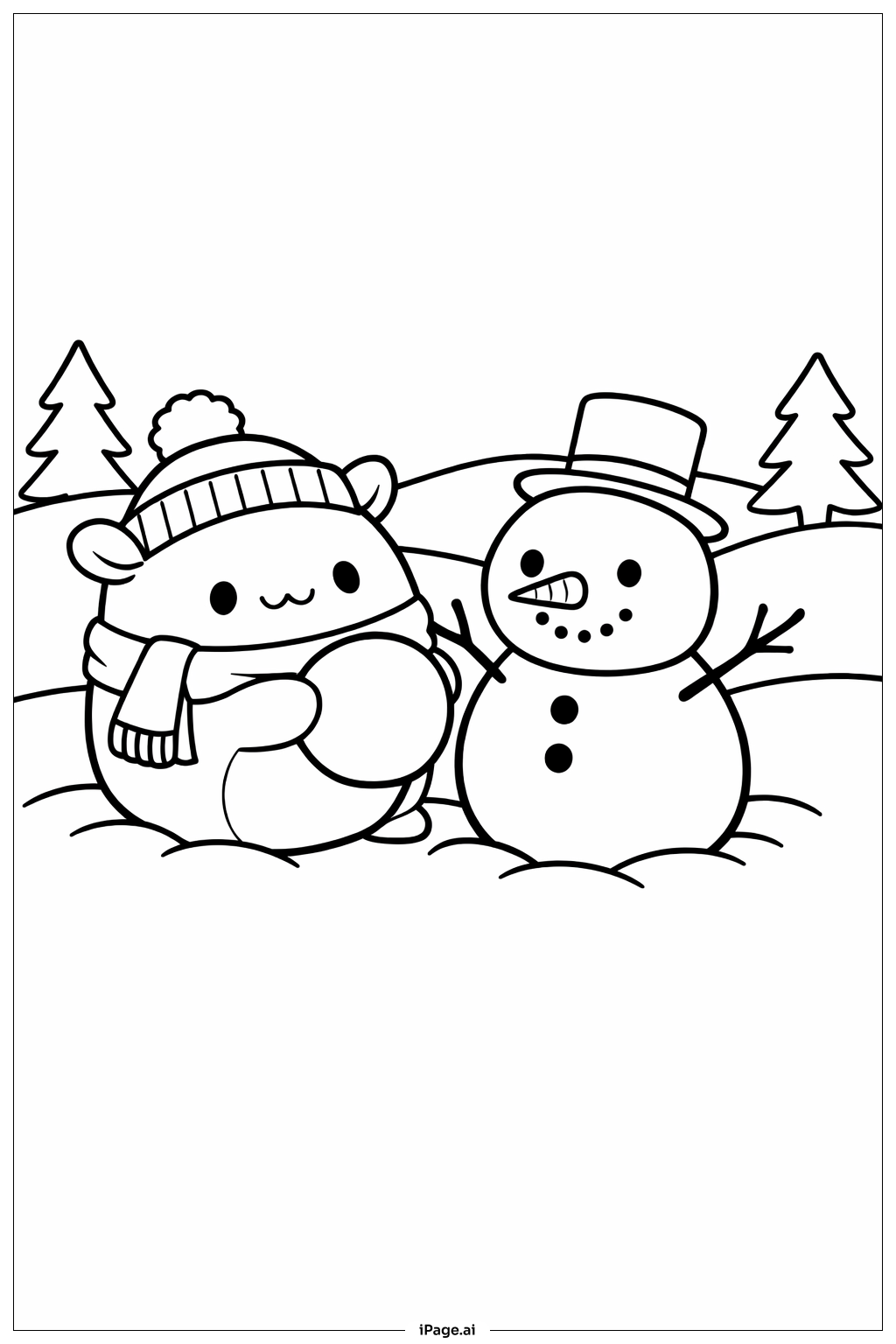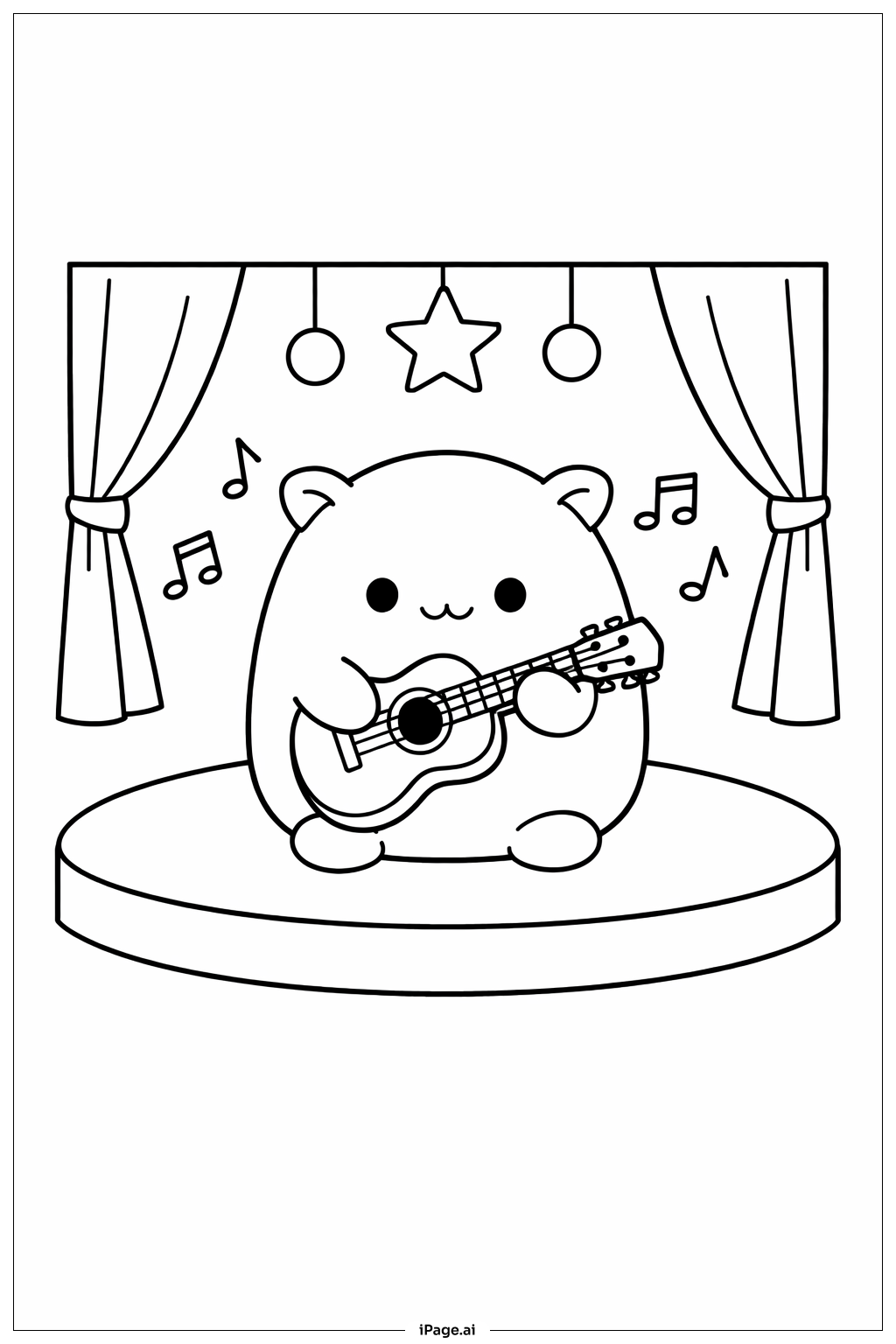
Coloring tips: How to color Squishmallow Music Time coloring page well?
Start with the Squishmallow's body. Use soft, pastel shades like baby pink, lavender, sky blue, or mint green to keep that cozy, cuddly feeling. These gentle colors match the Squishmallow's warm personality perfectly.
For the musical notes and sound waves floating around the character, try bright and cheerful colors like yellow, orange, or coral. This makes them pop against the softer body color.
Use a slightly darker shade of your body color to add light shading along the edges of the Squishmallow. This gives it that fluffy, rounded look.
Color the eyes with deep brown or black pupils and add a tiny white dot for a sparkling effect. For the cheeks, a soft blush pink adds sweetness.
If there are any small instruments in the scene, use gold or warm brown tones to make them look realistic and fun. Feel free to mix and match colors — there are no strict rules here. Make it your own and have fun with it!
Coloring challenges: Which parts are difficult to color and need attention for Squishmallow Music Time coloring page?
• Smooth Body Shading: The Squishmallow's large, rounded body is one of the trickiest parts to color well. Because it has such a soft, puffy shape, you need to blend colors smoothly to show its three-dimensional form. Using circular or light feathering strokes near the edges helps create depth without harsh lines. Younger colorists may find it challenging to keep the shading even across such a wide, open surface.
• Tiny Musical Notes and Details: The small floating musical notes and sound wave symbols scattered around the image require careful, precise coloring. They are small and closely spaced, so staying inside the lines without smudging into neighboring areas takes patience. Using a fine-tipped colored pencil or a thin marker works best for these detailed elements.
• Facial Expression Balance: The face of the Squishmallow has delicate features — small eyes, a tiny smile, and rosy cheeks. Coloring these elements requires a light touch. Applying too much pressure or using colors that are too dark can easily overwhelm the soft, gentle look of the face. A light hand and pastel tones work best here.
• Color Harmony Across the Scene: Because the image includes both the character and a variety of musical elements, choosing colors that all work well together can be a challenge. Making sure the background details and floating notes complement the main Squishmallow without clashing takes some planning before you begin coloring.
• Maintaining Consistent Softness: The overall mood of the image is gentle and cozy. Keeping that soft, dreamy feel throughout — and avoiding colors that look too sharp or intense — is something colorists of all ages need to think about carefully.
Benefits of coloring books: Advantages of drawing Squishmallow Music Time coloring page
Coloring this Squishmallow Music Time page brings a wonderful mix of fun and learning for kids and families alike.
First, it helps build fine motor skills. Carefully filling in the Squishmallow's round body and the tiny musical notes strengthens hand control and pencil grip — skills that are important for writing and drawing.
Second, it encourages creativity. Choosing which colors to use for the character and the musical details lets children express themselves freely. There are no wrong answers, and that freedom builds confidence.
Third, it introduces musical concepts in a playful way. The musical notes and instruments in the scene spark curiosity about music and sound, making it a gentle starting point for learning about rhythm and melody.
Fourth, coloring is naturally calming. Focusing on staying inside the lines and choosing colors helps children slow down, concentrate, and find a peaceful rhythm — much like listening to music itself.
Finally, completing a coloring page gives kids a real sense of accomplishment. Finishing this cheerful Squishmallow scene and seeing the colorful result is a great confidence booster. It also makes a wonderful piece of artwork to display or share with friends and family.