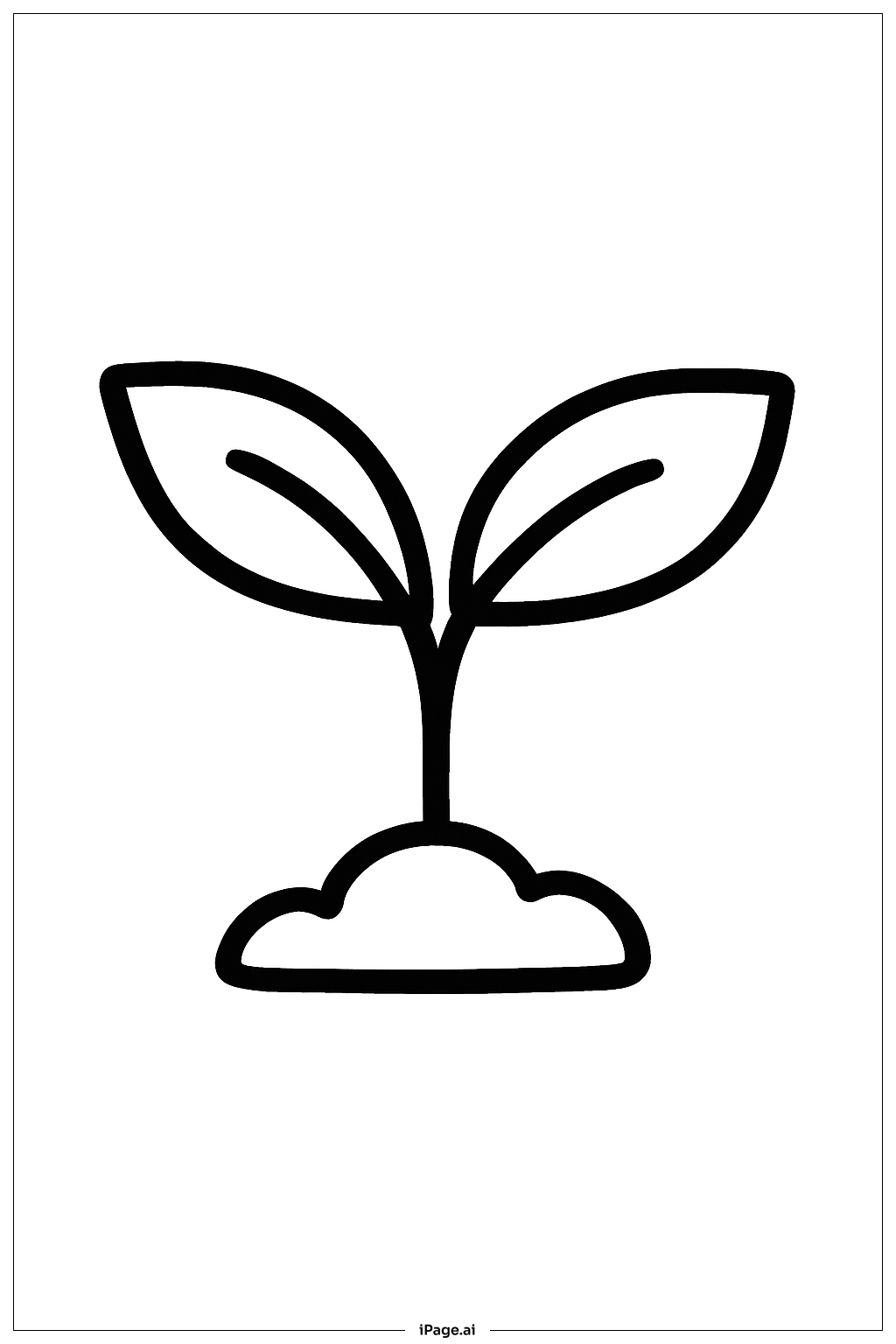
Coloring tips: How to color Photosynthesis Tiny Garden Plant coloring page well?
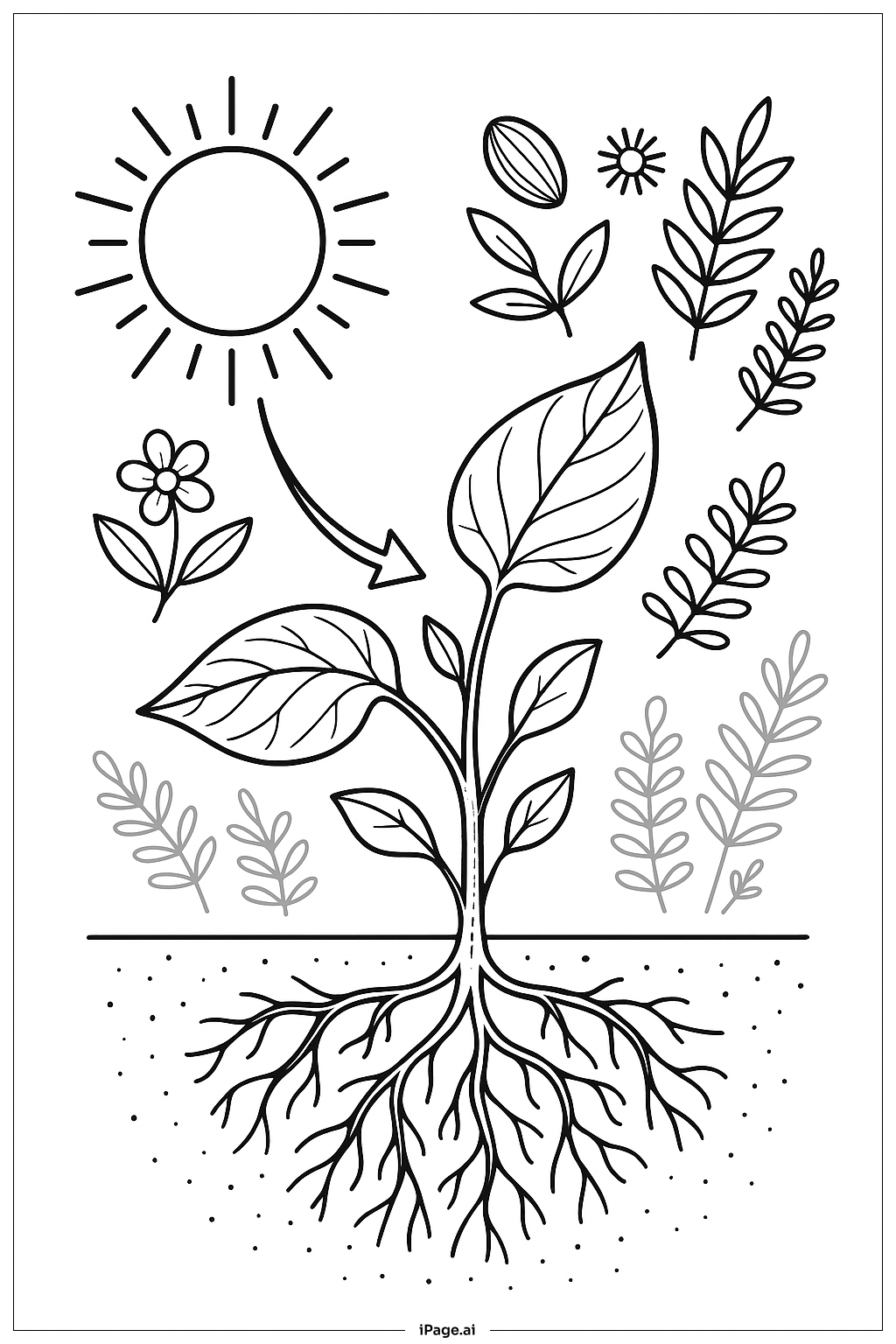
Use green shades for the leaves and stem to show the healthy plant. You can mix light and dark green to add depth. For the soil, use brown colors like light brown or dark brown. You can even add some orange or red tones for a natural look. Try to color inside the lines to make the plant look neat. Feel free to add a bright blue or yellow background to represent the sky or sunlight. This will make the picture more lively and fun. You can also draw extra small flowers or insects around the plant to give more life to the image.
Coloring challenges: Which parts are difficult to color and need attention for Photosynthesis Tiny Garden Plant coloring page?
1. Coloring inside the narrow leaf lines can be tricky for younger kids as they need control to stay within the borders.
2. Choosing the right shades of green to make the plant look natural requires some color knowledge.
3. Adding variation to the soil color while keeping it realistic can be difficult.
4. Making the simple image look interesting without extra details can challenge creativity.
5. Keeping the colors balanced so the plant stands out without the background overpowering it may be hard.
Benefits of coloring books: Advantages of drawing Photosynthesis Tiny Garden Plant coloring page
Coloring this tiny garden plant helps children develop fine motor skills by practicing precise coloring within lines. It also teaches them about plants and photosynthesis, encouraging interest in nature science. Using different shades of green enhances their ability to recognize colors and shade blending. This simple image promotes focus and patience, because kids need to concentrate on small shapes. Moreover, it inspires creativity when they add background elements or extra details.