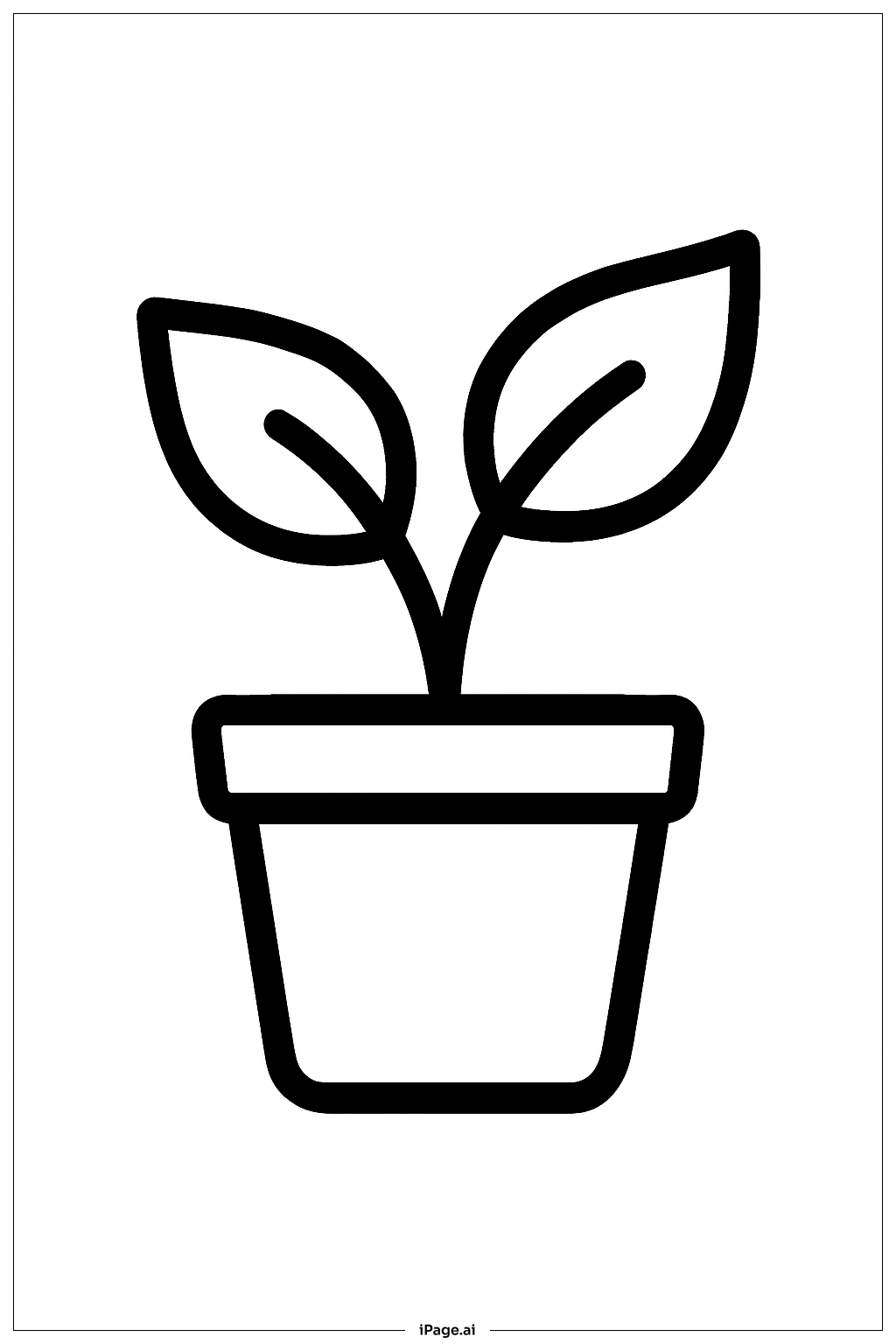
Coloring tips: How to color Photosynthesis Potted Plant coloring page well?
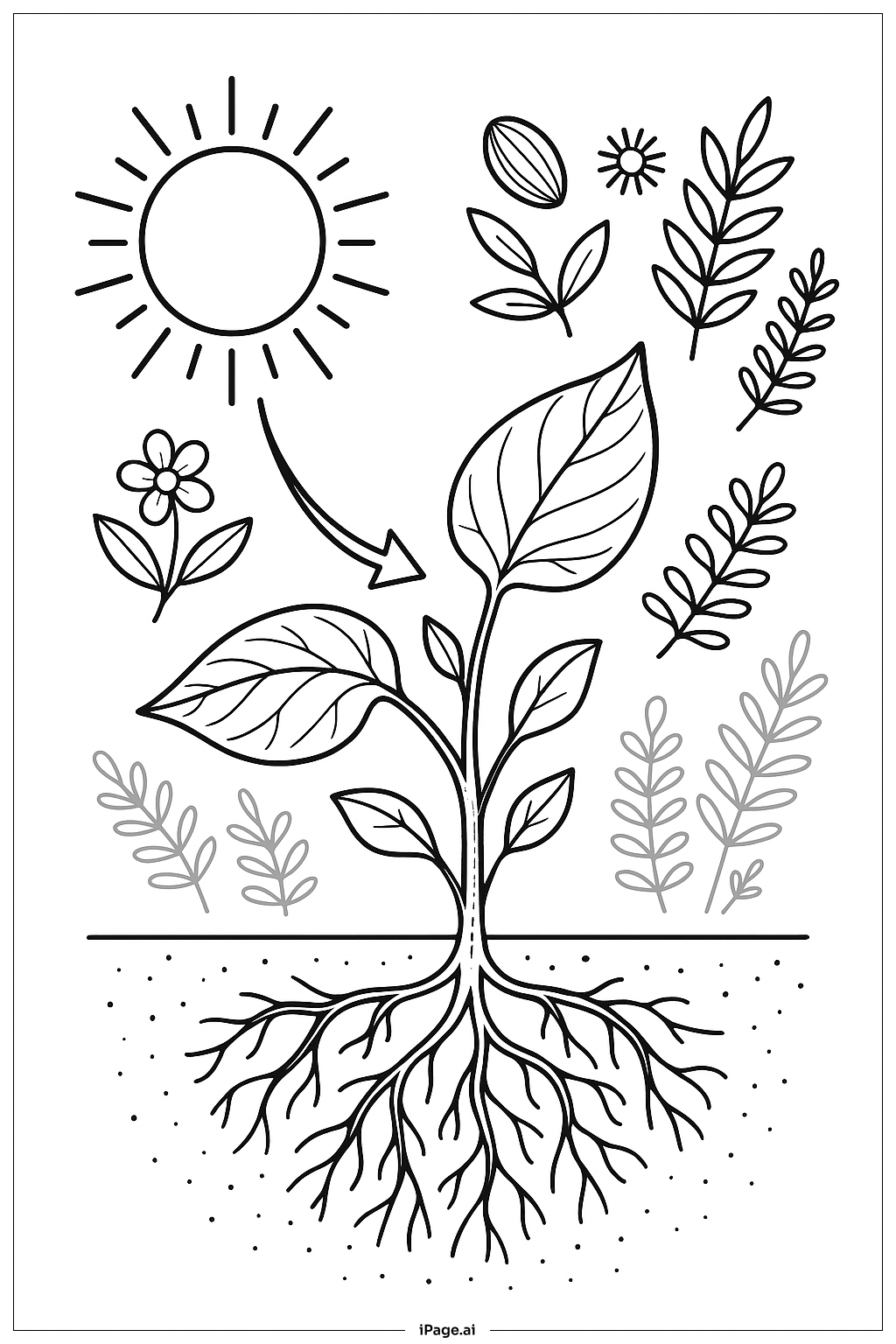
Start with the plant's leaves using bright, fresh greens. Use a lighter green for the upper leaf surfaces where sunlight hits, and a deeper green for the undersides and shadows. Color the pot in a warm terracotta orange or a fun bold color like red or blue to make it stand out. Use yellow and gold for the sun and its rays streaming through the window. The windowsill can be brown or tan. Color the water droplets light blue, and the oxygen bubbles a soft white or pale blue. For the arrows and symbols showing Photosynthesis, use contrasting colors like orange or purple so they pop against the background. Keep the overall palette bright and cheerful to reflect the energy and life of a growing plant.
Coloring challenges: Which parts are difficult to color and need attention for Photosynthesis Potted Plant coloring page?
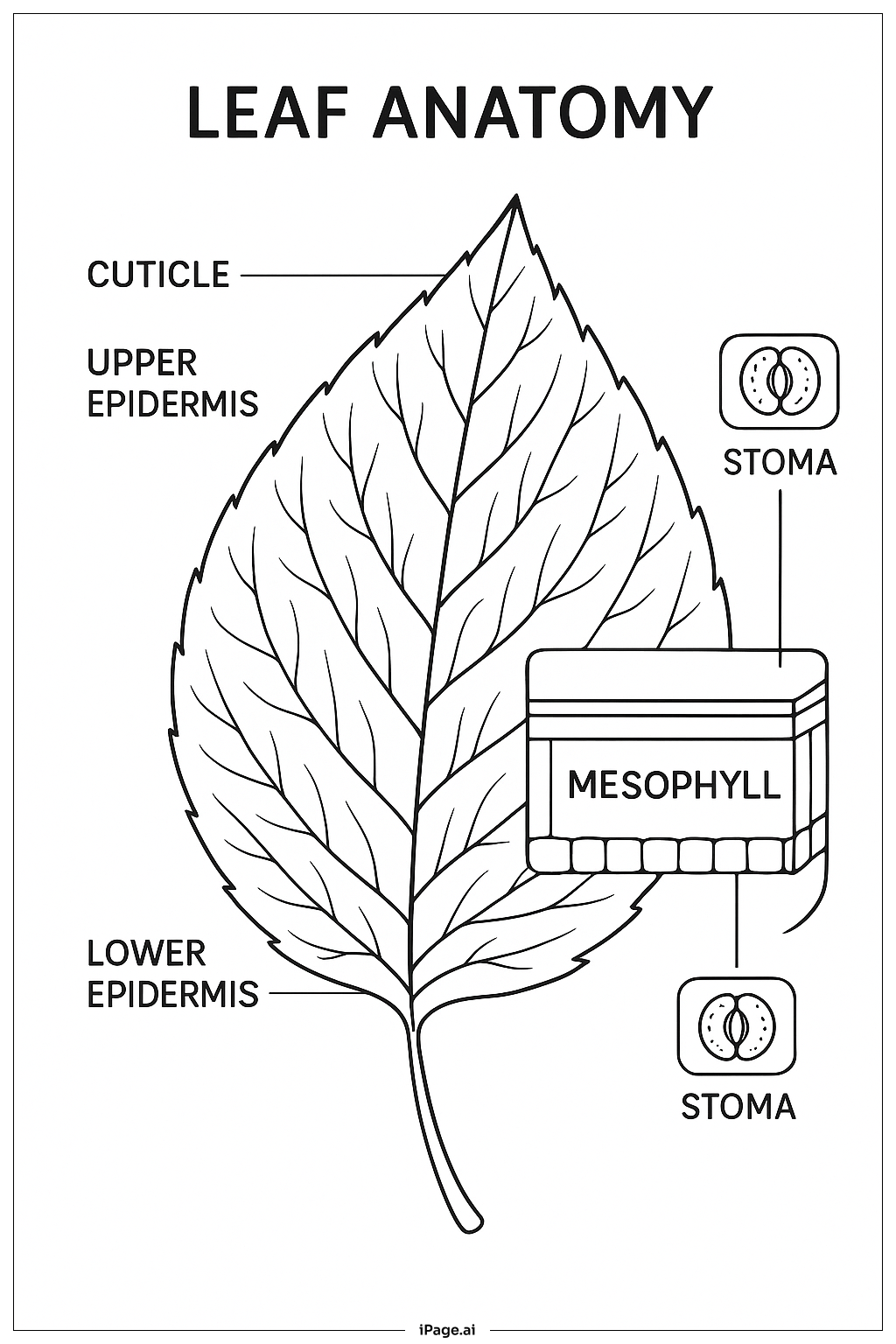
• Small Leaf Details: The leaves may have veins or fine lines running through them. Coloring these tiny details neatly requires a sharp pencil or a thin marker. Take your time and follow each line carefully so the leaf looks natural and full of life.
• Photosynthesis Symbols and Arrows: The small arrows, bubbles, and icons showing the Photosynthesis process are closely spaced and can be tricky to color without going outside the lines. Use fine-tipped tools and work slowly around each symbol to keep them clean and clear.
• Shading the Leaves: Leaves are rarely one solid color. Capturing a sense of light and shadow by using two or three shades of green can be challenging but rewarding. Blending lighter green near the top and darker green toward the bottom adds a realistic touch.
• The Pot and Soil Area: The round shape of the pot has curved edges that can be hard to shade smoothly. Try coloring in the direction of the curve to give it a rounded, three-dimensional feel. The soil inside can be colored in layered browns for a natural look.
• Sunlight Rays Through the Window: The rays of sunlight coming through the window overlap with other parts of the image. Choosing a warm yellow that does not overpower the greens of the plant takes some color planning. Lightly layering yellow near the window and fading it outward creates a natural glow effect.
Benefits of coloring books: Advantages of drawing Photosynthesis Potted Plant coloring page
Coloring this Photosynthesis Potted Plant page is a fun and rewarding activity for kids and adults alike. As you fill in each part of the image, you naturally learn about how plants make their own food using sunlight, water, and air. It is a creative way to explore science without even opening a textbook.
For younger children, this page helps build fine motor skills and hand-eye coordination as they carefully stay within the lines. Choosing colors for the leaves, pot, and sunlight also encourages creative thinking and color recognition.
For older kids and teens, the added challenge of shading and blending colors can develop patience and attention to detail. Thinking about how light falls on the leaves and how to show depth in the pot makes the activity more engaging and thoughtful.
For adults, coloring this page offers a calming, mindful break from a busy day. The repetitive, focused motion of coloring is known to reduce stress and help the mind relax.
Overall, this page combines the joy of art with the wonder of nature, making it a meaningful and enjoyable experience for all ages.