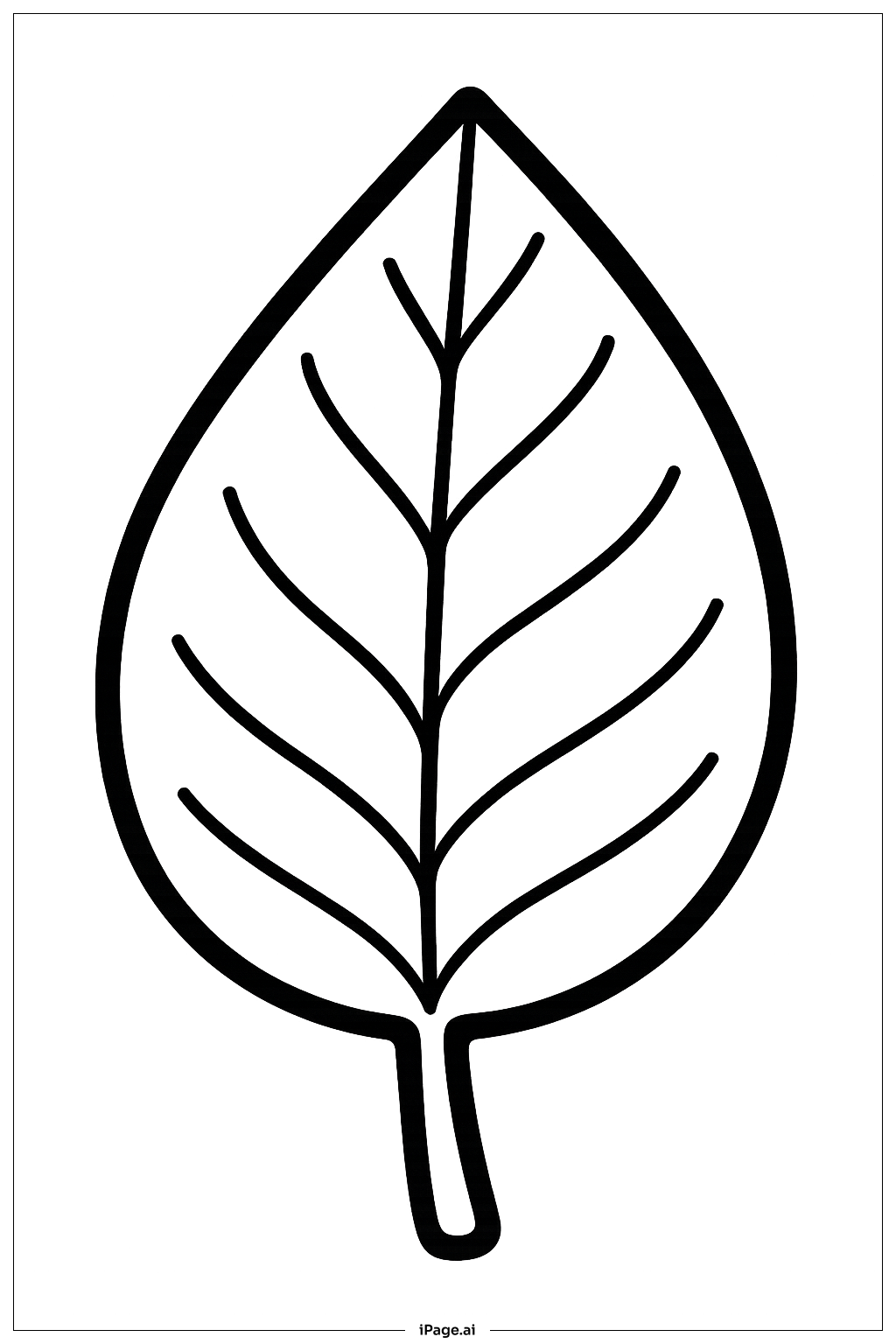
Coloring tips: How to color Photosynthesis Plant Leaf Outline coloring page well?
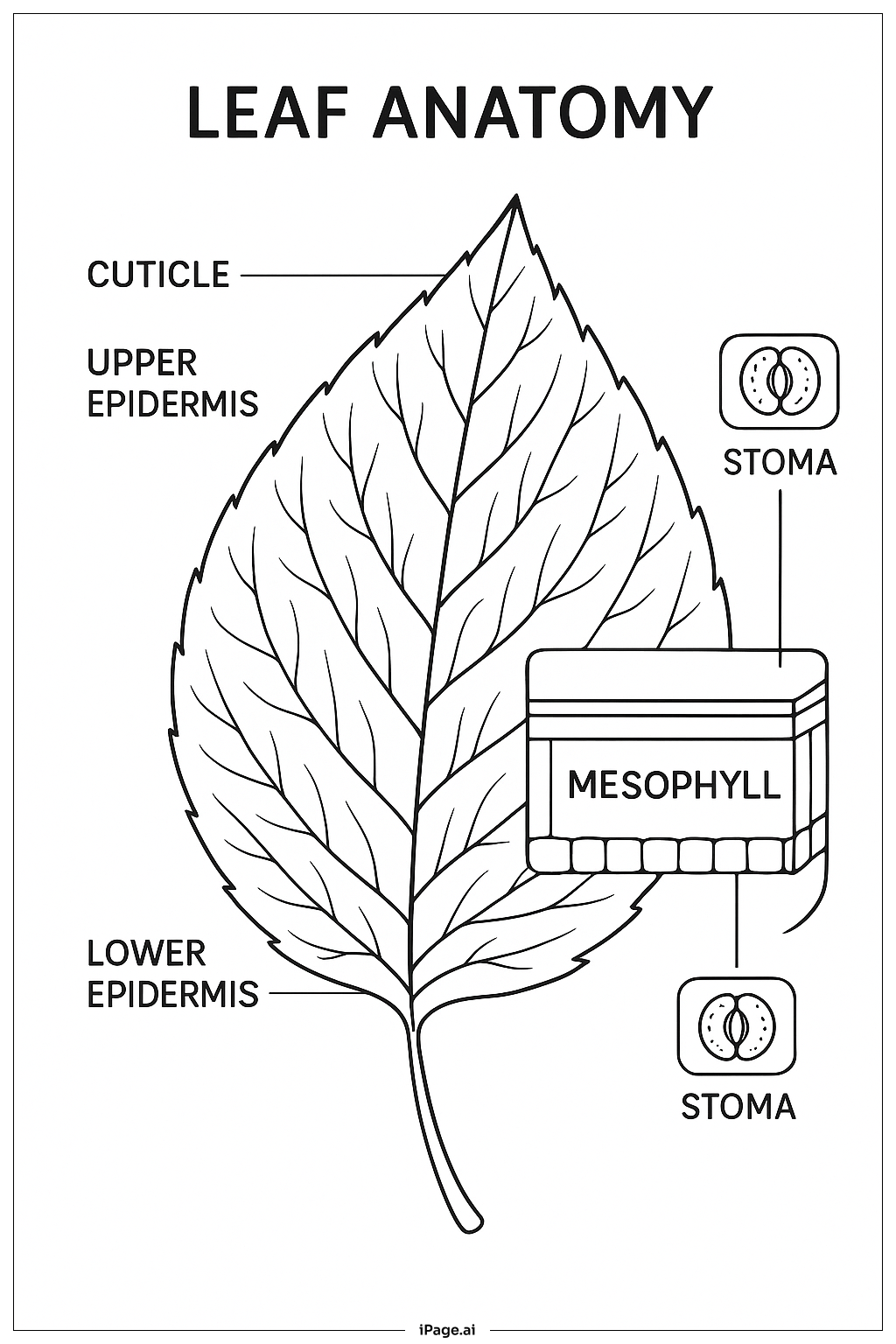
Use different shades of green to color the leaf, starting with a light green for the main part. Then, choose a darker green to fill in the veins to make them stand out. You can also add some yellow or light green highlights to show sunlight shining on the leaf. For the stem, brown or dark green works well. Feel free to try blending colors gently to create a natural look. You can even think about adding colors like red, orange, or yellow if you want to show the leaf changing in fall.
Coloring challenges: Which parts are difficult to color and need attention for Photosynthesis Plant Leaf Outline coloring page?
1. Coloring inside the thin veins can be tricky because they are narrow and need careful attention.
2. Keeping the colors smooth and consistent on the wide leaf surface might need some patience and control.
3. Deciding which shades of green to use to make the leaf look natural can be challenging.
4. Balancing highlights and shadows to add depth requires some thinking about light sources.
5. Staying within the shapes without going outside the thick outline border can be hard for young children who are just learning to color neatly.
Benefits of coloring books: Advantages of drawing Photosynthesis Plant Leaf Outline coloring page
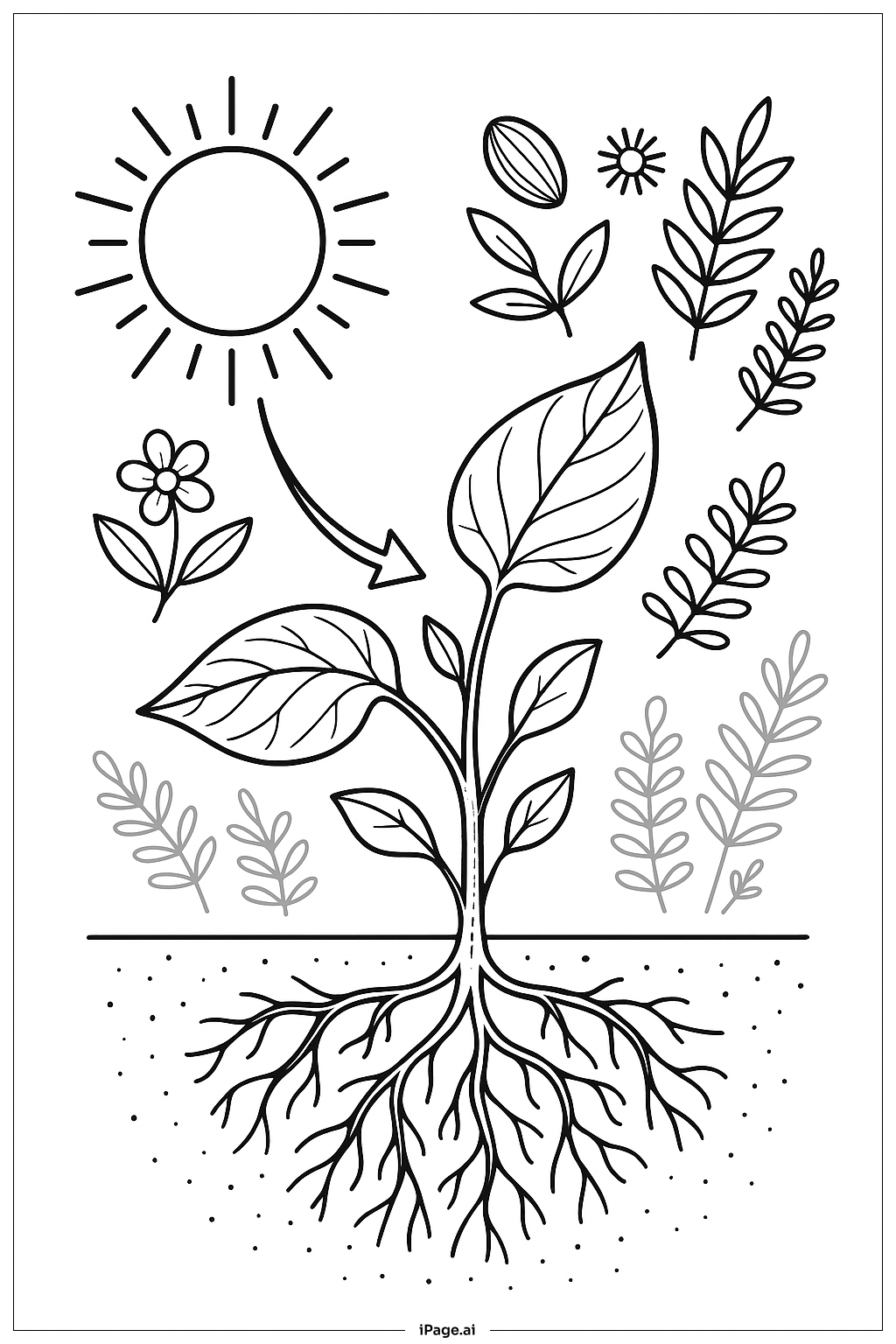
Coloring this leaf helps children improve their fine motor skills by practicing staying within the lines. It also sparks interest in science by connecting art with how plants grow and make food. Using different colors can teach kids about light, shadow, and natural patterns found in nature. This activity encourages concentration, patience, and creativity. Moreover, learning about the leaf structure through coloring supports early environmental awareness and love for plants.