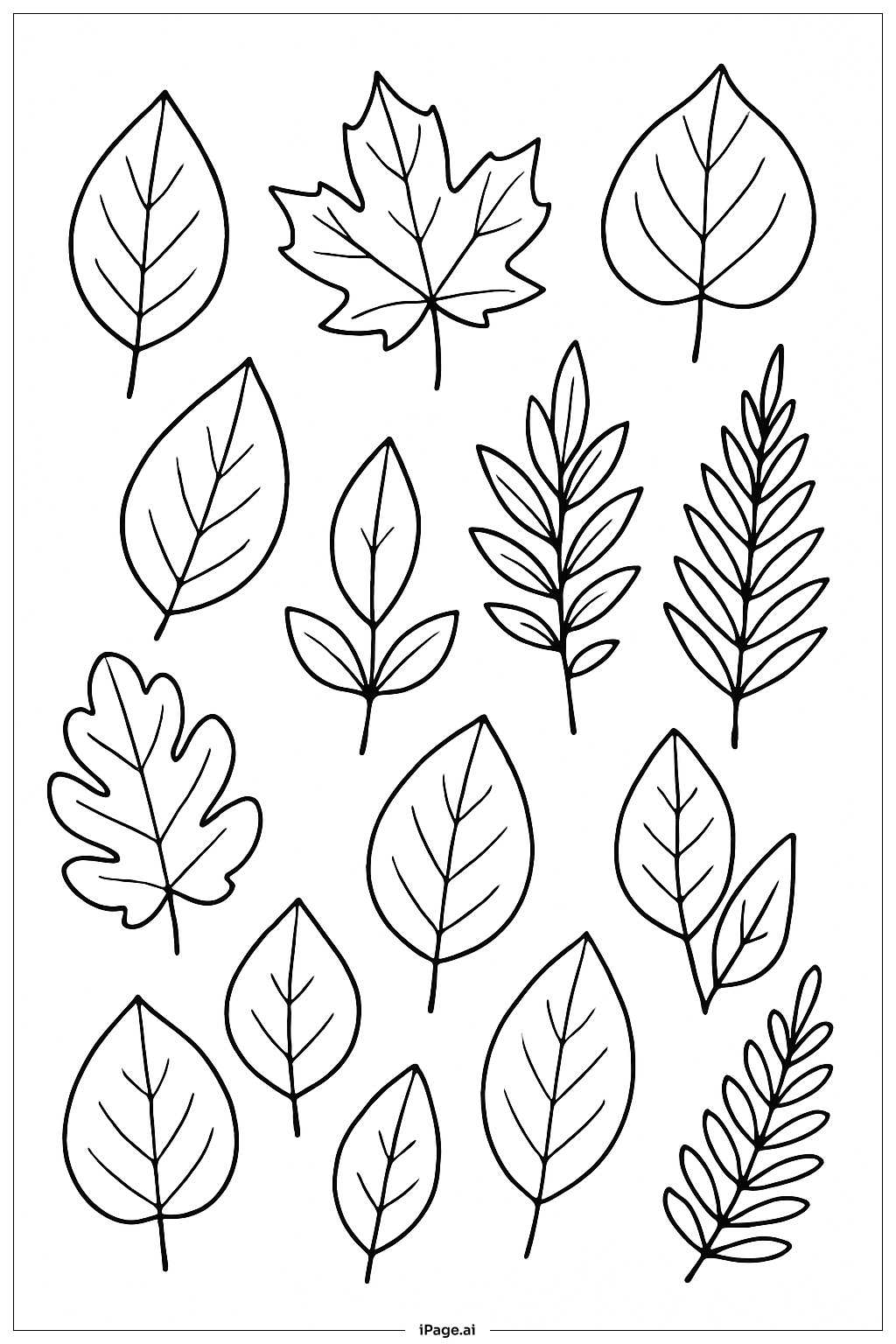
Coloring tips: How to color Photosynthesis Leaf Pattern Study coloring page well?
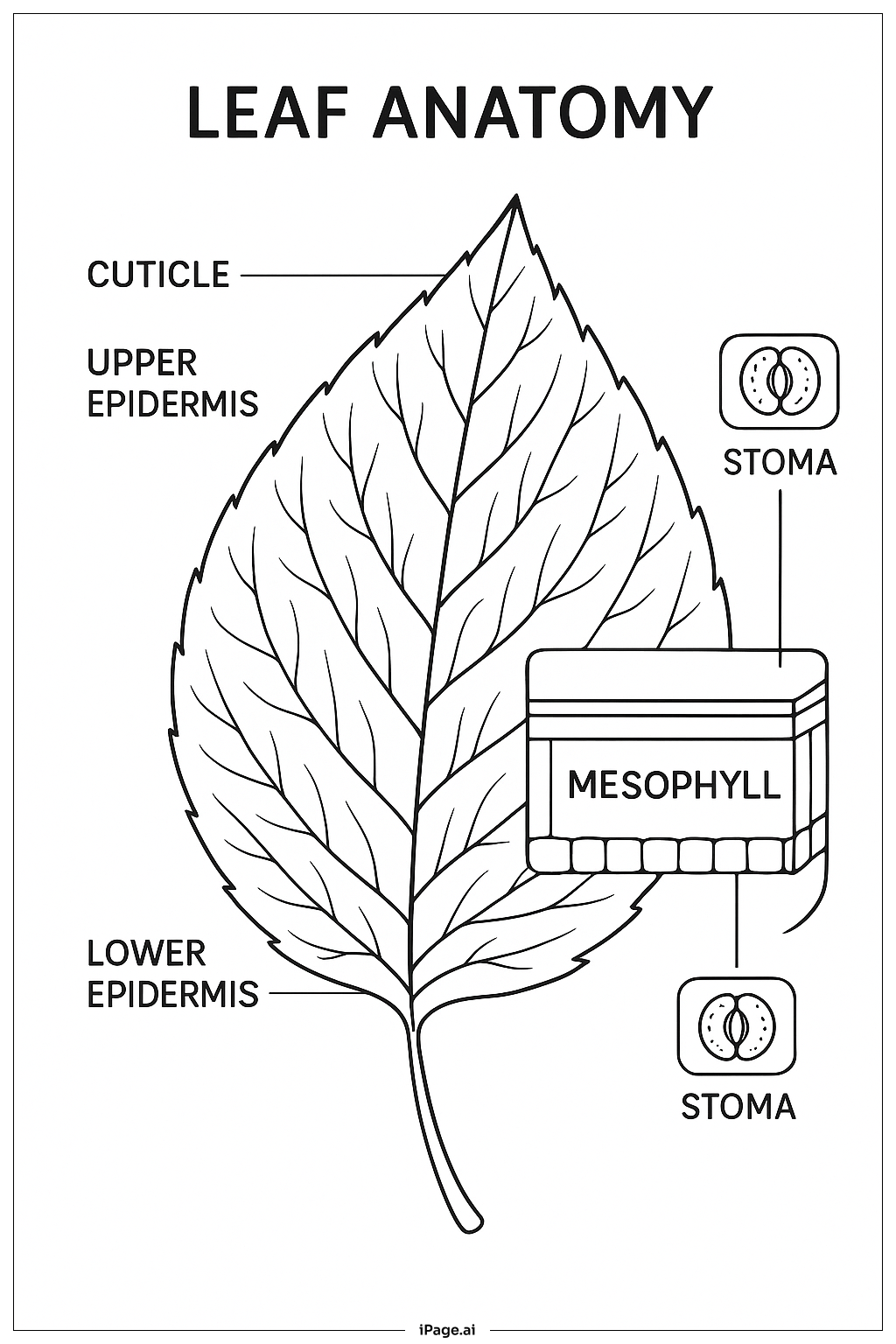
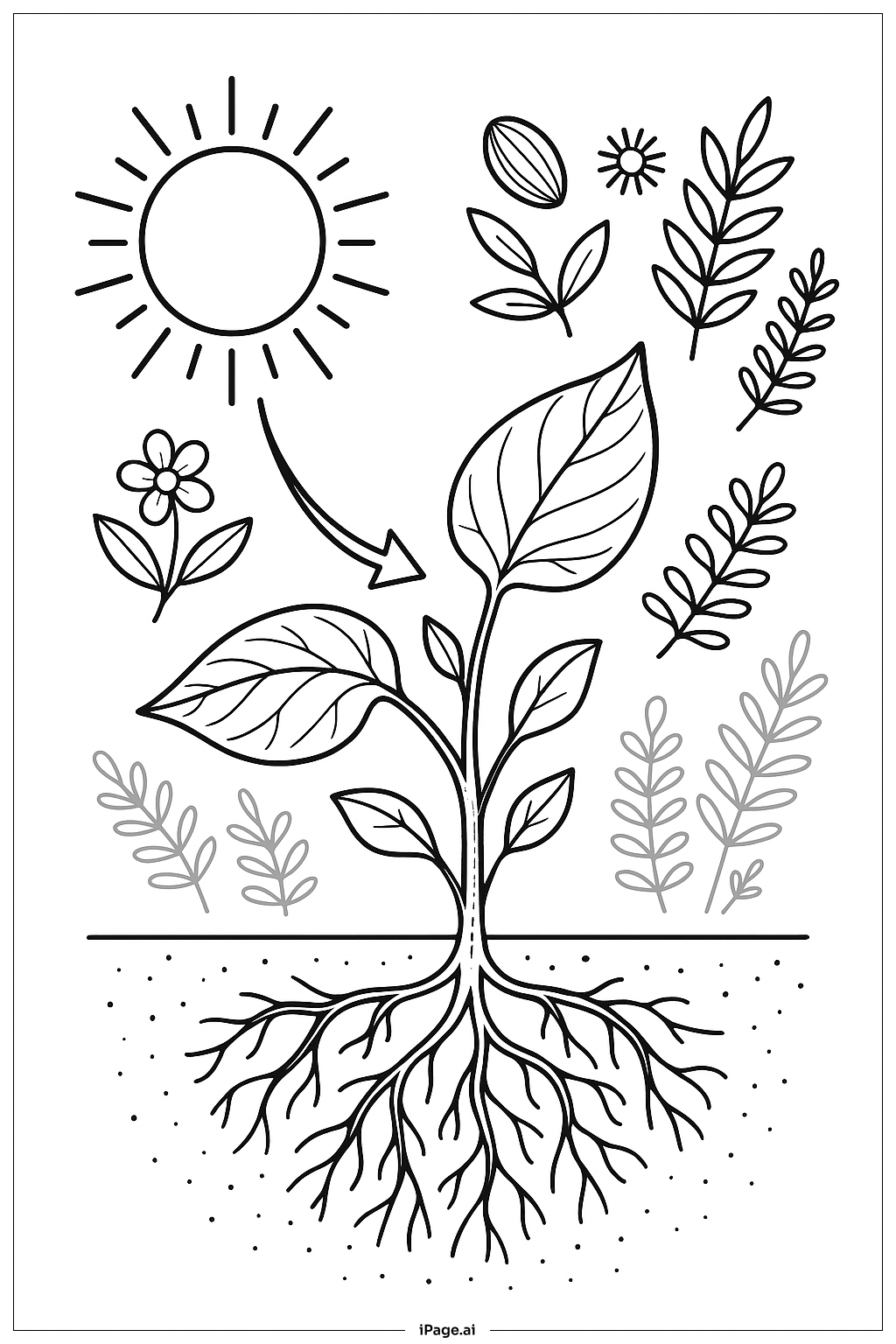
Begin with the largest leaf using a vibrant green as your base color, then add darker green along the veins to create dimension. Consider using yellow-green for the tips of the leaflets to suggest new growth and sunlight exposure. The smaller surrounding leaves can be colored in varying shades of green, from lime to forest green, to show diversity in the plant collection. Add touches of yellow or golden tones where light would naturally hit the leaf surfaces. For the veins, use lighter shades or even white colored pencils to make them stand out. You might also incorporate subtle browns or purples along the edges to indicate mature leaves. Don't forget to leave some areas lighter to create highlights and give your leaves a glossy, healthy appearance that reflects their vital role in photosynthesis.
Coloring challenges: Which parts are difficult to color and need attention for Photosynthesis Leaf Pattern Study coloring page?
• Intricate Vein Networks: The detailed venation patterns throughout each leaf require careful attention and a steady hand. The main veins and smaller secondary veins create a complex network that needs precise coloring to maintain clarity and avoid bleeding between sections. Young colorists may find it challenging to stay within these fine lines while switching between different shades.
• Overlapping Leaf Layers: Multiple leaves overlap throughout the composition, creating areas where one leaf passes behind or in front of another. Distinguishing these layers and maintaining consistent color values for each separate leaf while creating depth can be tricky. Children need to plan which leaves are in the foreground and background to achieve a realistic three-dimensional effect.
• Serrated Edge Detail: The toothed or serrated edges of the leaves feature numerous small points and indentations that require patience and precision. Coloring these delicate edges without going outside the lines or losing the definition of each individual tooth presents a fine motor skill challenge, especially for younger children.
• Maintaining Color Consistency: With so many individual leaflets on the compound leaf, keeping a consistent color scheme across all parts while still showing natural variation requires planning and color management skills. Balancing uniformity with organic variation to create a realistic appearance takes practice and careful observation.
Benefits of coloring books: Advantages of drawing Photosynthesis Leaf Pattern Study coloring page
Coloring this photosynthesis-themed leaf pattern offers excellent educational value by helping children learn about plant anatomy and the structures involved in how plants make their own food. As they color the veins and leaf surfaces, they develop an understanding of botanical features and the importance of leaves in nature. The intricate details provide outstanding fine motor skill development, improving hand-eye coordination and pencil control through careful coloring of small spaces and delicate lines. This activity encourages patience and focus as children work through the complex patterns, building concentration skills that benefit academic performance. The repetitive nature of coloring multiple leaves and veins can be calming and meditative, reducing stress and promoting mindfulness. Additionally, making color choices for different leaves fosters creativity and decision-making abilities while teaching about natural color variations found in real plants throughout different seasons and growth stages.