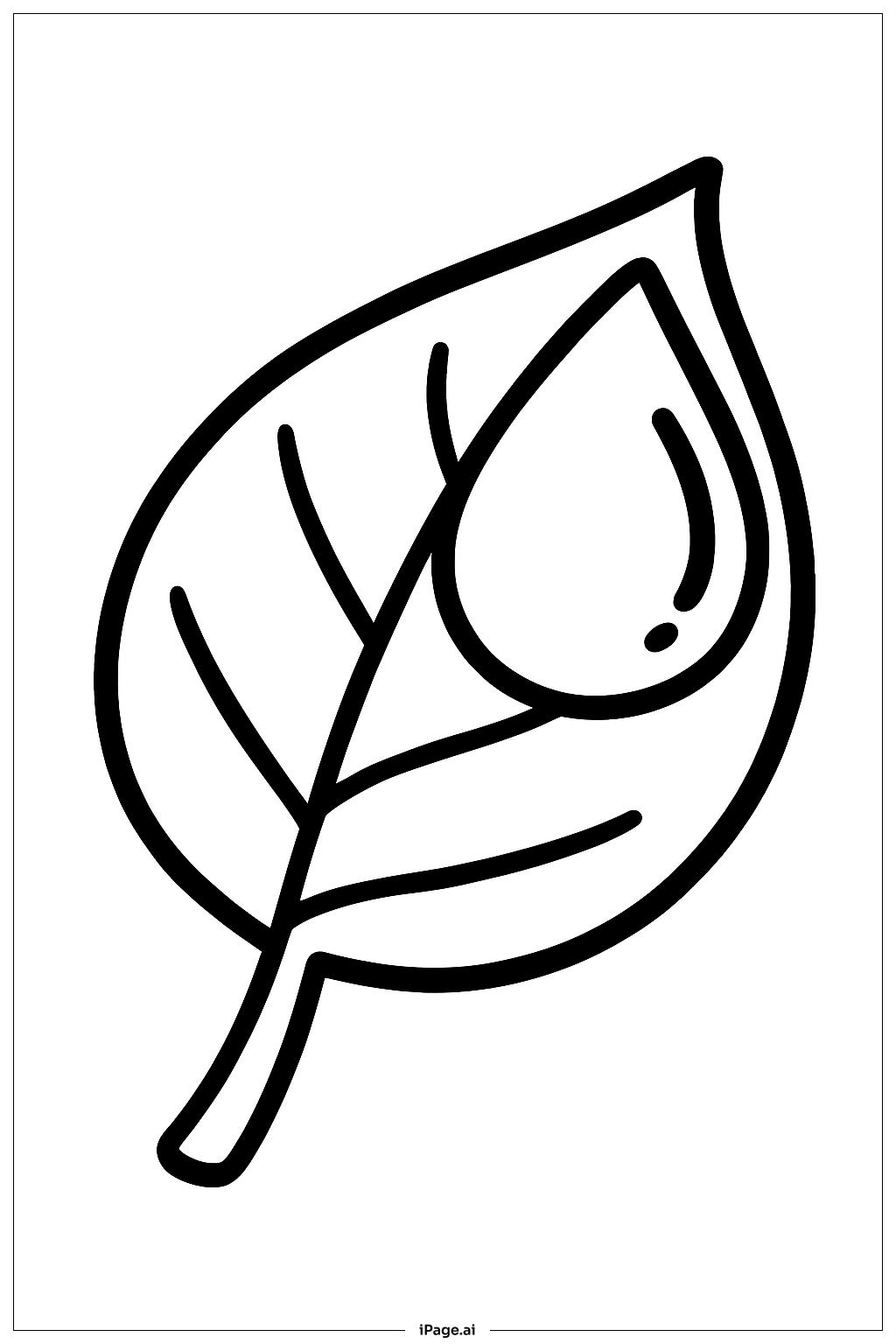
Coloring tips: How to color Photosynthesis Leaf and Water Drop coloring page well?
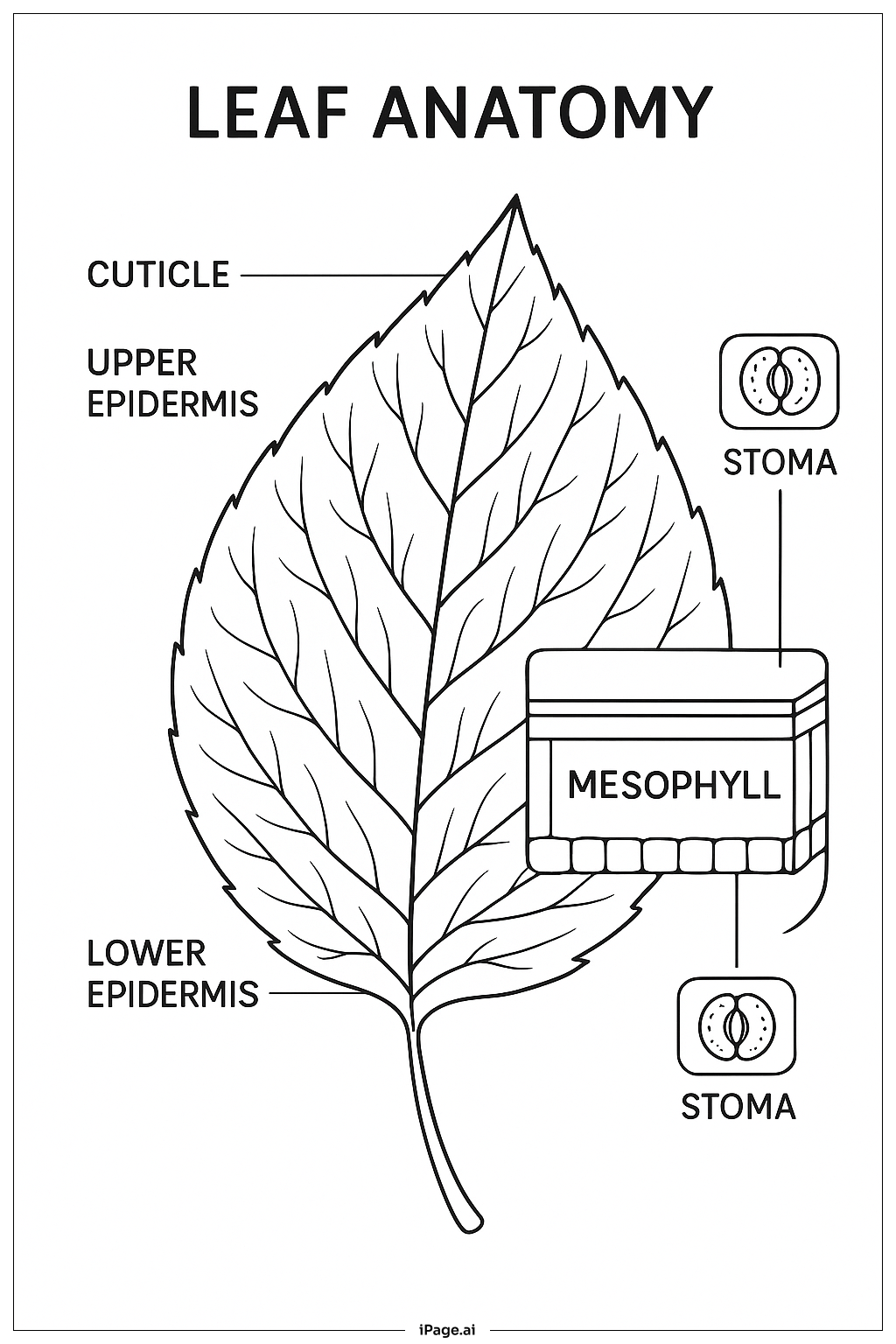
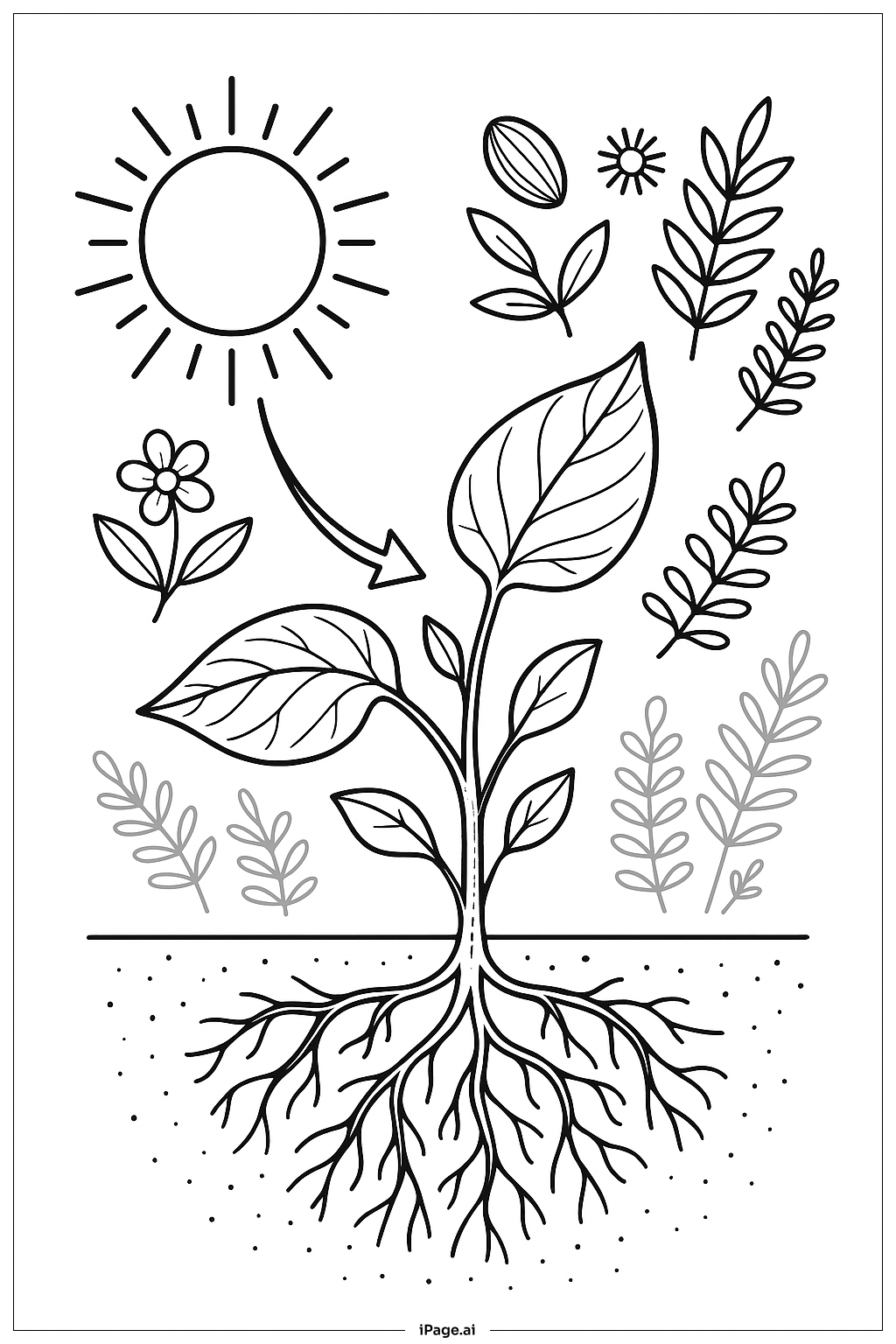
For the leaf, use different shades of green to make it look lively and natural. You can try light green for the main parts and darker green for the veins. For the water drop, use light blue or turquoise to create a fresh water effect. Add some white or light gray for shine to make it look shiny and wet. Try coloring carefully inside the lines to keep it neat. You can also blend colors smoothly inside the leaf to give it some depth and shadow. Take your time and enjoy coloring slowly for the best result.
Coloring challenges: Which parts are difficult to color and need attention for Photosynthesis Leaf and Water Drop coloring page?
1. Coloring inside the thin veins of the leaf might be tricky. It needs careful attention to avoid going outside the lines.
2. Shading the water drop to show its shiny spots can be hard. It needs smooth color blending to look realistic.
3. Choosing the right colors for the leaf veins and main parts can be challenging. It is important to use contrasting greens to show the veins clearly.
4. Keeping the water drop and the leaf distinctly colored without mixing colors requires a steady hand.
5. Adding shadows or darker areas to the leaf for depth might be difficult for beginners but helps the picture look lively.
Benefits of coloring books: Advantages of drawing Photosynthesis Leaf and Water Drop coloring page
Coloring this picture helps children learn about nature and photosynthesis in a creative way. It improves their fine motor skills by practicing staying within the lines. Blending colors in the leaf and water drop teaches them about light, shadow, and texture. This activity builds concentration and patience, as coloring requires careful attention to details. It also encourages creativity by letting kids experiment with different color shades and blending techniques. Overall, it is a fun and educational way to connect art with science.