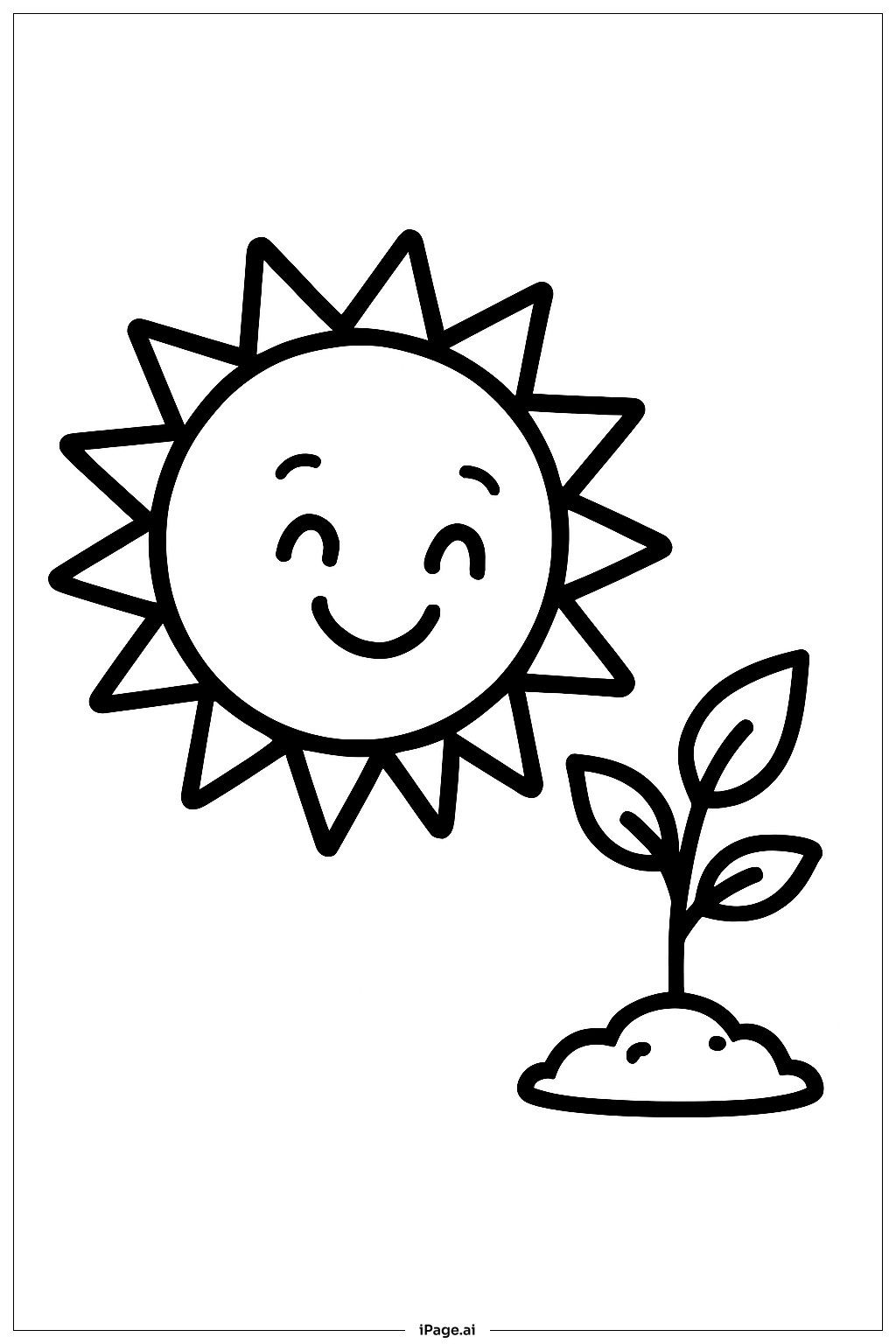
Coloring tips: How to color Photosynthesis Cartoon Sun Plant coloring page well?
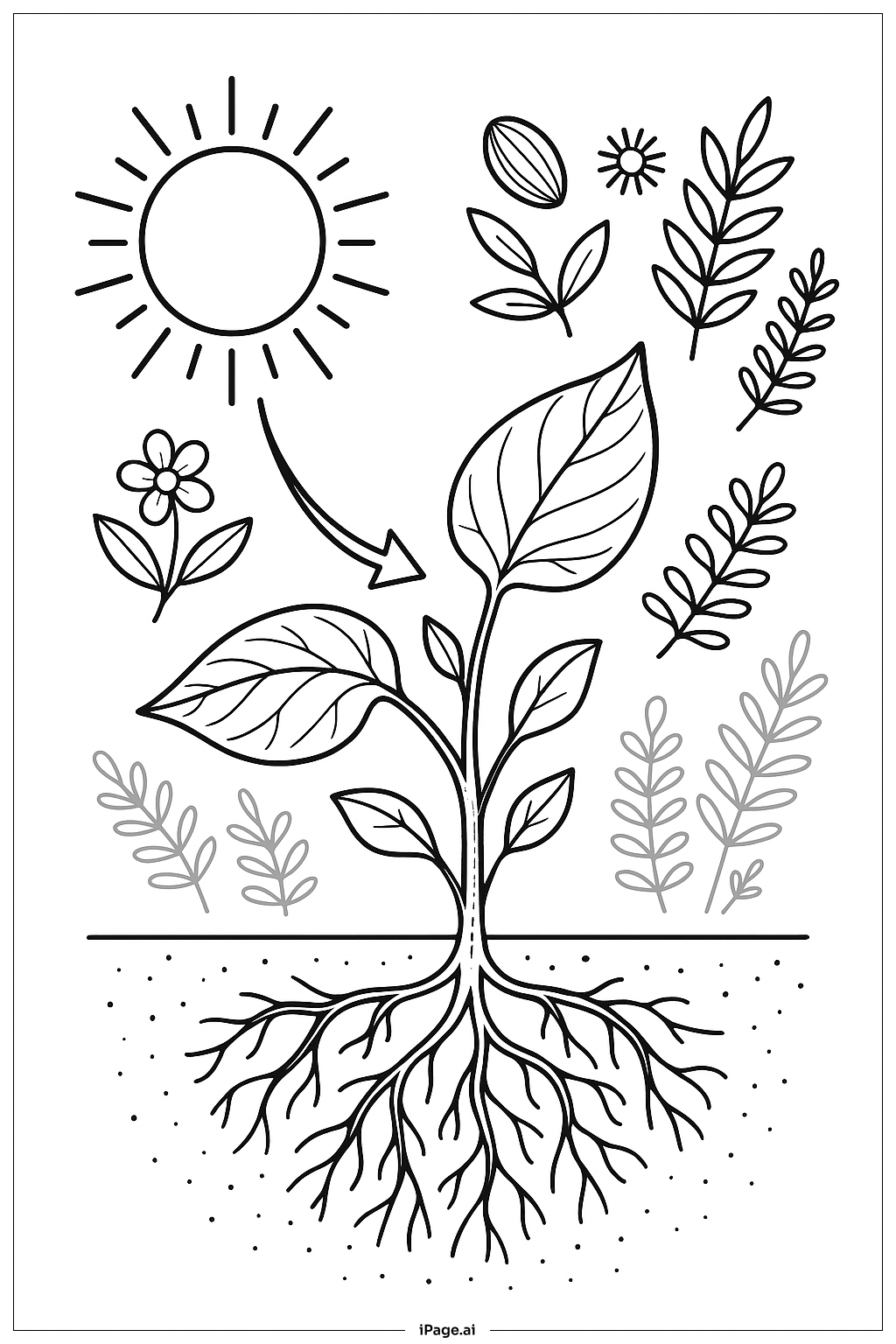
Start with the sun. Use a bright golden yellow for the center and add orange or warm amber along the edges of the rays to give it a glowing effect. For the plant leaves, bright green works beautifully, but try mixing in a slightly darker green for shading along the edges to add depth. Use a lighter, fresher green near the center of each leaf where sunlight hits directly. Color the stem in a medium green or warm brown. If the plant is in a pot, earthy tones like terracotta orange or clay brown look great. For the sky background, a soft sky blue creates a fresh, sunny feel. Water droplets can be colored in light blue or pale cyan. Add small touches of white to the sun rays and water drops to make them sparkle. Keep the colors bright and cheerful to match the fun, cartoon style of the image. Feel free to experiment and make it your own!
Coloring challenges: Which parts are difficult to color and need attention for Photosynthesis Cartoon Sun Plant coloring page?
• Sun Rays and Overlapping Lines: The sun has multiple wavy rays spreading outward, and keeping each ray neatly colored without going over the edges into nearby spaces can be tricky. Younger colorists may find it helpful to use a fine-tipped coloring tool to stay within the lines and keep each ray looking clean and distinct.
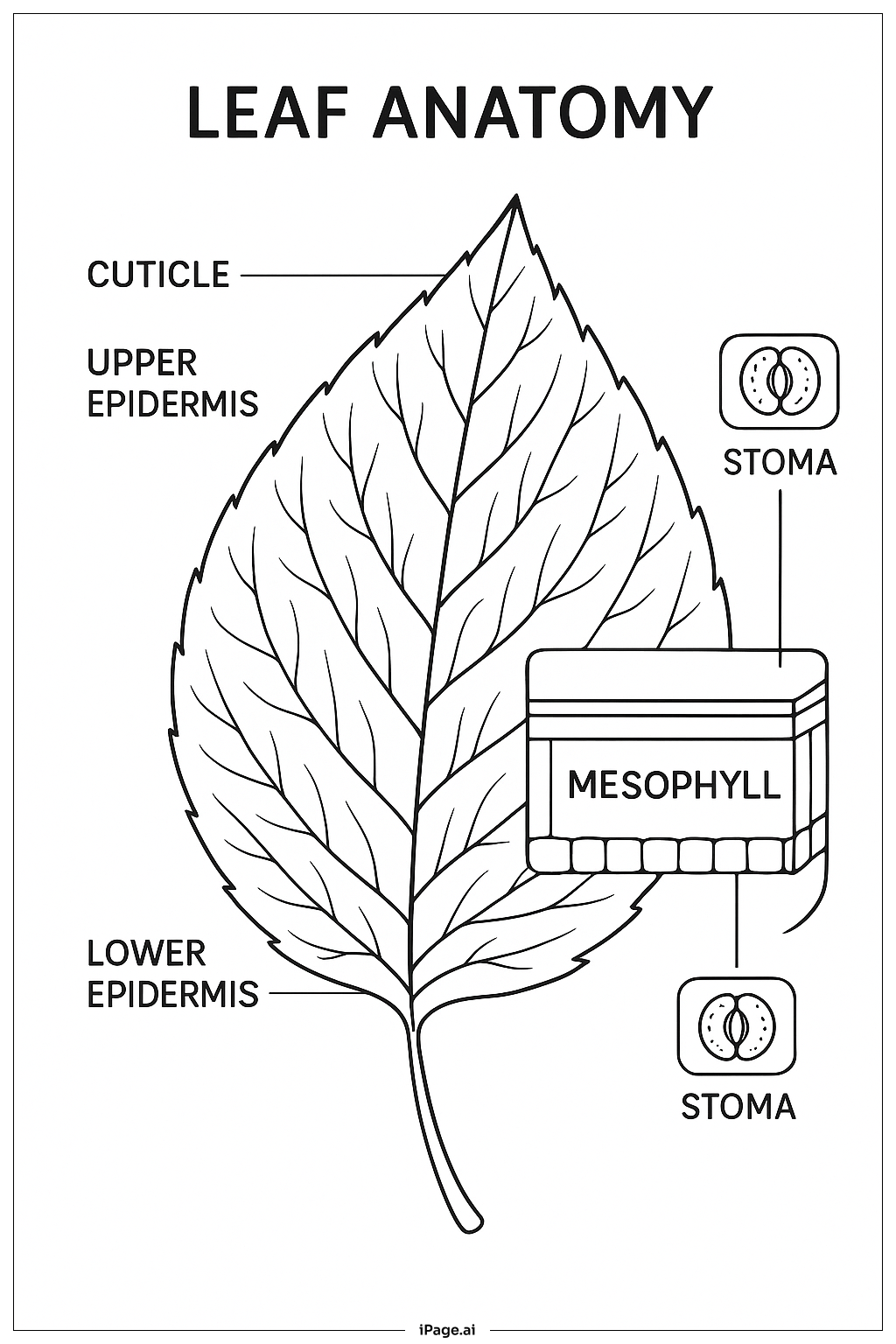
• Leaf Shading and Detail: The plant's leaves may have veins, curves, or layered shapes that require careful attention. Coloring each leaf section separately and adding subtle shading from light to dark green can make the leaves look more realistic and three-dimensional, but this requires a steady hand and patience.
• Small Scientific Symbols: Photosynthesis scenes often include tiny icons like water droplets, CO2 symbols, or directional arrows. These small elements are challenging to color precisely because of their size. Using a sharpened pencil or a fine marker will help keep these details looking neat and tidy.
• Separating Overlapping Elements: In cartoon-style educational images, different elements like the sun, leaves, arrows, and background may overlap or sit very close together. Choosing clearly contrasting colors for each element helps them stand out from one another and prevents the image from looking muddy or confusing.
• Consistent Color Tone Across the Plant: The plant has multiple leaves and possibly roots or a pot, all requiring a cohesive color scheme. Maintaining consistent shades throughout the plant without making it look flat or uneven is a challenge, especially for beginners learning to blend colors smoothly.
Benefits of coloring books: Advantages of drawing Photosynthesis Cartoon Sun Plant coloring page
Coloring this Photosynthesis Cartoon Sun Plant page offers a wonderful mix of creativity and learning for kids. As children color the sun, leaves, and plant details, they naturally start thinking about how plants grow and use sunlight, reinforcing what they may have learned in school in a fun and memorable way. This makes the coloring experience both educational and enjoyable at the same time.
Working through the different parts of the image helps build fine motor skills and hand-eye coordination. Staying within the lines, switching between colors, and filling in small details all strengthen the muscles and control needed for writing and other everyday tasks.
Choosing colors for the sun, leaves, and background also sparks creative thinking. Kids get to make their own decisions and express their personal style, which builds confidence and a sense of accomplishment when the page is complete.
The calm, focused nature of coloring is also great for emotional well-being. It encourages mindfulness and helps children slow down, concentrate, and find a sense of peace in a quiet activity. Overall, this page is a perfect blend of art, science, and relaxation for young learners.