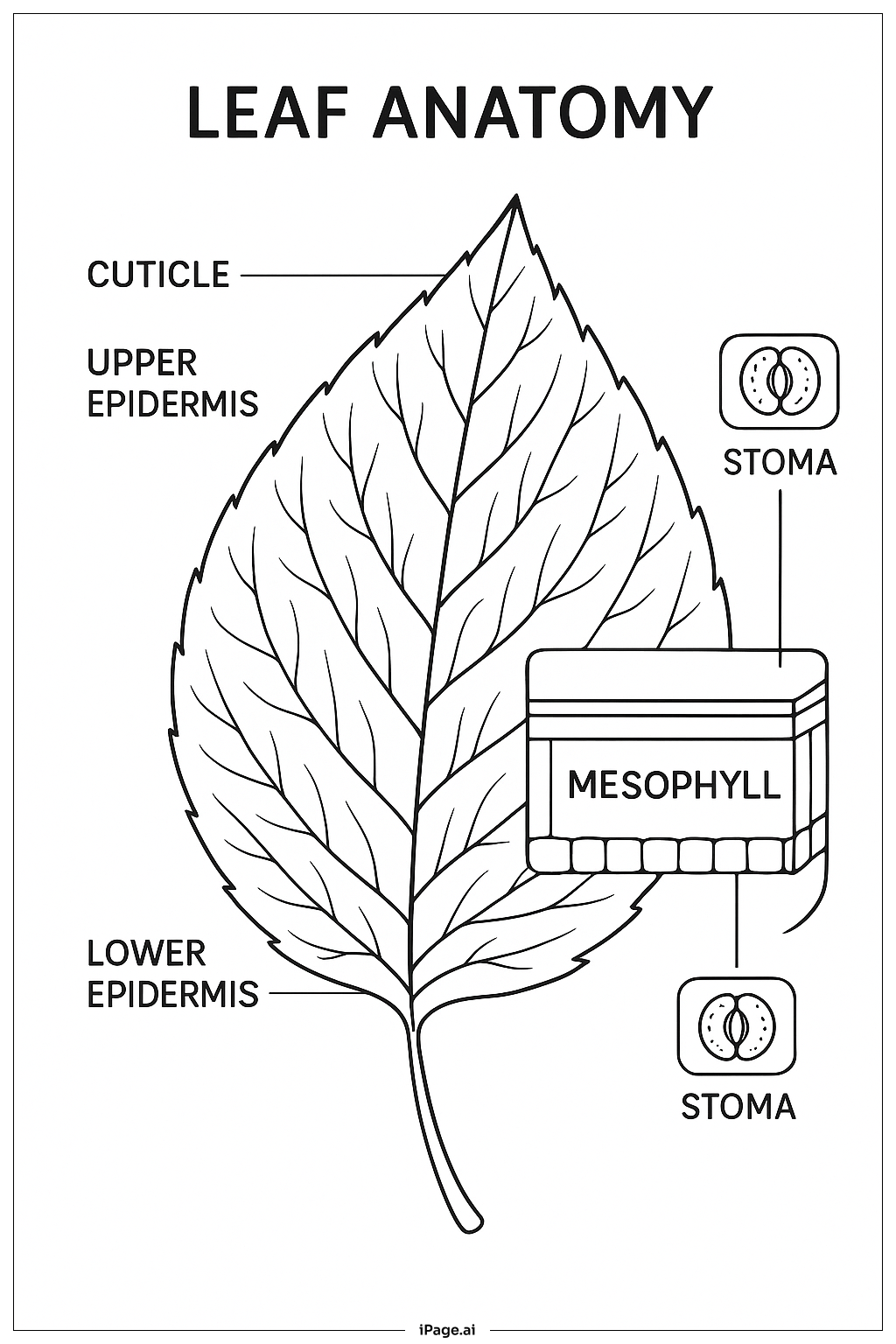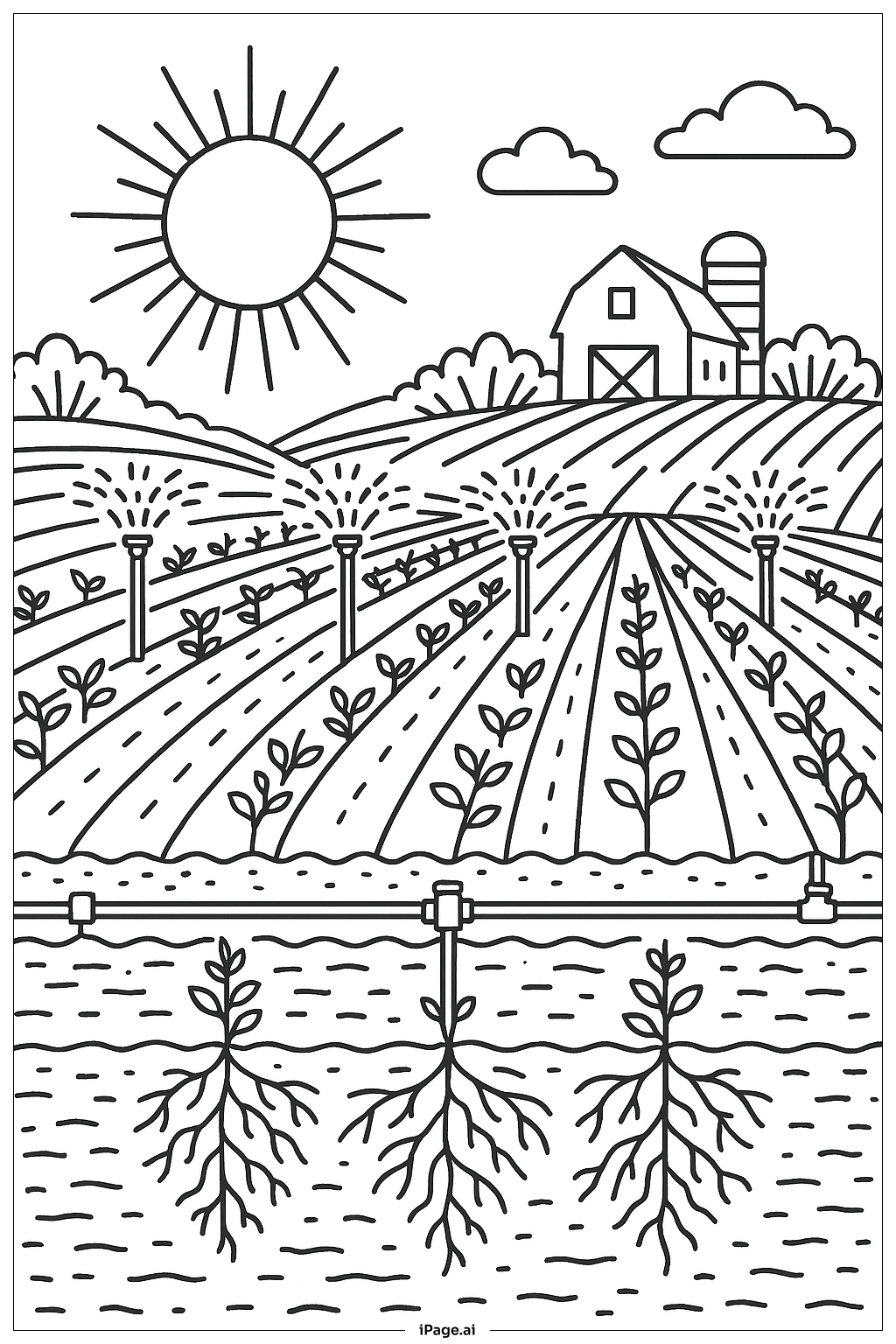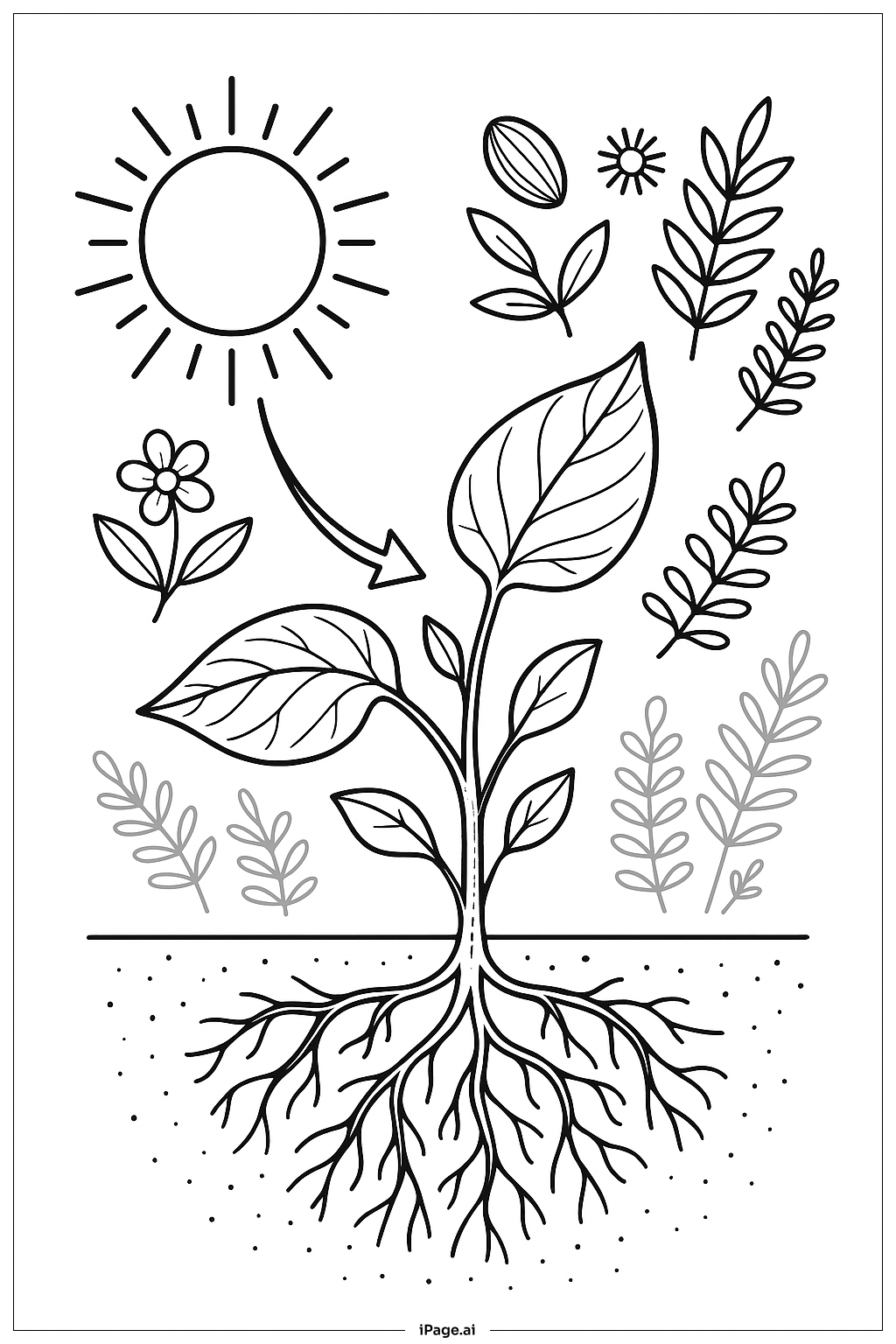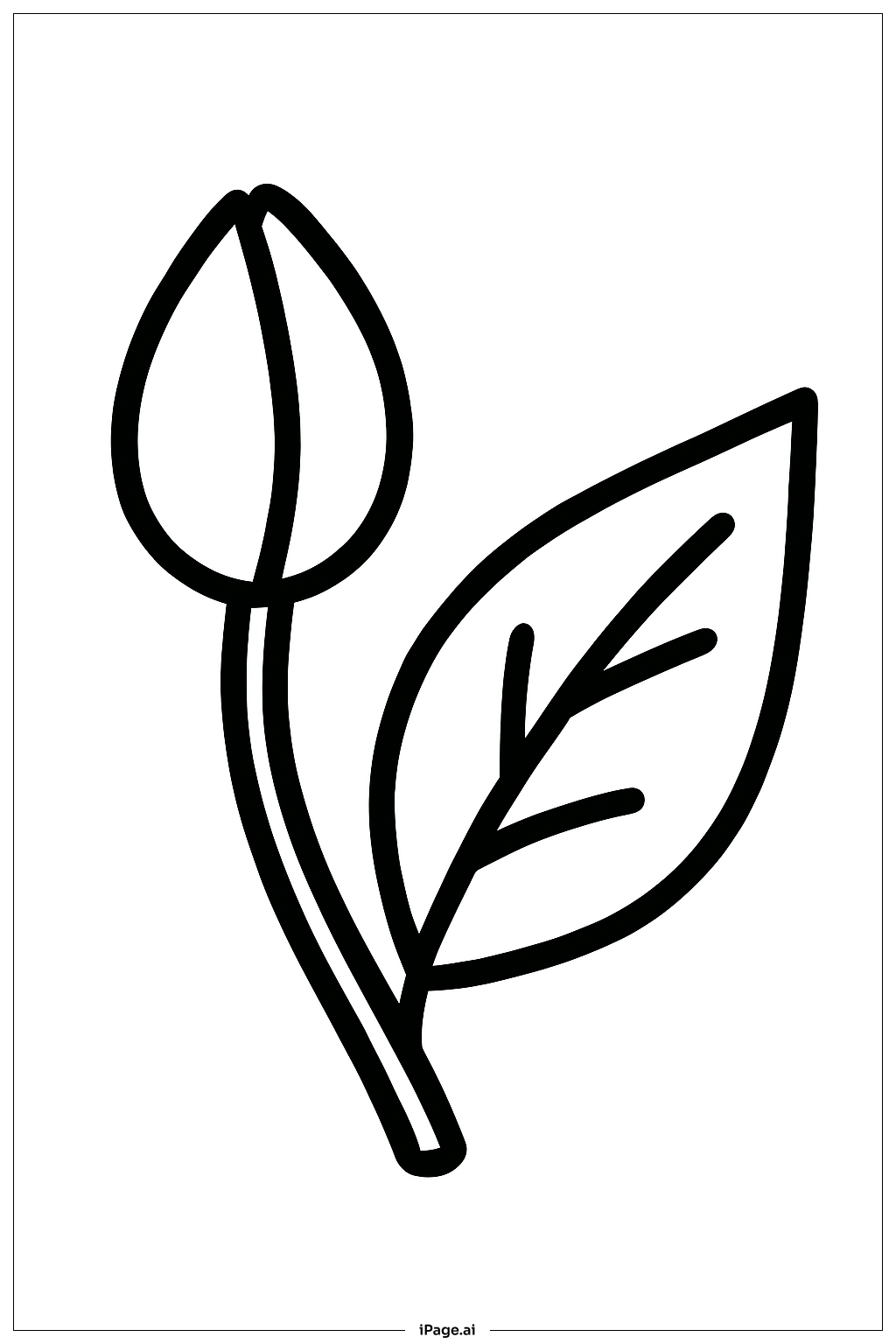
Coloring tips: How to color Photosynthesis Bud and Leaf coloring page well?
Use green shades for the leaf and stem, such as light green, medium green, and dark green to create depth. The bud can be colored with soft colors like pale pink, yellow, or light purple to make it stand out. Try coloring the veins in the leaf a darker green or brown to add realism. You can also mix different shades to give a 3D effect and make the drawing more lively. Avoid coloring outside the lines to keep the picture neat.
Coloring challenges: Which parts are difficult to color and need attention for Photosynthesis Bud and Leaf coloring page?
1. Staying inside the curved lines of the leaf and bud can be tricky for young children, requiring steady hand control.
2. Coloring the veins of the leaf neatly without mixing colors may be challenging, as they are narrower than the main leaf area.
3. Finding the right shades to represent the bud and the leaf realistically can take some effort, as some colors blend easily and may look messy.
4. Making the stem appear natural by using gradient colors without overcoloring is difficult for beginners.
5. Understanding where to use darker or lighter colors to create depth adds to the complexity of coloring this picture.
Benefits of coloring books: Advantages of drawing Photosynthesis Bud and Leaf coloring page
Coloring this picture helps children improve their fine motor skills as they learn to stay within the lines. It also encourages creativity by allowing kids to choose different colors for the leaf and the bud. Through this activity, children get familiar with plants and nature, deepening their understanding of photosynthesis. Moreover, coloring can be calming and boost focus, offering a relaxing way for kids to engage with science in an artistic way.