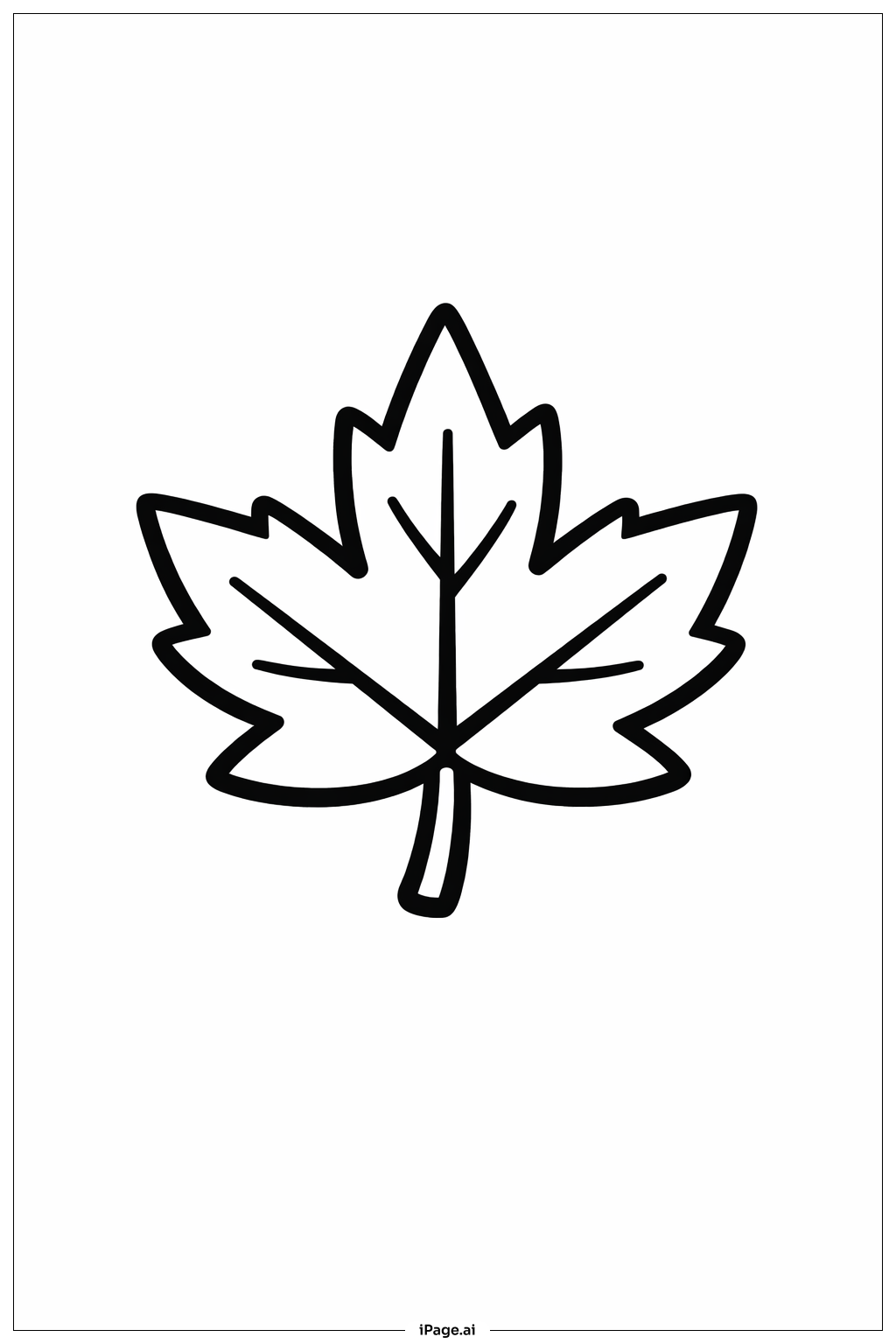
Coloring tips: How to color Fall Leaf coloring page well?
Try using a mix of warm colors like red, orange, yellow, and brown to fill this leaf. You can start with a light yellow or orange base, then add reds near the edges or tips. Blending these colors can create a natural and beautiful look like real fall leaves. For the veins, consider using a slightly darker shade to make them stand out. You can also add some spots or patches of different colors to show how leaves change over time. Feel free to use crayons, markers, or colored pencils depending on your favorite tool. Just remember to color inside the lines to keep the picture neat!
Coloring challenges: Which parts are difficult to color and need attention for Fall Leaf coloring page?
1. Coloring the small spaces between the veins can be tricky because they are narrow and require careful attention to stay inside the lines. 2. Blending multiple warm colors smoothly might be difficult for beginners who are still learning how to mix colors gently. 3. Keeping the colors balanced around the leaf to make it look natural may need some practice and patience. 4. Avoiding color bleed outside the lines, especially if using markers, can be challenging for younger children. 5. Adding details like spots or different shades without making the leaf look messy needs some control and planning.
Benefits of coloring books: Advantages of drawing Fall Leaf coloring page
Coloring this fall leaf helps kids develop fine motor skills as they carefully color inside the veins and lobes. It also encourages creativity to choose and blend autumn colors. Kids learn about nature and seasons by connecting the leaf shape to fall changes. This activity improves focus, patience, and hand-eye coordination. Plus, it’s a relaxing and fun way to express artistic ideas related to fall.