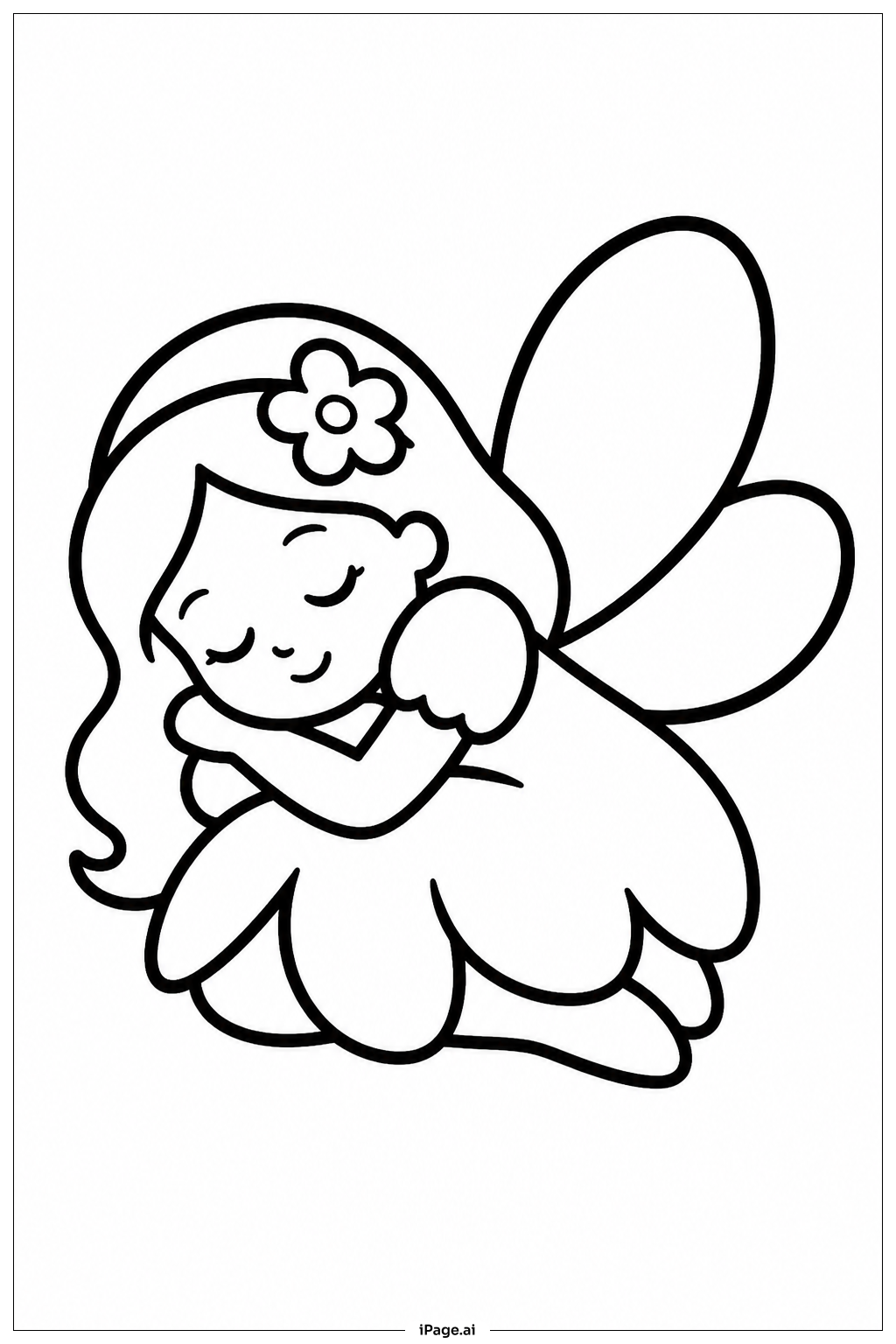
Coloring tips: How to color Sleeping Fairy coloring page well?
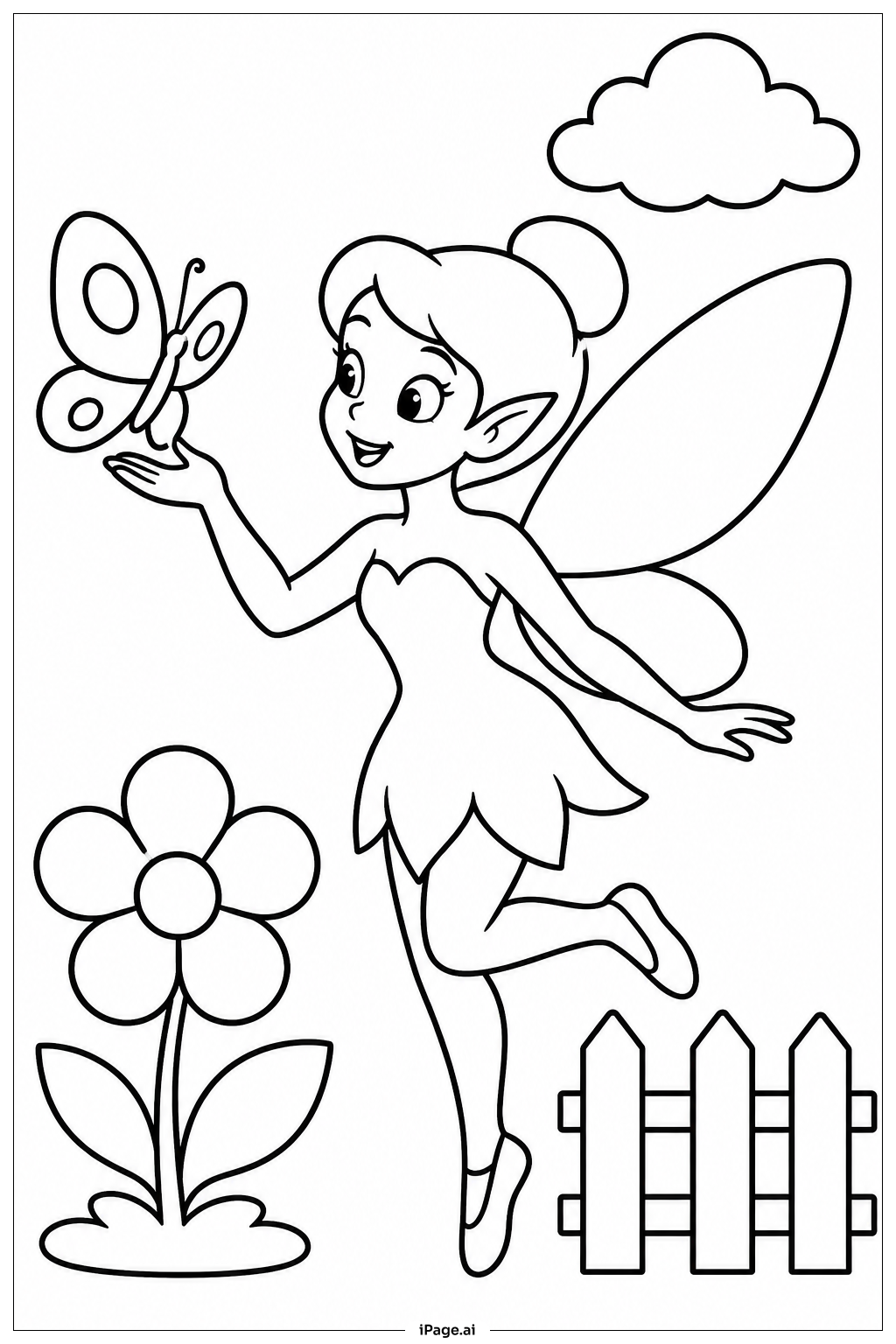
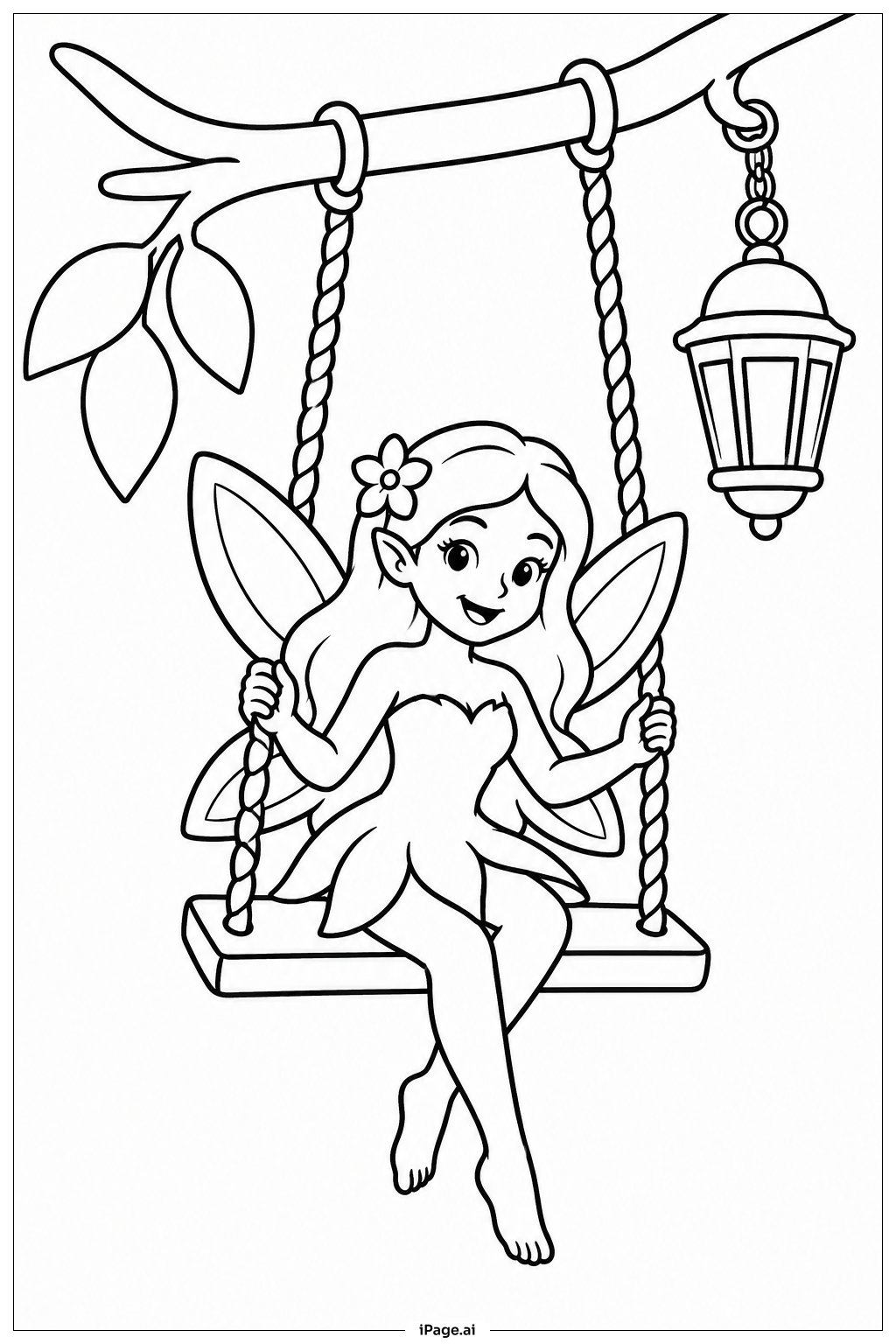
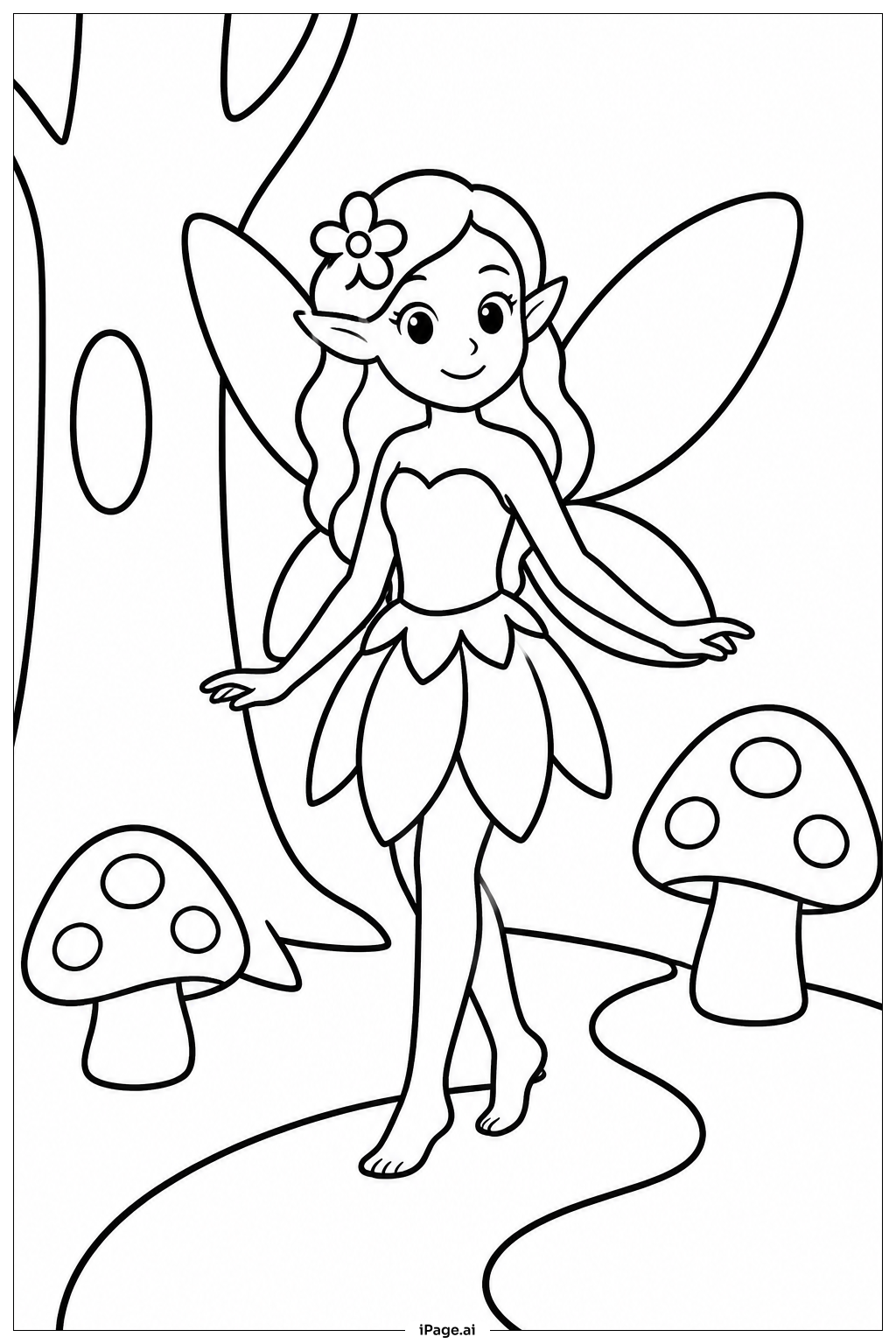
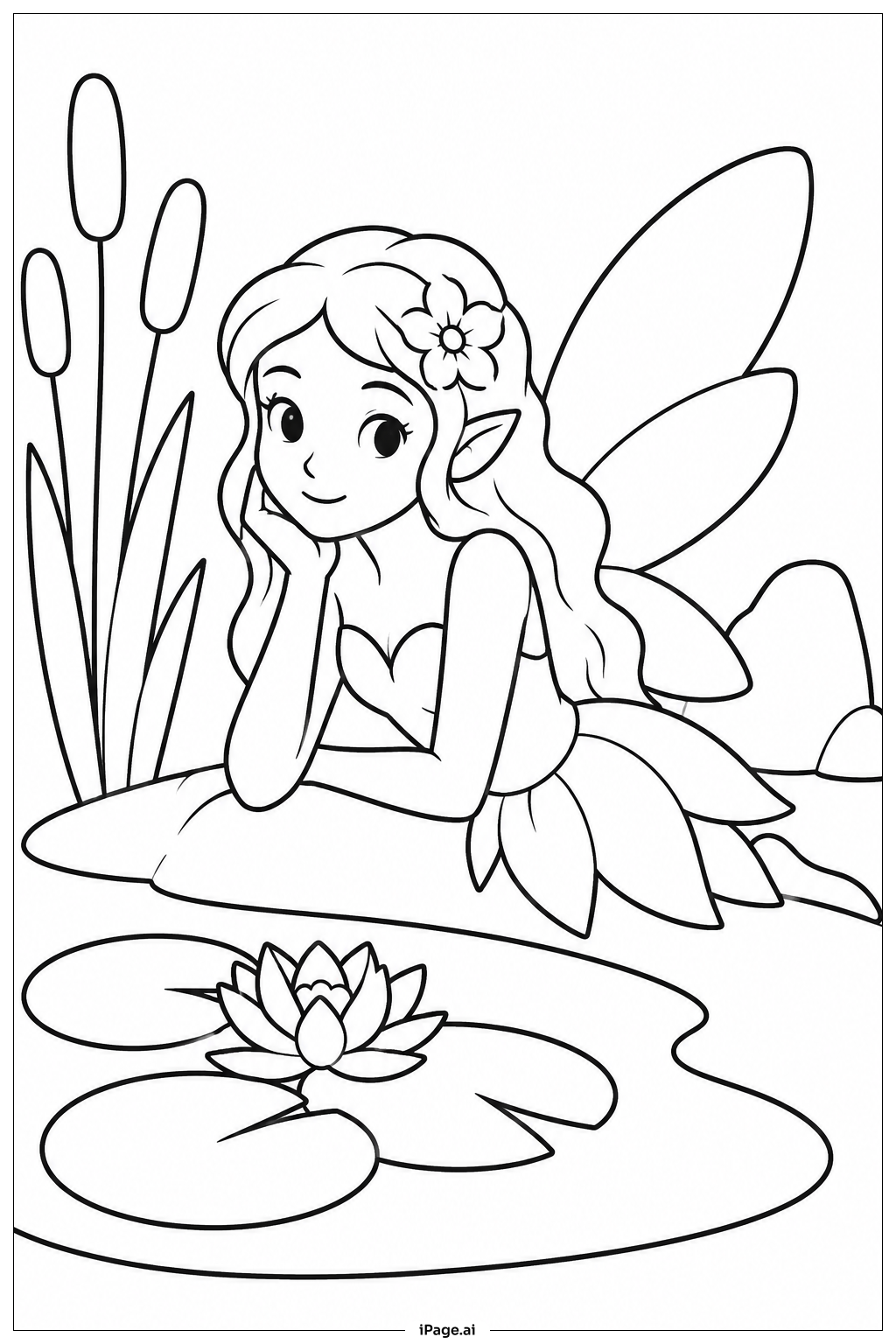
To color this Sleeping Fairy, try soft pastels for a dreamy effect. Use gentle pinks, lilacs, and mint greens for her wings and clothes to keep the look light and magical. For her hair, golden yellows or silvery blues can add shimmer and fantasy feel. The flowers around her can be bright reds, purples, and yellows to bring cheerful contrast, while the leafy bed may be various shades of green. Don’t forget to add subtle shading on her skin and clothes to give depth. You can make the butterflies vibrant with rainbow colors or soft hues, depending on your style. Use light touches and layering to create a calm, peaceful mood throughout the picture.
Coloring challenges: Which parts are difficult to color and need attention for Sleeping Fairy coloring page?
• Fine Details: The image contains many small elements like delicate flower petals, tiny butterflies, and the intricate wing patterns. Coloring these without going outside the lines will require careful hand control and patience.
• Subtle Shadows: The fairy’s sleeping pose creates gentle shadows on her face and folds of clothes, which can be challenging to shade softly to keep the peaceful expression.
• Texture Variation: The image contrasts soft textures like her hair and skin with the more structured leaves and wings. Using different coloring techniques to show these differences can be tricky.
• Color Blending: Achieving smooth transitions especially on the fairy’s wings and the natural background calls for blending colors well which might be hard for beginners.
• Balanced Contrast: Keeping the fairy the focal point while coloring the busy background of leaves and flowers in a way that does not overwhelm is a delicate balance to maintain.
Benefits of coloring books: Advantages of drawing Sleeping Fairy coloring page
Coloring this Sleeping Fairy helps develop patience and attention to detail due to the many small elements. It encourages creativity by allowing children to experiment with magical color combinations like pastels and sparkly hues. The peaceful scene promotes relaxation and calmness while coloring. Working on the delicate wings and soft shading enhances fine motor skills and hand-eye coordination. Additionally, coloring nature elements like flowers and butterflies boosts an appreciation for natural beauty and imagination, making the activity both fun and educational.