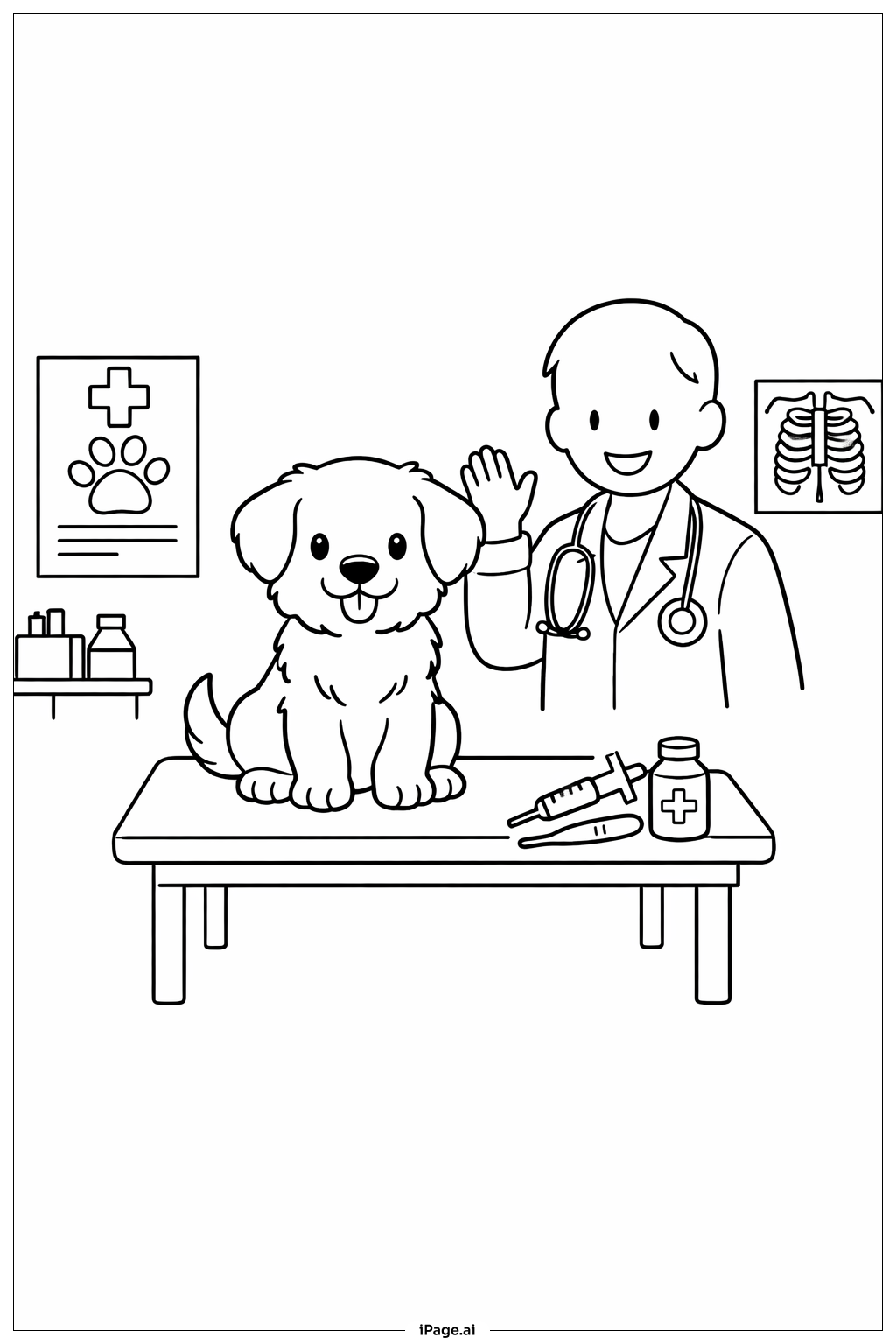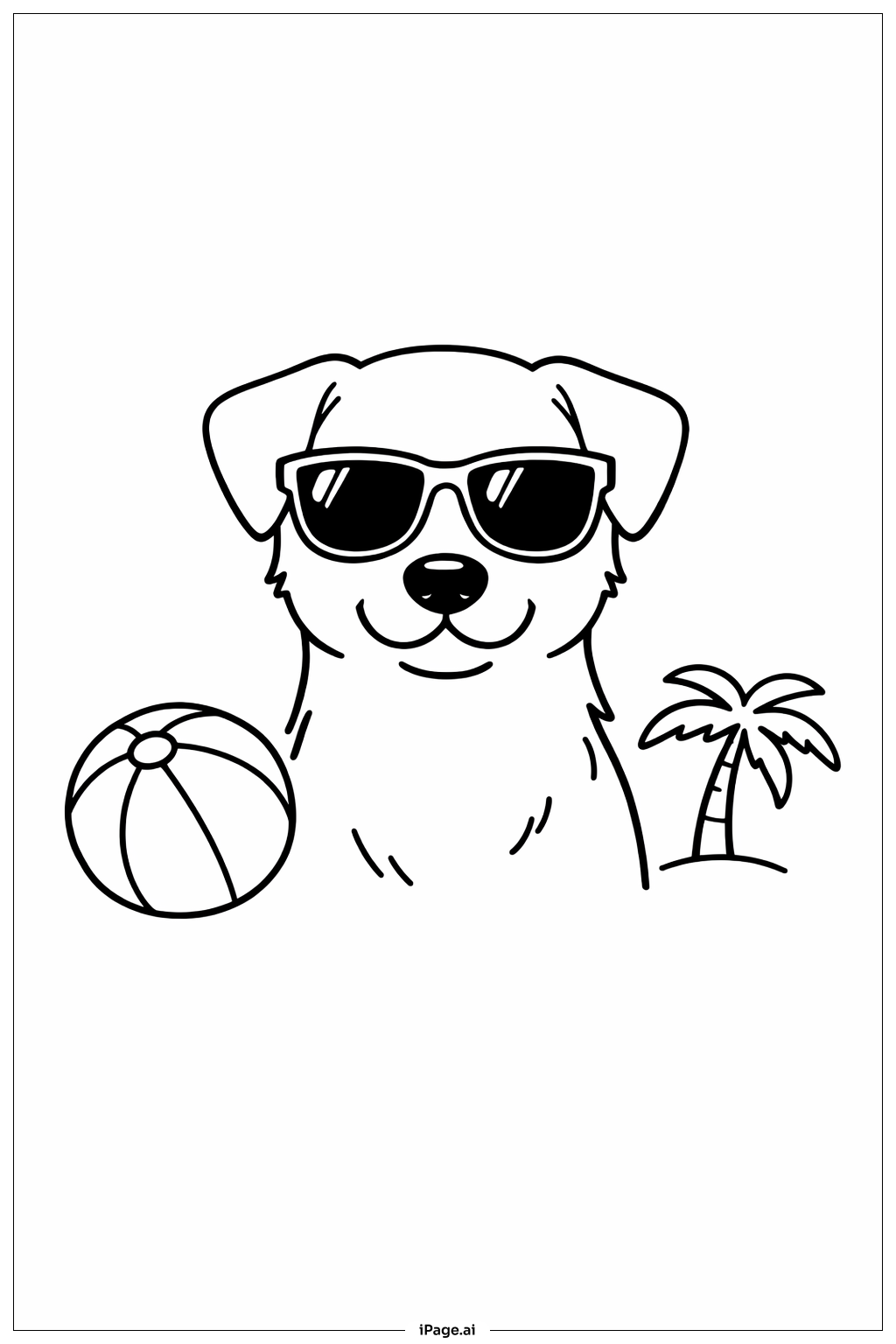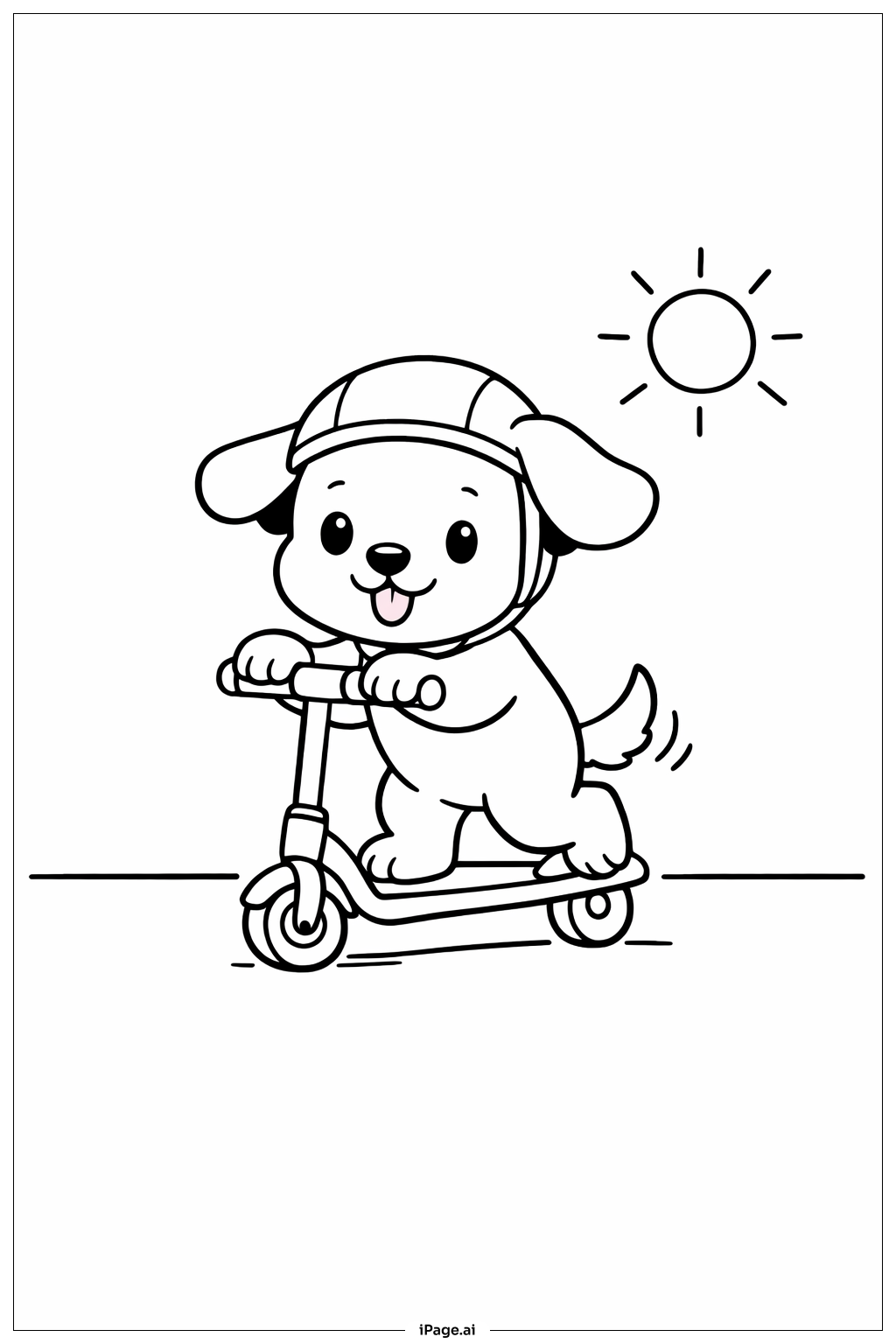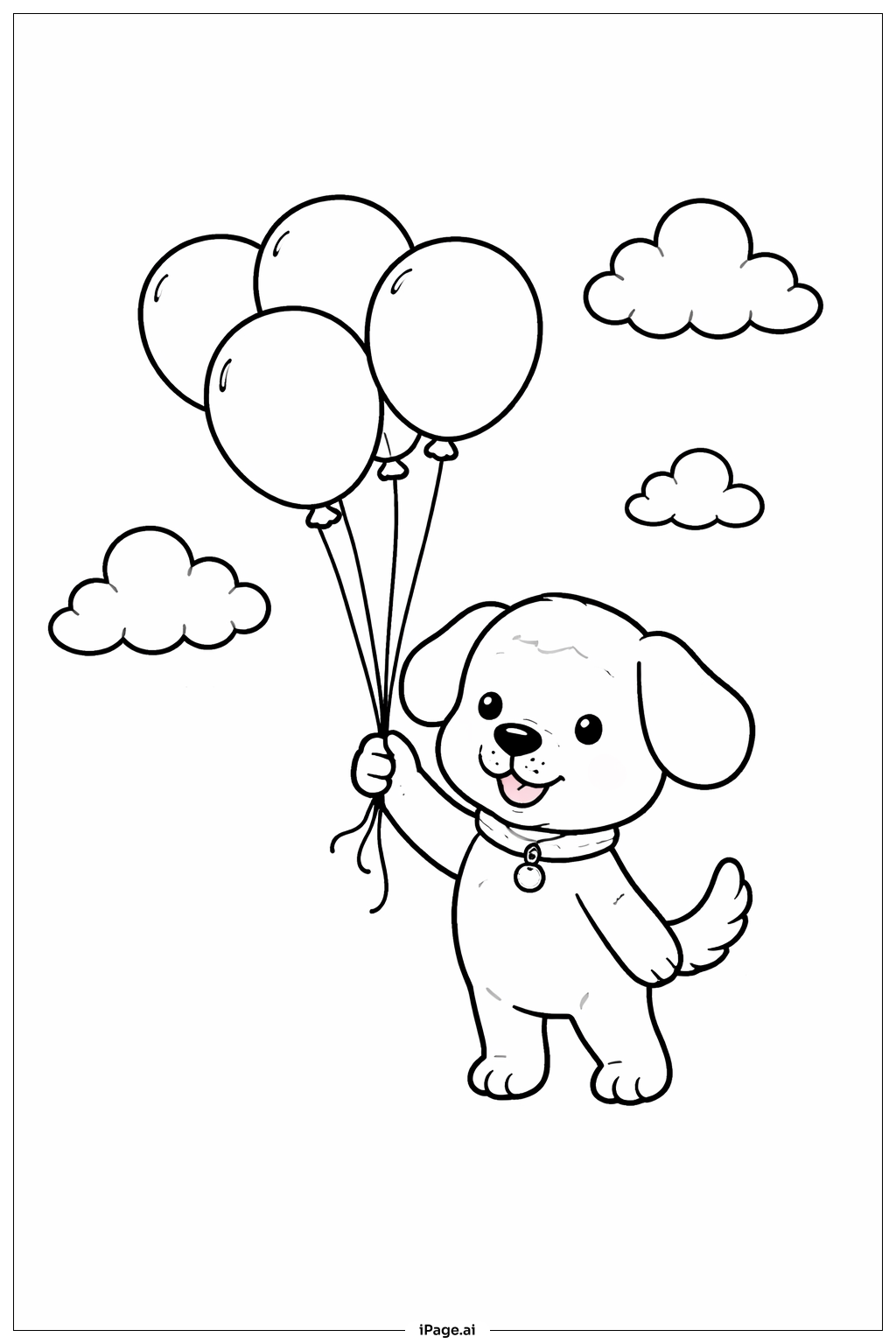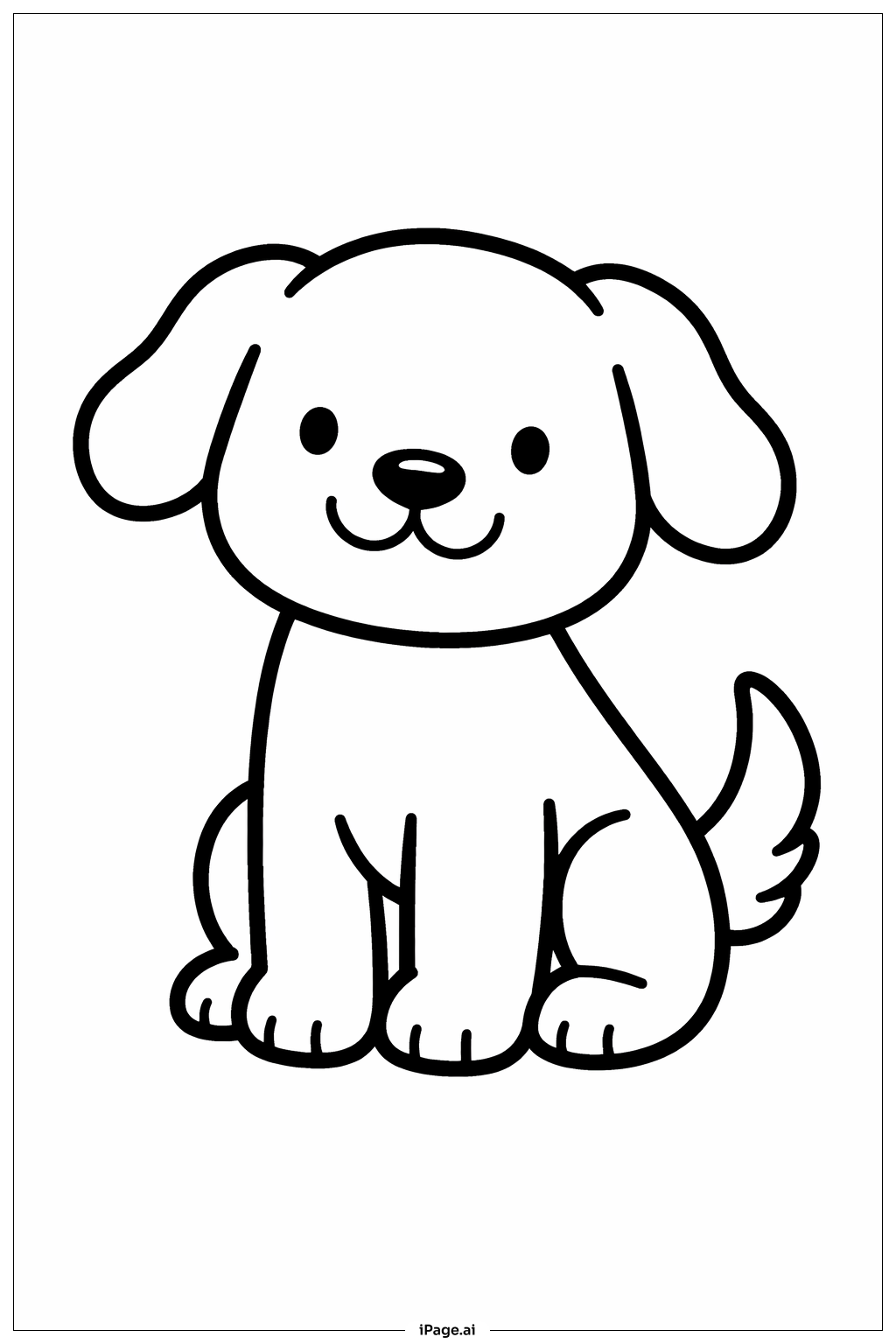
Coloring tips: How to color Sitting Dog coloring page well?
Start by choosing a base color for the dog's fur. Dogs come in many natural shades, so you can go with golden yellow, warm brown, creamy white, gray, or even black. Use a lighter version of your base color on the belly, chest, and inner ears to show softer areas. Add a slightly darker shade along the back, top of the head, and outer ears to give the fur some depth. Color the nose dark brown or black, and make the eyes a rich brown or hazel. Leave a tiny white dot in each eye to make them look shiny and alive. The tongue, if visible, can be a soft pink. You can also get creative and color the dog in fun, imaginative colors like blue or purple for a playful, fantasy feel. Use short, light pencil strokes to mimic the look of real fur. Remember, there is no wrong color choice — just have fun and make it your own!
Coloring challenges: Which parts are difficult to color and need attention for Sitting Dog coloring page?
• Fur Texture and Direction: One of the trickiest parts of coloring a dog is making the fur look realistic. Fur is not one flat color — it has layers, highlights, and shadows. You need to use short, directional strokes that follow the natural flow of the fur. On the back, strokes should go downward. Around the face, they radiate outward from the nose. This takes patience and a steady hand, especially for younger colorists.
• Blending Multiple Shades: To make the dog look three-dimensional, you need to blend at least two or three shades of the same color. This means applying lighter tones first, then gently layering darker tones on top in shadow areas like under the ears, around the neck, and beneath the chin. Smooth blending without harsh lines can be difficult for beginners.
• Facial Features: The face has several small, closely spaced details — eyes, nose, and mouth — all within a tight area. Staying inside the lines and applying the right colors without muddying adjacent areas requires careful control. The eyes especially need a delicate touch to look expressive and lifelike rather than flat.
• Ear Shading: The floppy ears need darker shading on the underside and inner folds to look natural and three-dimensional. Getting the gradient right from light at the top to dark at the base can be challenging for kids who are still learning how to shade.
• Keeping Colors Clean: With a figure like a dog that has detailed outlines and varied textures, it is easy for colors to bleed into the wrong sections. Taking your time and using sharp pencils or fine-tip markers helps keep each area neat and well-defined.
Benefits of coloring books: Advantages of drawing Sitting Dog coloring page
Coloring this sitting dog image is a wonderful activity for kids and beginners of all ages. It helps build fine motor skills as children carefully fill in the fur, face, and body with color. Learning to stay within the lines strengthens hand-eye coordination and prepares young learners for writing.
This image also encourages creativity. Kids get to decide what kind of dog they want — realistic or fantastical — and choose colors that reflect their own imagination. That sense of ownership over their artwork builds confidence and self-expression.
Working on the shading and blending challenges in this image introduces children to basic art concepts like light and shadow in a fun, low-pressure way. It teaches them that small details, like a shiny spot in the eye or a darker tone under the ear, can bring a drawing to life.
Coloring is also a calming activity. It helps children focus, reduce stress, and practice patience — especially when working on the detailed fur texture or tiny facial features. Completing the page gives a strong sense of accomplishment.
For animal lovers, coloring a dog is especially enjoyable and can spark conversations about dog breeds, pet care, and the bond between humans and animals. It is both a creative and educational experience wrapped into one fun activity.