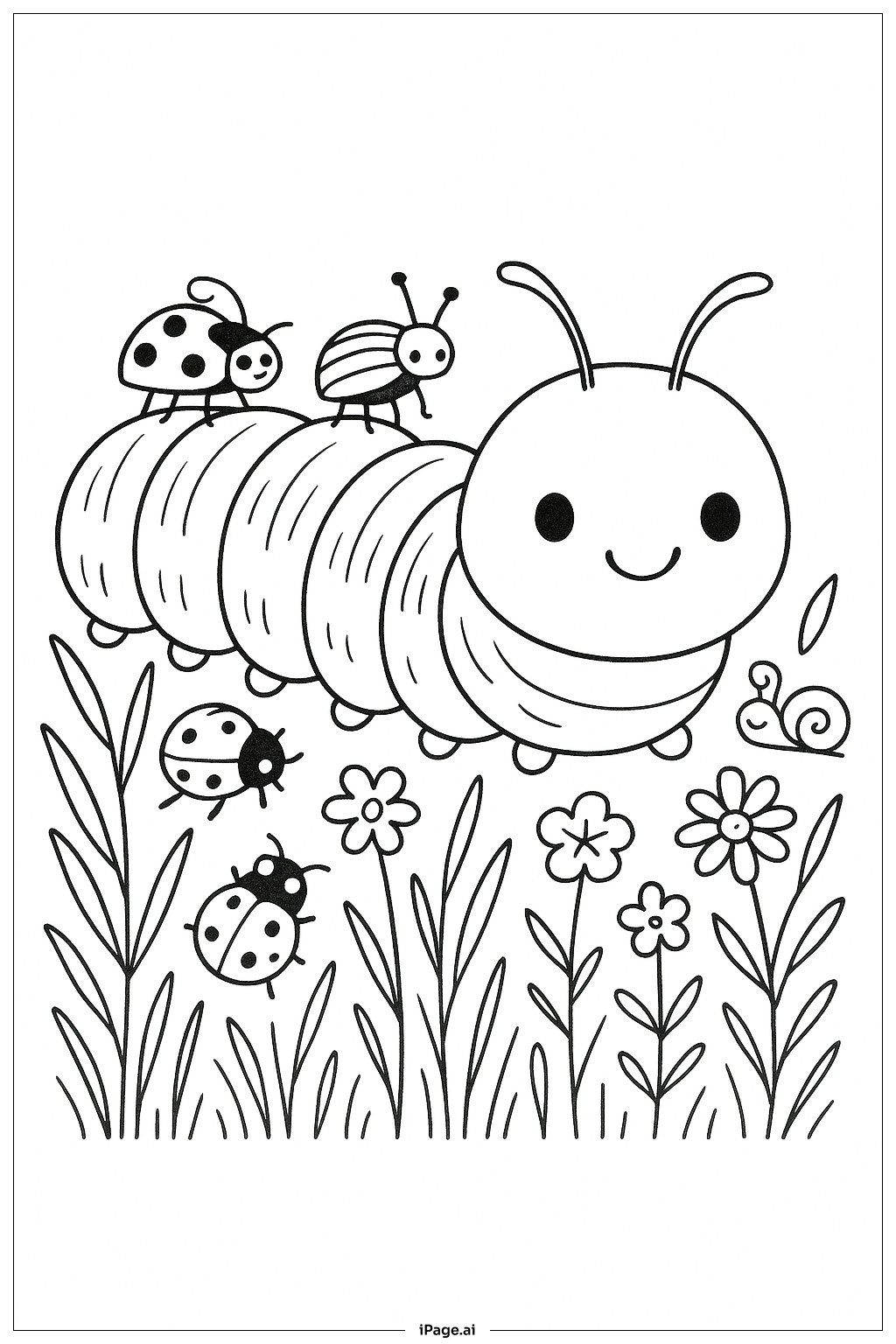
Coloring tips: How to color Caterpillar And Tiny Insect Friends coloring page well?
Start with the caterpillar as your focal point. Use bright green for its body segments, adding yellow or orange accents between sections to create dimension. Color the friendly face with rosy cheeks using pink or peach. For the ladybug, choose classic red with black spots, or try orange or yellow for variety. The bee works beautifully with yellow and black stripes and translucent blue or white for wings. Give the butterfly vibrant wings using rainbow colors, mixing purples, pinks, blues, and oranges in the wing patterns. Color the ants in brown or black, and use earth tones for any beetles. Add life to the background with light green grass, colorful flowers in reds, purples, and yellows, and various shades of green for leaves. Use lighter shades for highlights to make your insects pop off the page.
Coloring challenges: Which parts are difficult to color and need attention for Caterpillar And Tiny Insect Friends coloring page?
• Small Insect Details: The tiny insect friends present a challenge due to their small size and intricate features. Each bug has delicate antennae, legs, and wings that require careful coloring within tight spaces. Young children may find it difficult to stay within the lines when working on the bee's stripes or the ladybug's spots. Using fine-tipped markers or sharpened colored pencils will help achieve precision in these miniature areas.
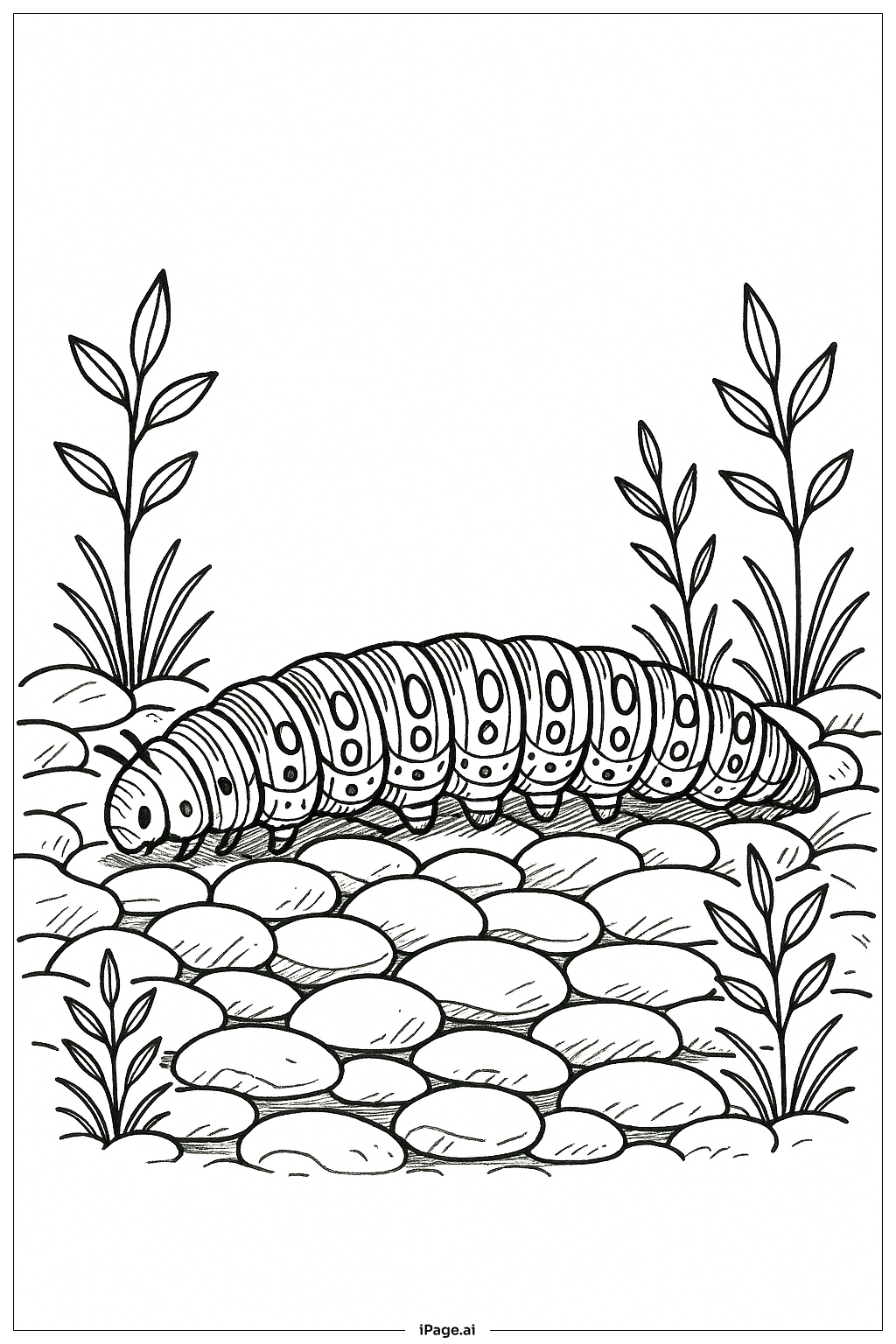
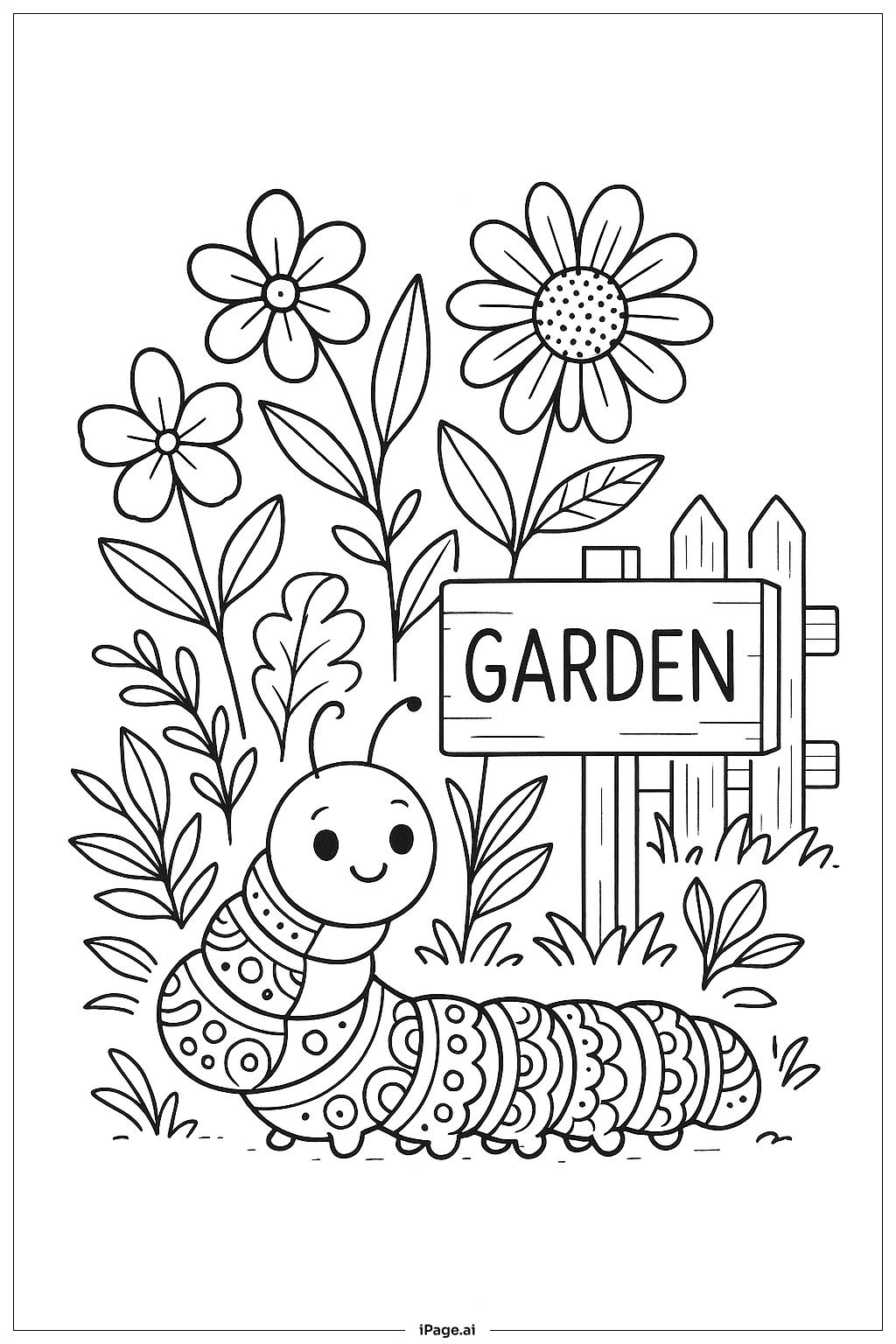
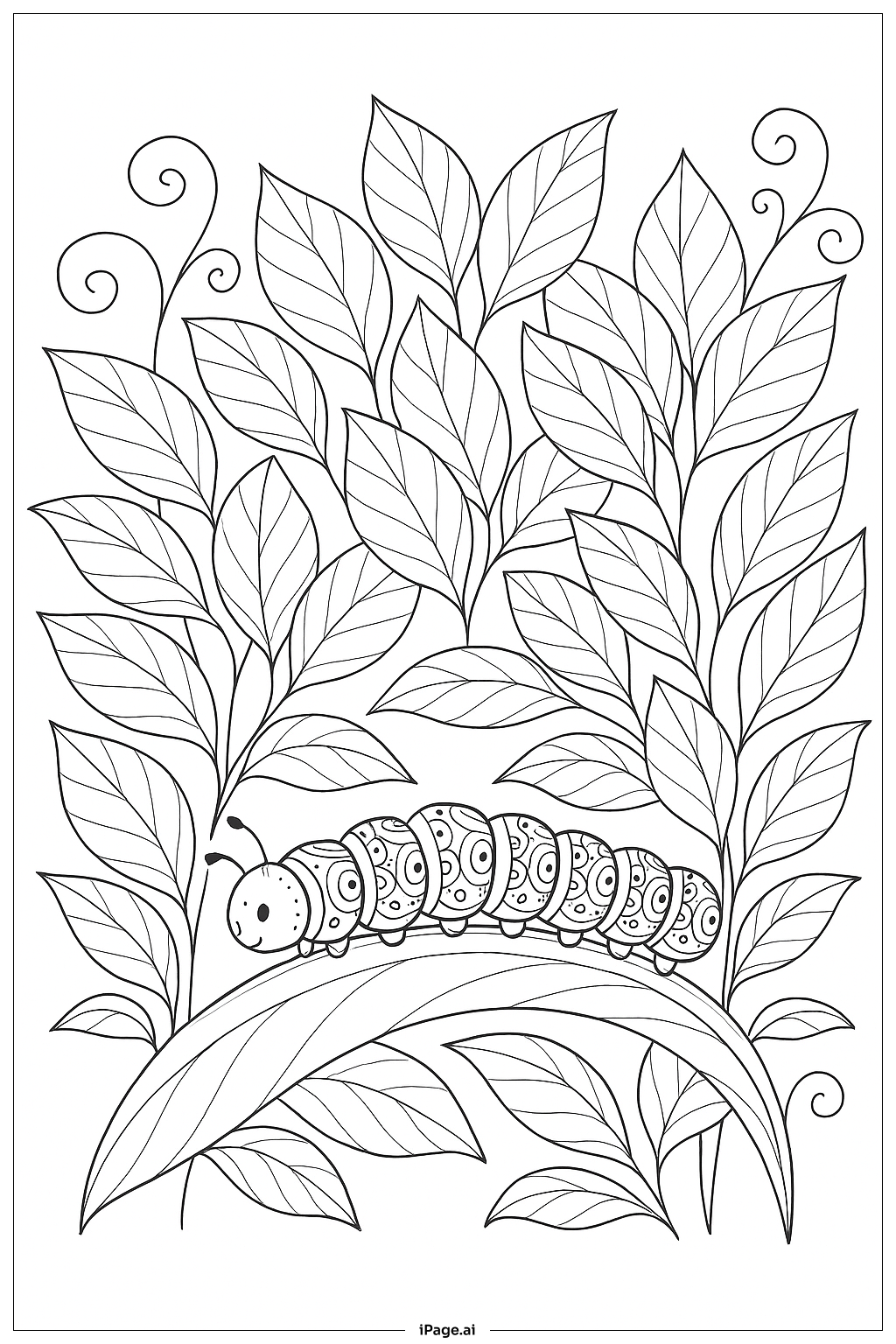
• Caterpillar Segmentation: The caterpillar's body consists of multiple rounded segments that need consistent coloring to maintain a cohesive look. Creating smooth transitions between segments while adding shading to show dimension can be tricky. Children must decide whether to color each segment the same or alternate colors, and maintaining pattern consistency across all segments requires patience and planning.
• Butterfly Wing Patterns: The butterfly wings often feature symmetrical patterns that challenge colorists to match colors and designs on both sides. Creating balanced, mirror-image patterns requires attention to detail and color planning. The delicate patterns within the wings, such as circles, stripes, or abstract shapes, need steady hands to fill without crossing boundaries.
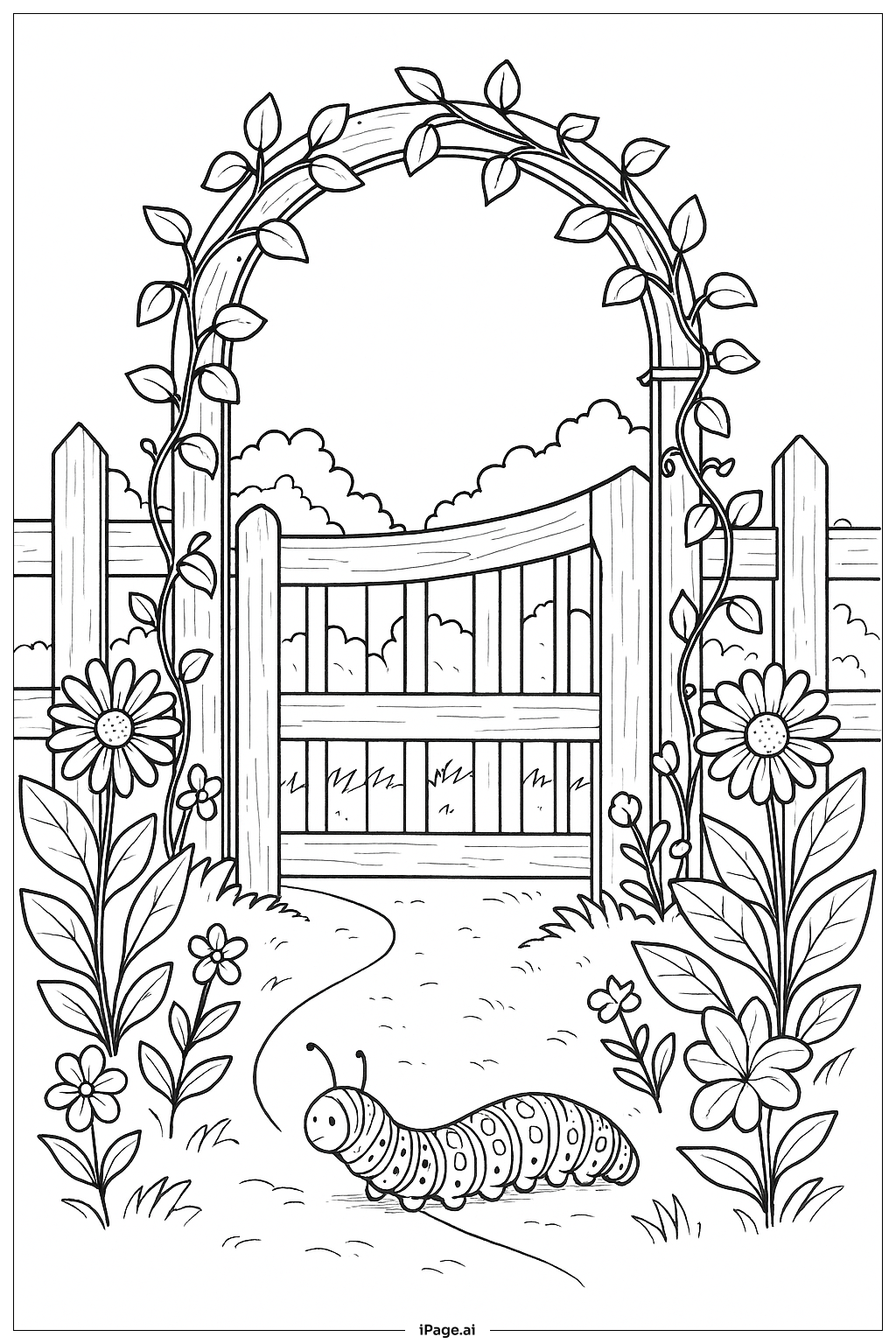
• Background Element Layering: Distinguishing between overlapping elements like leaves, flowers, and grass behind the insects requires thoughtful color choices. Colorists must use contrasting shades to prevent elements from blending together visually. Deciding which elements are in the foreground versus background and adjusting color intensity accordingly adds complexity to the overall composition.
Benefits of coloring books: Advantages of drawing Caterpillar And Tiny Insect Friends coloring page
Coloring this Caterpillar And Tiny Insect Friends page offers wonderful developmental benefits for children. It enhances fine motor skills as they carefully color tiny details like antennae, legs, and wing patterns, improving hand-eye coordination and pencil control. The variety of insects teaches children about different bug species and their characteristics, fostering curiosity about nature and the environment. Working with multiple small characters encourages focus and concentration as children complete each insect friend. The page promotes color recognition and decision-making as they choose appropriate colors for realistic or imaginative interpretations. Planning color schemes for multiple elements develops organizational thinking and artistic expression. The friendly, non-threatening depiction of insects helps children develop positive associations with nature and small creatures. Completing this detailed page builds patience, perseverance, and confidence. The social theme of friendship among the insects can spark conversations about cooperation and community.