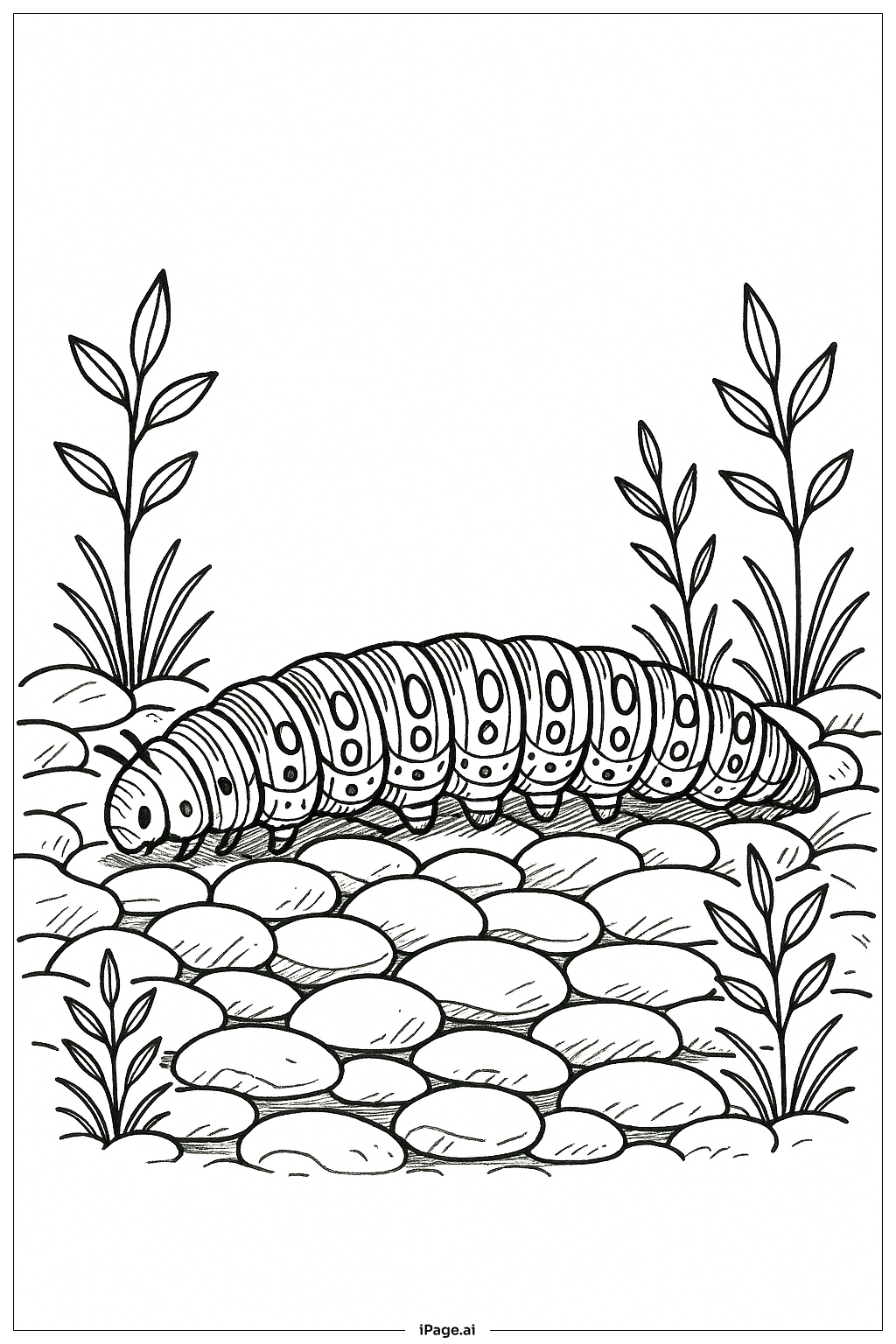
Coloring tips: How to color Caterpillar Crossing Pebble Path coloring page well?
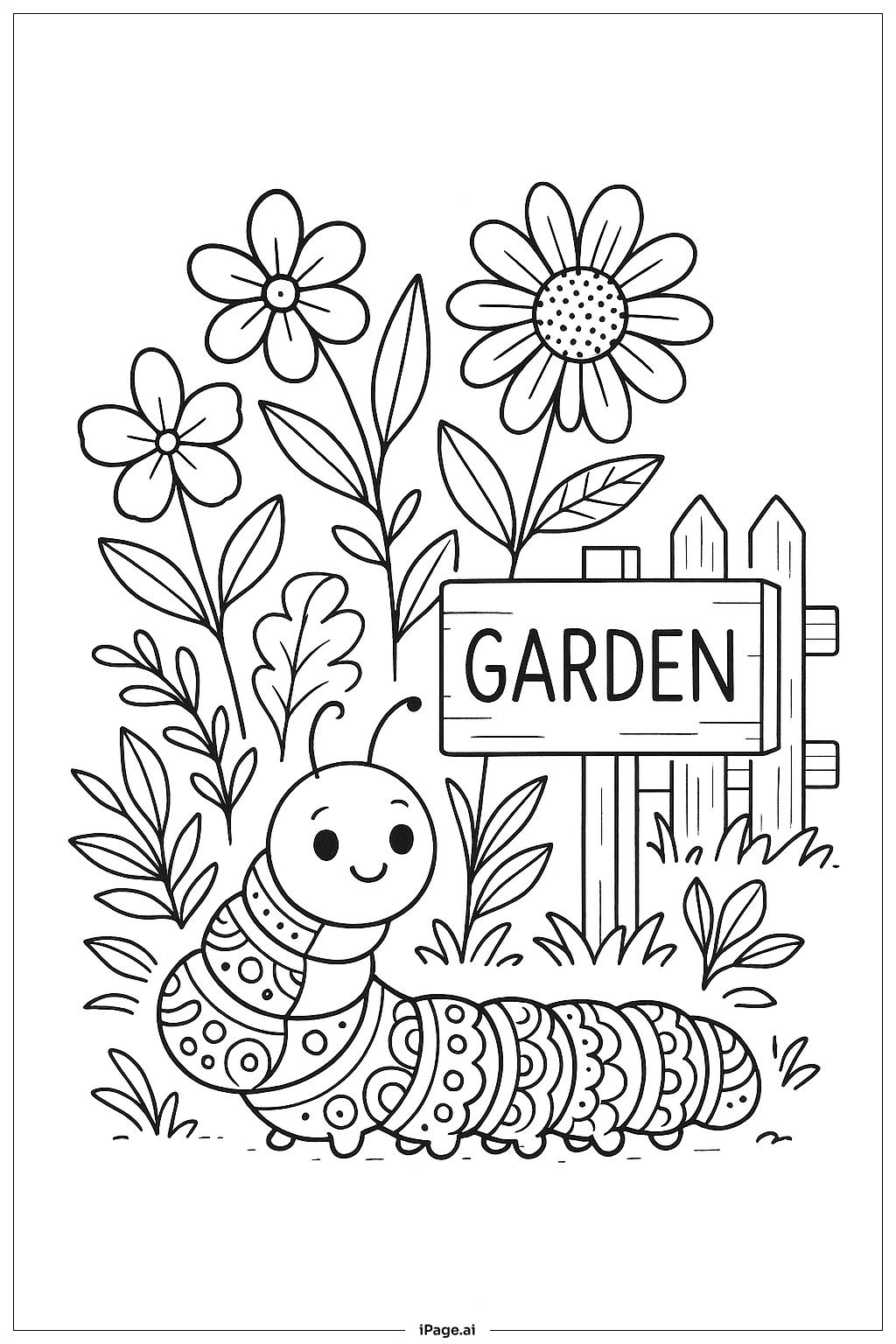
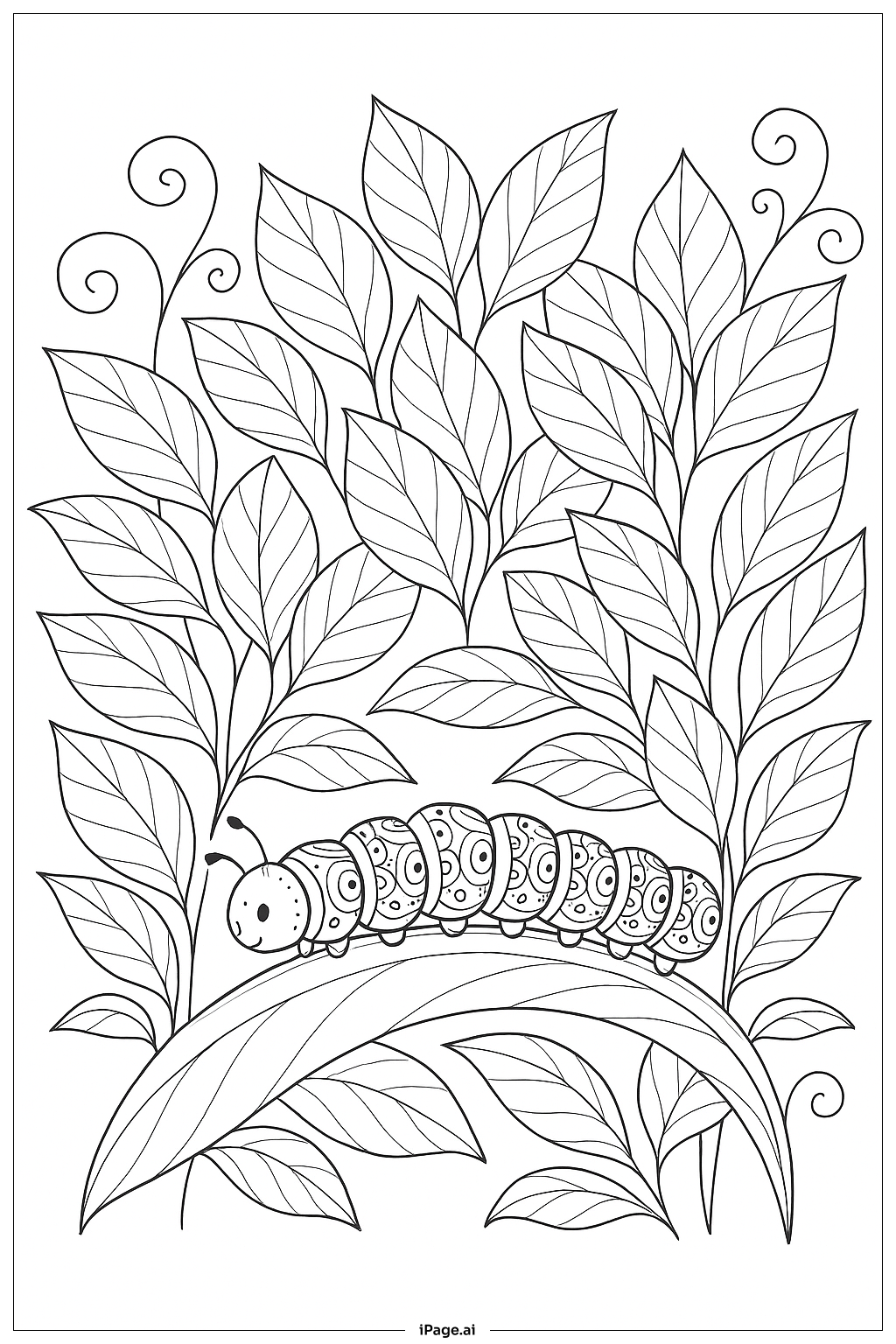
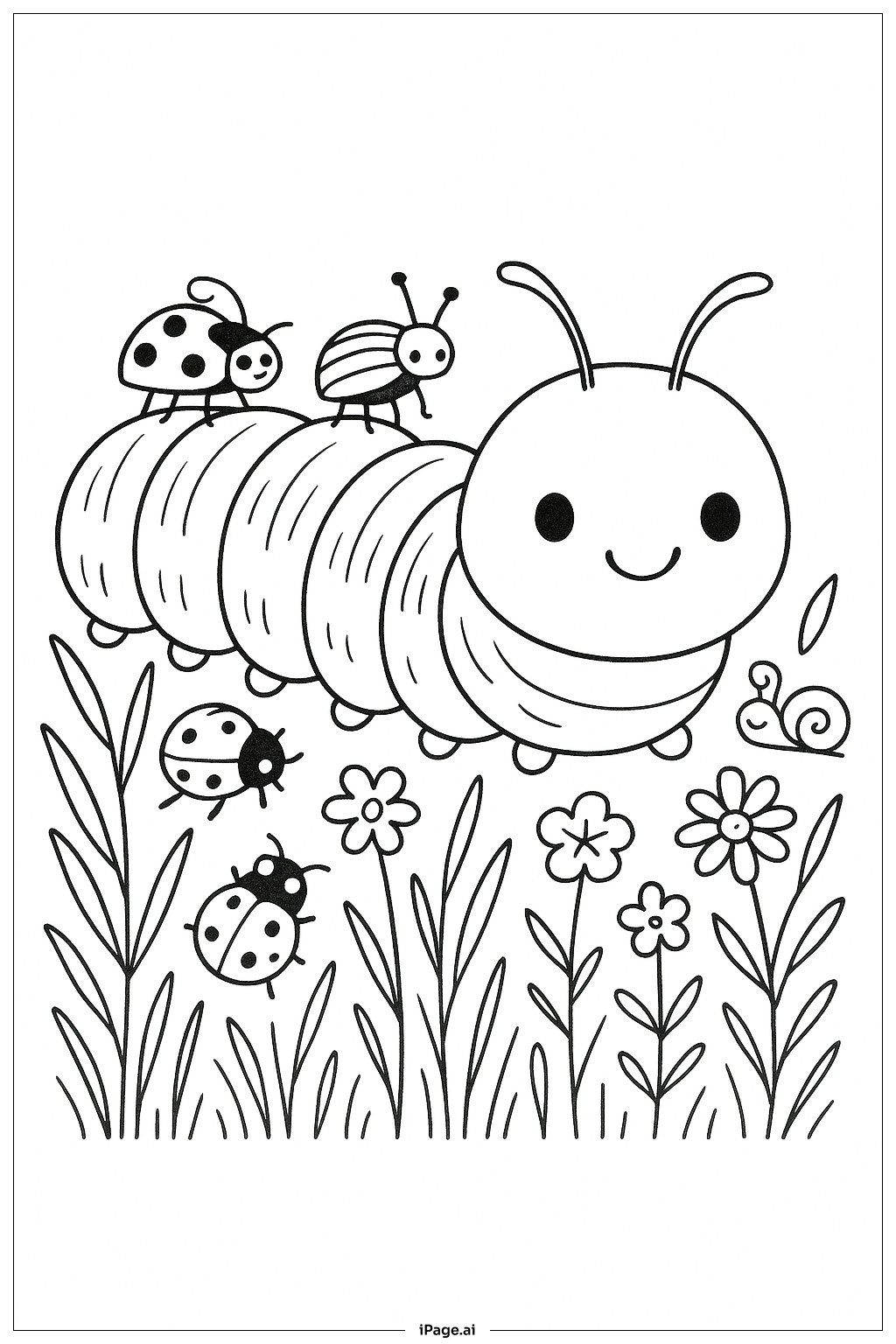
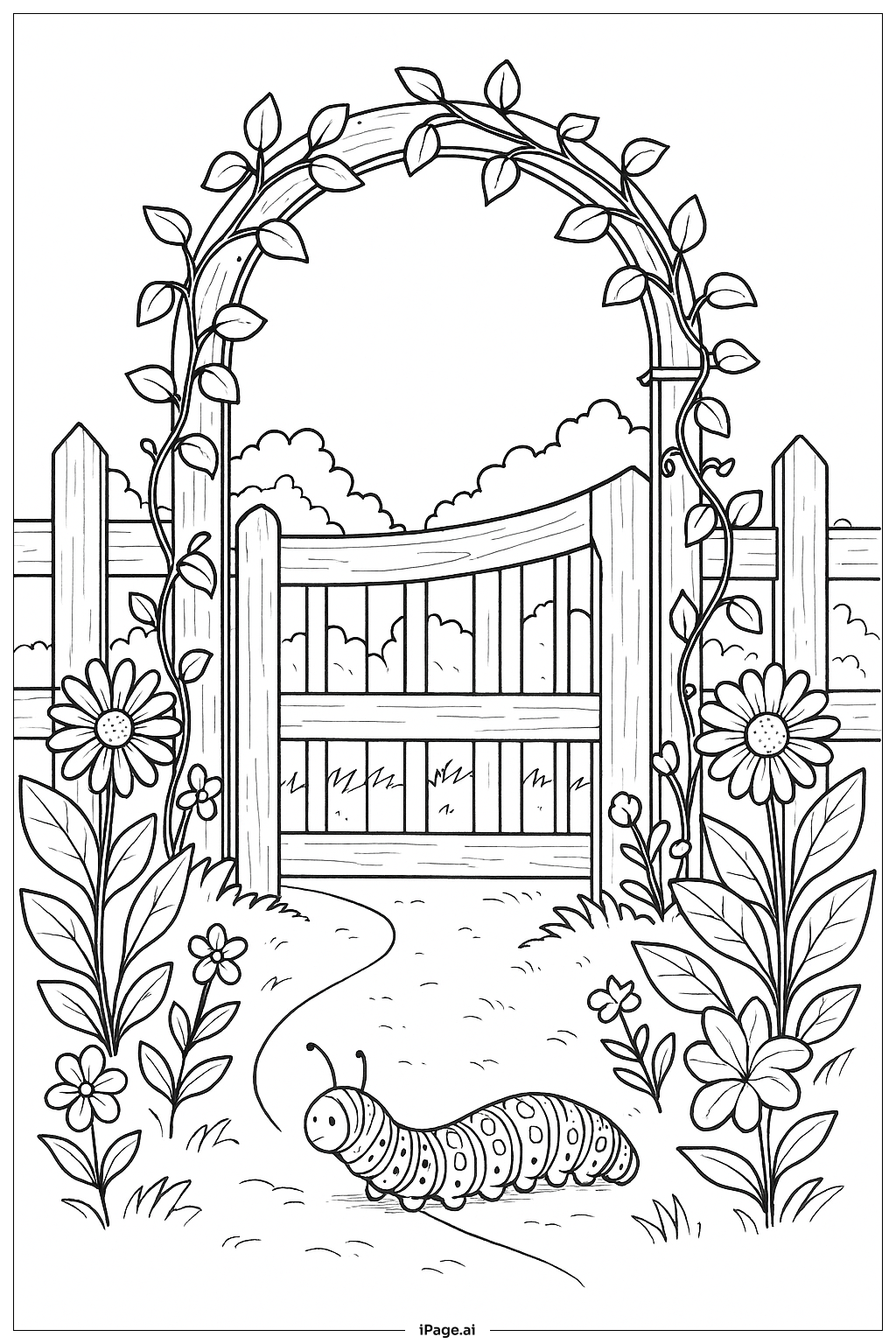
Use bright and lively colors for the caterpillar to make it stand out. Yellow, green, and orange can work well for its body. You can color each body segment with different shades for variety. For the pebble path, natural colors like gray, brown, or light blue can add realism. Color the leaves and plants in different tones of green. Use lighter shades for the background so the caterpillar grabs attention. Adding shadows under the caterpillar and stones can give a 3D look.
Coloring challenges: Which parts are difficult to color and need attention for Caterpillar Crossing Pebble Path coloring page?
1. The caterpillar’s body has many small patterns and segments, which require careful coloring to stay inside the lines.
2. The pebbles have irregular shapes that need different shading to look natural.
3. The many leaves and plants surrounding the path might be challenging because of their thin and pointed shapes.
4. Creating a realistic shadow effect under the caterpillar and stones needs blending skills.
5. Coloring small antennae and tiny legs without smudging can be tricky for younger kids.
Benefits of coloring books: Advantages of drawing Caterpillar Crossing Pebble Path coloring page
Coloring this picture helps improve hand-eye coordination and fine motor skills as children carefully color the detailed designs. It encourages creativity by allowing kids to choose different color combinations for the caterpillar and pebbles. The natural setting promotes awareness of nature and insects. Coloring shadows and textures develops an understanding of light and depth, building artistic skills. It also offers a calming and focused activity, reducing stress and enhancing concentration.