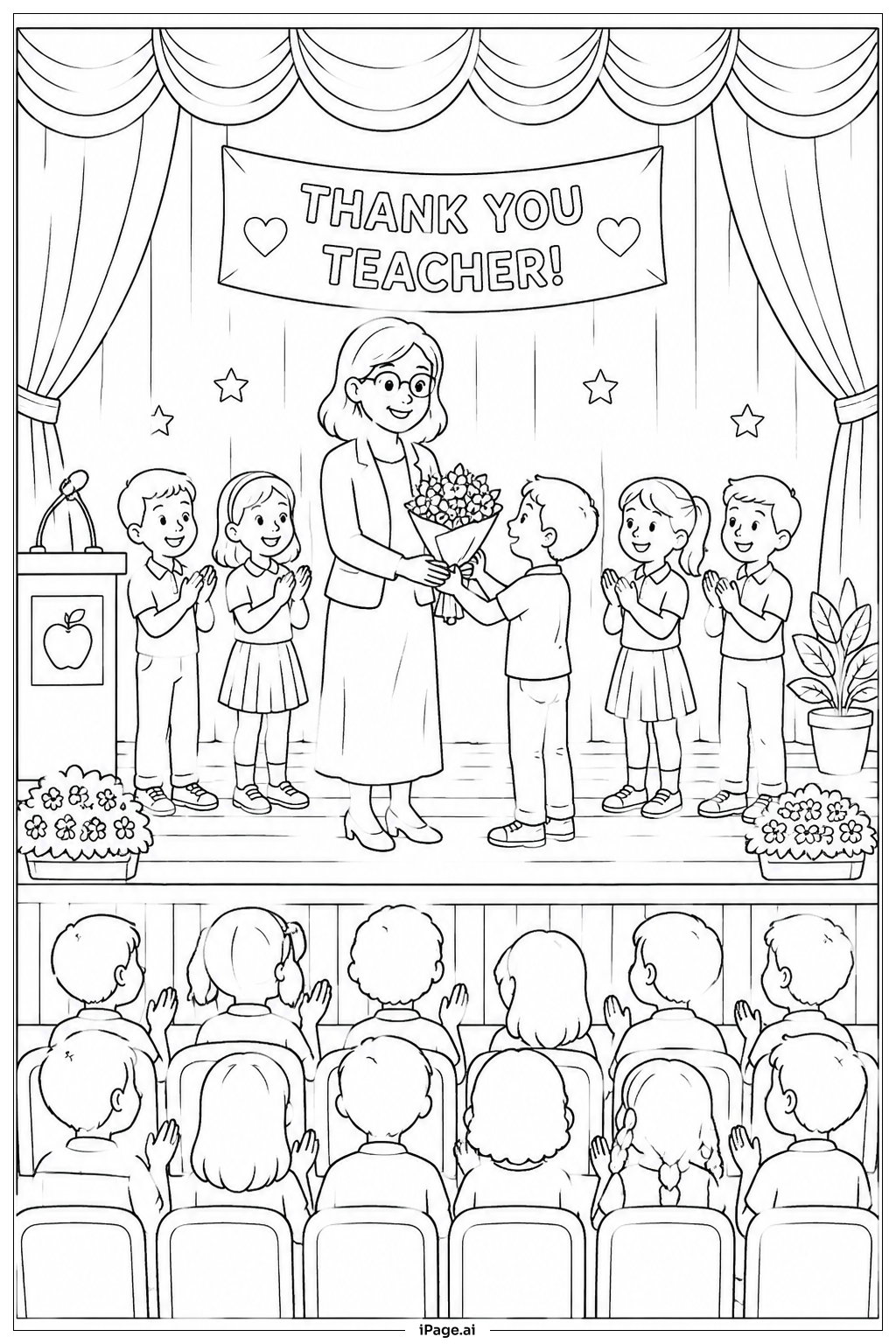
Coloring tips: How to color Teacher Appreciation Assembly Presentation coloring page well?
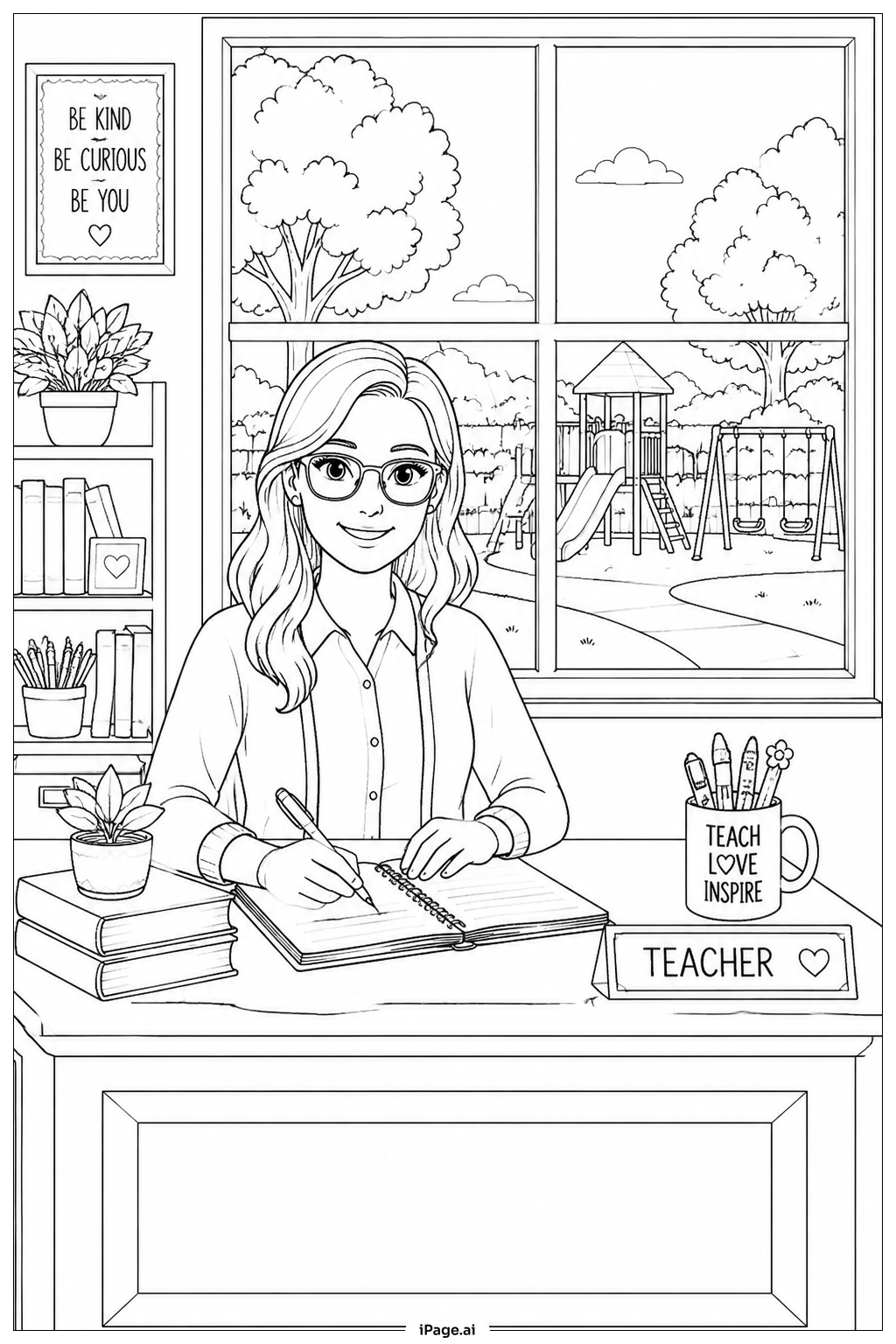
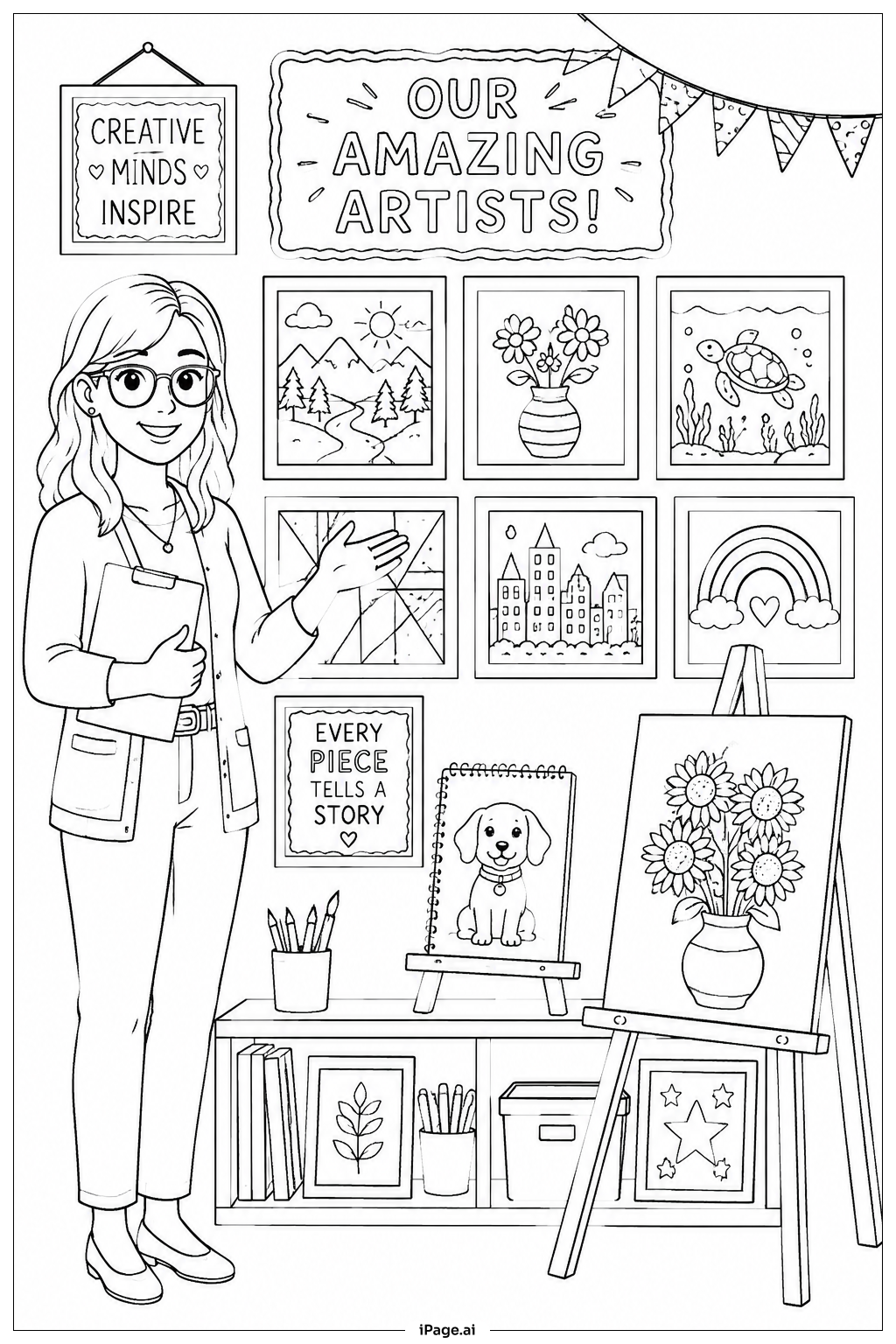
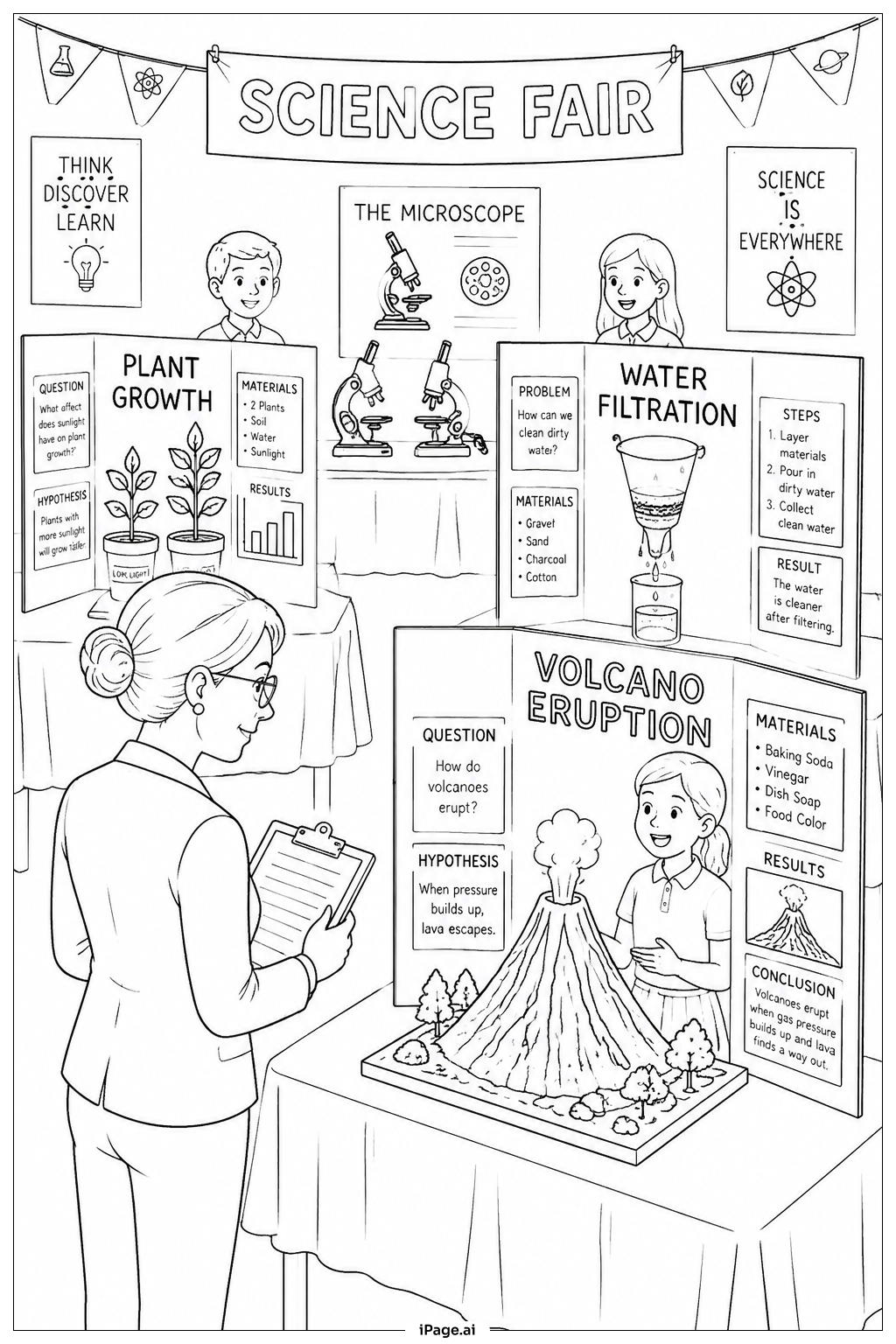
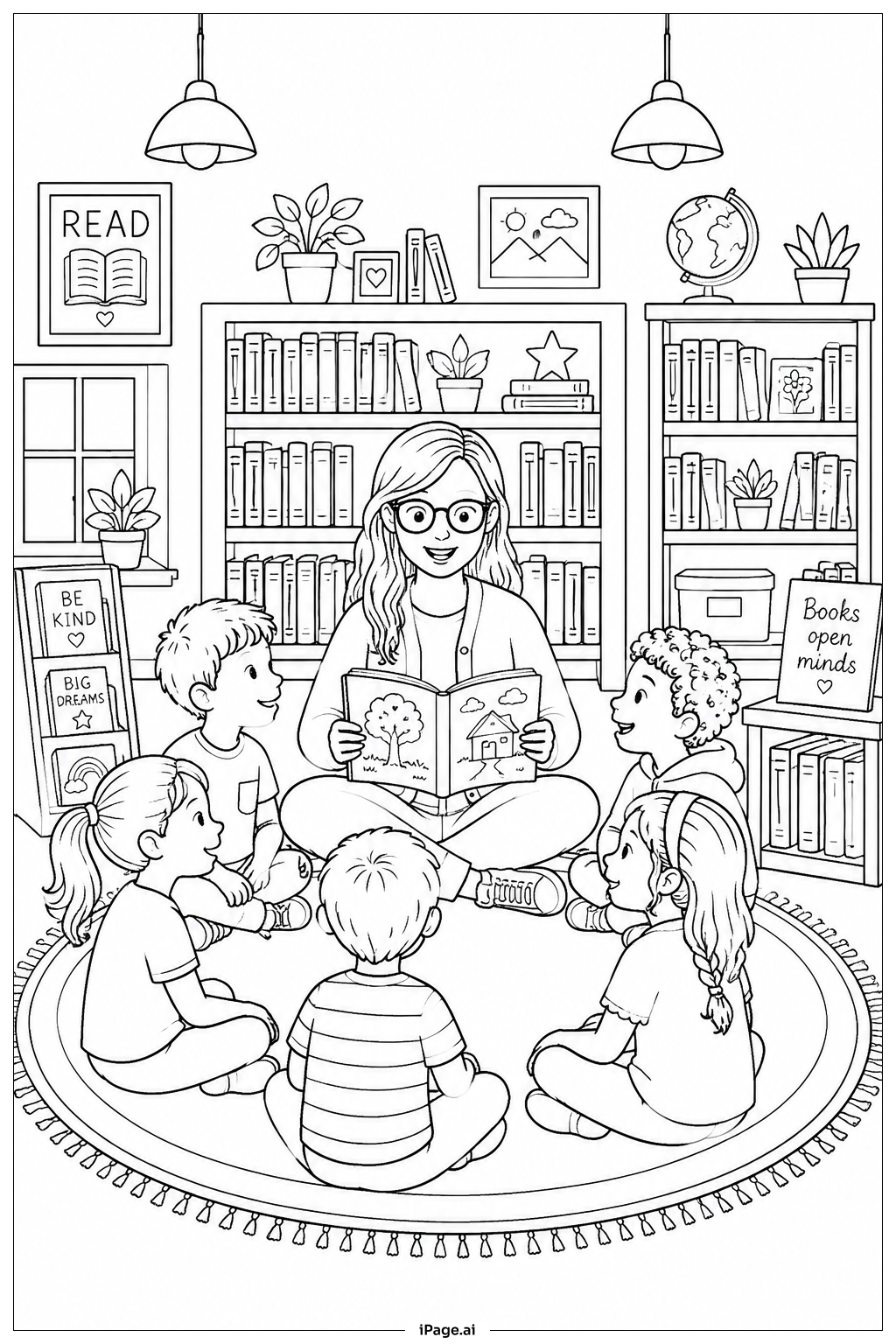
Use bright school colors like blue, red, yellow, and green to make the assembly feel lively. Color the teacher’s clothes in warm tones such as teal, purple, or soft orange. Give the students varied skin tones, hair colors, and outfits for a natural look. Add gold or pink to flowers and signs to show appreciation. Keep the stage, podium, and chairs in simple browns or grays so the people and decorations stand out. For younger children, bold colors work well. Older kids can add shading and patterns to the banners and clothing.
Coloring challenges: Which parts are difficult to color and need attention for Teacher Appreciation Assembly Presentation coloring page?
- The scene may have many small details. Signs, flowers, books, banners, and faces can all appear in one space. Each part needs careful coloring so the picture does not look crowded.
- The assembly setting can include overlapping objects. A teacher may stand near a podium, students may hold signs, and background items may sit behind them. It can be tricky to color each area without going outside the lines.
- Faces and hands may be small. These parts need slow, careful coloring to keep them neat. Using sharp pencils or fine markers can help with thin spaces and tiny edges.
- The image may include a stage or presentation screen with straight lines and clean shapes. These areas look best when the coloring stays even and smooth. Uneven pressure can leave streaks.
- If the page has many people, choosing colors can take time. The goal is to make each person look different while still keeping the whole picture balanced. A repeating color plan can help create harmony.
Benefits of coloring books: Advantages of drawing Teacher Appreciation Assembly Presentation coloring page
Coloring this image helps children think about gratitude and respect. It gives them a chance to celebrate Teacher Appreciation in a fun, creative way. The school assembly scene also helps build focus, patience, and hand control. Children can practice choosing colors, matching shades, and filling small spaces neatly. The picture can also inspire warm feelings about teachers and learning. It works well for solo coloring or classroom activities, and it can spark a nice conversation about why teachers matter.