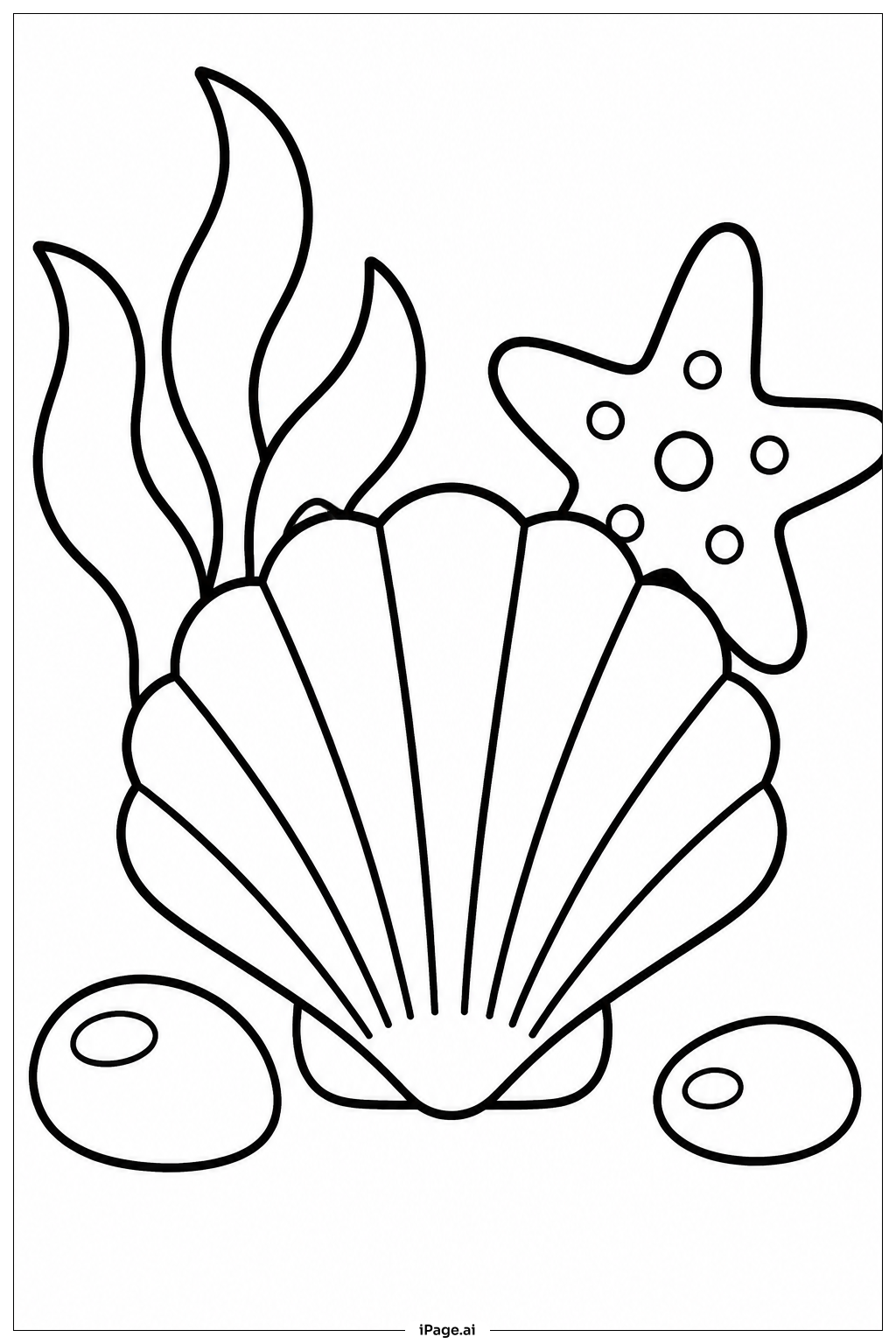
Coloring tips: How to color Seashell With Starfish coloring page well?
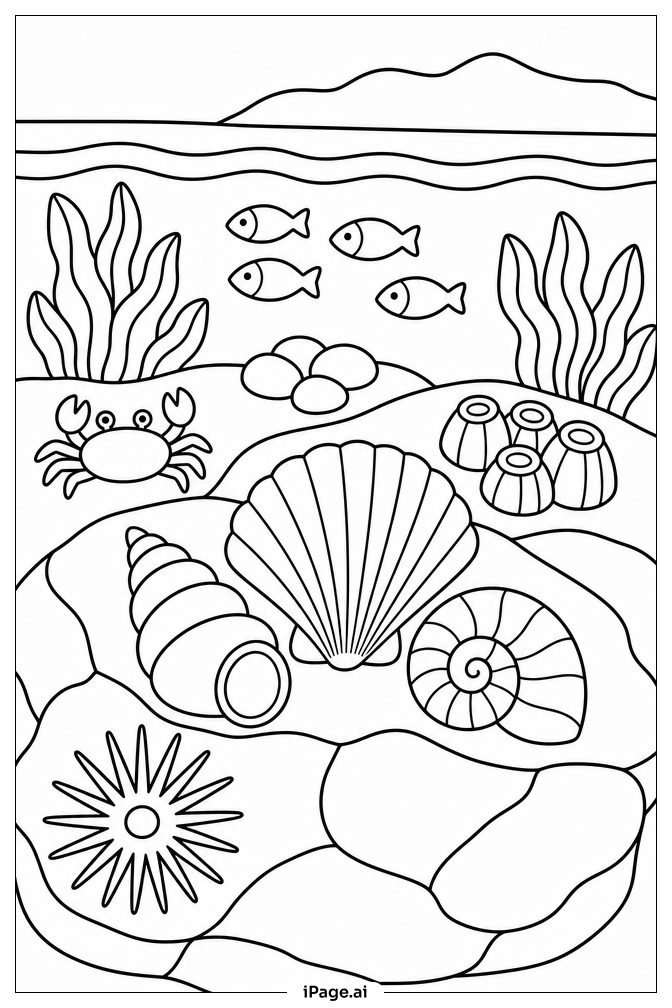
Start with the seashell using warm tones like peach, cream, sandy beige, or soft pink. Add light orange or rose blush along the ridges to give the shell a natural, sun-warmed look. For the inner opening of the shell, try a deeper pink or purple to create a sense of depth and shadow. Color the starfish in classic shades like orange, golden yellow, or coral red. Add darker tones along the edges of the starfish arms to make them look rounded and three-dimensional. For the background or sandy floor, use light tan, warm beige, or pale yellow. Small pebbles or coral pieces can be colored in muted gray, soft green, or dusty rose. Using colored pencils lets you blend smoothly for a soft, natural ocean feel. If using markers or crayons, layer colors in gentle strokes to build up tone and texture. This image works beautifully with both bright, bold colors and soft pastel shades — so feel free to follow your imagination and make it your own ocean scene.
Coloring challenges: Which parts are difficult to color and need attention for Seashell With Starfish coloring page?
• Shell Spiral Ridges: The seashell has many curved ridges running along its surface. Staying within each ridge and following the spiral shape requires a steady hand and careful attention. Rushing through this area may cause colors to bleed across lines, making the shell look flat instead of structured.
• Creating Depth Inside the Shell Opening: The inner chamber of the shell should look darker and deeper than the outside. Blending lighter and darker shades in this area can be tricky, especially for younger colorists who are still learning how to show shadow and dimension with color.
• Starfish Texture Details: The starfish arms are covered in small bumps or raised dot patterns. Coloring around these tiny details without losing them takes patience and a fine-tipped tool. Using a single flat color across the whole arm can make the texture disappear, so adding shading along the edges helps a lot.
• Smooth Color Transitions: Both the shell and starfish look best when colors transition smoothly from light to dark. Achieving a natural gradient without streaks or harsh lines can be challenging, particularly with crayons or markers that do not blend as easily as colored pencils.
• Small Background Elements: Any pebbles, sand grains, or coral details in the background are small and closely packed. Coloring each one individually without smudging neighboring areas requires concentration and a light touch, especially when working with wet media like watercolors or brush markers.
Benefits of coloring books: Advantages of drawing Seashell With Starfish coloring page
Coloring this Seashell With Starfish page offers a wide range of wonderful benefits for kids and adults alike. Working on the spiral ridges of the shell and the detailed texture of the starfish helps sharpen fine motor skills and hand-eye coordination. Children practice controlling their coloring tools, which supports the same muscle movements used in writing.
Choosing colors for the ocean scene encourages creative thinking and self-expression. Kids get to explore different color combinations and make their own artistic choices, building confidence along the way. For adults, focusing on the gentle curves and patterns of this coastal image provides a calming, meditative experience that helps reduce stress and quiet a busy mind.
The ocean theme also sparks curiosity about marine life. Colorists may become interested in learning more about real seashells and starfish, turning a fun activity into a natural learning moment. This makes the page a great starting point for conversations about the sea and the creatures that live in it.
Completing the page gives a real sense of accomplishment, which boosts self-esteem in children and brings a feeling of satisfaction to adults. Whether colored solo or as a shared activity with family, this page creates a relaxing and rewarding experience for everyone who picks up a crayon or pencil.