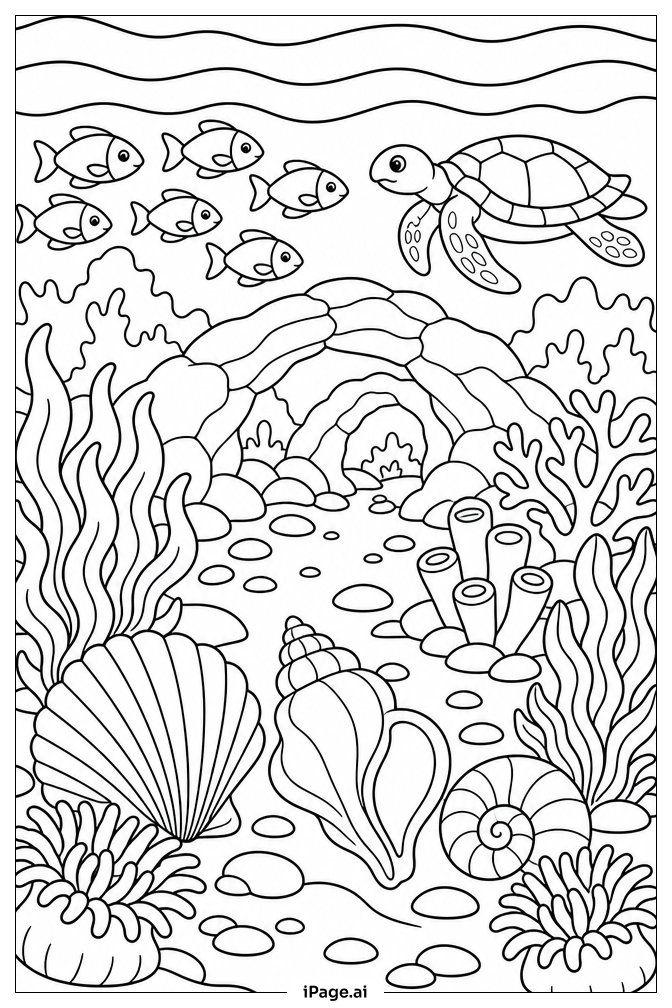
Coloring tips: How to color Seashell Underwater Garden coloring page well?
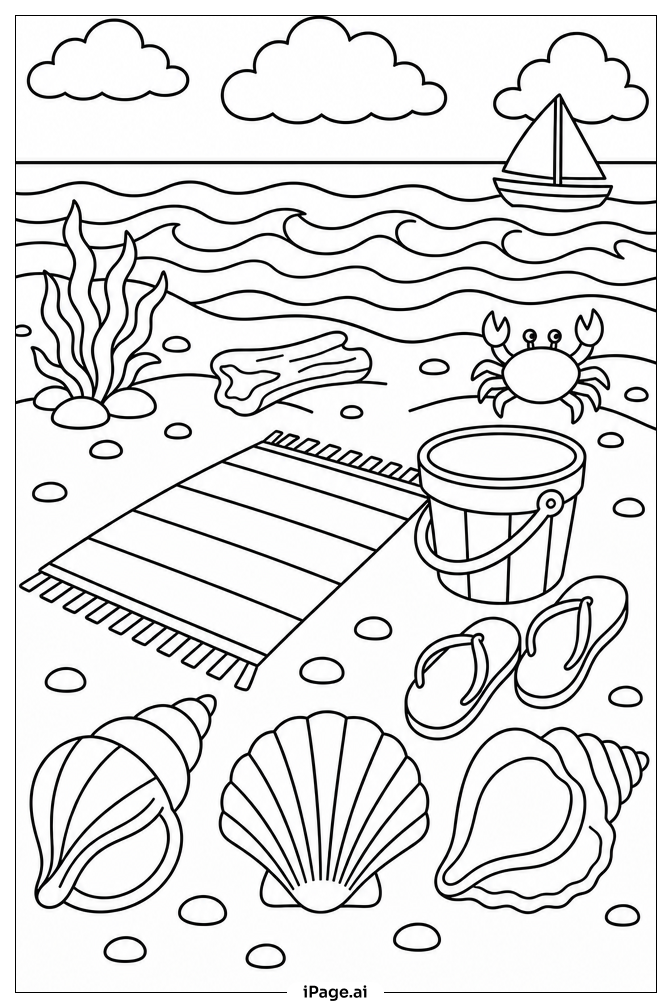
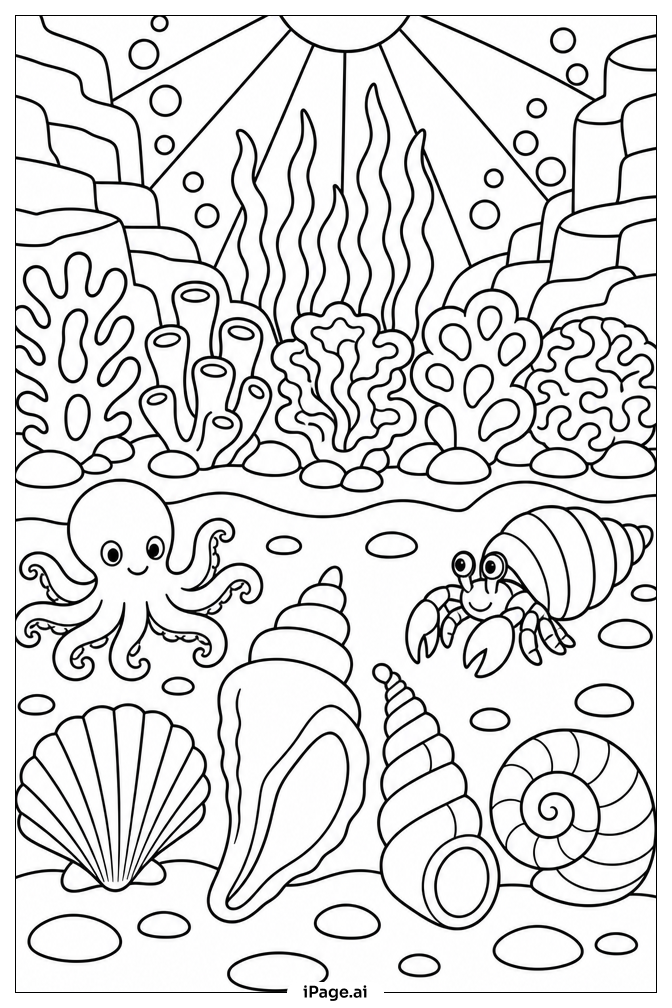
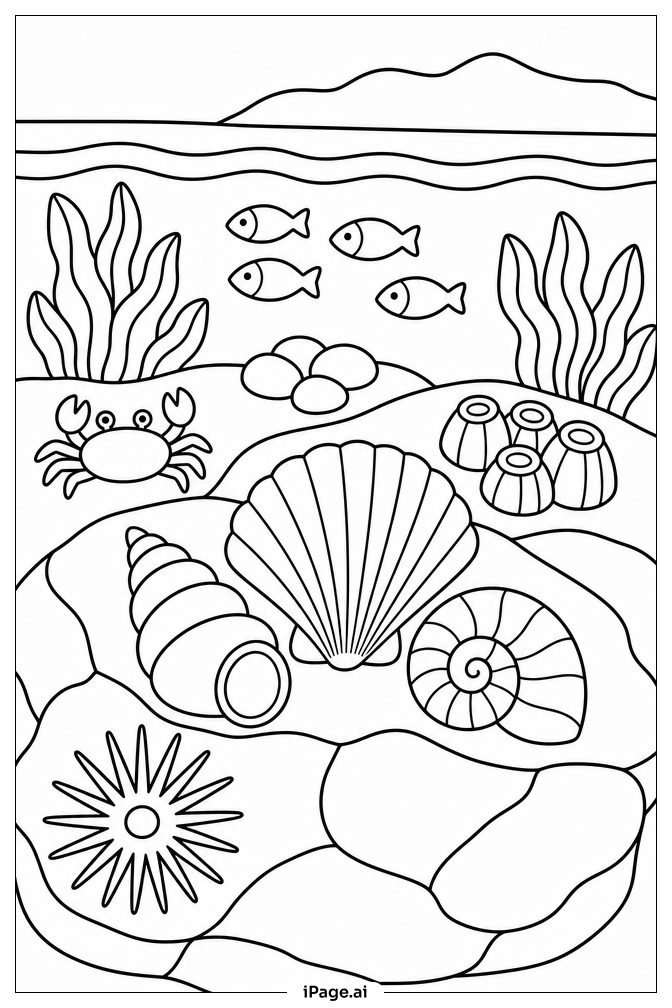
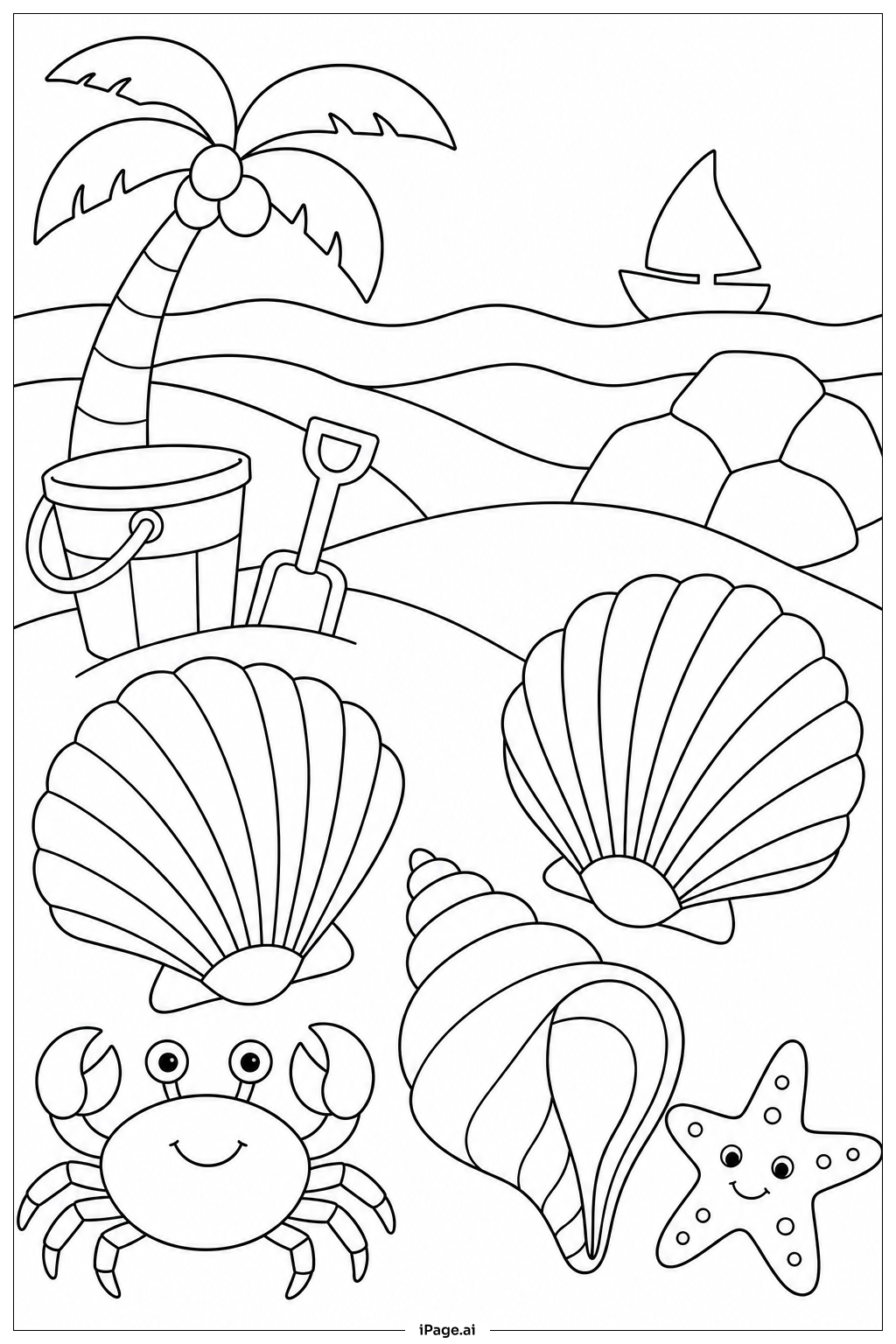
Start by choosing a warm or cool color palette for the overall scene. Ocean scenes look beautiful in blues, teals, and purples for the water background. For the seashells, try warm pinks, creamy whites, sandy yellows, and soft oranges to make them stand out. Use darker shades of the same color along the edges of each shell to add depth and a rounded look. The coral and sea plants can be colored in bright reds, corals, and greens. Color the small fish in bright, fun colors like orange, yellow, or blue. Add light blue or white dots for the bubbles. Try blending two colors together on the larger shells for a shiny, pearly effect. Work from light colors to dark so mistakes are easier to fix. Take your time with the small details — even a little color goes a long way in making this underwater world feel alive and magical!
Coloring challenges: Which parts are difficult to color and need attention for Seashell Underwater Garden coloring page?
• Shell Texture Details: Each seashell has fine ridges, spirals, and surface patterns that require careful, precise coloring. Staying within these small lines without smudging can be tricky, especially for younger colorists. Using a sharp colored pencil or a fine-tip marker works best here.
• Layering for Depth and Dimension: Seashells have a naturally curved, three-dimensional shape. Recreating this on a flat page means you need to use at least two or three shades of the same color — a lighter tone in the center and darker tones near the edges. This blending technique can be challenging for beginners who are not yet familiar with shading.
• Distinguishing Overlapping Elements: In this busy underwater scene, shells, plants, coral, and fish overlap each other in many places. Choosing colors that are clearly different for neighboring elements is important so the image does not look muddy or confusing. Planning your color choices before you start can save a lot of frustration.
• Small Accent Details: The tiny bubbles, starfish arms, and fish scales are very small and closely spaced. Coloring these without accidentally covering the white outlines requires a steady hand and a fine coloring tool. These details are what make the finished piece look polished and impressive, so patience is key.
• Balancing the Overall Color Harmony: With so many different elements in the scene, it is easy for the finished page to look too busy or unbalanced. Try to repeat certain colors across the image — for example, using the same shade of teal in both the background water and the sea plants — to create a sense of unity and flow throughout the whole composition.
Benefits of coloring books: Advantages of drawing Seashell Underwater Garden coloring page
Coloring this Seashell Underwater Garden page offers a wide range of wonderful benefits for children and young artists. First, working through all the fine shell textures and small details helps build fine motor skills and improves hand-eye coordination, which are important for writing and everyday tasks. Second, choosing colors for shells, coral, and sea creatures encourages creative thinking and helps kids develop their own sense of artistic style. Third, focusing on a detailed scene like this underwater garden is a great way to practice concentration and patience, as finishing the page requires staying on task for an extended period. Fourth, learning to blend colors and shade curved shell surfaces introduces basic art concepts in a fun, hands-on way, giving young colorists a head start in understanding light, shadow, and color theory. Fifth, the calming, repetitive motion of coloring helps reduce stress and anxiety, making it a healthy and relaxing activity after school or during downtime. Finally, completing this beautiful scene gives children a real sense of accomplishment and pride, which builds confidence and motivates them to take on more creative challenges. Whether coloring alone or with friends, this page turns quiet time into a meaningful and rewarding experience.