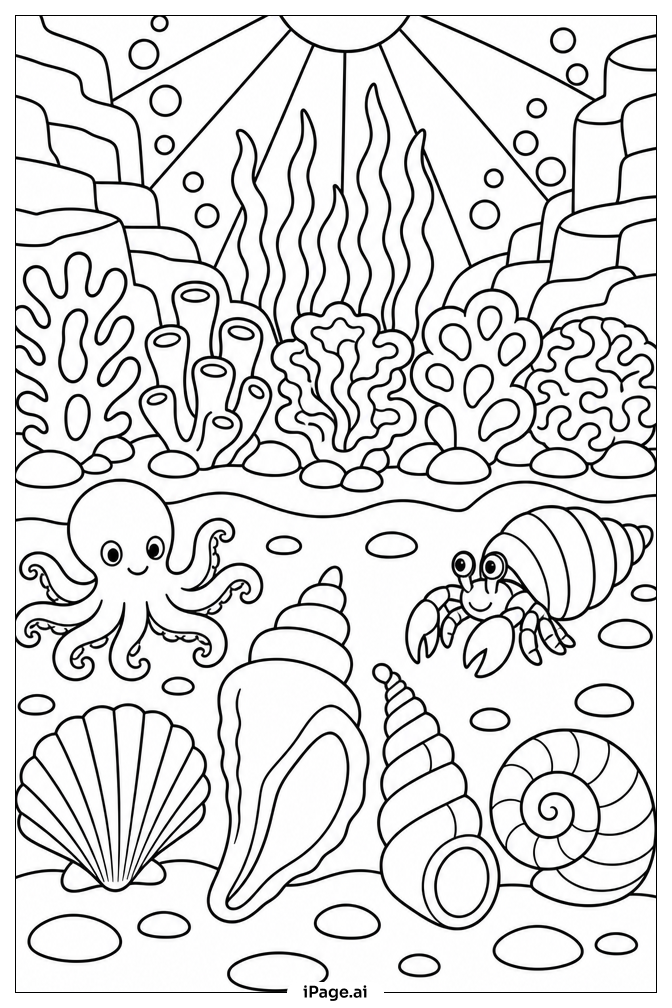
Coloring tips: How to color Seashell Coral Cove coloring page well?
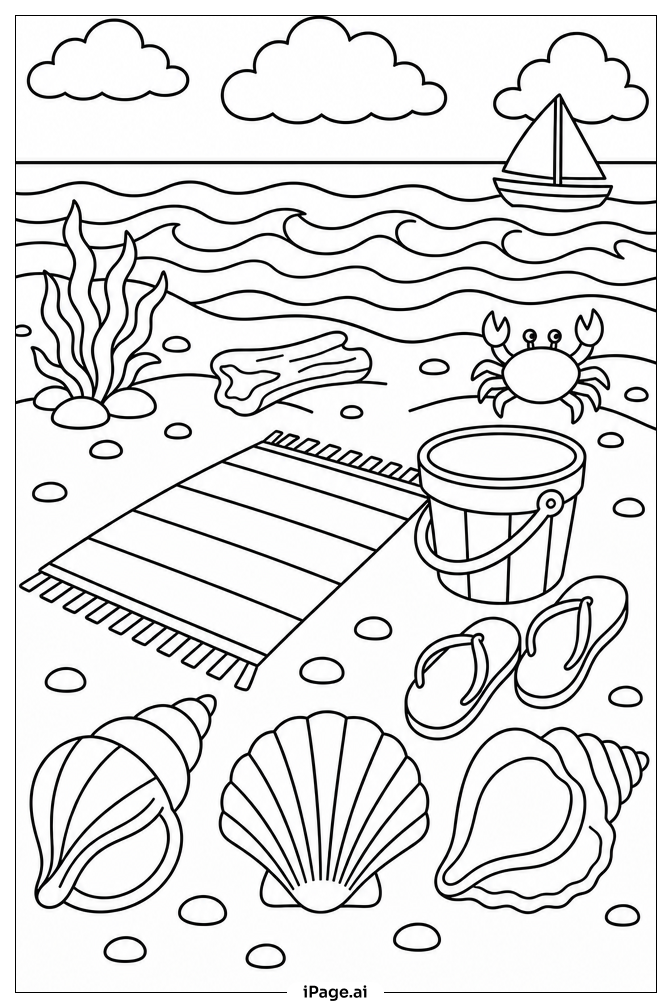
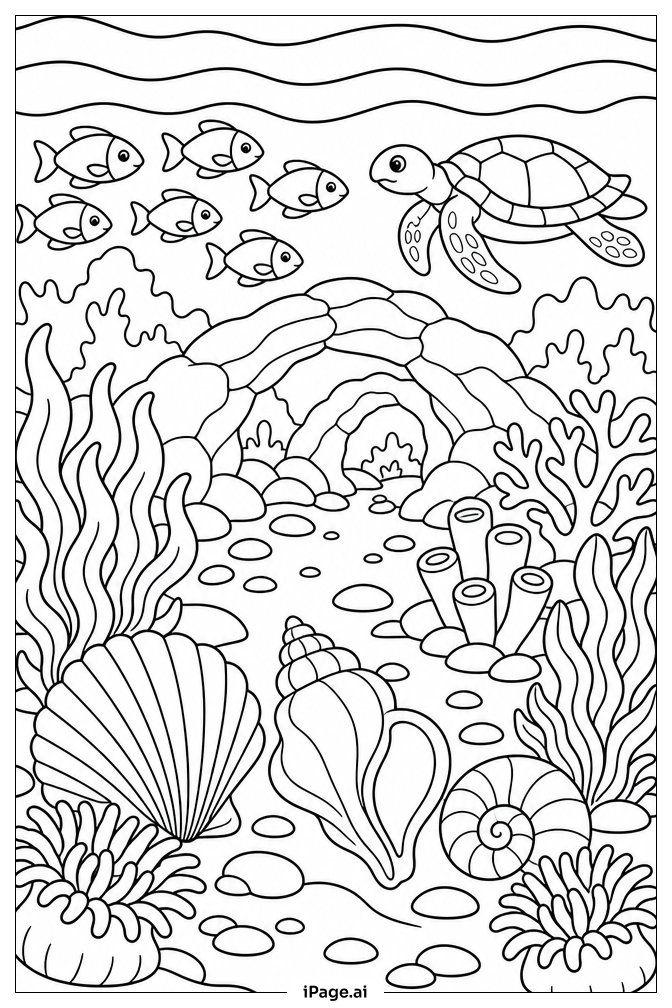
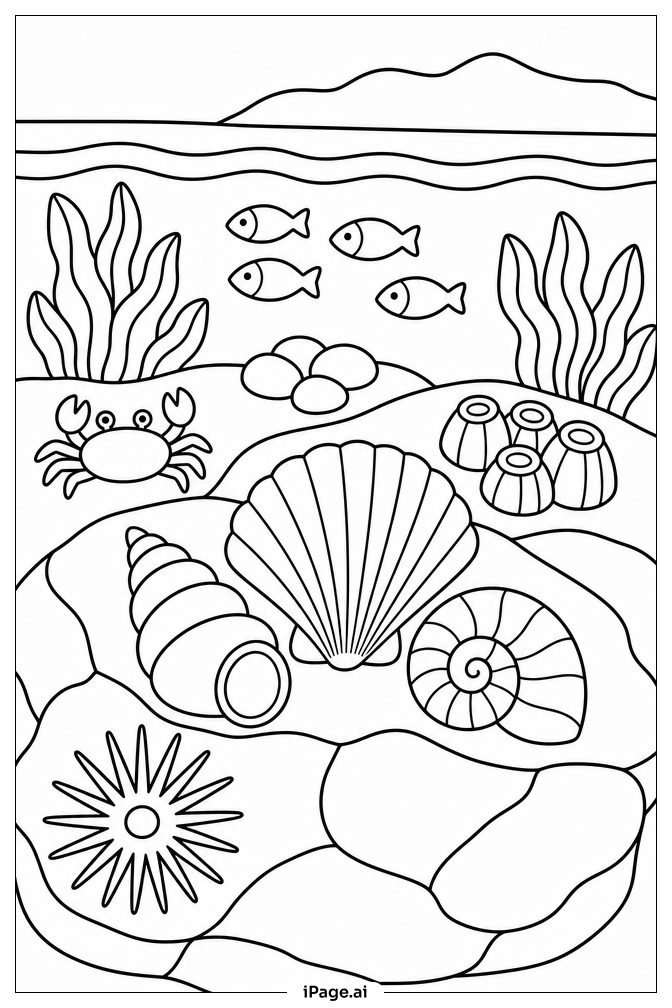
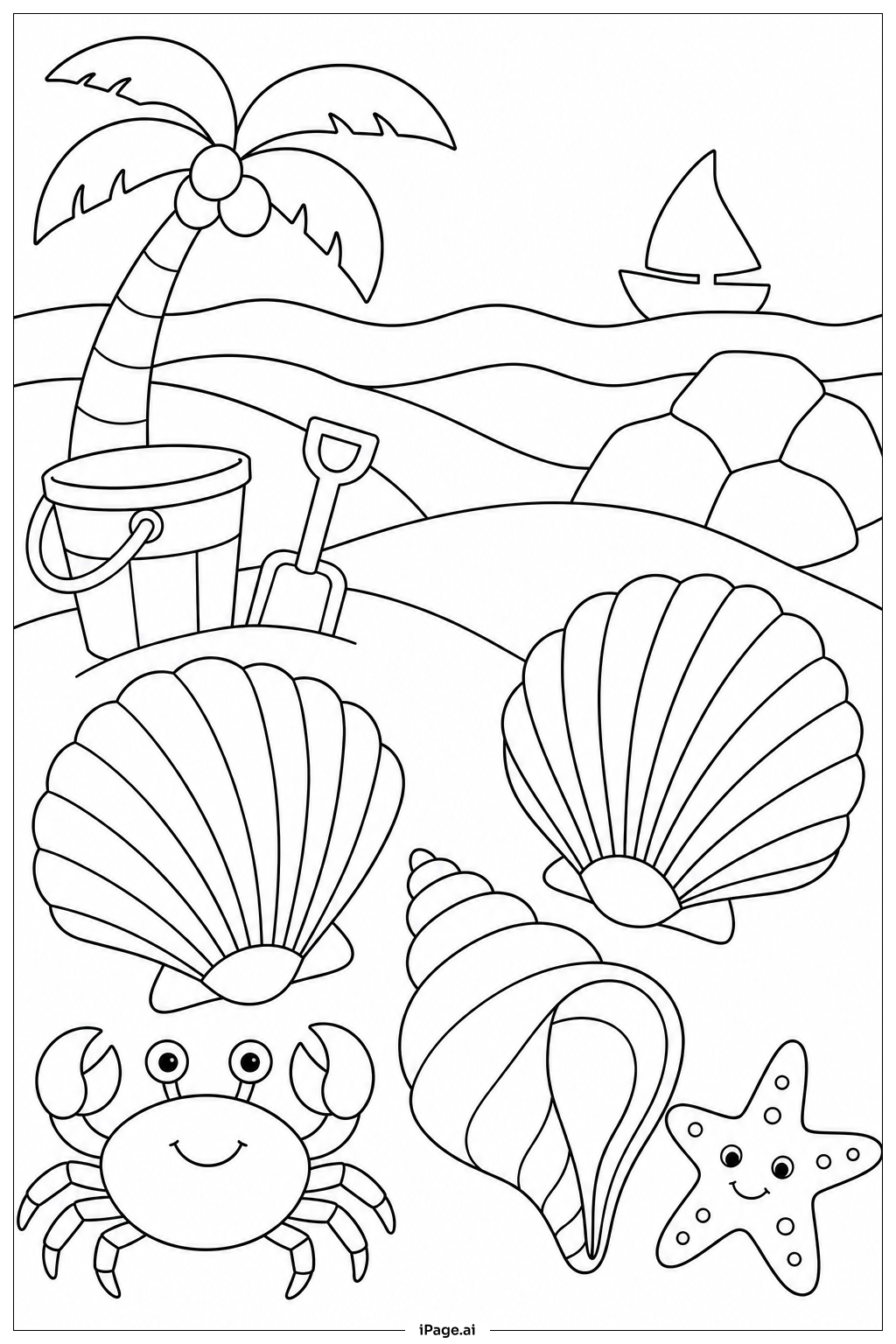
Start with the lightest colors first and work toward the darker ones. For the shells, try warm pinks, creamy whites, sandy tans, and soft peach tones. Conch shells look beautiful in shades of orange and coral. Scallop shells can be colored in lavender or pale yellow for a magical look. Use different shades of the same color on each shell to show their smooth, curved surfaces. Color the coral branches in bright red, orange, or deep pink. The ocean background can be filled with soft blues and aqua greens. Add a light yellow or beige to the sandy floor. For starfish, try sunny orange or golden yellow. Feel free to mix colors and create your own unique undersea world. There are no wrong choices — let your imagination guide you!
Coloring challenges: Which parts are difficult to color and need attention for Seashell Coral Cove coloring page?
Coloring this seashell coral cove scene offers a rewarding experience, but there are a few challenges to keep in mind:
• **Intricate Shell Patterns:** Each shell features swirling lines, ridges, and detailed surface textures. Staying within these small sections requires a sharp pencil or fine-tipped marker. Take your time and use slow, controlled strokes to fill each pattern neatly without coloring outside the lines.
• **Layering and Shading:** Seashells have a natural gradient quality — they are lighter near their edges and darker in their curved grooves. Recreating this depth means blending at least two or three tones of the same color. This can be tricky for beginners who are not yet familiar with layering techniques.
• **Distinguishing Overlapping Elements:** Shells, coral, and pebbles often overlap in the composition. Deciding which color goes where when shapes overlap requires careful planning. Choosing contrasting colors for neighboring elements helps each one stand out clearly.
• **Coral Branch Details:** The thin, branching coral structures have very narrow sections between the stems. Using a fine-tipped tool is essential here, as thicker crayons or markers may bleed into adjacent areas and muddy the overall look.
• **Balancing the Overall Color Palette:** With so many different elements — shells, coral, starfish, sand, and water — keeping the whole page looking harmonious is a challenge. Planning your color palette before you begin, and making sure warm and cool tones are spread evenly across the page, will help create a balanced and beautiful finished piece.
Benefits of coloring books: Advantages of drawing Seashell Coral Cove coloring page
Coloring this Seashell Coral Cove page offers wonderful benefits for kids and adults alike. Working through the detailed shell patterns helps build fine motor skills and hand-eye coordination, especially for younger children still developing pencil control. Focusing on staying within the lines encourages concentration and patience — skills that are useful in school and everyday life. Choosing colors for shells, coral, and ocean water sparks creative thinking and helps children express themselves freely. The calming, repetitive motion of coloring is also a great way to relax and reduce stress after a busy day. Learning about the natural shapes and textures of seashells and coral can spark curiosity about ocean life and the environment. For older kids and Adults, blending and shading the shells is a satisfying artistic challenge that builds confidence. Sharing a finished page with family or friends brings a sense of pride and accomplishment. Best of all, this page is a joyful, screen-free activity that the whole family can enjoy together.