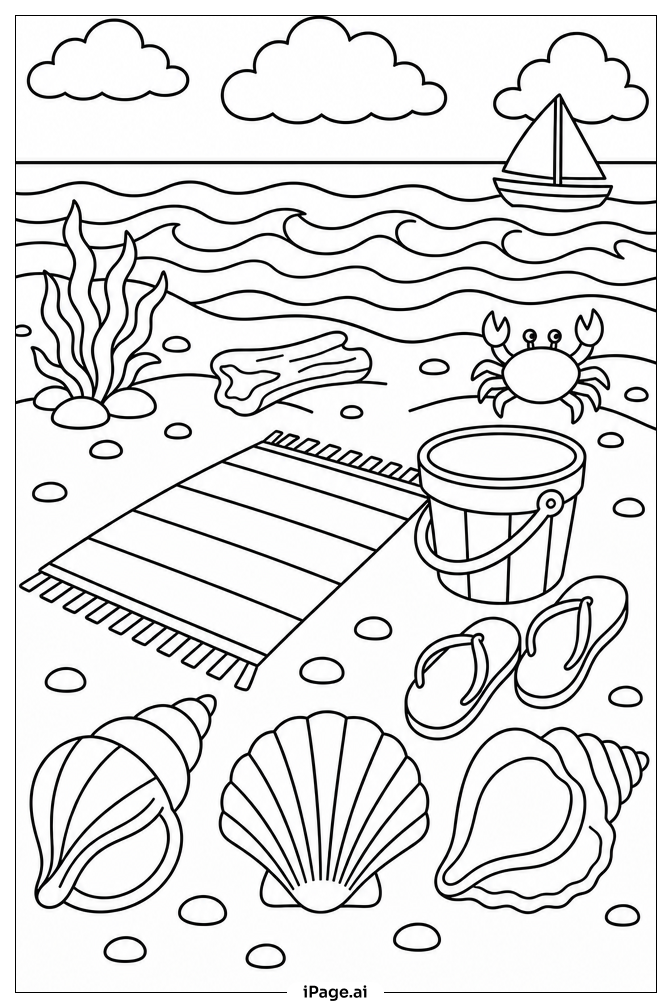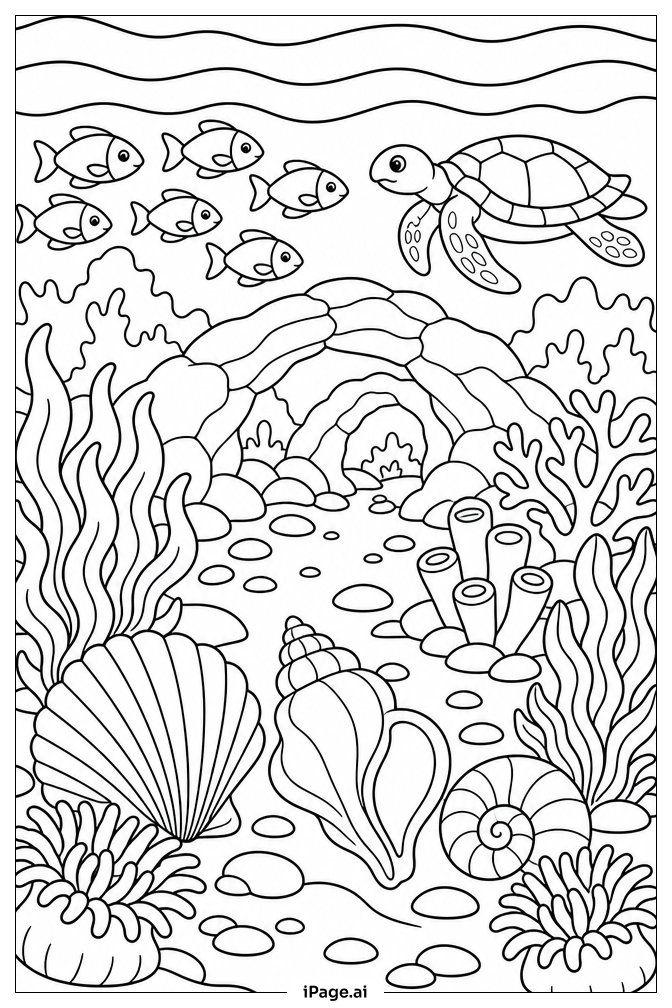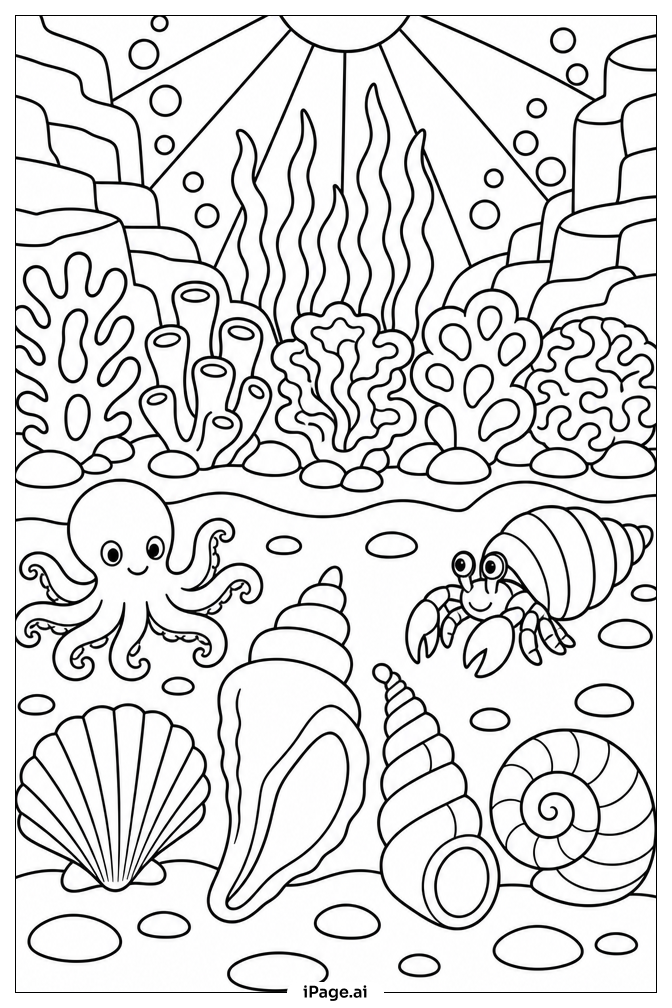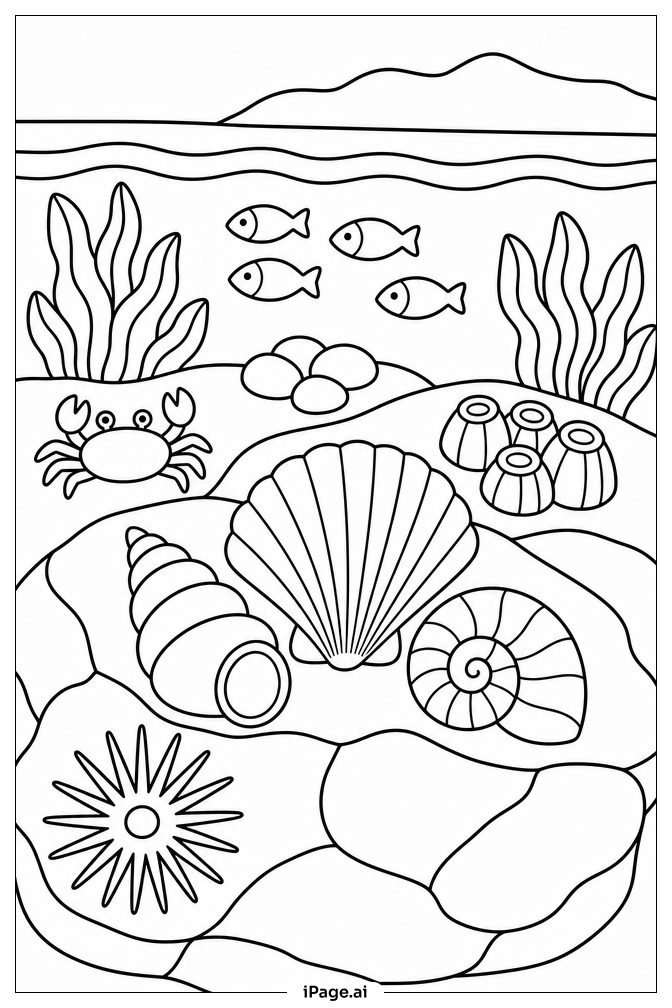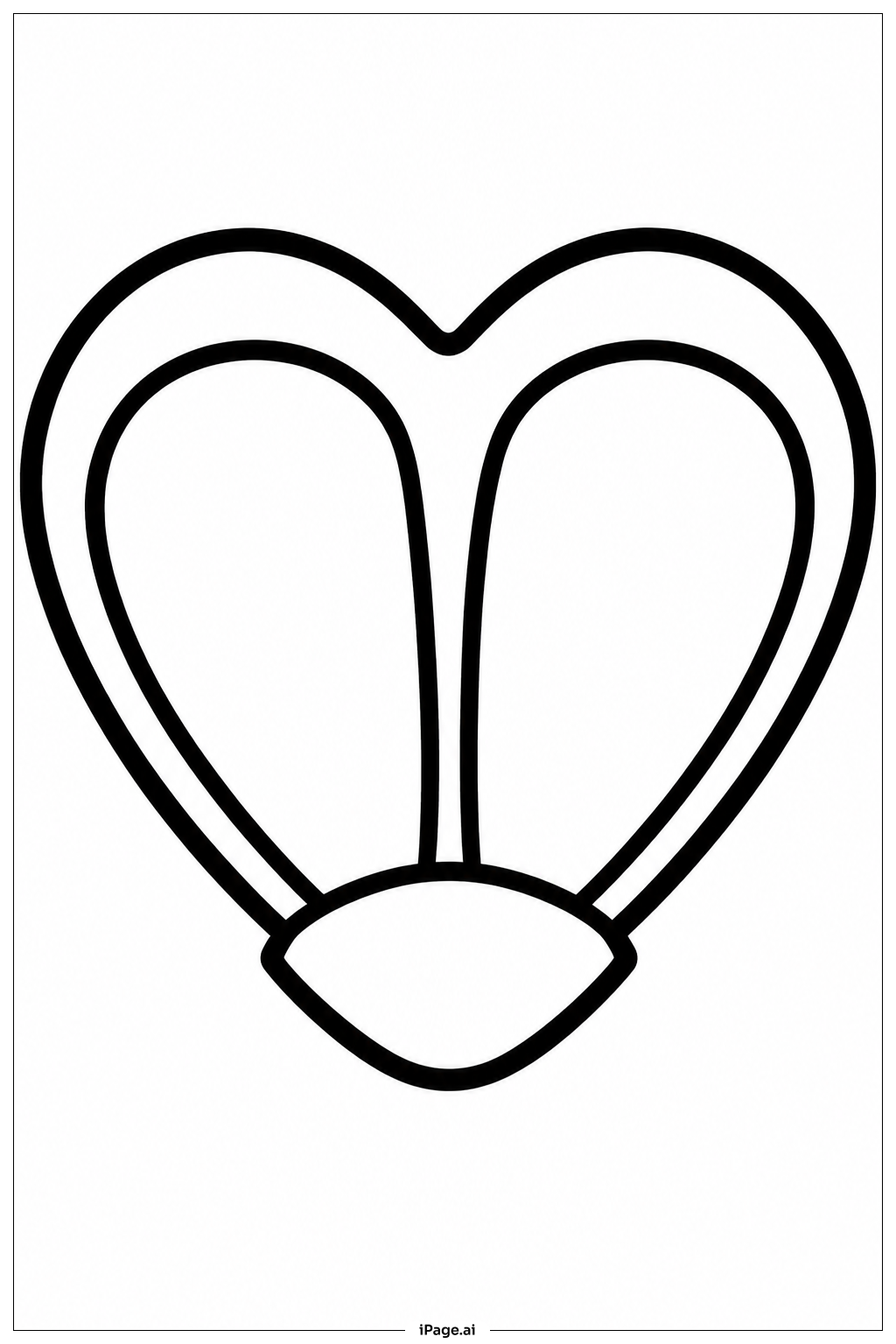
Coloring tips: How to color Seashell Heart coloring page well?
Start with the large shells first. Pick soft ocean colors like light pink, peach, cream, and pale lavender for a gentle, beachy feel. You can also try sandy tan and warm golden tones to give the shells a sun-kissed look. Use darker shades of the same color along the ridges and edges to create depth and shadow. For the spiral shells, try blending two or three colors to show the swirling pattern. Scallop shells look great in soft coral or lilac. Add white highlights to make the shells look shiny and smooth. For the background or heart outline, a soft blue or seafoam green works beautifully. Have fun mixing colors — no two shells need to look the same!
Coloring challenges: Which parts are difficult to color and need attention for Seashell Heart coloring page?
Coloring this Seashell Heart image comes with several interesting challenges that make it both engaging and a little tricky:
• **Small and Tightly Packed Details:** The heart is filled with many shells arranged close together. Each shell has its own ridges, curves, and spiral lines. Coloring inside these small spaces without going over the edges takes a steady hand and a fine-tipped coloring tool.
• **Showing Texture on Each Shell Type:** Different shells have very different textures — spirals, fans, ridges, and smooth curves. To make each shell look realistic, you need to follow the natural direction of the lines. This requires patience and careful brushwork or pencil strokes.
• **Creating Depth and Dimension:** Because so many shells are layered on top of each other, showing which shell is in front and which is behind can be challenging. Using light and shadow — applying darker tones on one side and lighter tones on the other — helps create a three-dimensional effect, but this takes some color mixing skill.
• **Color Variety Without Becoming Chaotic:** Using many different colors for each shell is fun, but too many clashing shades can make the image look messy. Choosing a consistent color palette — for example, warm tones or cool ocean tones — and sticking to it helps the whole heart look balanced and beautiful.
• **Keeping the Heart Shape Visible:** With so much detail inside, the heart outline can get lost. Using a slightly bolder or deeper color along the outer edge of the heart helps preserve its shape and makes the overall design pop.
Benefits of coloring books: Advantages of drawing Seashell Heart coloring page
Coloring this Seashell Heart page offers a wonderful range of benefits for kids and adults alike.
For younger children, it builds fine motor skills and hand-eye coordination as they carefully fill in the small shell details. It also helps them learn about different shell shapes found in nature, sparking curiosity about the ocean world.
For older kids and teens, the intricate patterns encourage focus and concentration. Planning a color palette and deciding how to shade each shell develops creative thinking and artistic decision-making.
The heart shape adds an emotional layer — it can be a lovely gift for someone special when finished. This makes coloring feel meaningful and rewarding beyond just the activity itself.
For Adults, the repetitive, detailed nature of coloring shells is deeply calming. It works like a mindfulness exercise, helping to reduce stress and quiet a busy mind. The process of choosing colors, blending shades, and bringing the image to life gives a strong sense of accomplishment.
Overall, this page combines the beauty of nature with the joy of creativity — making it a peaceful, enriching experience for colorists of all ages and skill levels.