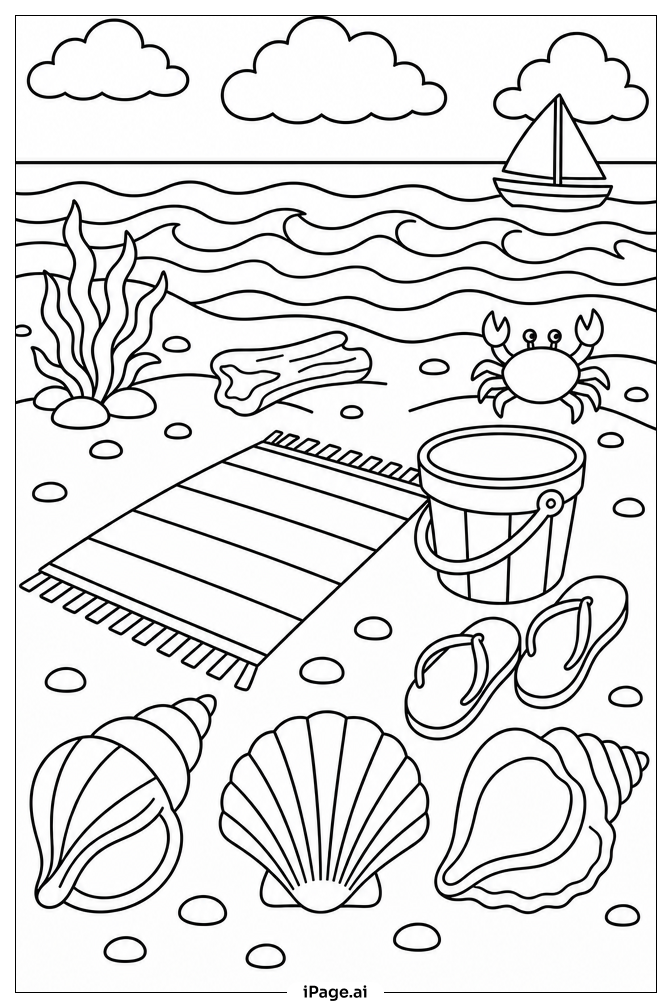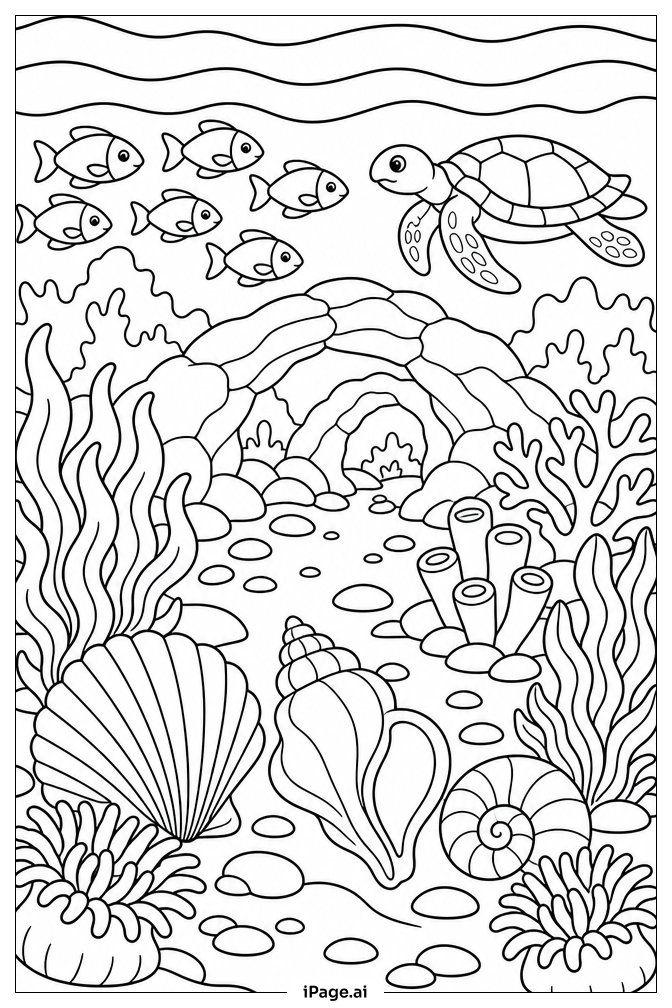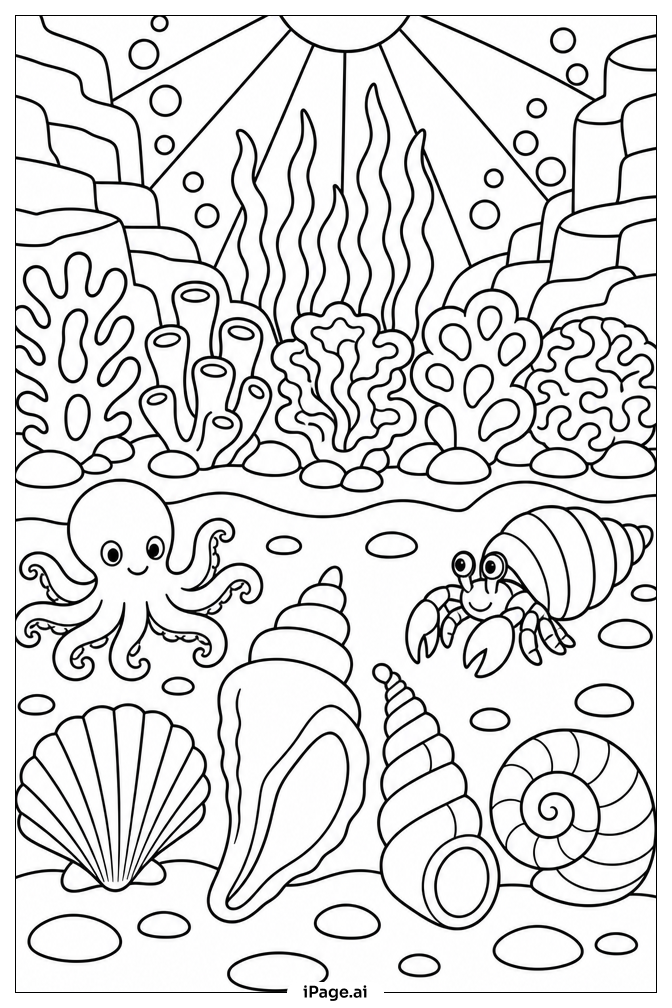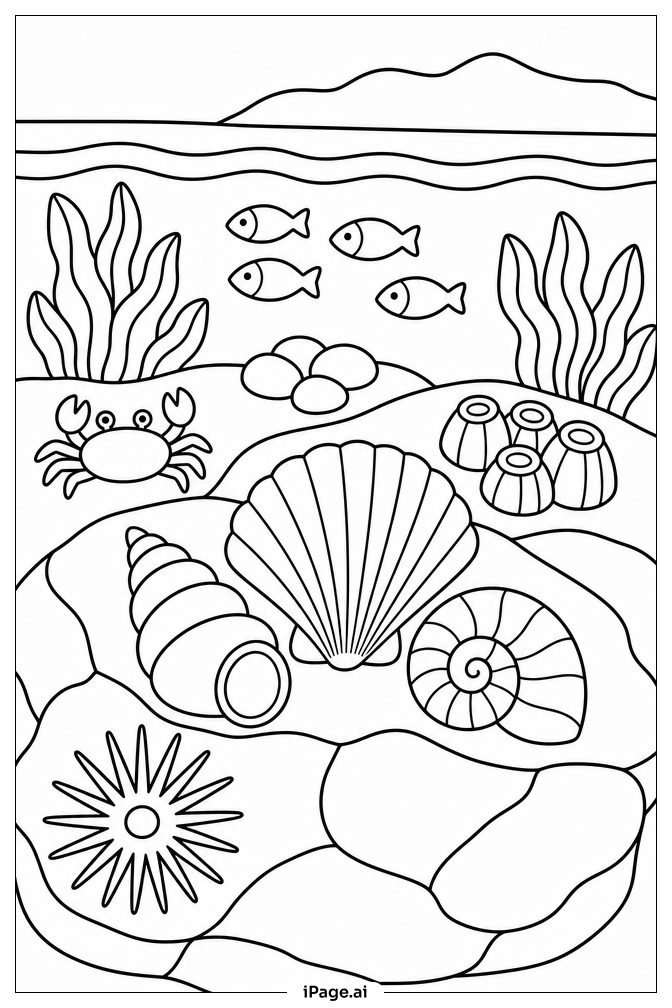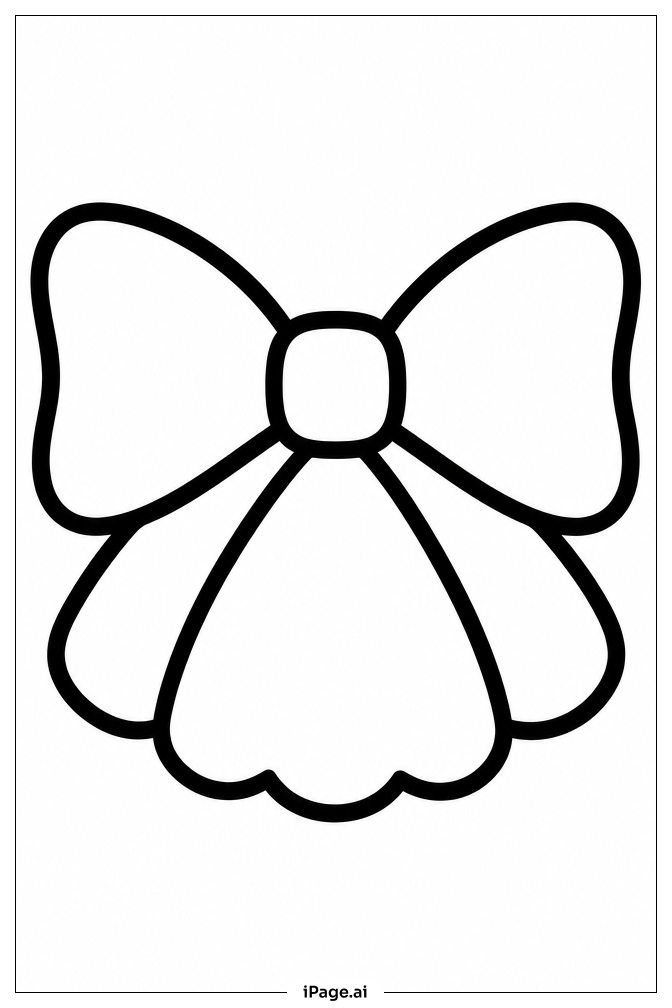
Coloring tips: How to color Seashell Bow coloring page well?
Start with the largest shells first. Use soft ocean-inspired colors like sandy beige, warm peach, coral pink, and pale lavender to give the shells a natural look. You can also try creamy whites and light yellows for a classic seashell feel. For a more magical touch, add soft purples, light blues, or rose gold tones to make the bow look shimmery and special. Use a slightly darker shade along the ridges and edges of each shell to add depth and dimension. The center knot can be colored with a richer, deeper tone to make it stand out. Try colored pencils or fine-tip markers for the smaller shell details, and watercolor or crayons for the larger areas. Feel free to mix and match colors to make your bow truly unique. There are no rules — have fun with it!
Coloring challenges: Which parts are difficult to color and need attention for Seashell Bow coloring page?
• Shell Texture Details: Each shell in the bow has its own unique ridges, spirals, and surface patterns. Staying inside these fine lines while adding color takes steady hands and patience. Using a sharp colored pencil or a fine-tip marker works best here. Take your time with each section to avoid going over the outlines.
• Maintaining Color Harmony: Because the bow is made up of many different shell shapes, it can be tricky to keep the overall color scheme looking unified. If you use too many bold colors at once, the design may feel busy or unbalanced. Try choosing a main color palette of two or three tones and repeating them throughout the bow to keep everything looking cohesive.
• Adding Depth and Dimension: Flat coloring can make the shells look dull. The real challenge is using light and shadow to make each shell look three-dimensional and round. Try applying a lighter color in the center of each shell and a slightly darker shade near the edges or along the ridges. This technique, called shading, gives the shells a realistic, glowing appearance.
• Small Shell Sections: Some parts of the bow, especially near the center knot, may contain very small shell shapes packed closely together. Coloring these tiny areas neatly without smudging or bleeding into neighboring sections requires a fine-tipped tool and a slow, careful approach.
• Blending Transitions: If you want a smooth gradient effect across the shells, blending colors evenly can be difficult, especially with crayons or markers. Colored pencils are the easiest tool for gentle blending in small areas.
Benefits of coloring books: Advantages of drawing Seashell Bow coloring page
Coloring this Seashell Bow page offers a wonderful range of benefits for kids and young artists. Working with the detailed shell textures helps build fine motor skills and improves hand-eye coordination. Staying within the small, intricate lines encourages focus and patience, which are great habits to develop at any age. Choosing colors for the shells sparks creativity and allows children to express their personal style — there is no wrong way to color a seashell! The ocean-themed design also connects kids to the natural world, gently sparking curiosity about marine life and sea creatures. For older children and teens, the shading and blending challenges make this a satisfying artistic exercise that builds real coloring technique. The repetitive, calming nature of coloring each shell one by one also has a relaxing, meditative effect, helping to reduce stress and anxiety. Completing the full image gives a strong sense of accomplishment and pride. Whether coloring alone or with friends, this page is a fun, enriching activity that nurtures both creativity and concentration.