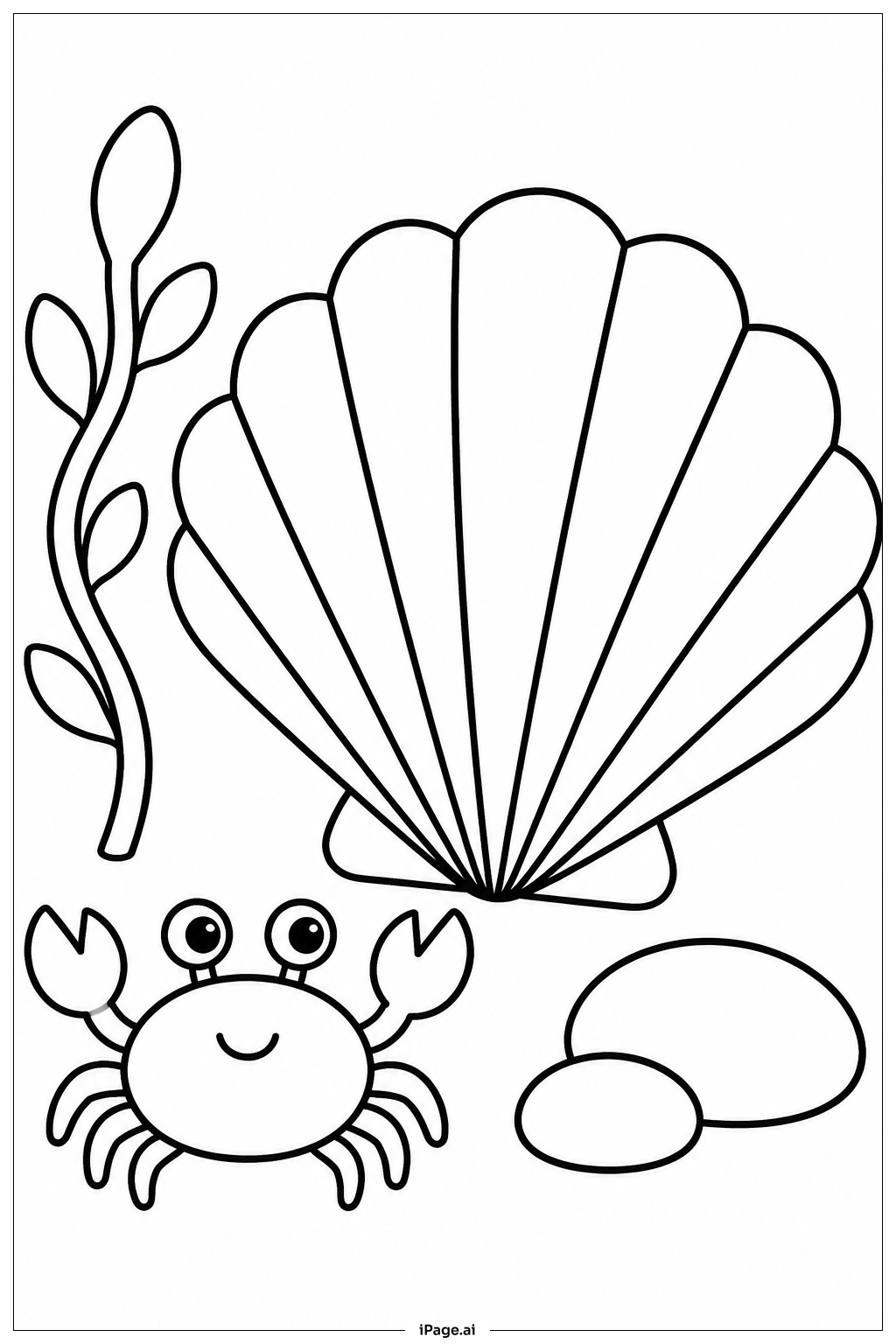
Coloring tips: How to color Seashell And Little Crab coloring page well?
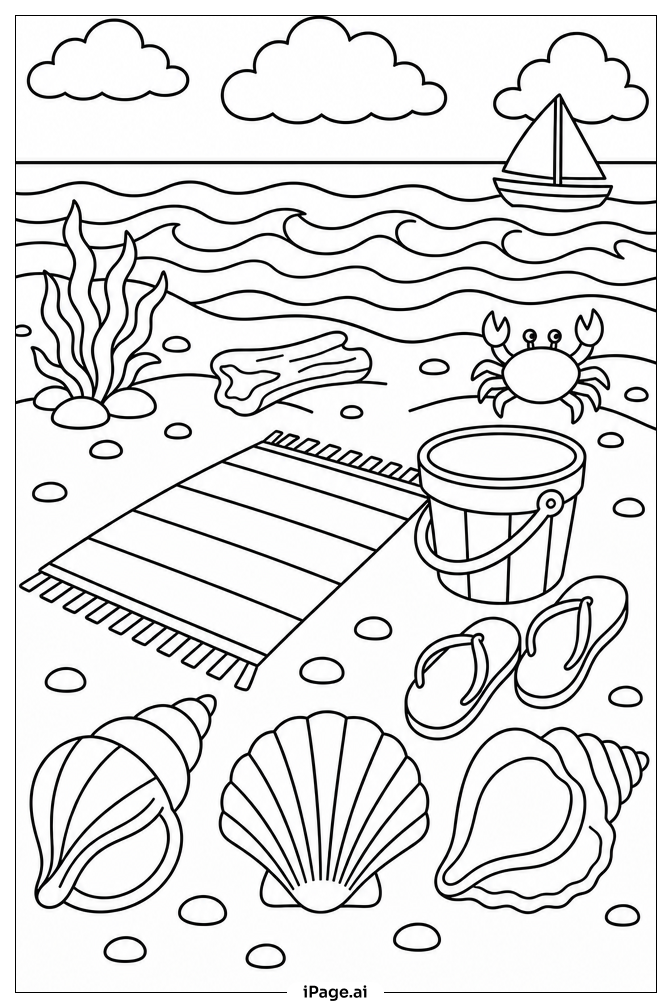
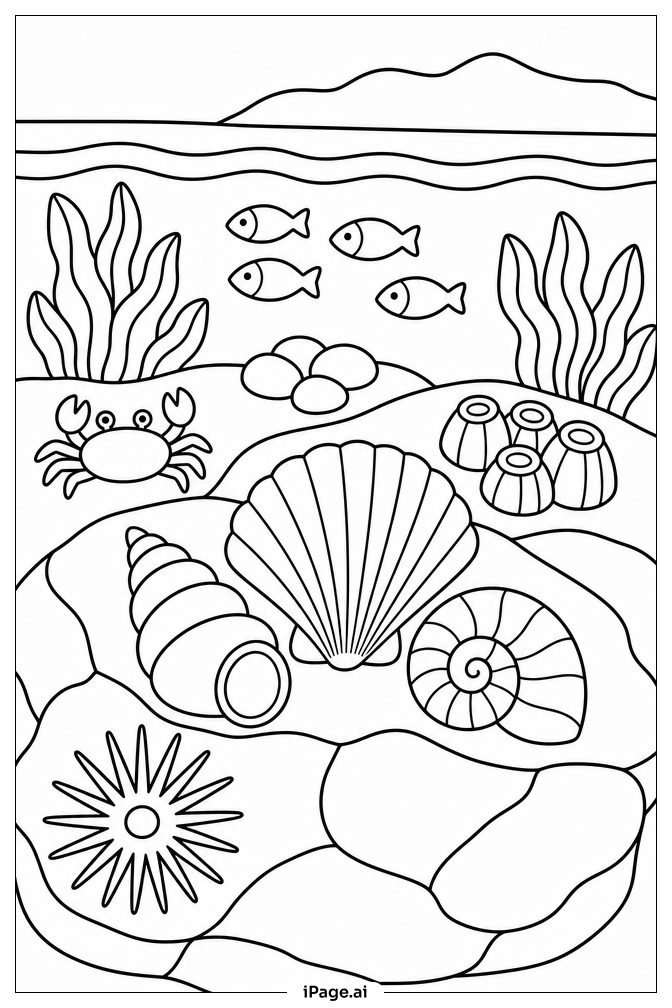
Start with the seashell using warm, sandy tones like cream, peach, or light brown. Add darker shades along the ridges and spiral grooves to give it depth and a three-dimensional look. You can blend in soft pinks or lavender for a magical touch. For the little crab, try bright orange or red — classic crab colors that really pop on the page. Use a slightly darker shade on the edges of its claws and body to add shading. Color the eyes with black and add a tiny white dot to make them look shiny and alive. The sandy ground can be colored in tan or golden yellow, and the sea grass in fresh greens. If you want an ocean feel, add light blue to the background for water. Don't be afraid to mix colors and experiment — this scene is perfect for creative, colorful storytelling!
Coloring challenges: Which parts are difficult to color and need attention for Seashell And Little Crab coloring page?
Coloring this image comes with a few fun challenges to keep in mind:
• **Intricate shell details:** The seashell has many fine spiral lines, ridges, and curved sections close together. Staying within these small areas requires a sharp pencil or thin marker. Younger colorists may find it tricky to follow every line neatly, so taking it slowly and using fine-tipped tools will help a lot.
• **Shading and depth on the shell:** A seashell's beauty comes from its gradual color transitions — light in the center and darker toward the edges. Achieving this gradient effect with colored pencils or watercolors takes patience and practice. Blending two or three similar shades smoothly without harsh lines can be challenging, especially for beginners.
• **Small crab features:** The crab has tiny details like jointed legs, textured claws, and small round eyes. These miniature elements sit close together, making it easy to accidentally color over a line. Using a very fine-tipped tool for the legs and facial features will make a big difference.
• **Balancing foreground and background:** The scene includes multiple elements — shell, crab, sand, pebbles, and water hints. Making sure each part has its own distinct color without the image looking too busy or muddy requires thoughtful color planning. Choosing a consistent color palette before starting helps keep everything looking harmonious and visually balanced.
Benefits of coloring books: Advantages of drawing Seashell And Little Crab coloring page
Coloring this Seashell And Little Crab page offers wonderful benefits for kids and adults alike. For younger children, carefully coloring the shell's spiral lines and the crab's tiny claws builds fine motor skills and improves hand-eye coordination. Staying within the lines takes focus and concentration, which helps develop patience over time.
Choosing colors for the shell and crab sparks creativity and imagination. Kids learn about color mixing and shading as they experiment with warm oranges, sandy tones, and ocean blues. This artistic exploration builds confidence and a love for creative expression.
For older children and adults, the detailed patterns of the seashell offer a meditative, calming experience. Focusing on the gentle curves and fine lines helps reduce stress and quiet a busy mind — much like a mindfulness exercise.
The ocean theme also opens up conversations about marine life, nature, and the environment. It's a lovely way to spark curiosity about sea creatures and coastal ecosystems. Whether done solo or as a shared activity, coloring this page is a relaxing, educational, and genuinely enjoyable experience for all ages.