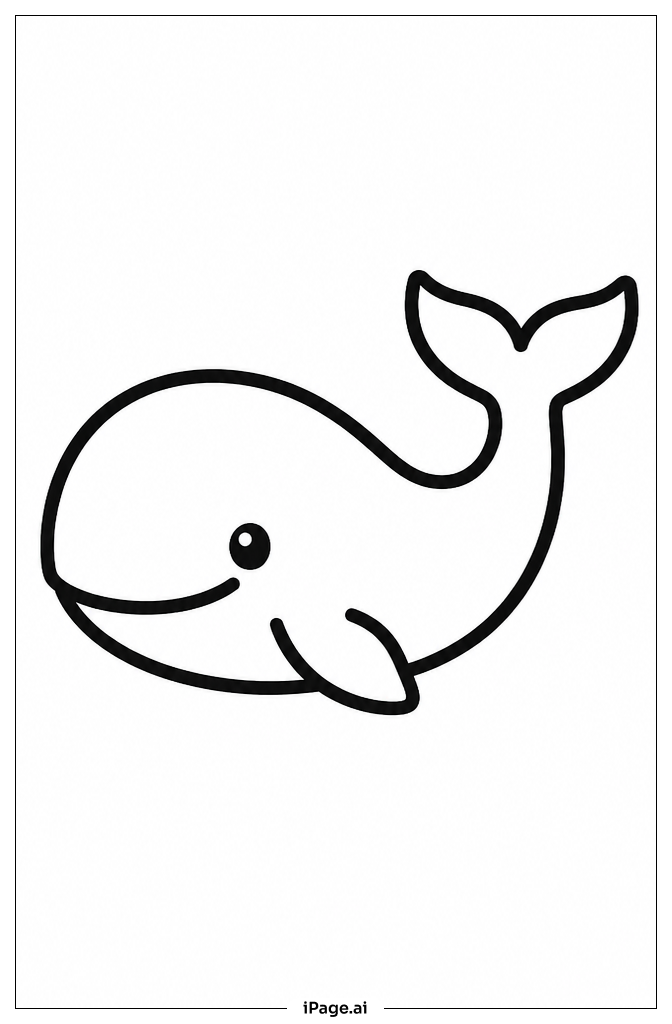
Coloring tips: How to color Sea Animals Whale coloring page well?
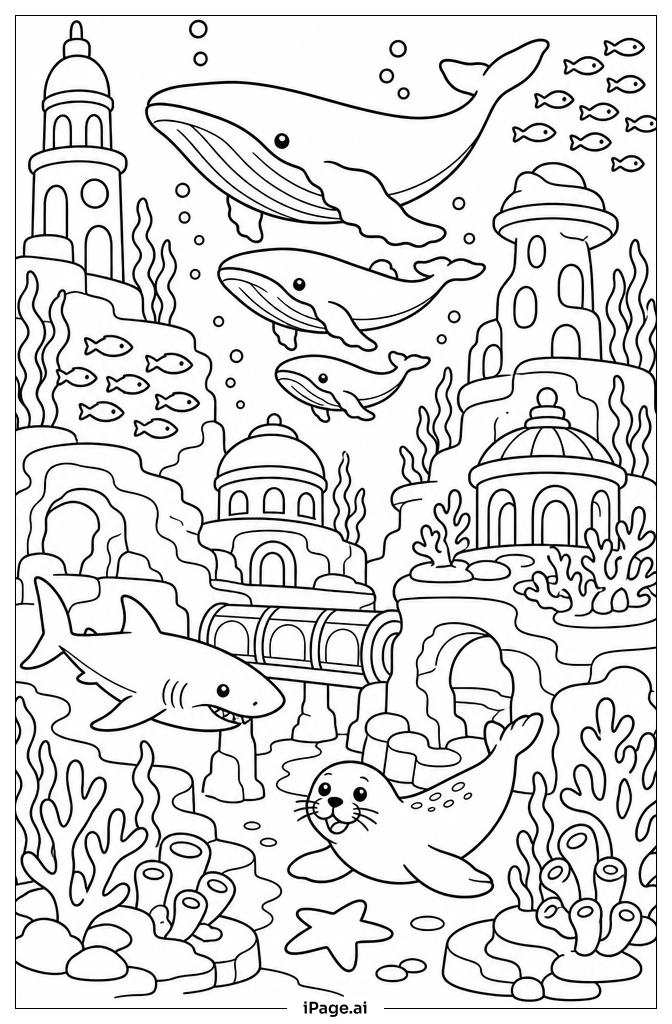
Start with the whale's body using shades of blue, blue-gray, or dark navy to give it a deep ocean look. Use a lighter shade on the belly area to show the natural two-tone coloring real whales often have. Try light blue or white for the belly to create contrast. For the water and waves around the whale, use various shades of blue and teal to bring the ocean to life. The bubbles can be colored with very light blue or left white for a shimmery effect. Add touches of purple or dark blue in the deeper water areas to suggest depth. Use green-blue tones to make the ocean feel cool and mysterious. If you want a fun and creative look, try bright colors like turquoise and aqua. Blend colors gently for a smooth, natural finish. Take your time with the fine details like the skin texture and water ripples — they make the whole picture pop!
Coloring challenges: Which parts are difficult to color and need attention for Sea Animals Whale coloring page?
Coloring this whale image comes with a few fun challenges to keep in mind:\n\n• **Large Body Areas:** The whale's body is wide and takes up a lot of space. Filling in such a large area evenly without streaks or patches can be tricky, especially with colored pencils. Try using smooth, consistent strokes and layer colors gradually to get an even finish.\n\n• **Two-Tone Body Shading:** Real whales have a darker top and a lighter belly. Blending from dark blue-gray on the back to a soft white or pale blue on the underside requires careful color transitions. Going too fast may result in a harsh line rather than a smooth gradient.\n\n• **Fine Line Details:** The skin texture lines, belly creases, and subtle body markings are small and close together. Staying inside these fine lines without smudging requires a sharp pencil tip and a steady hand, which can be challenging for younger colorists.\n\n• **Water and Bubbles:** The waves and bubbles surrounding the whale need multiple shades of blue to look realistic and lively. Keeping these small shapes neat while also making the water look fluid and natural is a balancing act that takes patience.\n\n• **Creating Depth:** Making the ocean look deep and three-dimensional means using darker shades in the background and lighter ones near the surface. Knowing where to place light and shadow on both the whale and the water takes practice but makes the final result look truly stunning.
Benefits of coloring books: Advantages of drawing Sea Animals Whale coloring page
Coloring this whale page offers a wonderful range of benefits for kids and adults alike. First, it helps build focus and concentration as you work through the details of the whale's body, water, and bubbles. Staying inside the lines and blending colors trains the hand and eye to work together, improving fine motor skills. For younger children, this is especially helpful for developing pencil grip and hand control. Choosing colors for the ocean and the whale also sparks creativity and imagination — there is no single right answer, so kids feel free to express themselves. Learning about the natural colors of whales while coloring can also be a fun, gentle introduction to marine biology and ocean life. The calming, repetitive motion of coloring has been shown to reduce stress and anxiety, making it a great mindfulness activity for older kids and adults too. Completing the page gives a strong sense of accomplishment and pride. Sharing the finished artwork with family or friends builds confidence. Overall, this Sea Animals Whale Coloring Page is both educational and deeply enjoyable for all ages.