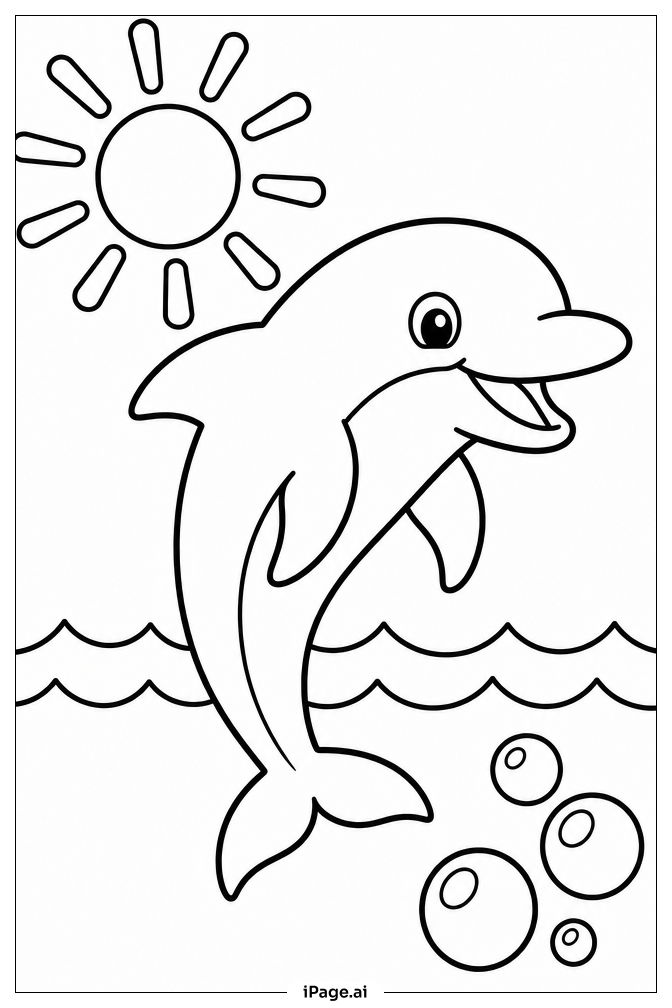
Coloring tips: How to color Sea Animals Sunlit Surface coloring page well?
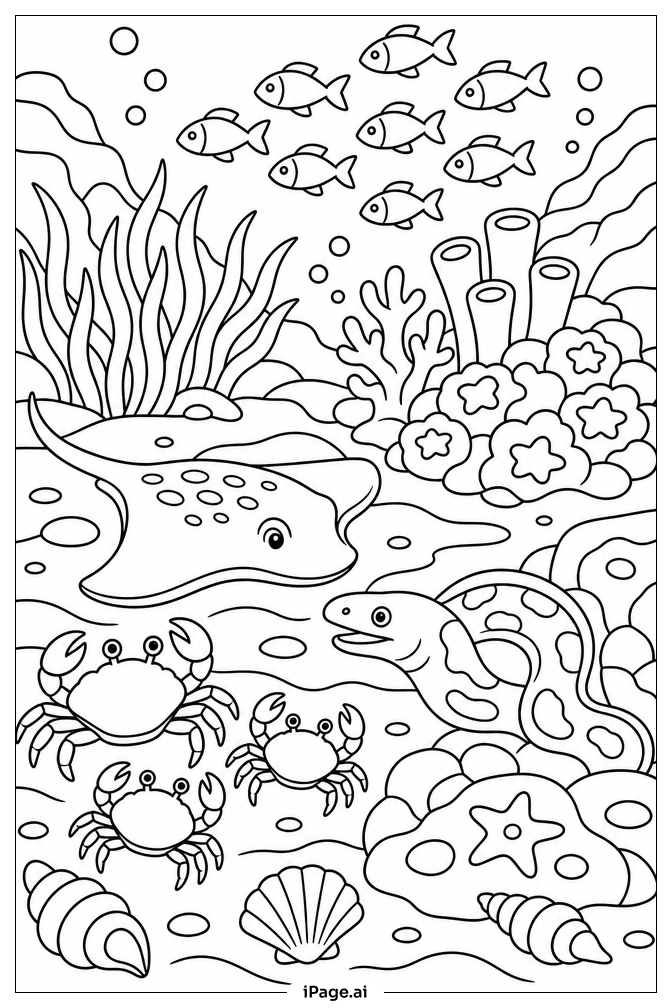
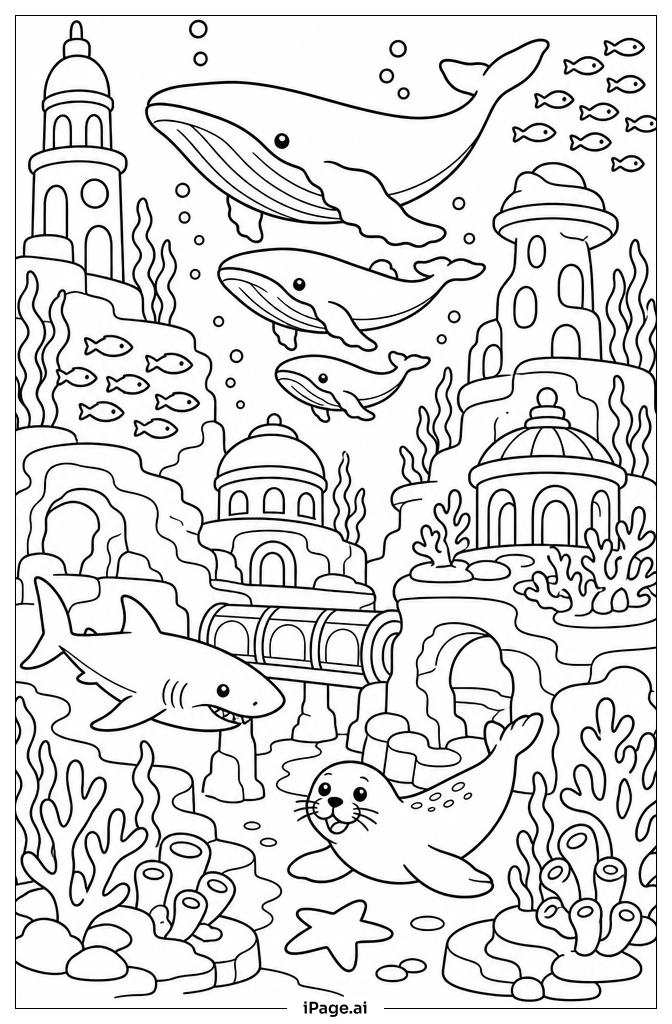
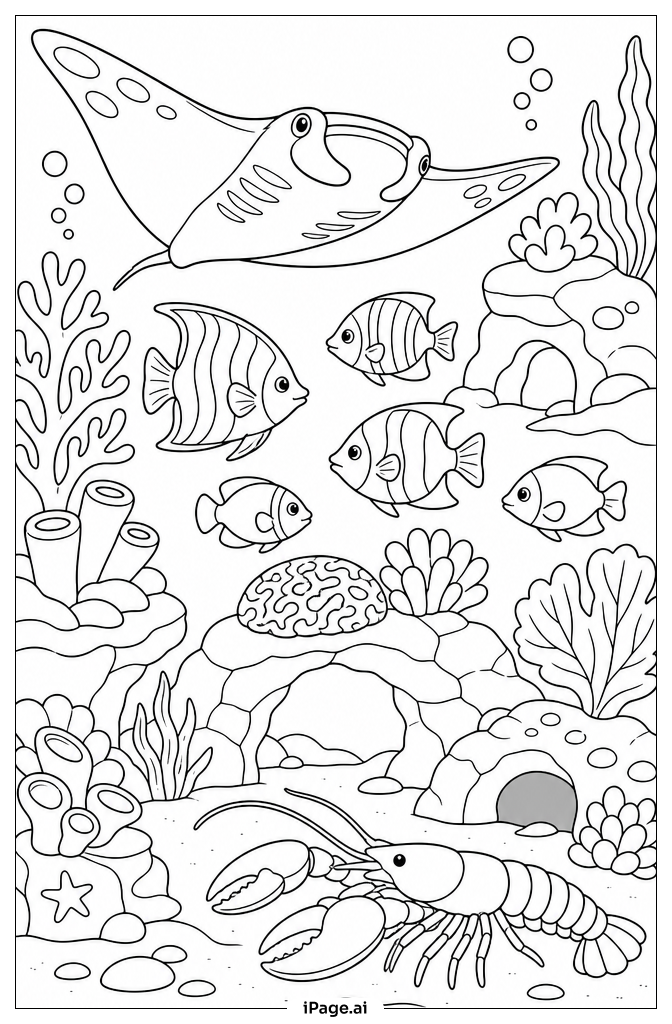
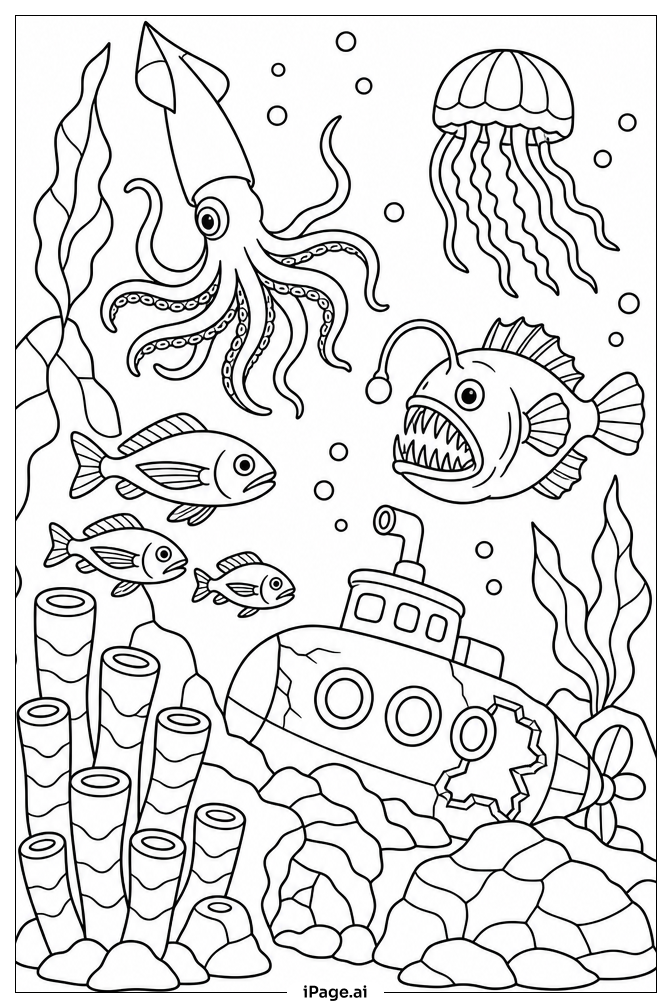
Start with the lightest colors at the top of the page near the water's surface. Use pale blue and soft aqua tones to show the sunlit water. For the sea turtle, try warm shades of green and brown on the shell with lighter cream tones on the belly. Color the dolphin in smooth gray or blue-gray, with a lighter shade on its underside. Give the tropical fish bright, bold colors like orange, yellow, red, and purple to make them pop. Use soft pinks and purples for the jellyfish to give them a glowing look. The seaweed and coral can be colored in deep greens, reds, and oranges. Add yellow and gold streaks to show the sunlight rays cutting through the water. Use darker shades of blue and teal deeper in the scene to create depth. Feel free to mix colors and use your imagination — the ocean is full of amazing colors!
Coloring challenges: Which parts are difficult to color and need attention for Sea Animals Sunlit Surface coloring page?
Coloring this underwater scene comes with several fun but tricky challenges:
• **Creating Water Depth and Light:** One of the hardest parts is making the water look like it has depth. The surface should look bright and light, while areas deeper in the scene should gradually get darker. Blending light blue at the top into deeper blue-green tones lower down takes patience and careful layering of colors.
• **Coloring the Sea Turtle's Shell:** The turtle's shell is made up of many small, patterned sections called scutes. Coloring each section neatly without going outside the lines requires a steady hand and a sharp pencil or thin marker. Using slightly different shades of green and brown for each section can make the shell look more realistic and textured.
• **Capturing the Sunlight Rays:** The rays of light streaming down from the surface are a key part of the scene's mood. Showing light in a coloring page is tricky — you'll need to leave some areas lighter or use very pale yellow and white to suggest a glowing effect without covering up detail.
• **Coloring Many Small Fish:** The school of tropical fish includes lots of small, detailed shapes. Keeping each fish colorful and distinct without the image looking too busy can be challenging. Choosing a color pattern and repeating it helps bring order to the group.
• **Jellyfish Transparency Effect:** Jellyfish look soft and see-through in real life. Recreating this translucent quality using colored pencils or markers means using light pressure and layering soft purples, pinks, and blues gently to keep them looking delicate and glowing.
Benefits of coloring books: Advantages of drawing Sea Animals Sunlit Surface coloring page
Coloring this Sea Animals Sunlit Surface page offers many wonderful benefits for kids and young artists:
**Sparks Creativity:** Choosing colors for ocean creatures encourages imaginative thinking. There are no wrong answers — kids can invent their own colorful fish or give the turtle a unique shell pattern.
**Builds Focus and Patience:** Filling in the detailed sections of this scene — like the turtle's shell or the tiny fish — helps children practice concentration and develop patience as they work carefully within the lines.
**Teaches About Ocean Life:** As kids color each animal, they naturally learn about sea creatures like dolphins, sea turtles, jellyfish, and tropical fish. It's a fun and gentle introduction to marine biology.
**Develops Fine Motor Skills:** Holding and controlling coloring tools to stay within small, detailed spaces strengthens hand muscles and improves coordination — important skills for writing and other activities.
**Promotes Calm and Relaxation:** The peaceful underwater theme, with its flowing shapes and gentle light, creates a soothing coloring experience. It helps children unwind and express their emotions through color in a calm, safe way.
**Encourages Environmental Awareness:** Engaging with images of beautiful sea creatures can inspire children to care about ocean conservation and the importance of protecting marine life.