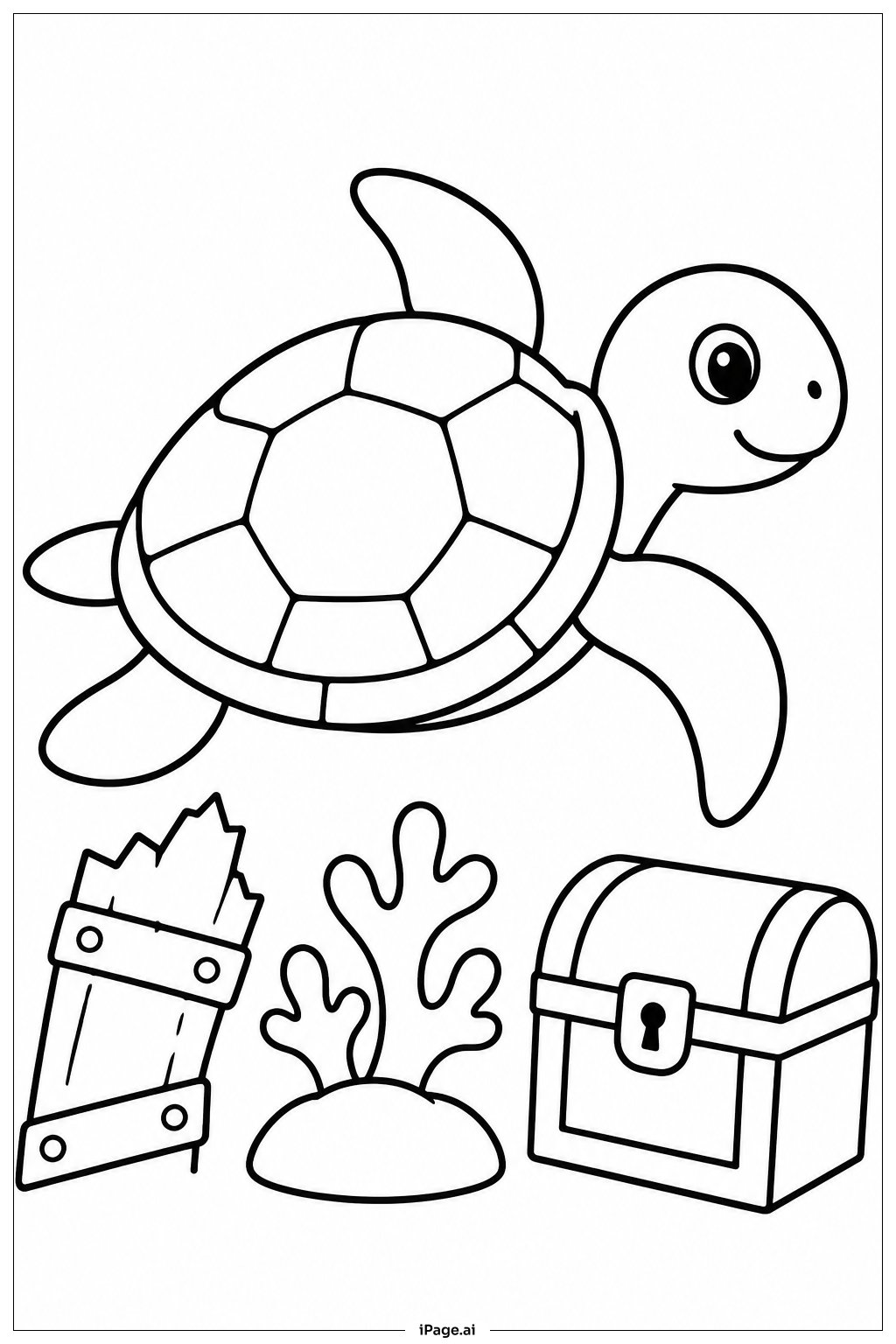
Coloring tips: How to color Sea Animals Shipwreck Exploration coloring page well?
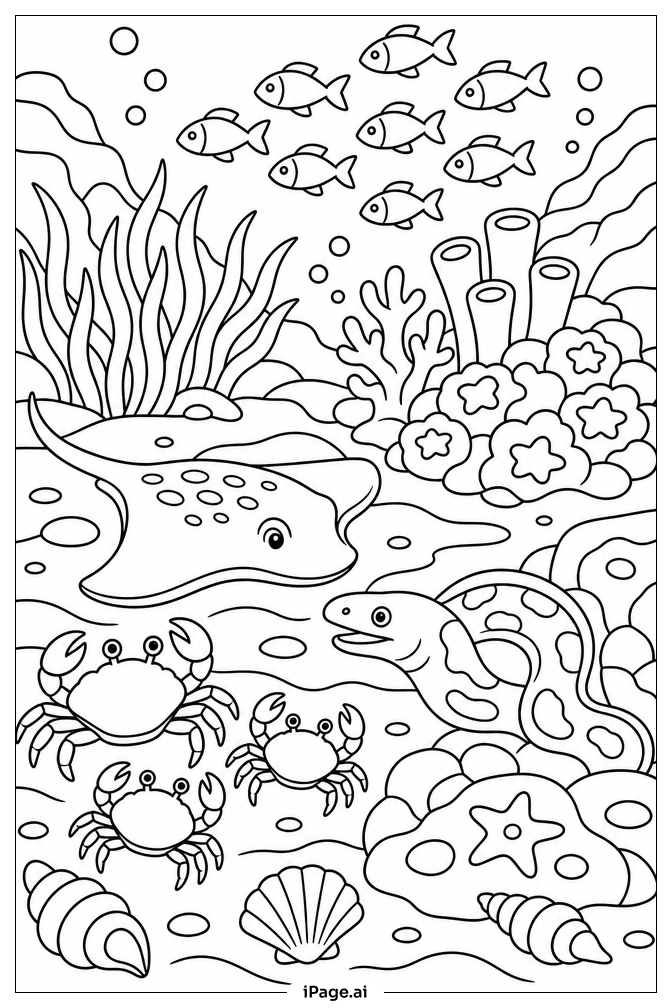
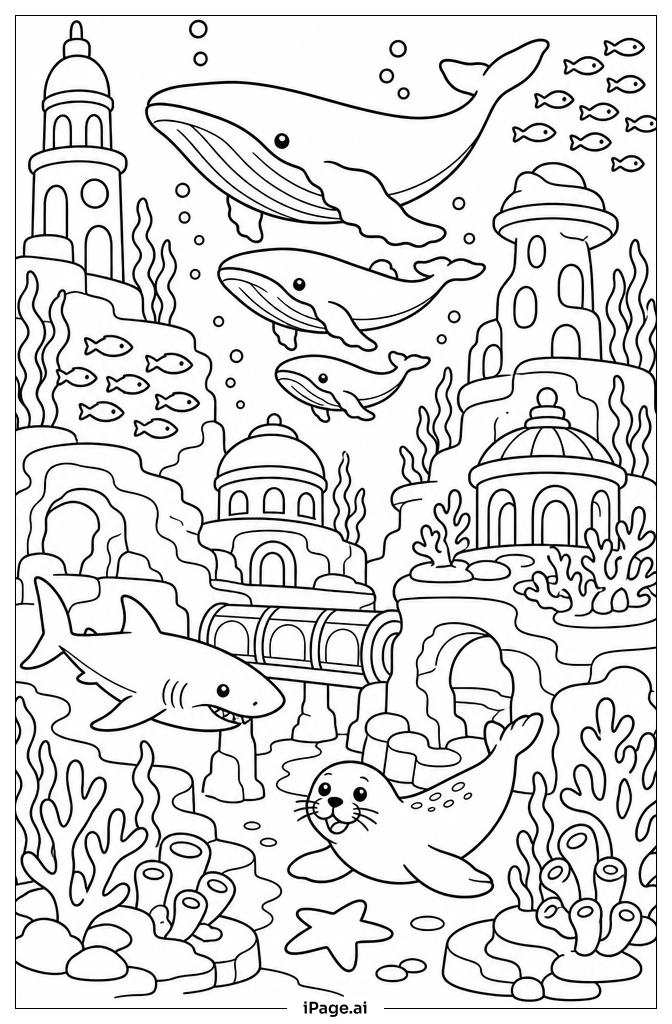
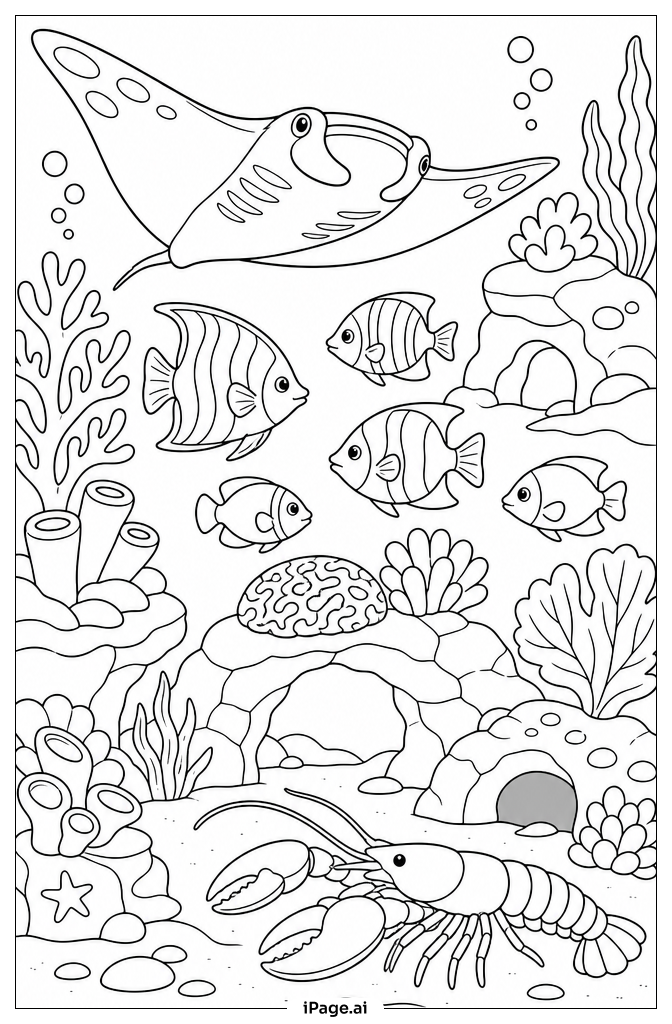
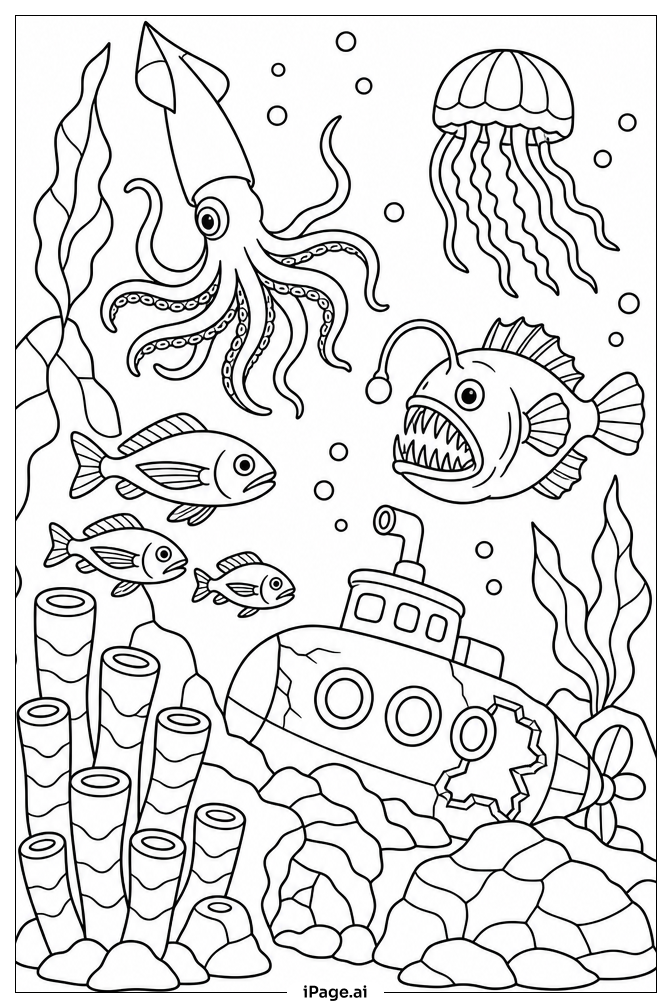
Start with the background water using shades of deep blue and teal to set an underwater mood. Use sandy browns and warm tans for the ocean floor. Color the shipwreck with dark browns, grays, and rusty oranges to show old, weathered wood and corroded metal. Add green and yellow for seaweed and barnacles clinging to the hull. Make the sea animals bright and fun — try a purple or red octopus, a golden-yellow sea turtle, and rainbow-colored tropical fish. Use soft pink and orange for the seahorse. The coral can be vibrant coral red, pink, or orange. Add white or light blue dots for bubbles to bring the water to life. Feel free to mix colors and add your own creative touches!
Coloring challenges: Which parts are difficult to color and need attention for Sea Animals Shipwreck Exploration coloring page?
Coloring this detailed underwater shipwreck scene comes with several exciting challenges:\n\n• **Intricate Ship Details:** The shipwreck features many small, overlapping elements — cracked planks, portholes, a rusted cannon, and an anchor. Staying within the fine lines of these details requires patience and a sharp-tipped colored pencil or fine marker. Young colorists may find it helpful to use thinner tools for these areas.\n\n• **Layering Underwater Colors:** Creating a convincing underwater atmosphere means blending multiple shades of blue, teal, and green for the water. Achieving a smooth gradient from lighter surface tones to deeper, darker hues near the ocean floor can be tricky without smudging or creating hard edges. Using light, circular strokes or watercolor pencils can help.\n\n• **Distinguishing Overlapping Elements:** Many parts of the scene overlap — tentacles cross the hull, fish swim through openings, and coral grows over the deck. Deciding which colors to use for each layer so they remain distinct and readable is a real challenge. Planning your color palette ahead of time helps prevent confusion.\n\n• **Texturing Different Surfaces:** The scene includes many contrasting textures — smooth fish scales, rough barnacles, slimy seaweed, and splintered wood. Representing these different textures through shading, stippling, or varied color pressure adds depth but demands a more advanced technique.\n\n• **Balancing Bright Animals Against a Dark Background:** Sea animals are naturally vivid, but against a dark underwater background, their colors can get lost. Using bold, saturated colors for the animals while keeping the background slightly muted helps each creature stand out beautifully.
Benefits of coloring books: Advantages of drawing Sea Animals Shipwreck Exploration coloring page
Coloring this Sea Animals Shipwreck Exploration page offers wonderful benefits for kids and adults alike. For children, filling in the many sea creatures and shipwreck details helps sharpen fine motor skills and hand-eye coordination. Choosing colors for fish, coral, and the old wooden hull encourages creative thinking and imagination. Kids also get to learn about ocean life — discovering creatures like octopuses, sea turtles, seahorses, and eels in a fun, engaging way. This naturally builds curiosity about marine biology and ocean ecosystems. For older colorists and adults, the complex details of the scene provide a satisfying, focused activity that helps reduce stress and promote mindfulness. Concentrating on intricate textures and layered elements encourages a calm, meditative state. Working through the full scene also builds a sense of accomplishment and pride. Whether you are a beginner or an experienced colorist, this page offers the perfect blend of challenge and creativity, making it a rewarding experience for all ages.