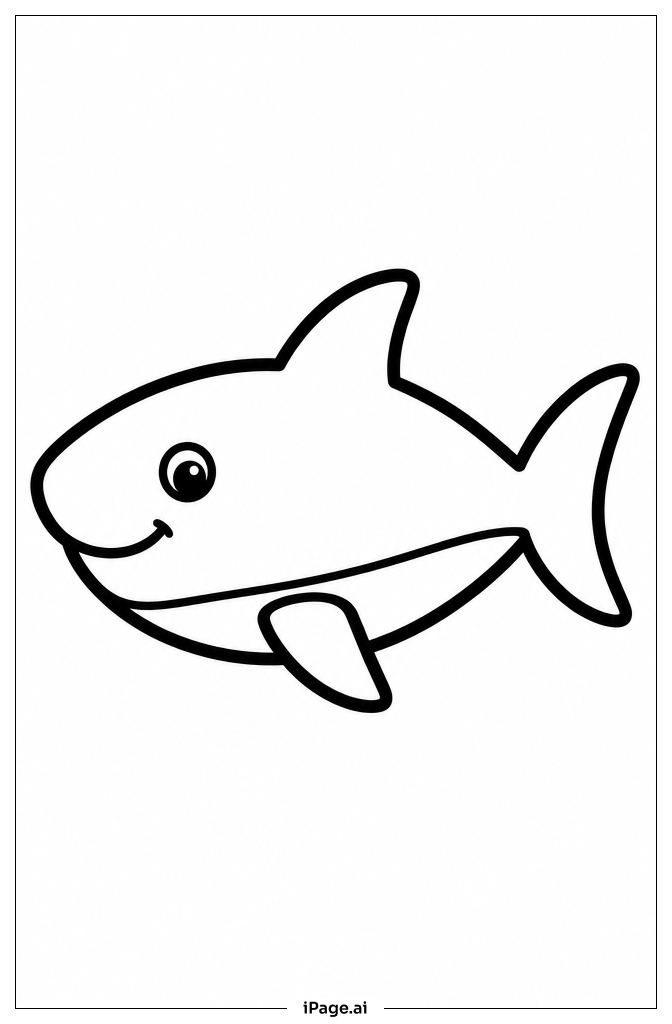
Coloring tips: How to color Sea Animals Shark coloring page well?
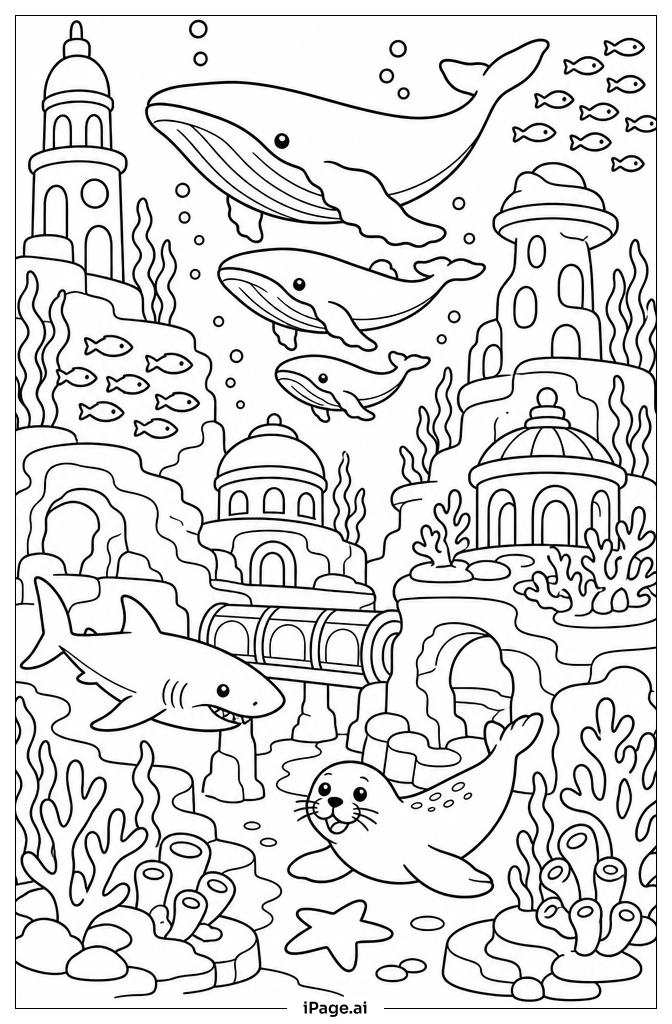
Start with the shark's body using shades of gray or blue-gray — these are the most natural colors for a shark. Use a lighter gray or white on the belly area to show the shark's two-tone coloring, which many real sharks have. For the open mouth, color the inside pink or dark red, and make the teeth bright white or ivory. Add a dark blue or teal background to represent the deep ocean water. Use light blue or white for the bubbles. You can also get creative and make your shark any color you like — purple, green, or even rainbow! There are no rules when it comes to art. Try blending two shades of the same color to add depth to the body. Use a darker tone near the top and a lighter tone on the belly for a realistic look.
Coloring challenges: Which parts are difficult to color and need attention for Sea Animals Shark coloring page?
Coloring this shark image comes with a few fun challenges to keep in mind:
• **Smooth body shading:** The shark's large, curved body can be tricky to color evenly. Getting a smooth gradient from dark gray on top to light gray or white on the belly requires patience. Using colored pencils in small, circular strokes or layering watercolor washes can help achieve a seamless blend without streaks or uneven patches.
• **Small, detailed teeth:** The rows of sharp teeth inside the open mouth are tiny and closely spaced. Carefully coloring each tooth white or ivory without going outside the lines takes a steady hand. Using a fine-tipped marker or a sharpened colored pencil will give you the most control in this tight area.
• **Gill slits and body texture:** The gill lines and subtle scale texture on the shark's body are fine details that require a light touch. Pressing too hard may make these lines disappear under heavy color. Using a slightly darker shade to trace these details lightly after the base color is applied can help them stand out naturally.
• **Fin edges and outlines:** The dorsal fin, pectoral fins, and tail fin have sharp, defined edges. Staying within these outlines while applying color — especially near the pointed tips — requires careful attention. Working slowly from the outline inward helps maintain crisp edges.
• **Ocean background balance:** Choosing a background color that complements the shark without overpowering it can be challenging. A gradient from deep navy at the top to lighter aqua near the shark works well, but blending those tones smoothly takes practice and a steady hand.
Benefits of coloring books: Advantages of drawing Sea Animals Shark coloring page
Coloring this shark page offers a wonderful mix of fun and learning for kids and beginners alike. Here are some great benefits:
**Builds focus and patience** — Staying within the lines of the shark's detailed body and small teeth helps children practice concentration and develop a steady hand.
**Sparks creativity** — Kids can choose realistic ocean colors or go wild with imaginative hues, encouraging self-expression and original thinking.
**Teaches about nature** — Coloring a shark introduces children to real ocean animals. It can inspire curiosity about marine biology, shark species, and ocean ecosystems.
**Improves fine motor skills** — Handling crayons, colored pencils, or markers to fill in small areas like the gill slits and teeth strengthens hand-eye coordination and finger control.
**Reduces stress and promotes calm** — The repetitive, focused activity of coloring is known to have a calming effect, helping children (and adults) relax and unwind.
**Boosts confidence** — Completing a detailed coloring page gives kids a real sense of accomplishment, building self-esteem and pride in their creative work.