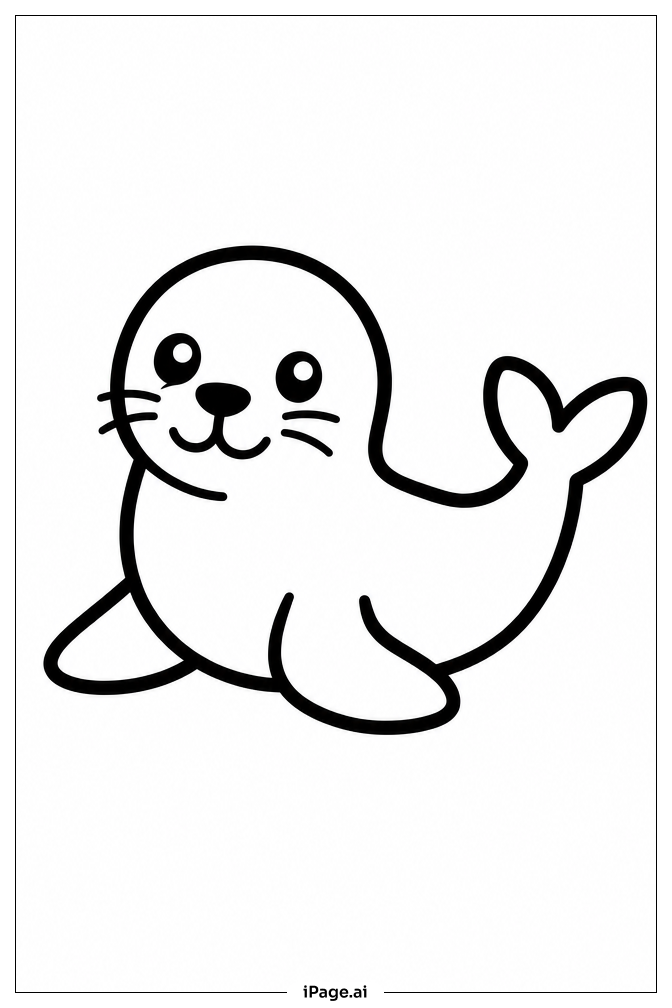
Coloring tips: How to color Sea Animals Seal coloring page well?
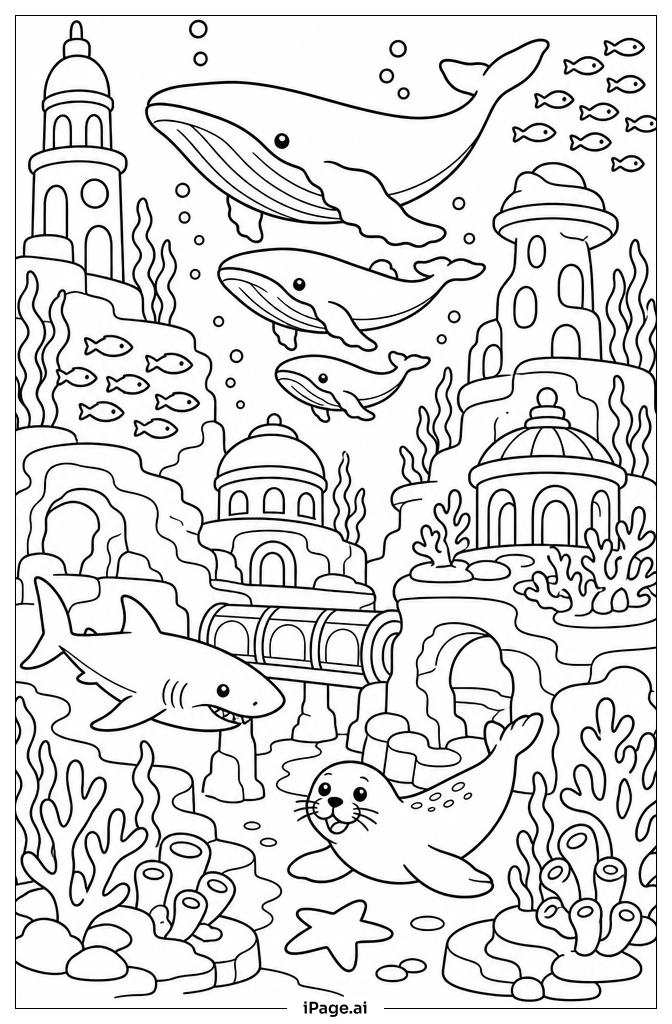
Start with the seal's body using soft gray or silvery tones for a realistic look. You can also use warm tan or light brown if you prefer a more golden appearance. Add a slightly darker shade along the back and sides to give the body a rounded, three-dimensional feel. Use a pale pink or peachy tone for the belly area to create contrast. Color the large eyes dark brown or deep black, leaving a tiny white dot to add a lively sparkle. The flippers can be a shade darker than the body. For the rocky background, use earthy tones like brown, gray, or beige. Color the water in shades of blue and teal to bring the ocean to life. Feel free to use bright, fun colors if you want a creative, imaginative look!
Coloring challenges: Which parts are difficult to color and need attention for Sea Animals Seal coloring page?
• **Smooth Body Blending:** The seal's round, rounded body requires smooth color transitions from darker shades on the back to lighter tones on the belly. Achieving a gradual blend without harsh lines can be tricky, especially for younger children. Using colored pencils in circular, gentle strokes helps create a soft, natural look.
• **Small Facial Details:** The seal's face contains small features like the eyes, nose, and whisker dots. These tiny areas need careful, precise coloring to avoid going outside the lines. A fine-tipped colored pencil or a thin marker works best for these delicate spots.
• **Flipper Definition:** The front and tail flippers have subtle curves and folds. Keeping the coloring neat within these narrow shapes while also suggesting depth with shading can be challenging. Using a slightly darker tone along the edges of each flipper helps define them clearly.
• **Rocky Texture:** The rocks in the background have irregular, uneven shapes. Filling these in evenly while capturing the rough, natural texture takes patience. Try layering two or three shades of gray or brown to make the rocks look rugged and realistic.
• **Water and Background Balance:** Coloring the ocean water without overwhelming the seal as the main subject requires careful color choices. Keeping the background colors slightly muted compared to the seal ensures the focal point stays clear and the overall composition looks balanced and visually pleasing.
Benefits of coloring books: Advantages of drawing Sea Animals Seal coloring page
Coloring this Sea Animals Seal page offers a wonderful range of benefits for kids and beginners alike. First, it helps develop fine motor skills as children carefully fill in the seal's smooth body, small facial features, and detailed flippers. Staying within the lines builds hand-eye coordination and pencil control over time.
Second, choosing colors for the seal and its ocean habitat sparks creativity and imagination. Kids can experiment with realistic shades or invent their own colorful underwater world, boosting confidence in their artistic choices.
Third, this page introduces children to marine life in a fun and engaging way. Learning about seals, their bodies, and their ocean environment while coloring makes the experience both educational and enjoyable.
Fourth, the focused, calming nature of coloring helps children practice concentration and patience. Completing a full page gives a satisfying sense of accomplishment that encourages persistence.
Finally, coloring is a relaxing activity that helps reduce stress and anxiety, promoting emotional well-being for children and adults alike. It is also a great screen-free activity that encourages creativity away from devices.