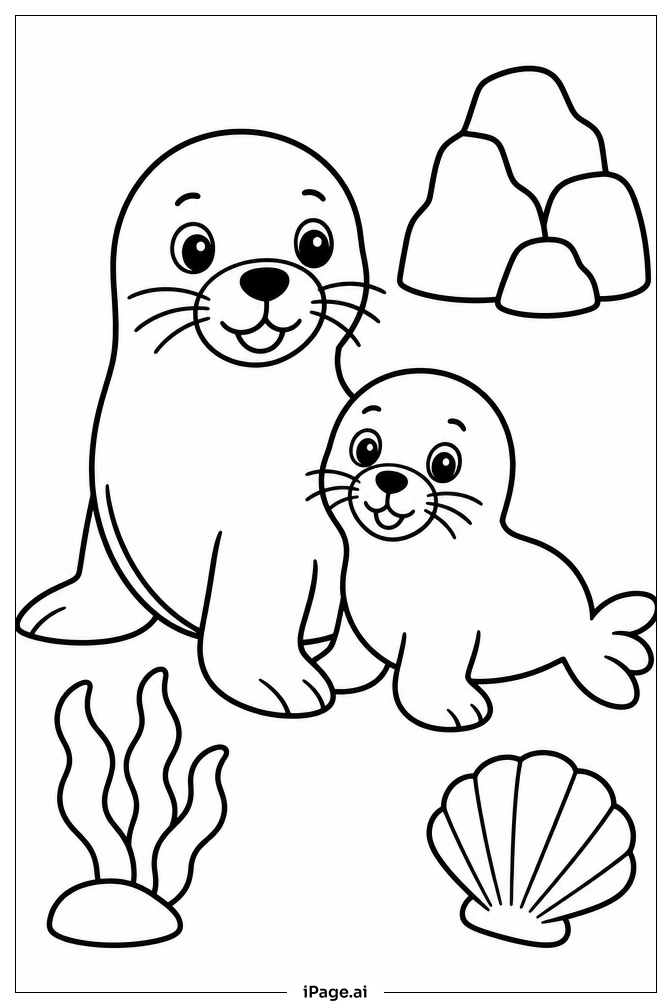
Coloring tips: How to color Sea Animals Parent And Pup coloring page well?
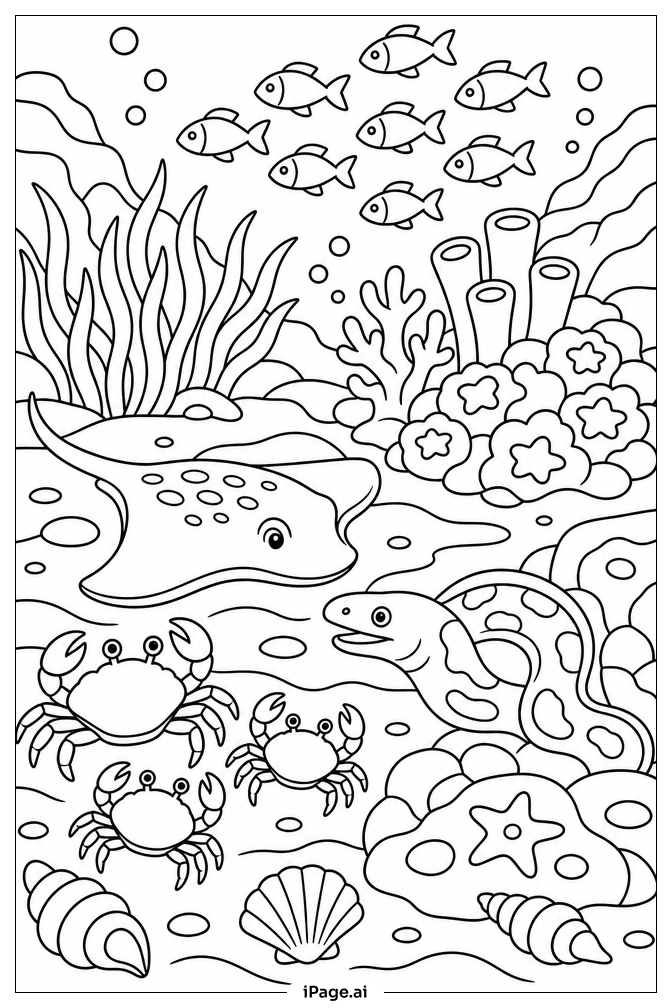
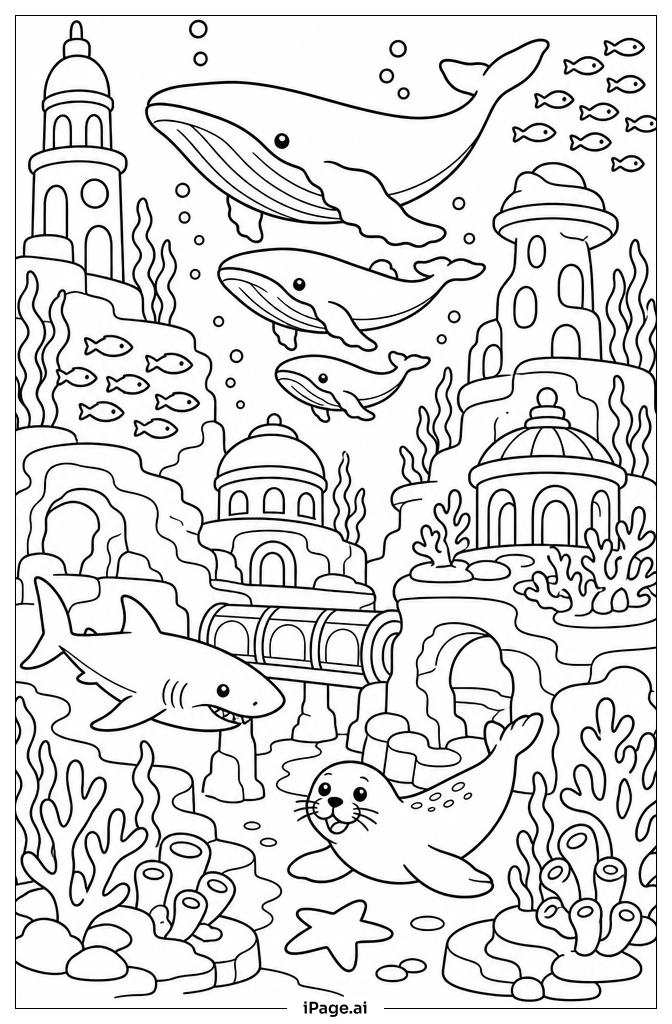
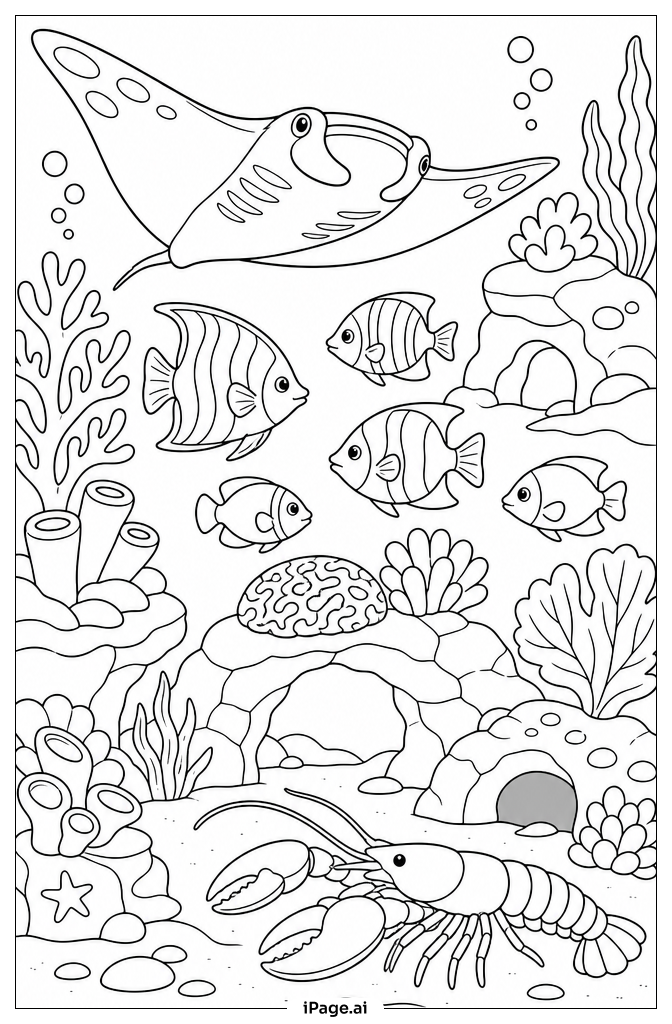
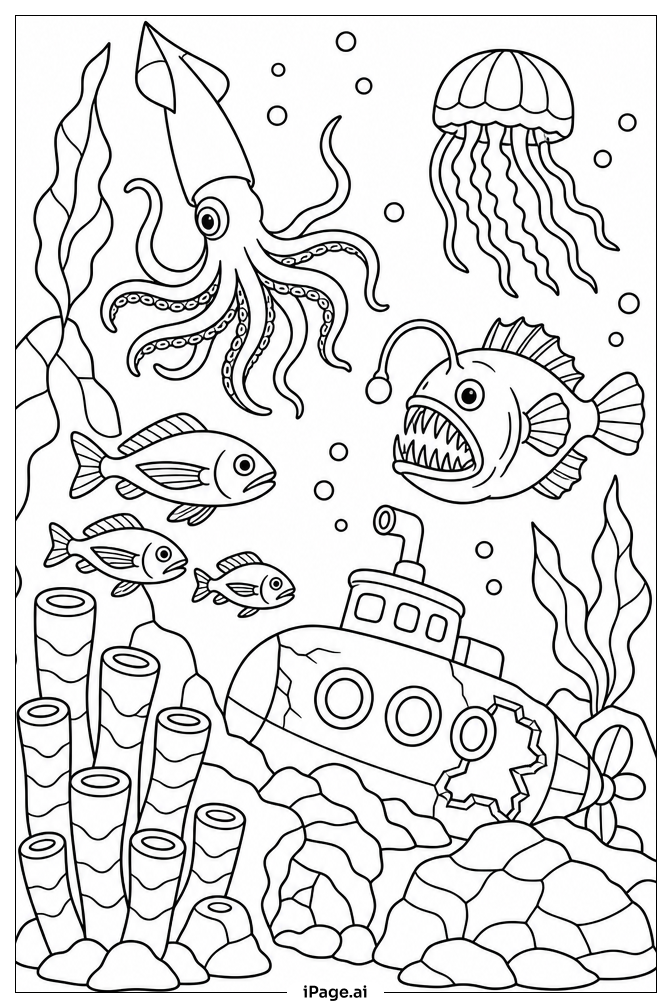
Start with the ocean background. Use different shades of blue — light sky blue near the surface and deeper navy or teal toward the bottom — to give a sense of depth. For the parent sea animal, try cool grays, slate blues, or warm browns depending on the species shown. Give the pup a slightly lighter version of the same tones to show it is younger and smaller. Use bright greens for seaweed and kelp. Bubbles can be left white or lightly shaded with pale blue. Add pops of color with coral, starfish, or small fish in oranges, pinks, and yellows. Blend colors softly where the water meets the animals to create a natural underwater feel. This page works great with colored pencils, watercolors, or markers — all are welcome. Most importantly, have fun and let your creativity flow!
Coloring challenges: Which parts are difficult to color and need attention for Sea Animals Parent And Pup coloring page?
• Distinguishing the Parent and Pup: The parent and pup share similar body shapes and markings, which can make it tricky to color them differently enough to tell them apart. Try using slightly darker or richer tones for the parent and softer, lighter shades for the pup to highlight the size and age difference naturally.
• Layering Ocean Depth: Recreating the look of deep ocean water requires gradual color transitions. Going from light blue at the top to deep teal or dark navy at the bottom takes patience and careful blending. Rushing this step can make the water look flat instead of immersive and three-dimensional.
• Small Detail Areas: Sea creatures often have fins, flippers, spots, scales, or facial features that are drawn in fine detail. These tight spaces are hard to color neatly, especially with thicker markers or crayons. Using a sharpened colored pencil or a fine-tip marker helps keep the details clean and precise.
• Ocean Elements Like Bubbles and Seaweed: Bubbles are small circular shapes that are easy to accidentally fill in with the wrong color. Seaweed has flowing, overlapping lines that require careful attention to avoid color bleeding between sections. Working slowly and using a light hand will help keep each element looking distinct.
• Keeping the Scene Cohesive: With multiple characters and background elements all sharing a similar cool color palette, it can be hard to make each part of the image stand out. Choosing a consistent but varied color scheme — and adding small accent colors — helps every element feel like part of a unified, balanced scene.
Benefits of coloring books: Advantages of drawing Sea Animals Parent And Pup coloring page
Coloring this Sea Animals Parent And Pup page offers a wonderful range of benefits for children and adults alike. For younger kids, filling in the large, bold shapes of the sea animals helps build fine motor skills and strengthens hand-eye coordination in a fun, low-pressure way. Choosing colors for the ocean and its creatures also encourages creative thinking and self-expression.
The parent-and-pup theme adds an emotional layer to the activity. As colorists work through the image, they naturally think about family, care, and connection — themes that support emotional development and empathy in children.
For older kids and adults, the more detailed areas of the image — fins, bubbles, seaweed, and small ocean details — provide a gentle focus challenge that can reduce stress and encourage mindfulness. Spending time on a detailed, calming task like this is a great way to slow down and recharge.
Learning about sea life is another quiet benefit. The image sparks curiosity about real ocean animals and the relationships between parents and their young in nature, which can lead to fun conversations or further exploration. Overall, this page makes coloring both a joyful and meaningful experience.