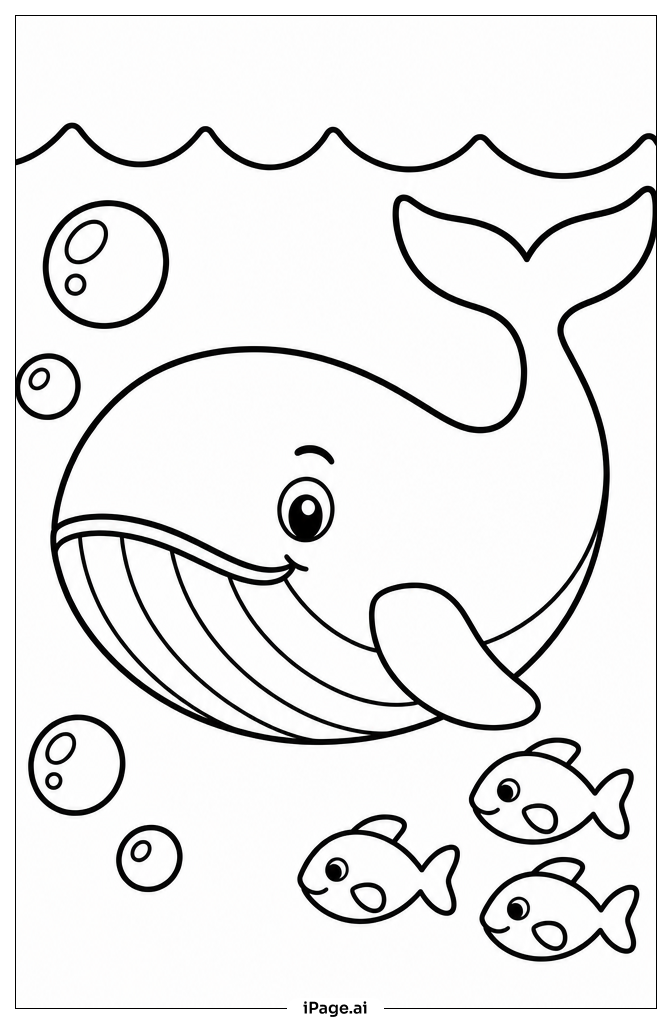
Coloring tips: How to color Sea Animals Open Ocean coloring page well?
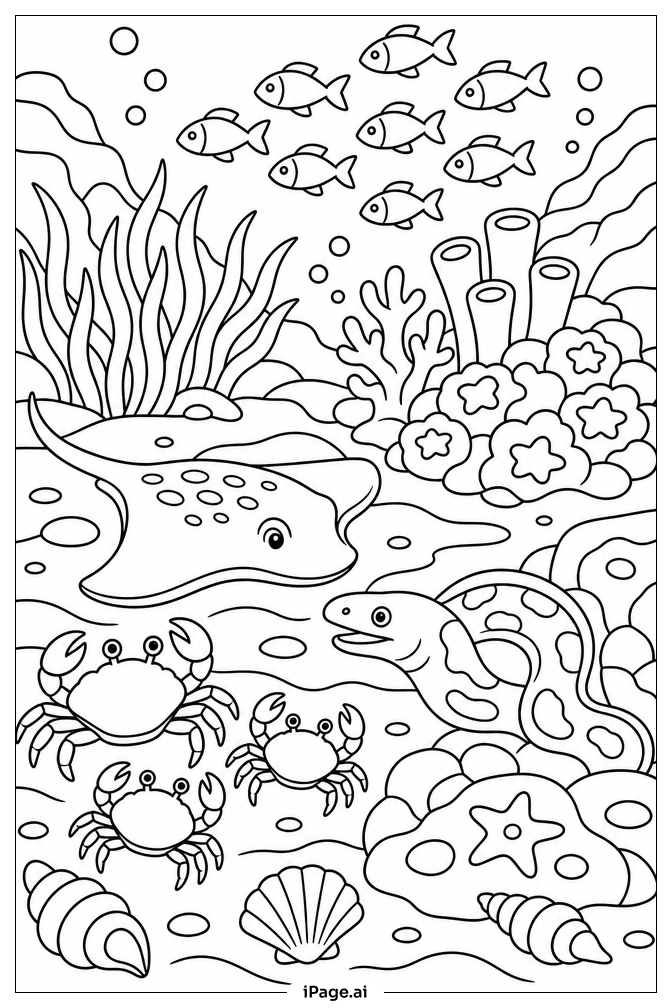
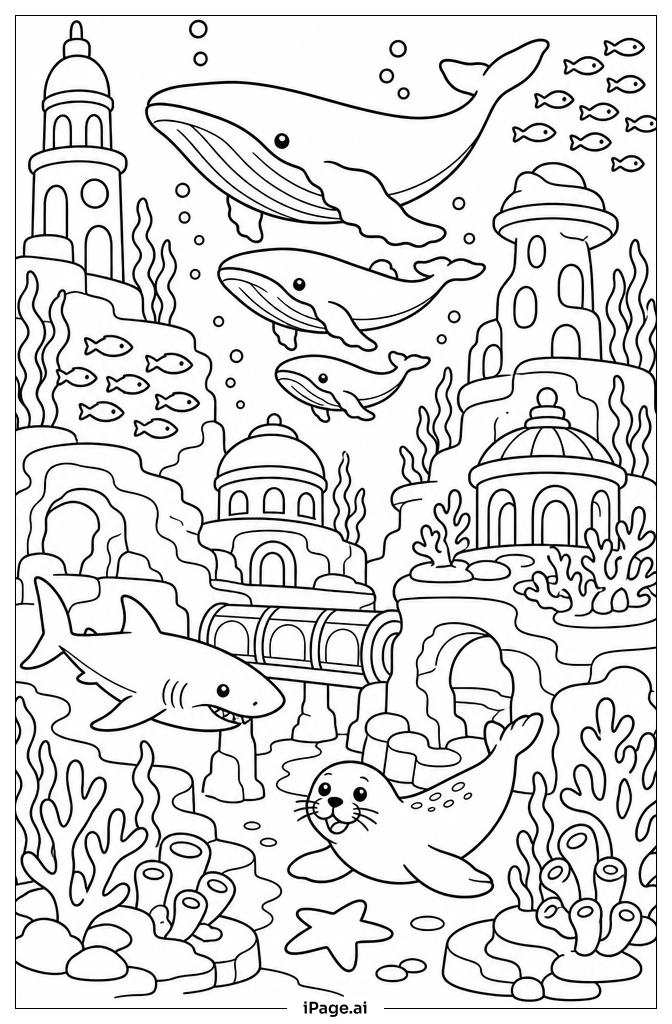
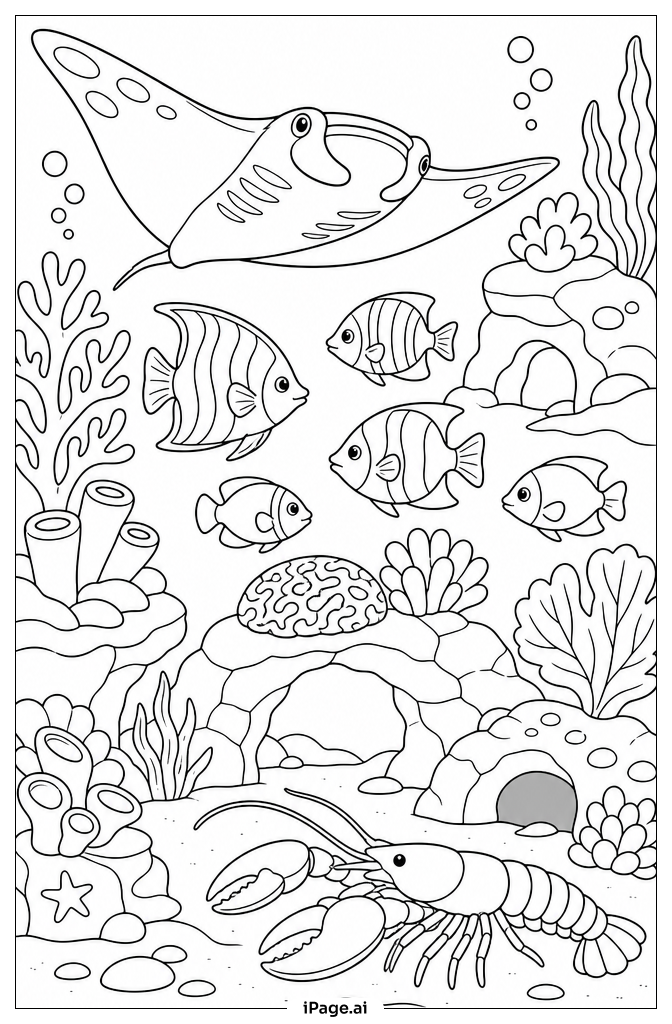
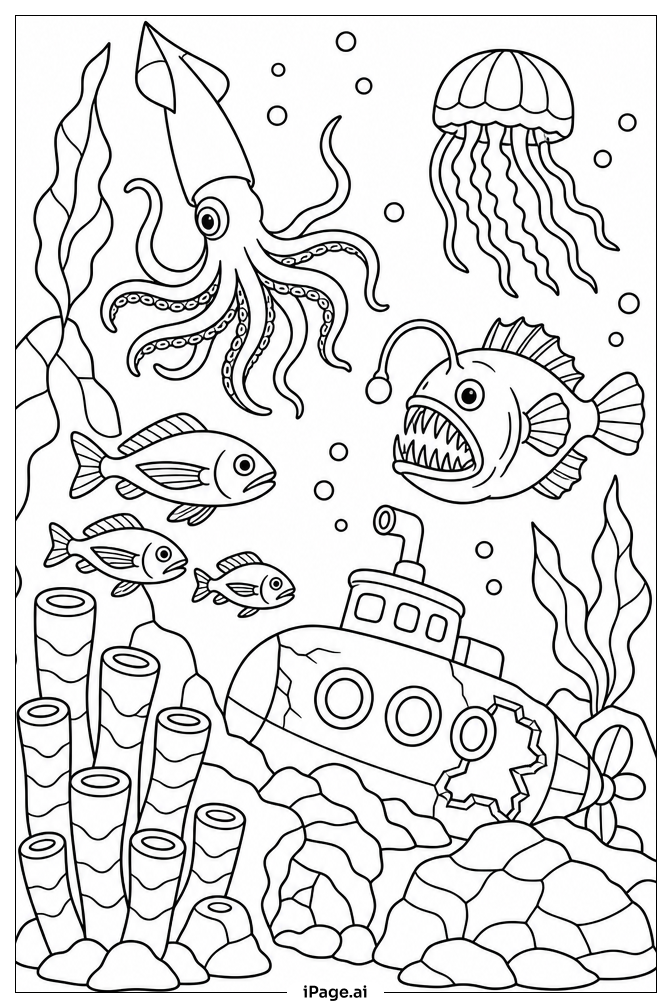
Start with the largest animals first. Color the whale in shades of deep blue or gray. Use light blue and turquoise for the open ocean water. Give the dolphins a smooth gray or silver tone with white on their bellies. The sea turtle can be colored in green and brown to look natural. Use bright, cheerful colors for the school of fish — think orange, yellow, and red. The octopus looks great in purple, pink, or orange. For the shark, try cool grays and blues. Add some darker blue and teal tones to the background water to create a sense of depth. Use light blue or white to suggest sunlight filtering through the water. Finish by adding coral in pink, red, or orange, and color the seaweed in various shades of green. Don't be afraid to mix and blend colors to make the ocean feel alive!
Coloring challenges: Which parts are difficult to color and need attention for Sea Animals Open Ocean coloring page?
Coloring this open ocean scene is a rewarding challenge, but there are a few tricky areas to watch out for:
• **Staying inside fine outlines:** Many sea animals — like the octopus's tentacles and the fish's scales — have small, detailed line work. Using a sharp colored pencil or a fine-tipped marker helps you stay neat and precise without going outside the lines.
• **Creating a sense of depth in the water:** The open ocean should feel deep and expansive. Achieving this effect requires layering multiple shades of blue — lighter near the surface where sunlight hits and gradually darker toward the background. Blending these tones smoothly can be challenging, especially for younger colorists.
• **Differentiating overlapping animals:** Several animals in the scene overlap each other. For example, fish may cross in front of the whale or coral. Choosing contrasting colors for neighboring elements helps each creature stand out clearly and avoids a muddy, blended look.
• **Coloring the octopus tentacles:** The long, curling tentacles of the octopus wind across a large area and interact with other elements in the scene. Keeping a consistent color along each tentacle while navigating around other details requires patience and a steady hand.
• **Balancing bright and dark areas:** Some areas of the image, like the vibrant coral and fish, call for bright, saturated colors, while the deeper water requires darker tones. Balancing these contrasts so the image feels cohesive — without one area overpowering another — takes planning and careful color selection.
Benefits of coloring books: Advantages of drawing Sea Animals Open Ocean coloring page
Coloring this open ocean scene offers wonderful benefits for kids and adults alike.
For children, it is a fantastic way to learn about marine life. As they color each animal, they naturally begin to recognize and remember different sea creatures — from whales and dolphins to octopuses and sea turtles. This builds early science knowledge in a fun, hands-on way.
The act of coloring also strengthens fine motor skills. Carefully filling in small details like fish scales and tentacles helps develop hand-eye coordination and pencil control, which are important for writing and other everyday tasks.
Choosing colors for the ocean, the animals, and the coral encourages creative thinking. Kids get to make their own artistic decisions, which builds confidence and self-expression.
For older children and adults, this scene provides a calming, meditative experience. Focusing on the details of the image helps reduce stress and encourages mindfulness — a mental break from screens and busy schedules.
Finally, completing a complex, beautiful scene like this gives colorists a strong sense of accomplishment. Displaying the finished artwork is a source of pride and joy for colorists of any age.