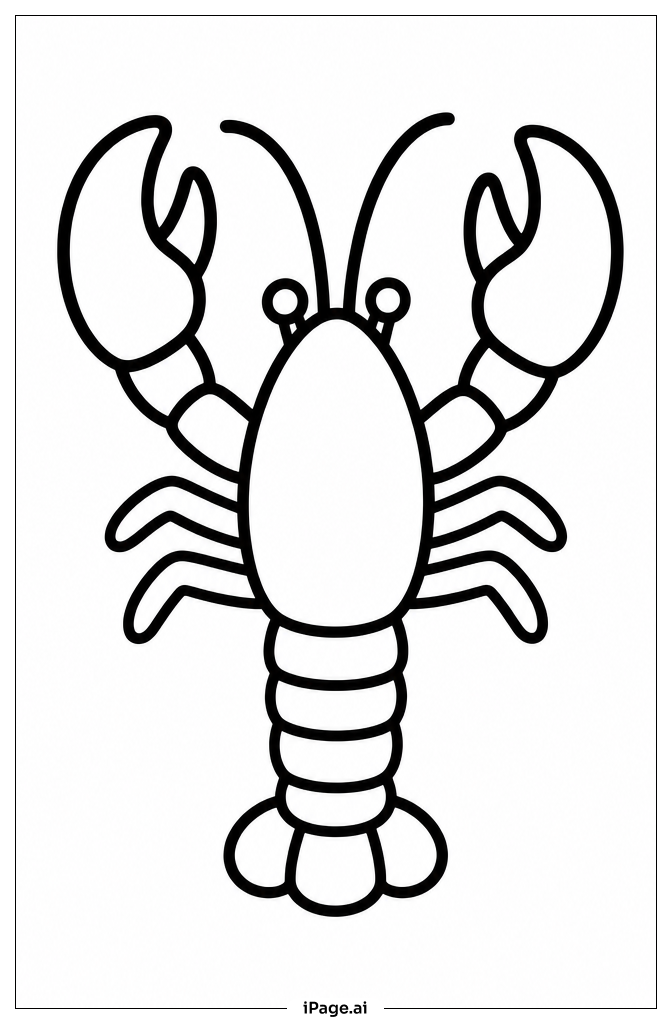
Coloring tips: How to color Sea Animals Lobster coloring page well?
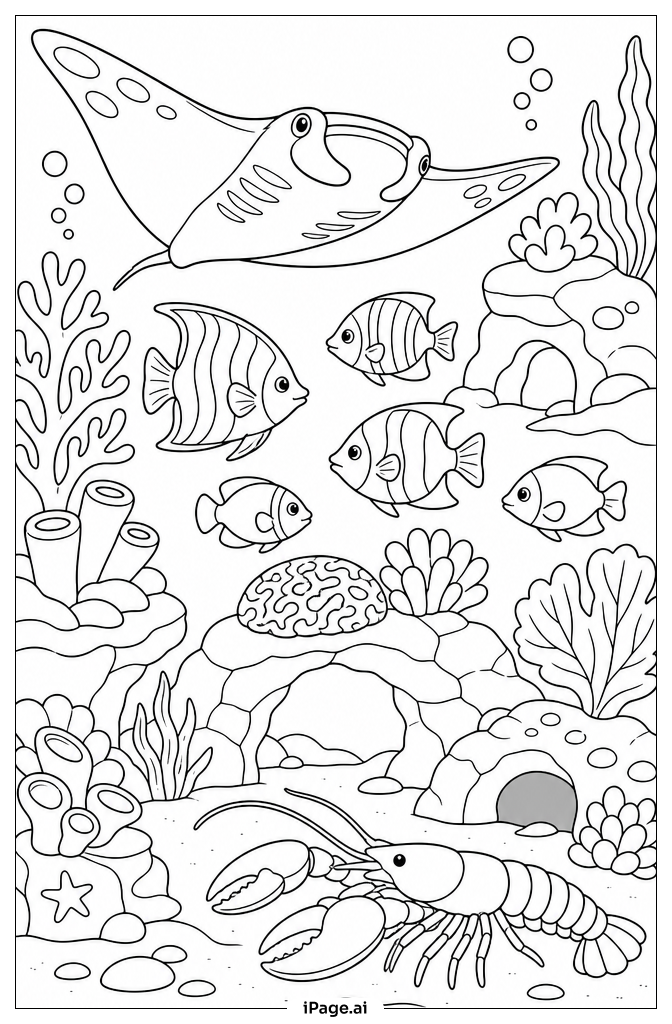
Start with the lobster's body and claws using a bright red or orange-red color — this is the classic lobster look! You can also try a dark reddish-brown if you want a more natural, underwater feel. Use a slightly lighter shade on the belly and the underside of the tail to show depth. The claws can be a deeper red or even a dark maroon to stand out from the rest of the body. Color the antennae and thin legs with a burnt orange or rust tone. The fan-shaped tail can get a gradient effect — darker at the base fading to a lighter orange at the tips. If you want to get creative, try a blue or green lobster — some real lobsters actually come in those colors! Add small yellow or white highlights on the curved shell sections to make the lobster look shiny and alive. Use a light blue or teal in the background to suggest the ocean floor.
Coloring challenges: Which parts are difficult to color and need attention for Sea Animals Lobster coloring page?
Coloring this lobster image looks fun, but there are a few tricky parts to watch out for:
• **Small, narrow legs and antennae:** The lobster has multiple thin walking legs and long, curvy antennae. These areas are very narrow, making it hard to stay inside the lines. Use a sharpened colored pencil or a fine-tip marker to fill these parts without going over the edges.
• **Segmented body sections:** The lobster's body is divided into many separate segments — the tail, thorax, claws, and head all have their own curved panels. Keeping consistent color across all these sections while also showing subtle variation between each one takes patience and careful control.
• **Adding depth to the claws:** The large front claws are a key feature of the lobster, but they have rounded, three-dimensional shapes. Showing that roundness through shading or color gradients can be challenging, especially for younger colorists who are still learning blending techniques.
• **The fan-shaped tail:** The tail is made up of several overlapping plates that spread out like a fan. Each plate needs to be colored individually, and making them look connected yet distinct from one another requires steady hands and attention to detail.
• **Avoiding a flat look:** With so many sections of similar shape, the whole image can easily look flat if you use just one single color throughout. The challenge is to vary your shades slightly — going darker in the shadows and lighter in the highlights — to make the lobster look full and realistic.
Benefits of coloring books: Advantages of drawing Sea Animals Lobster coloring page
Coloring this lobster page is a wonderful activity for kids and adults alike. Here is why it is worth picking up those colored pencils:
**Builds fine motor skills:** Carefully coloring inside the lobster's small legs, antennae, and segmented body gives hands and fingers a great workout. This helps young children improve their pencil grip and hand-eye coordination.
**Sparks curiosity about sea life:** As kids color the lobster, they naturally start wondering about where lobsters live, what they eat, and how they move. This curiosity is a great starting point for learning about ocean ecosystems and marine biology.
**Encourages creativity:** There is no single "right" way to color a lobster. Kids can go classic red, try a rare blue lobster, or invent a totally imaginary color scheme. This freedom builds creative confidence.
**Improves focus and patience:** Working through all the small details of this image — the claws, the tail plates, the many legs — requires concentration. This kind of focused activity helps children practice sitting still and completing a task step by step.
**Provides a calming experience:** The rhythmic motion of coloring is relaxing and stress-relieving for both children and adults. It is a screen-free way to unwind while still being productive and creative.