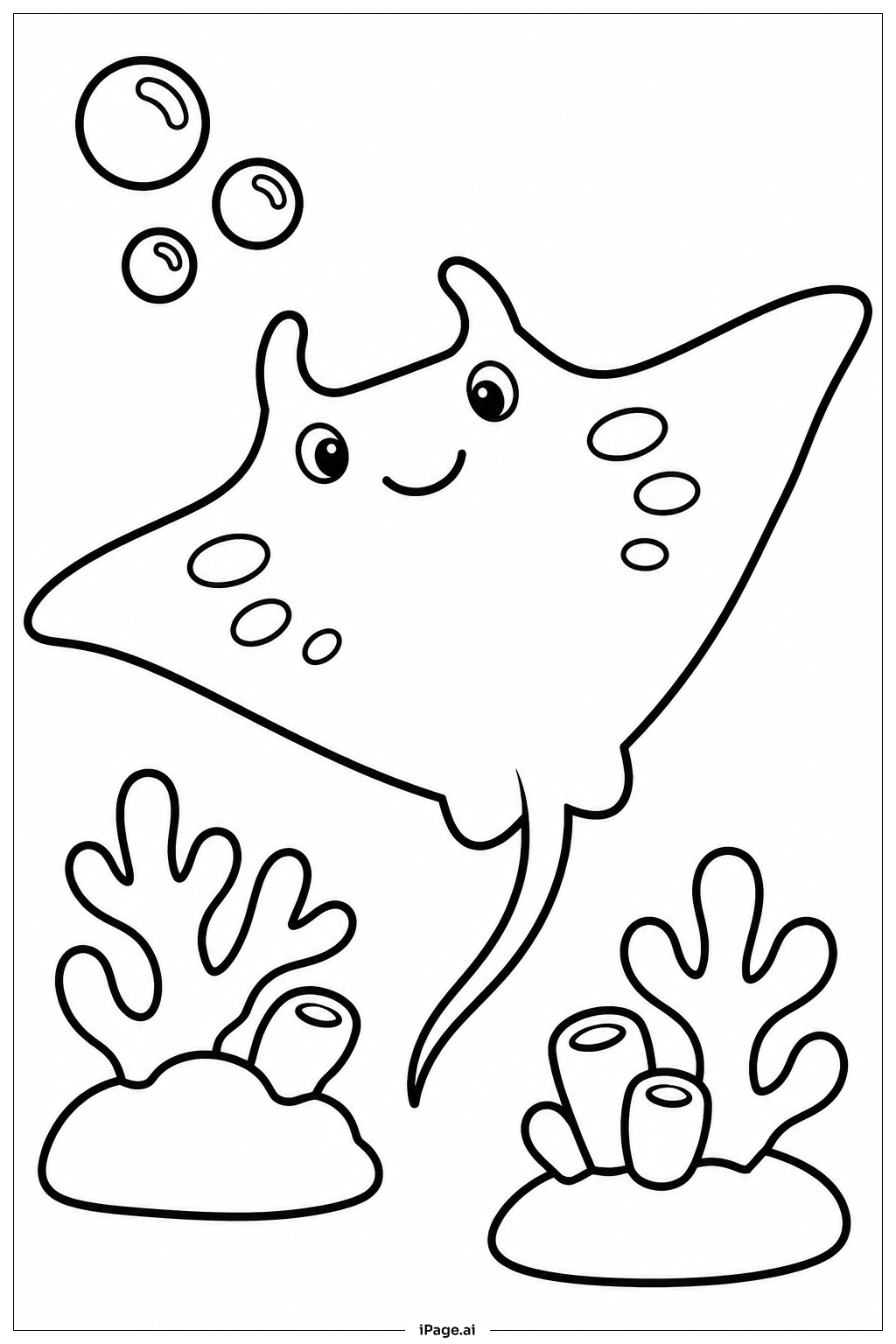
Coloring tips: How to color Sea Animals Lagoon Swim coloring page well?
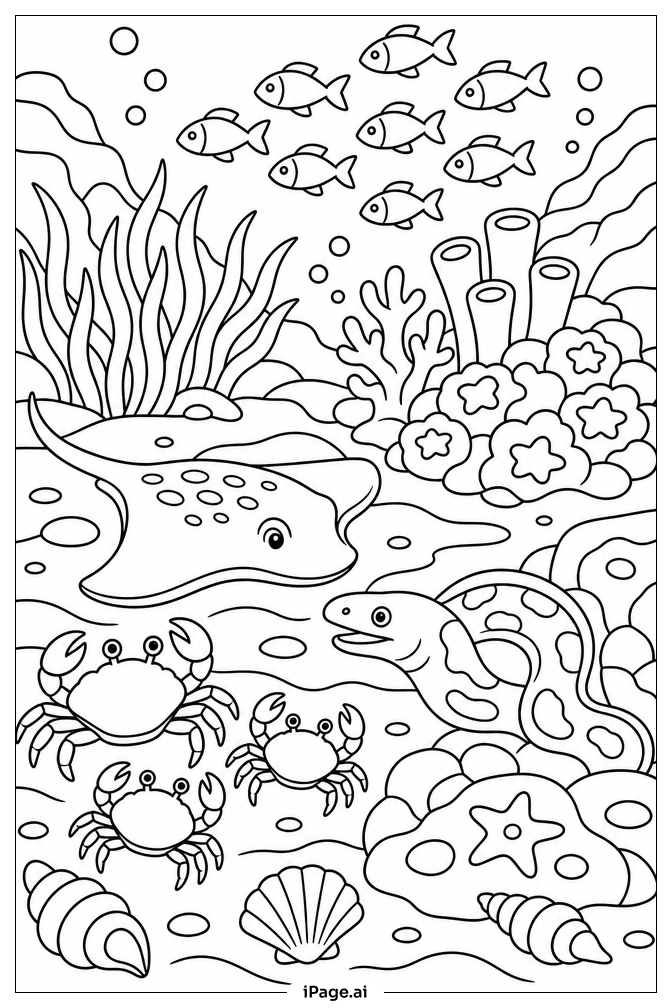
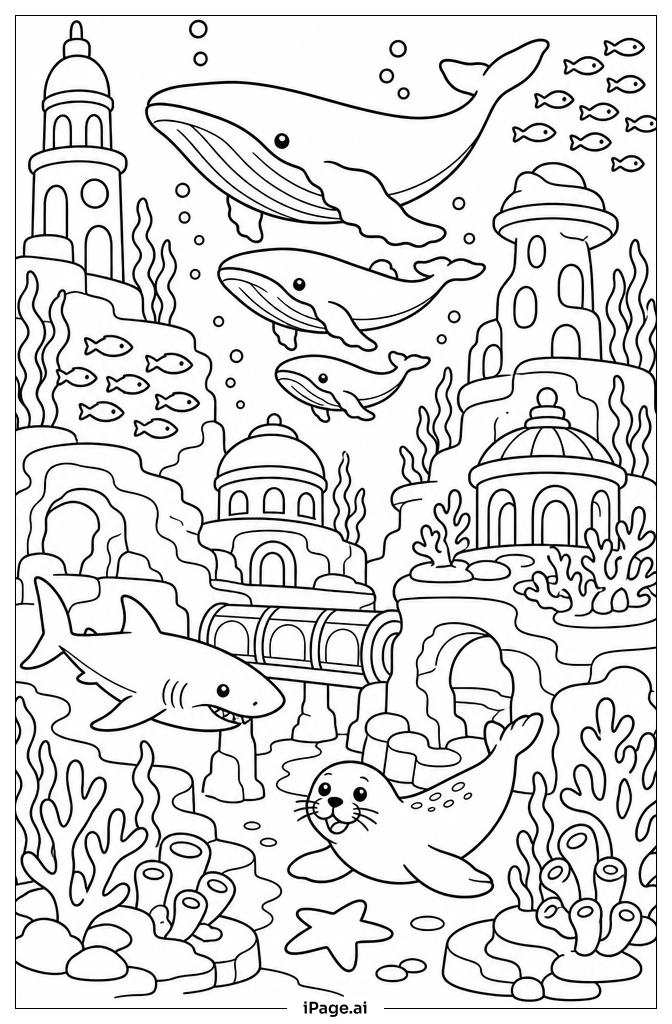
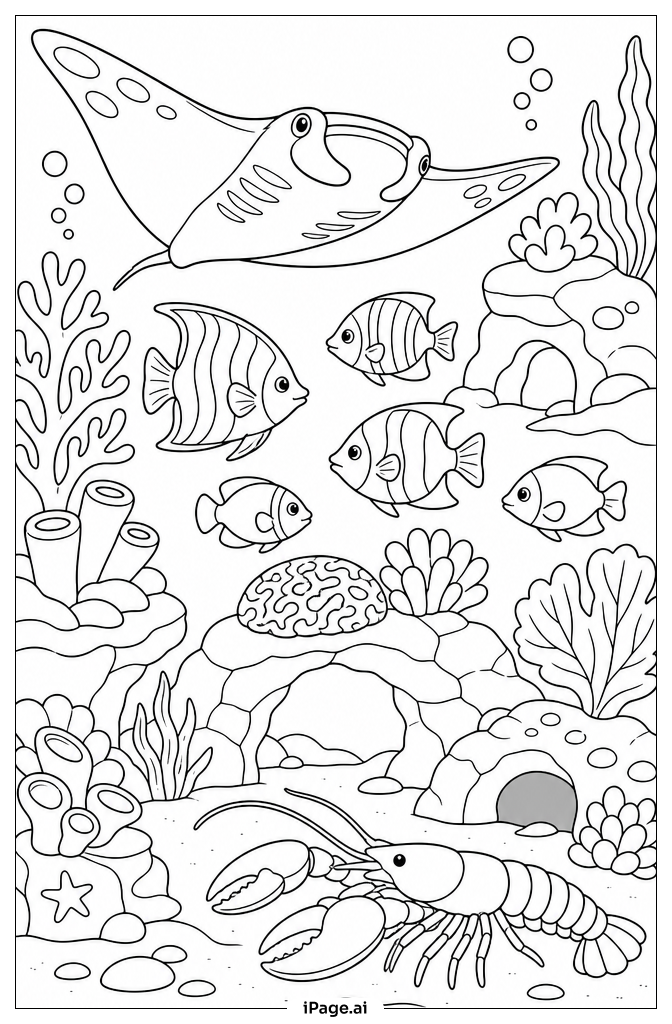
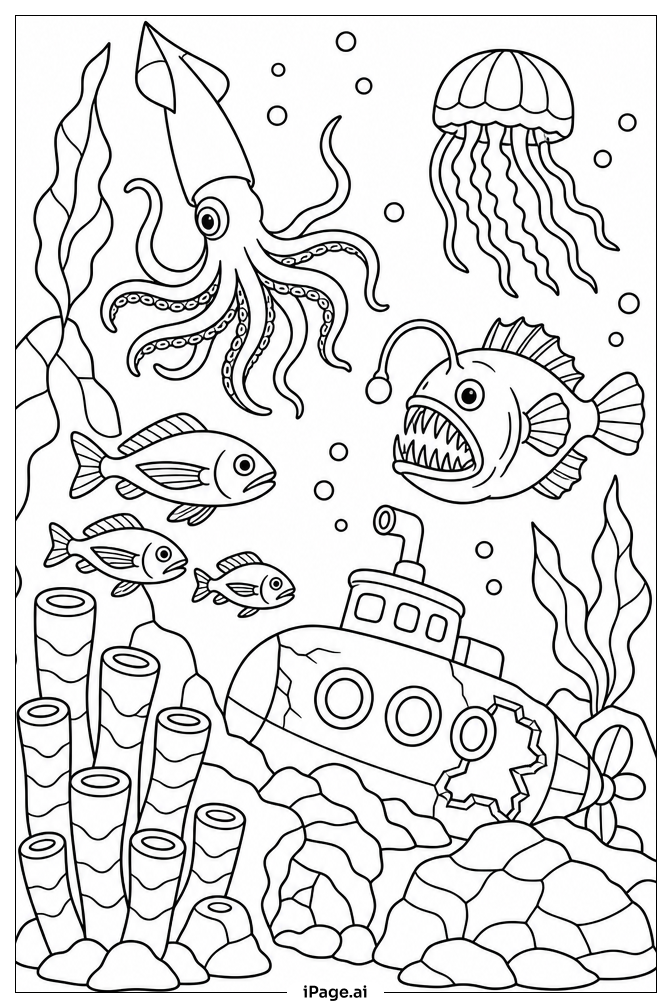
Start with the background water using shades of blue and aqua. Use lighter blues near the surface where sunlight shines through, and deeper navy or teal tones toward the bottom. Color the sea turtle with olive green and brown, adding lighter yellow-green patches on its shell. Use soft gray and light blue for the dolphins. Give the tropical fish bright, bold colors — orange, yellow, red, and purple work great. The octopus can be deep purple or reddish-orange. Color the coral in pink, orange, and red. Use yellow and tan for the sandy floor. Paint the starfish in warm orange or pink. Add white highlights to bubbles and light rays to make the whole scene sparkle and feel alive.
Coloring challenges: Which parts are difficult to color and need attention for Sea Animals Lagoon Swim coloring page?
Coloring this lagoon scene comes with several fun but tricky challenges:
• **Layered Depth and Water Effects:** The underwater scene has multiple layers — the surface, the mid-water zone, and the ocean floor. Blending blues smoothly from light to dark creates a sense of depth, but achieving a gradual gradient without harsh lines takes patience and careful color transitions.
• **Intricate Animal Details:** Each sea creature has its own unique texture and pattern. The turtle's shell has geometric segments, the octopus has suction cups along its tentacles, and the fish have detailed scales and fins. Staying within these small, precise areas requires a steady hand and fine-tipped coloring tools.
• **Coral and Plant Complexity:** The coral formations and sea plants feature many small, overlapping branches and leaves. Coloring each element individually while keeping the colors distinct enough to separate them from the background is a real test of focus and attention to detail.
• **Light Ray Blending:** Sunlight filtering through the water creates soft, glowing streaks. Recreating this effect means carefully blending yellow and white tones into the blue water without overworking the paper, which can be tricky especially with markers or watercolors.
• **Avoiding Color Overlap Between Animals:** With so many creatures close together in the scene, keeping colors from visually merging into one another is a challenge. Choosing contrasting colors for neighboring animals — for example, a bright fish next to a darker coral — helps each element stand out clearly.
Benefits of coloring books: Advantages of drawing Sea Animals Lagoon Swim coloring page
Coloring this sea animals lagoon scene offers a wonderful range of benefits for children and creative minds of all ages.
Exploring the underwater world through color sparks curiosity about marine life. Kids learn to recognize real sea creatures like sea turtles, dolphins, and octopuses while having fun, turning the activity into a gentle introduction to ocean science.
The wide variety of animals, plants, and textures in the scene gives colorists plenty of choices to make. Deciding which colors to use for each creature builds creative thinking and personal expression. There is no wrong answer — every version becomes a unique piece of art.
Carefully coloring small details like fish scales, coral branches, and tentacles strengthens hand-eye coordination and fine motor skills. This is especially valuable for younger children who are still developing pencil control and precision.
The peaceful, flowing underwater setting naturally encourages calm and focus. Spending time filling in this detailed scene helps reduce stress and anxiety, promoting a meditative, relaxed state of mind.
Completing a complex, multi-element image like this also builds patience and a sense of accomplishment. Finishing the page gives colorists — especially kids — a real boost of confidence and pride in their work.