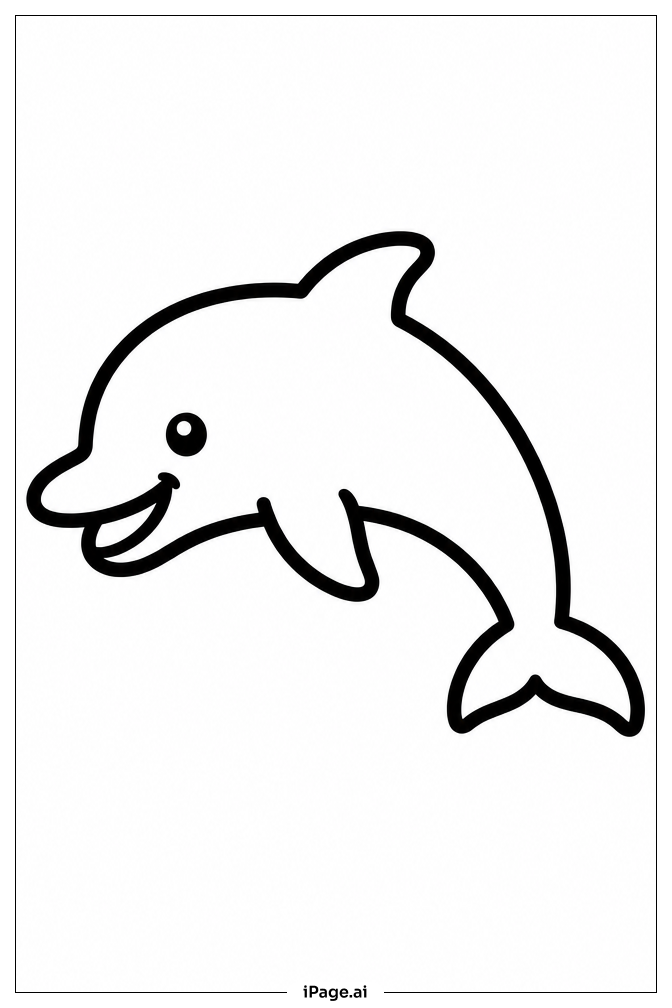
Coloring tips: How to color Sea Animals Dolphin coloring page well?
Start with the dolphin's body using a medium gray or blue-gray tone. Leave the belly area lighter — a soft white or pale gray works well to show the dolphin's natural two-tone coloring. For the ocean, use shades of blue and teal. Mix lighter blues near the surface and deeper blues further down to create a sense of depth. Add white or light blue for the splashing water and bubbles around the dolphin. The waves can be colored with wavy strokes of blue and aqua. Feel free to get creative — some kids love giving dolphins a blue or even purple hue for a more magical look. Use a light sky blue for any background above the water. Keeping the colors smooth and blended will make the dolphin look sleek and shiny, just like a real one swimming in the sea.
Coloring challenges: Which parts are difficult to color and need attention for Sea Animals Dolphin coloring page?
Coloring this dolphin image comes with a few fun challenges to keep in mind:
• **Smooth body shading:** Dolphins have a naturally sleek, smooth skin texture. Achieving that polished look requires careful, even coloring without harsh lines or streaks. Blending from a darker gray or blue-gray on the back to a lighter tone on the belly takes patience and a gentle hand.
• **Two-tone body coloring:** Real dolphins have a darker back and a lighter belly. Knowing where to transition from the darker shade to the lighter one can be tricky, especially for younger colorists. Look at the body outline carefully and follow the natural curve of the dolphin's underside.
• **Water and splashing details:** The waves, splashes, and bubbles surrounding the dolphin require multiple shades of blue and white. Keeping these areas looking fluid and natural — rather than flat or patchy — is one of the more advanced challenges. Layering different blues and leaving some areas white can help.
• **Small fine details:** Areas like the eye, mouth, fins, and tail flukes have smaller, more detailed lines. Staying within these lines with colored pencils or fine-tip markers requires steady hands and focus, which can be a great exercise in concentration for younger children.
• **Background depth:** Creating a convincing ocean background means using color gradients — lighter near the surface, darker toward the bottom. Blending these transitions smoothly without making the background overpower the dolphin takes some planning and color awareness.
Benefits of coloring books: Advantages of drawing Sea Animals Dolphin coloring page
Coloring this dolphin page offers a wide range of benefits for children of all ages:
**Creativity and self-expression:** Choosing colors for the dolphin and ocean encourages kids to make their own artistic decisions, building confidence and personal expression.
**Focus and concentration:** Staying within the lines and carefully filling in details helps children develop patience and sustained attention, skills that are valuable in school and everyday life.
**Fine motor skills:** Holding and guiding coloring tools strengthens hand and finger muscles, improving grip, coordination, and handwriting readiness in younger children.
**Learning about nature:** This page sparks curiosity about marine life. Kids can learn about dolphins — how they look, where they live, and how they move — turning a fun activity into a gentle educational moment.
**Stress relief and relaxation:** The calming, repetitive motion of coloring is a proven way to reduce stress and anxiety, even for young children. It creates a quiet, peaceful space for kids to unwind.
**Color theory awareness:** Experimenting with ocean blues, grays, and teals introduces children to basic color mixing and harmony in a hands-on, playful way.