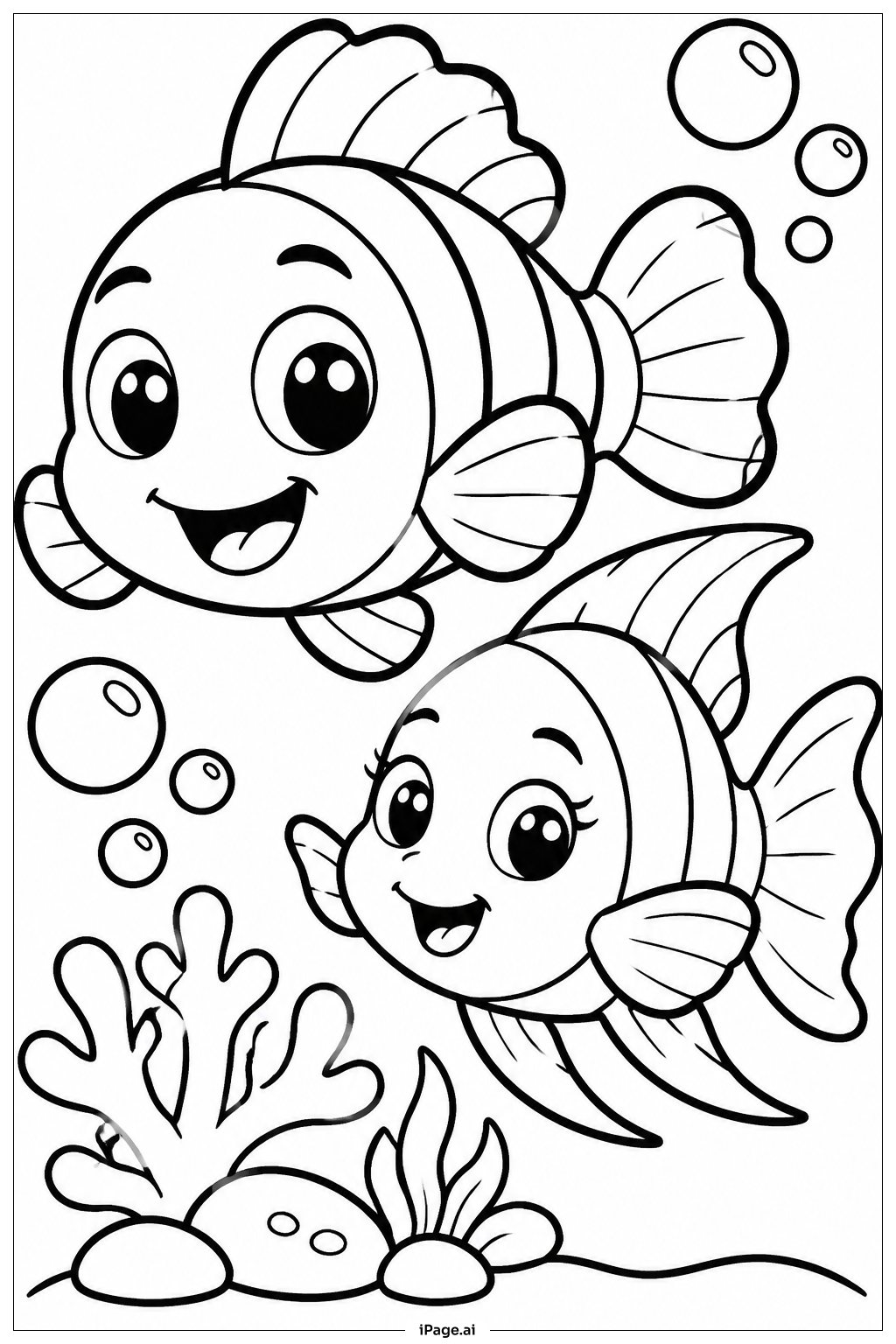
Coloring tips: How to color Sea Animals Bubble Party coloring page well?
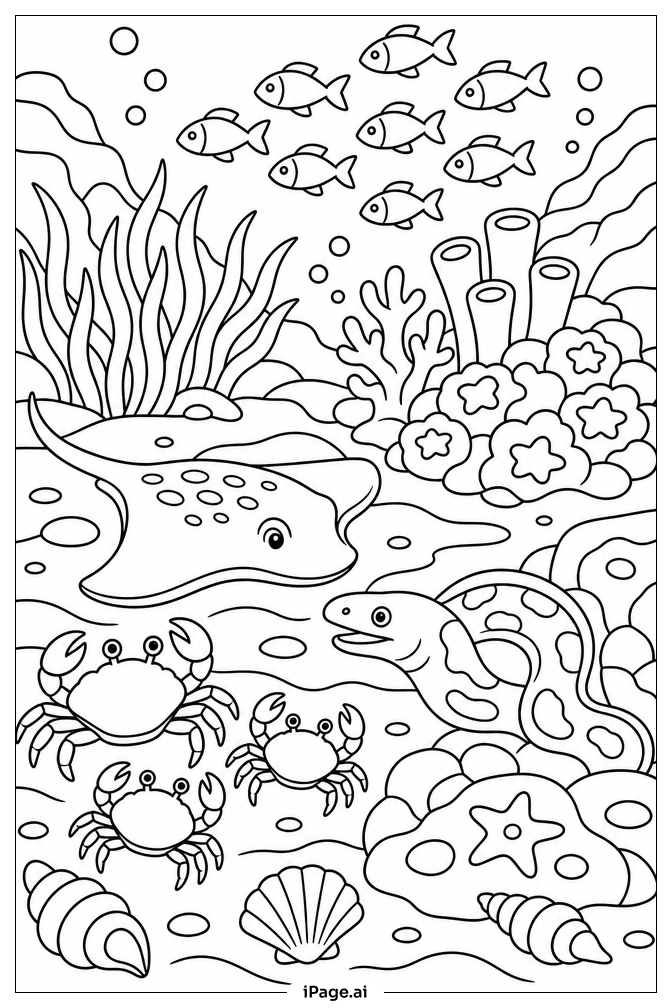
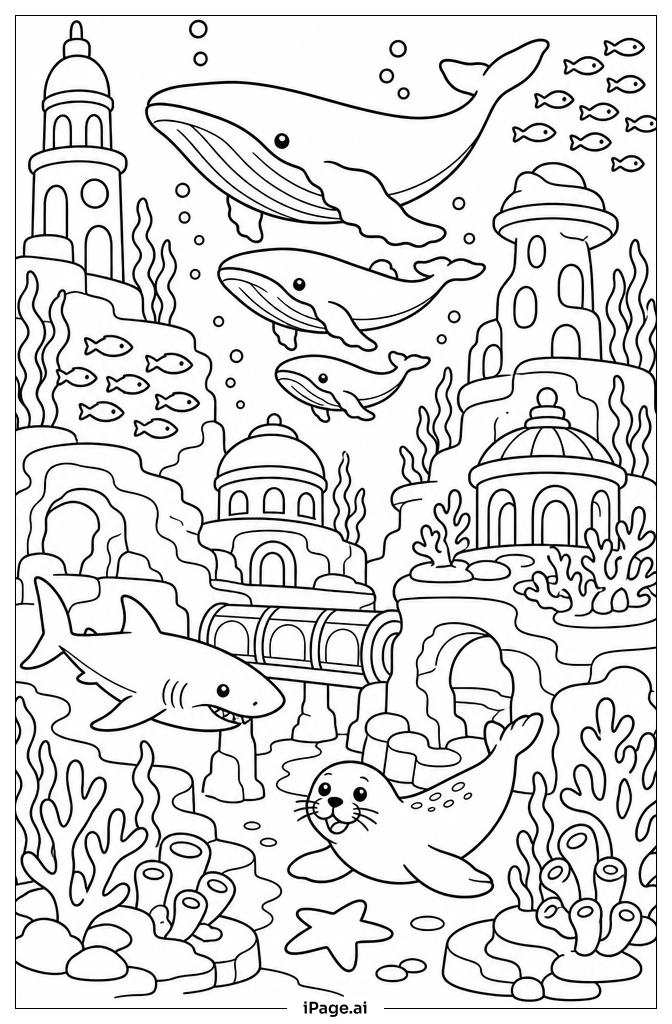
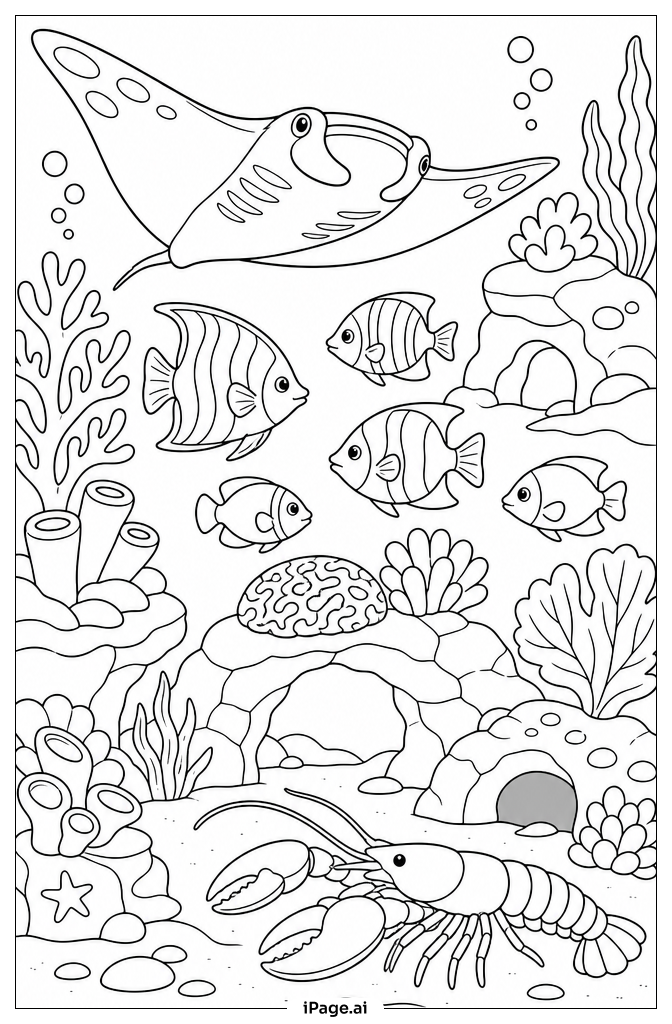
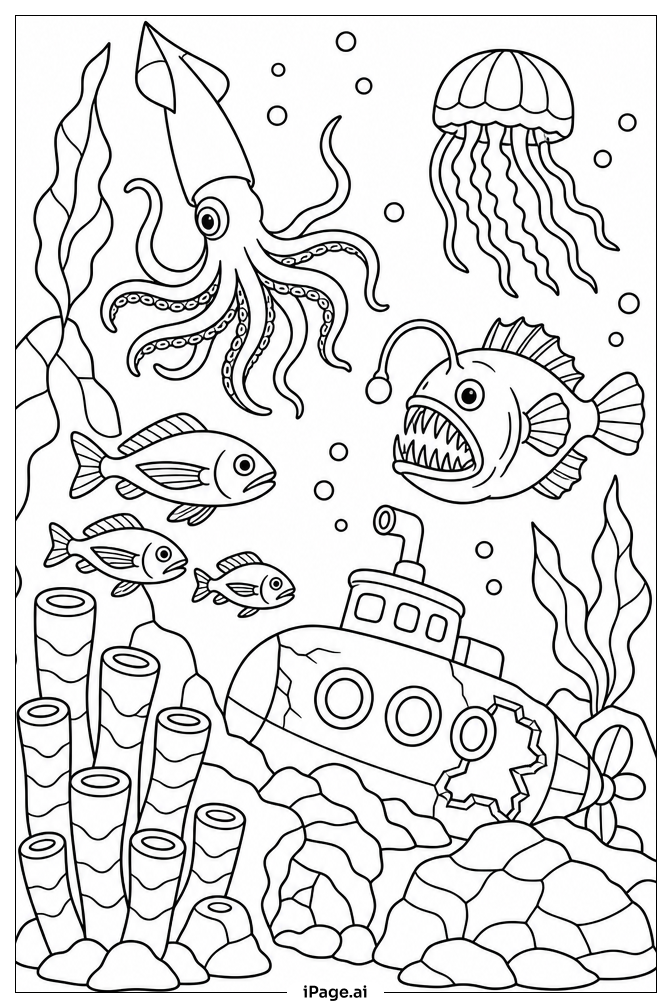
Start with the background — color the water in light blue or soft teal to set the underwater mood. Use deeper shades of blue near the edges to add depth. For the sea animals, go bold and playful! Fish can be orange, yellow, or red. Give the octopus purple or pink arms. Color the crab bright red or orange. The seahorse looks great in golden yellow or soft green. Use warm coral tones for the starfish. The seaweed and plants can be various shades of green. For the bubbles, leave them mostly white or use a very light blue with a tiny shimmer highlight to make them look transparent and realistic. Don't forget to add shading inside each animal to give them a rounder, more three-dimensional look. Use darker versions of each base color along the edges and lighter tones at the center. This makes the whole image pop with life!
Coloring challenges: Which parts are difficult to color and need attention for Sea Animals Bubble Party coloring page?
Coloring this image comes with several fun challenges that will test your patience and creativity:
• **Staying inside small, detailed areas:** The image is packed with small fish scales, tiny bubbles, coral details, and decorative patterns. Coloring neatly inside these tiny spaces requires a fine-tipped colored pencil or a thin marker. Rushing through these sections can cause colors to bleed outside the lines, so take your time and work slowly.
• **Coloring the bubbles realistically:** Bubbles are tricky because they are transparent in real life. To make them look authentic, avoid filling them with a solid color. Instead, use a very pale blue or leave them mostly white, adding a small curved highlight line to suggest a glossy surface. Getting this effect right takes a bit of practice.
• **Avoiding color confusion between overlapping elements:** Many sea animals and plants overlap in this busy scene. Choosing colors that are too similar for adjacent animals or objects can make the image look flat and hard to read. Plan your color palette ahead of time so that neighboring figures clearly stand out from each other.
• **Blending multiple colors smoothly:** To give the sea animals a rounded, lifelike appearance, you'll need to blend light and dark shades together. This can be difficult with crayons or markers. Colored pencils work best for smooth gradients — apply light pressure first, then gradually build up darker tones layer by layer.
• **Keeping the overall color balance:** With so many different animals and objects in one scene, it's easy for the image to look visually chaotic. Try to distribute bright, warm colors and cool colors evenly across the page so the whole picture feels balanced and harmonious.
Benefits of coloring books: Advantages of drawing Sea Animals Bubble Party coloring page
Coloring this Sea Animals Bubble Party page offers wonderful benefits for kids and adults alike.
For younger children, it builds fine motor skills as they practice staying within the detailed lines of fins, tentacles, and tiny bubbles. It also sparks curiosity about ocean life — kids naturally start asking questions about the creatures they are coloring, turning art time into a learning moment.
For older kids and teens, the complexity of the scene encourages creative decision-making. Choosing a color palette, planning which animals get which colors, and adding shading all develop artistic thinking and problem-solving skills.
For adults, the intricate details make this page a great mindfulness exercise. Focusing on small sections at a time helps quiet busy thoughts and reduces stress, similar to meditation.
The festive, joyful theme of a bubble party also makes the coloring experience emotionally uplifting. Working on a happy, colorful scene naturally boosts mood and encourages a sense of playfulness. Completing the page gives a satisfying sense of accomplishment for colorists of any age.
Sharing or displaying the finished artwork also builds confidence and pride in creative work — a benefit that lasts well beyond the coloring session itself.