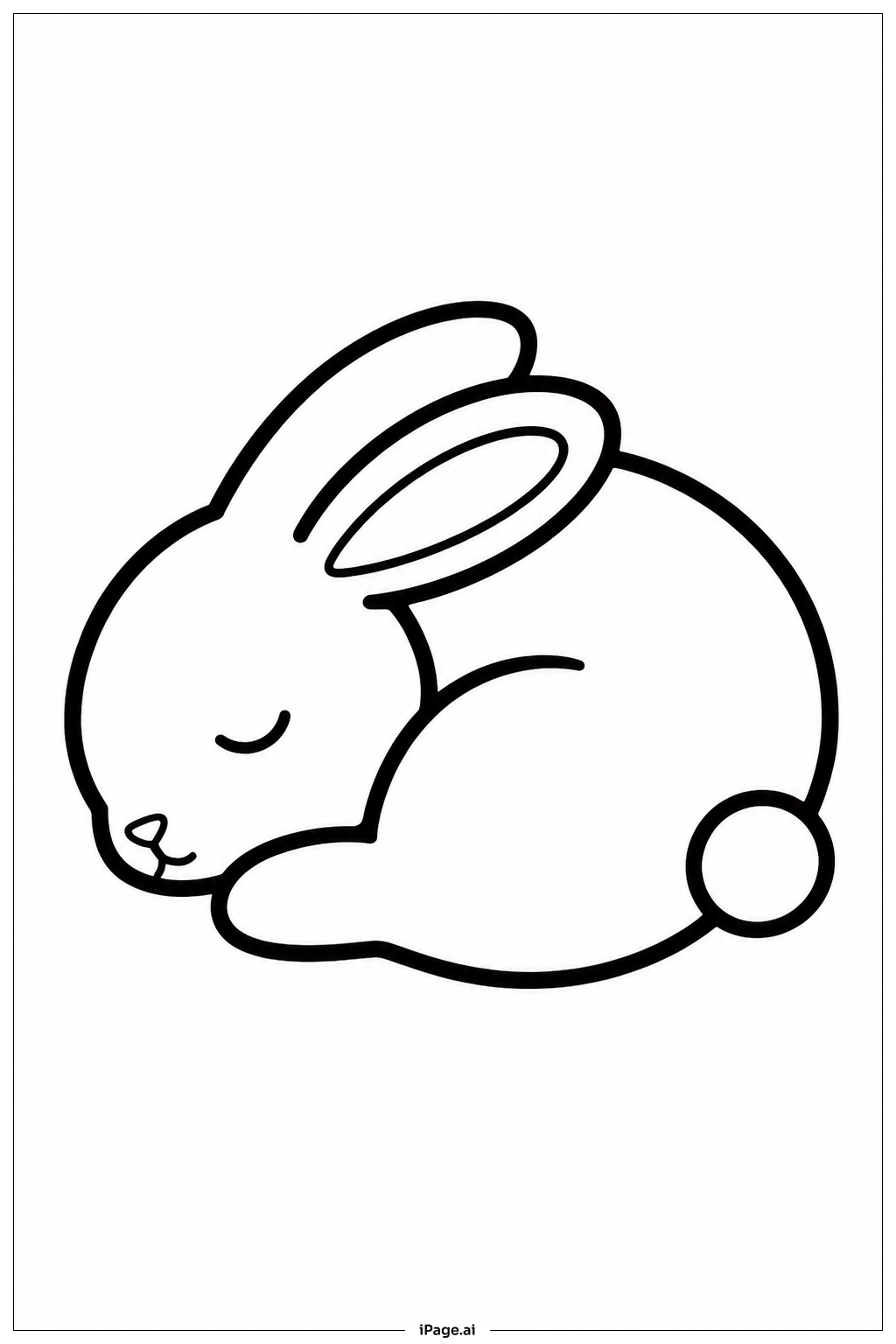
Coloring tips: How to color Sleeping Rabbit coloring page well?
Start with the rabbit's body using soft, warm colors like cream, light beige, or pale gray to give it a fluffy, cozy feel. You can add gentle shading by using a slightly darker tone along the edges of the body, ears, and paws to create depth and make the fur look real.
For the inside of the ears, try a soft pink or light rose color — this adds a natural and cute touch. The nose can be colored a warm pink or rosy red, and the whiskers look great in a soft gray or white.
If there is a background or a resting surface, use calming colors like light blue, lavender, or pale green to match the sleepy mood of the scene. Avoid very bright or harsh colors, as soft tones suit the peaceful feeling of a sleeping rabbit best.
Feel free to experiment with pastel shades or even add patterns to the background to make the image feel magical and dreamy. Whether you use colored pencils, crayons, or watercolors, take your time and enjoy the process!
Coloring challenges: Which parts are difficult to color and need attention for Sleeping Rabbit coloring page?
• Fur Texture Rendering: One of the biggest challenges is making the rabbit's fur look soft and realistic. The fur lines are fine and closely spaced, so you need to follow each line carefully with your coloring tool. Using short, light strokes in the direction of the fur will help create a natural, fluffy look. Pressing too hard or going outside the lines can make the fur appear messy.
• Smooth Shading on Curved Surfaces: The rabbit's round body and head have gentle curves that require smooth color transitions. Creating a gradual shift from light to dark — especially on the belly, cheeks, and back — takes patience. Blending two similar shades slowly and evenly will help give the body a three-dimensional, lifelike appearance.
• Small Details Like Whiskers and Nose: The tiny facial features, including the delicate whiskers and small nose, are very small and require a fine-tipped coloring tool. These areas are easy to smudge or color over if you are not careful. Using a sharpened colored pencil or a fine-tip marker will give you the most control.
• Inner Ear Coloring: The inside of the rabbit's ears is a small, enclosed area that needs a different color from the rest of the body. Staying neatly within this space without bleeding into the outer ear can be tricky, especially for younger colorists.
• Maintaining Consistent Tone: Keeping the overall color palette soft and harmonious throughout the whole image is a subtle but real challenge. Using colors that are too different or too bold in certain areas can break the calm, sleepy mood of the scene.
Benefits of coloring books: Advantages of drawing Sleeping Rabbit coloring page
Coloring this Sleeping Rabbit page offers a wonderful mix of fun and learning for kids and adults alike.
For children, it helps build fine motor skills as they practice staying within the lines and handling coloring tools with care. Choosing colors and deciding how to shade the fur also encourages creative thinking and self-expression from an early age.
The peaceful subject of a sleeping rabbit naturally invites calm and focus. As colorists slow down to fill in the soft fur and tiny details, they practice patience and concentration — skills that are helpful in school and everyday life.
For older children and adults, the shading and texture challenges in this image make it a satisfying exercise in artistic technique. Blending colors to create depth and soft gradients builds real coloring confidence over time.
Coloring is also a well-known stress reliever. The quiet, repetitive motion of coloring helps calm the mind, making this a great activity after a busy or tiring day. The gentle theme of a resting rabbit adds to this soothing effect.
Finally, completing the page gives a real sense of accomplishment. Seeing a finished, colorful piece of art that you created yourself is rewarding at any age. This image is a perfect starting point for anyone who wants to enjoy the many benefits of coloring.