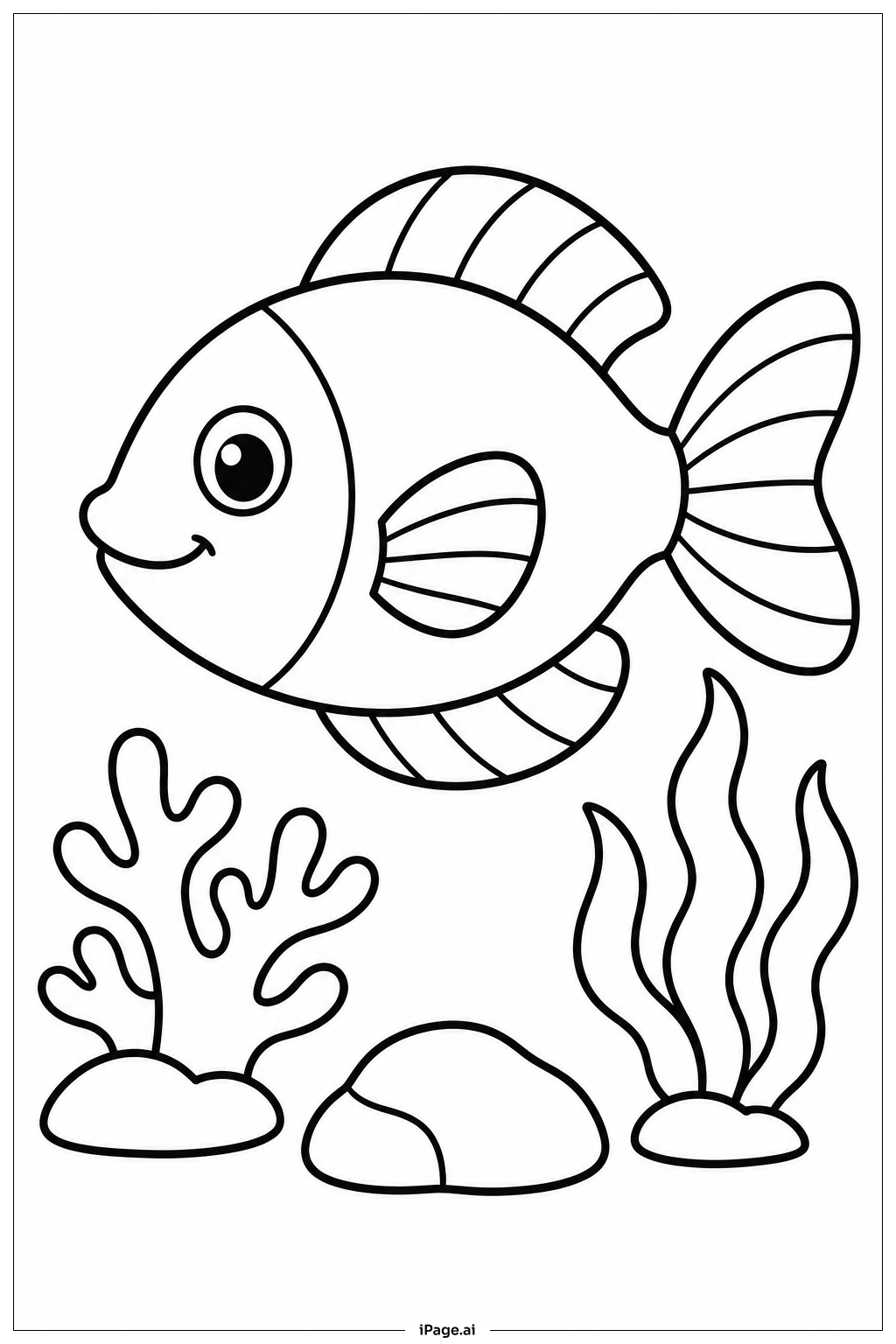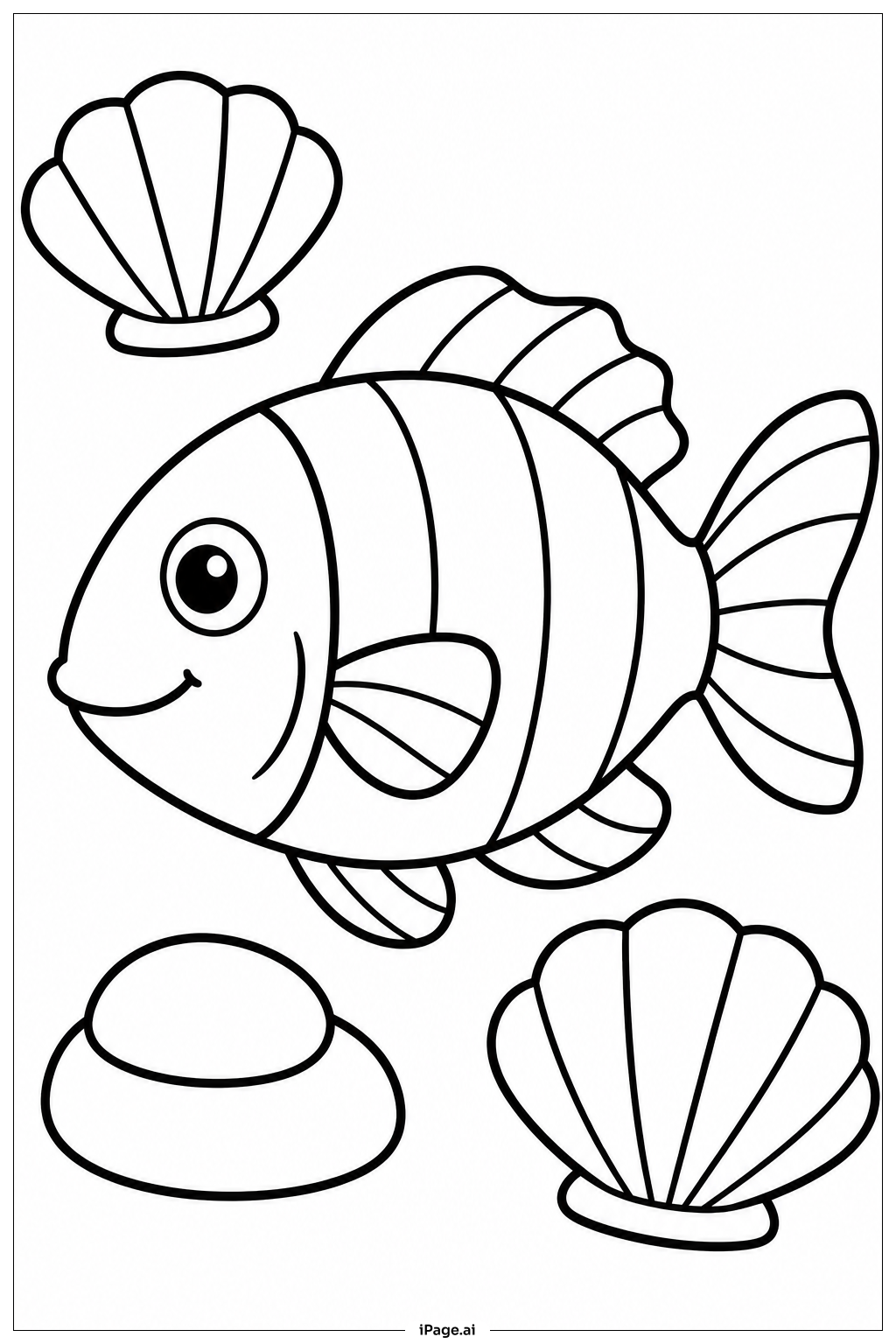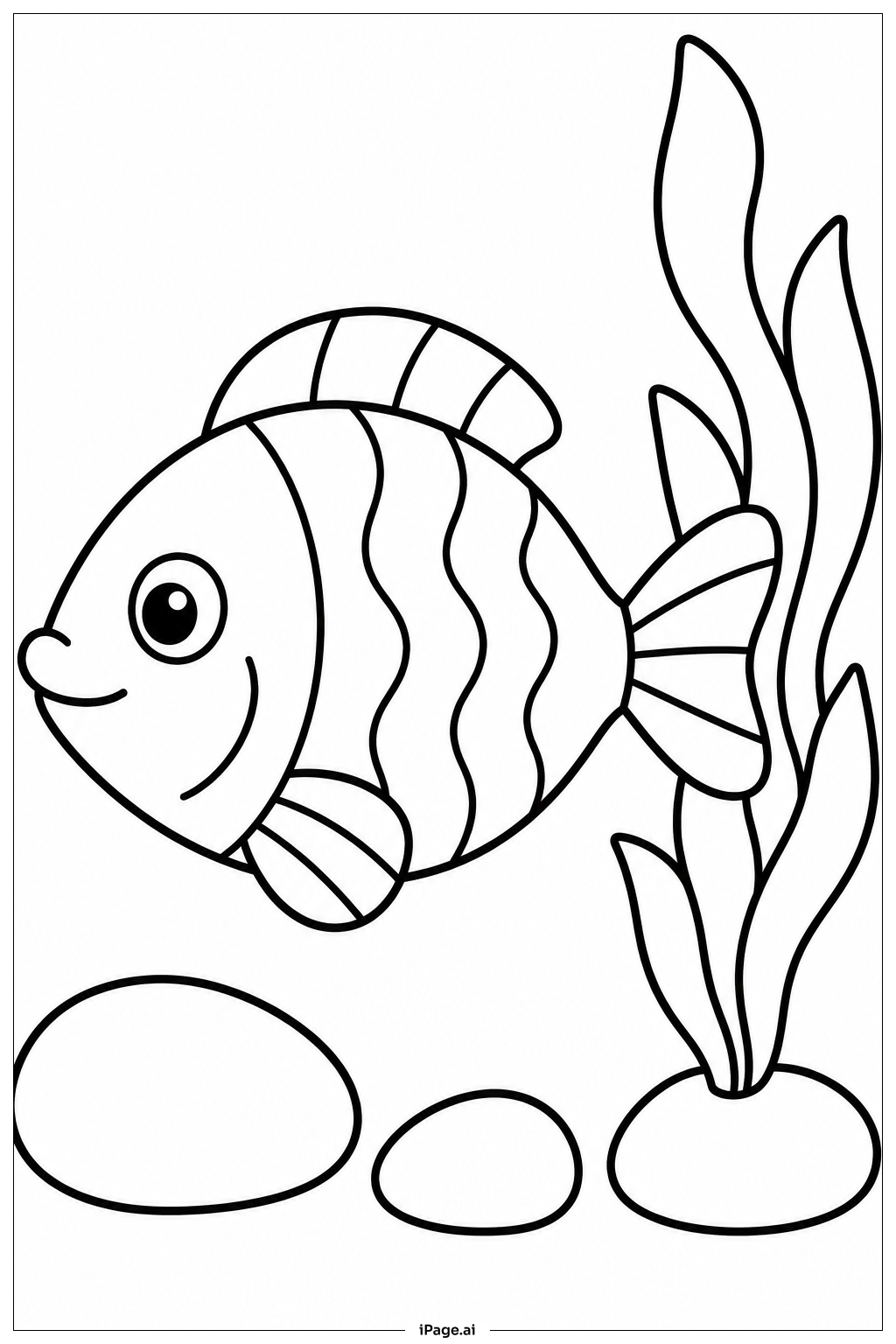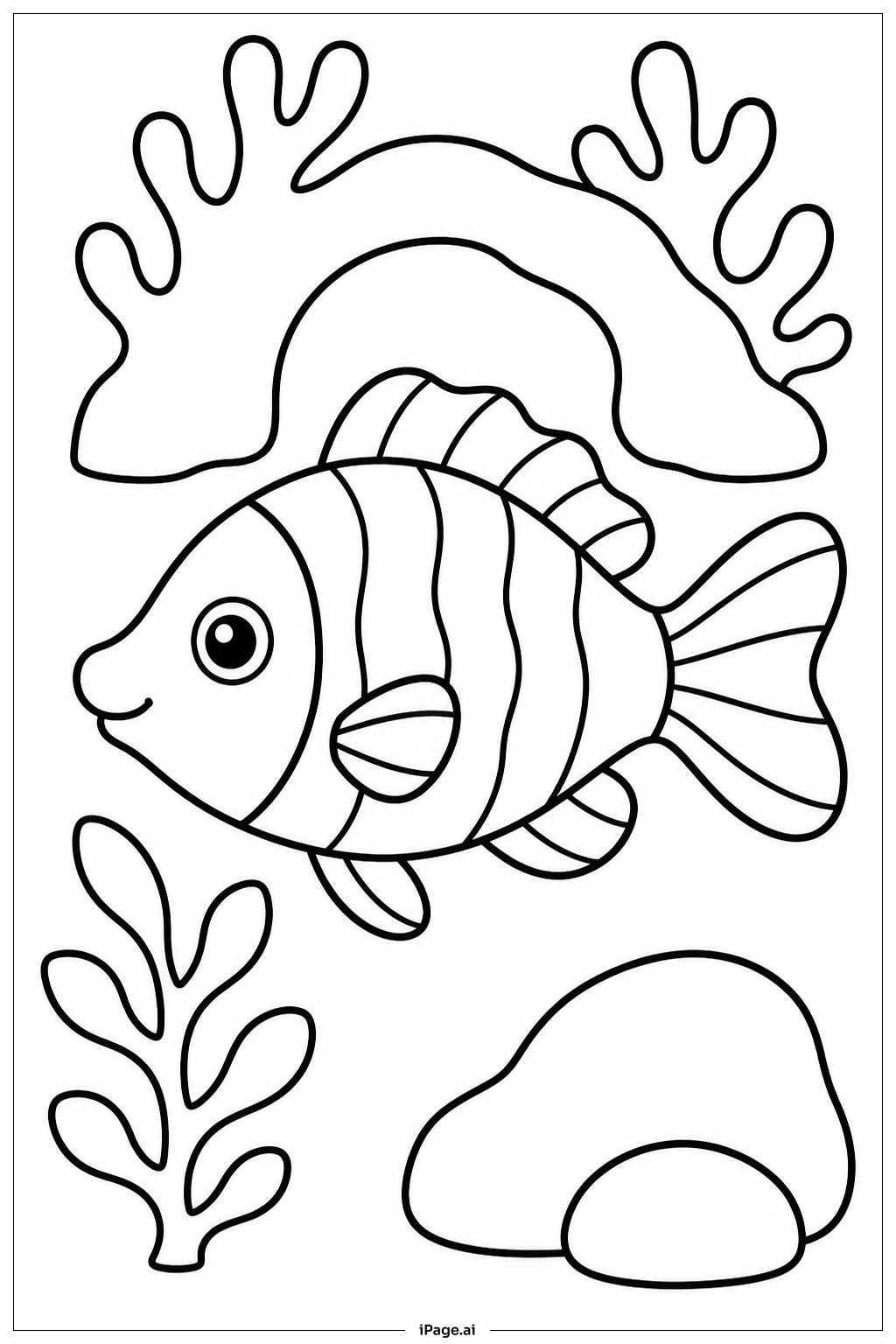
Coloring tips: How to color Tiny Fish coloring page well?
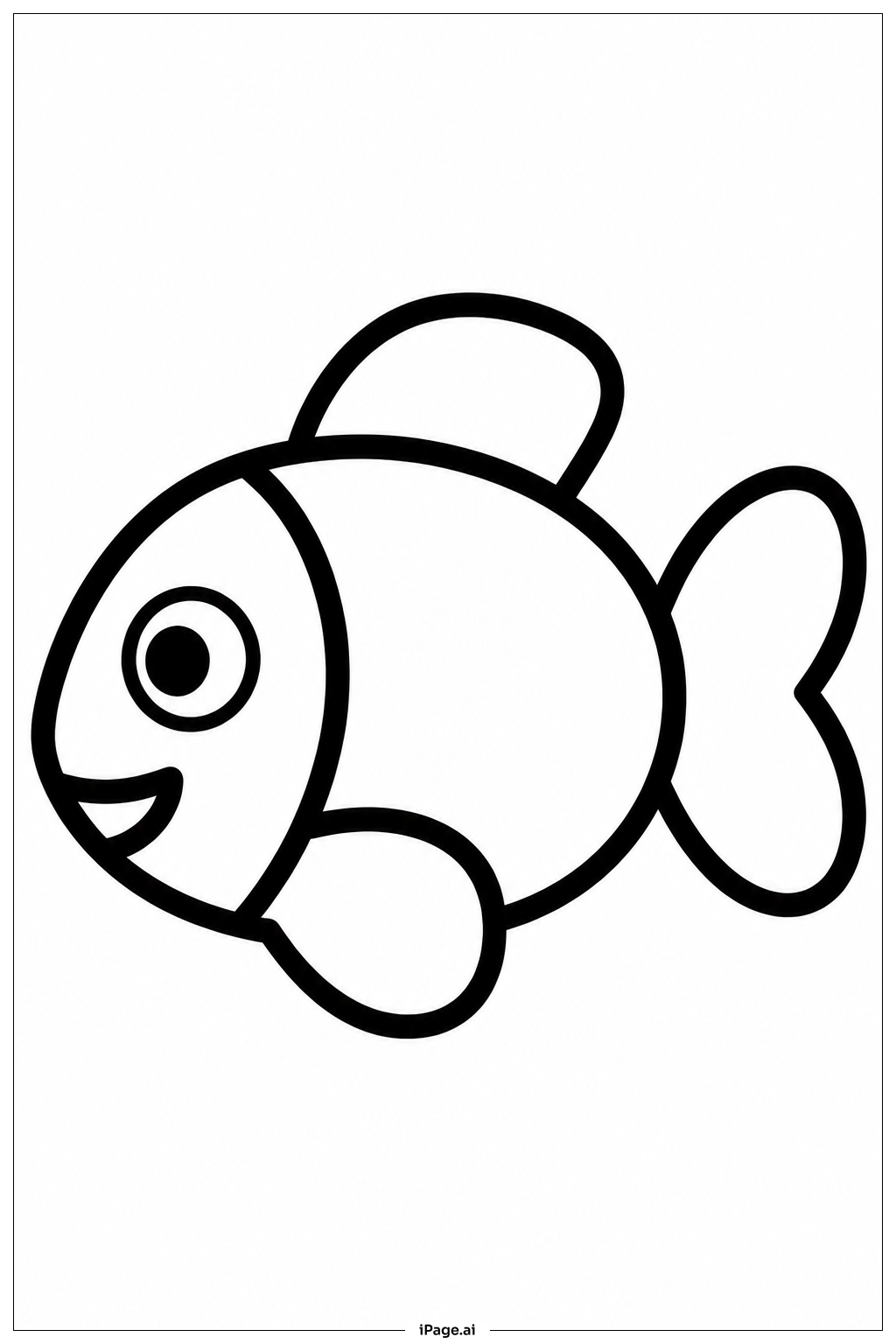
Start by choosing a fun base color for the fish's body. Many real fish come in bright colors, so feel free to use orange, yellow, blue, or even pink! You can make the belly a lighter shade than the back to give the fish a round, full look. Use a light blue or aqua for the water and bubbles around the fish. For the fins and tail, try a slightly different shade of the body color, or add gentle streaks of a contrasting color to make them stand out. Adding small dots or stripe patterns on the body can make your fish look extra special. Keep the eye mostly white with a dark pupil and a tiny white dot for a shiny look. Don't be afraid to experiment with bright, bold colors — underwater life is full of color and imagination!
Coloring challenges: Which parts are difficult to color and need attention for Tiny Fish coloring page?
• Body Shading and Roundness: The fish has a small, rounded body, and making it look three-dimensional can be tricky. You need to apply lighter color toward the center of the belly and gradually darken toward the edges to create a sense of depth and volume. Blending two similar shades smoothly takes patience, especially on such a small shape.
• Tiny Fins and Tail Details: The fins and tail fan are very small with thin, delicate lines inside them. Staying within these narrow sections without going outside the lines requires a sharp, fine-tipped coloring tool. Using a thick crayon or marker in these areas may result in color bleeding outside the lines, making the fins look messy.
• Small Bubble Outlines: The little bubbles floating around the fish are very small circular shapes. Coloring them neatly — perhaps leaving a tiny white highlight to make them look glossy and transparent — demands careful control. Filling them with a very light blue without pressing too hard keeps them looking airy rather than flat.
• Eye Detail and Expression: The fish's eye is a small but important focal point. It typically contains multiple layers — an outer ring, a colored iris, a dark pupil, and a bright highlight dot. Getting all these layers right in such a tiny space is one of the most challenging parts of the page, and a single slip can change the fish's friendly expression.
• Water Background Consistency: If you choose to color the water background, keeping the color even and light across the whole area without streaks or patches requires a steady hand and consistent pressure throughout.
Benefits of coloring books: Advantages of drawing Tiny Fish coloring page
Coloring this tiny fish page offers a wonderful mix of fun and learning for children of all ages. Because the fish is small and full of fine details like fins, bubbles, and a cheerful eye, coloring it helps children practice their fine motor skills and hand control. Staying carefully within small lines trains the fingers and builds the muscle coordination needed for writing and drawing.
Choosing colors for the fish also sparks creativity and imagination. Kids can decide whether their fish looks like a real ocean creature or an entirely magical one — there are no wrong answers! This freedom encourages self-expression and builds confidence.
The calm, focused nature of coloring helps children slow down and concentrate, making it a great activity for reducing stress and anxiety. It teaches patience as they work through each section of the page one step at a time.
For younger children, this page introduces basic concepts like shapes, patterns, and the natural world of sea life. For older kids, it offers a chance to practice blending colors and creating shading techniques. Overall, this little fish coloring page is a joyful, screen-free activity that supports both mental and creative development.