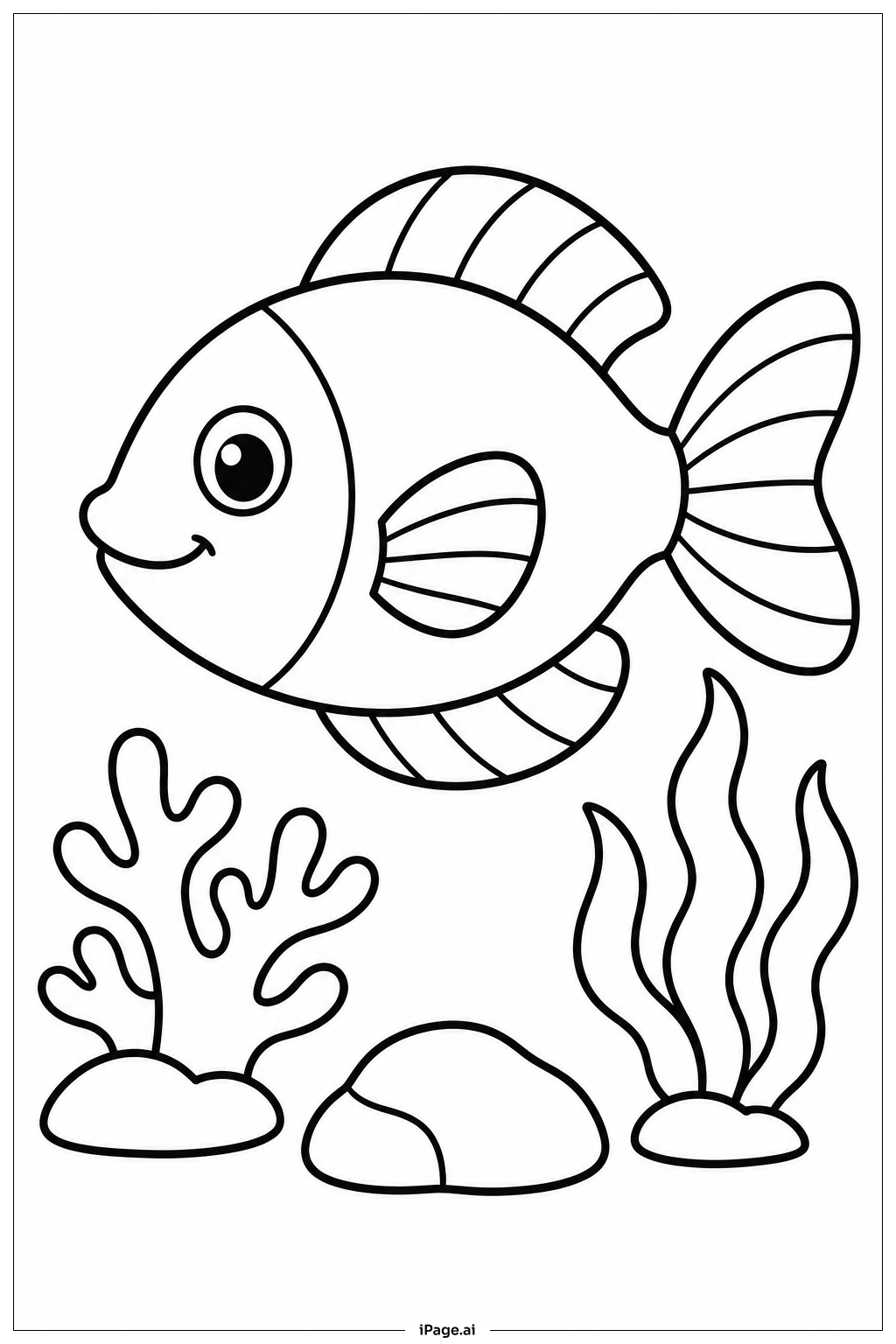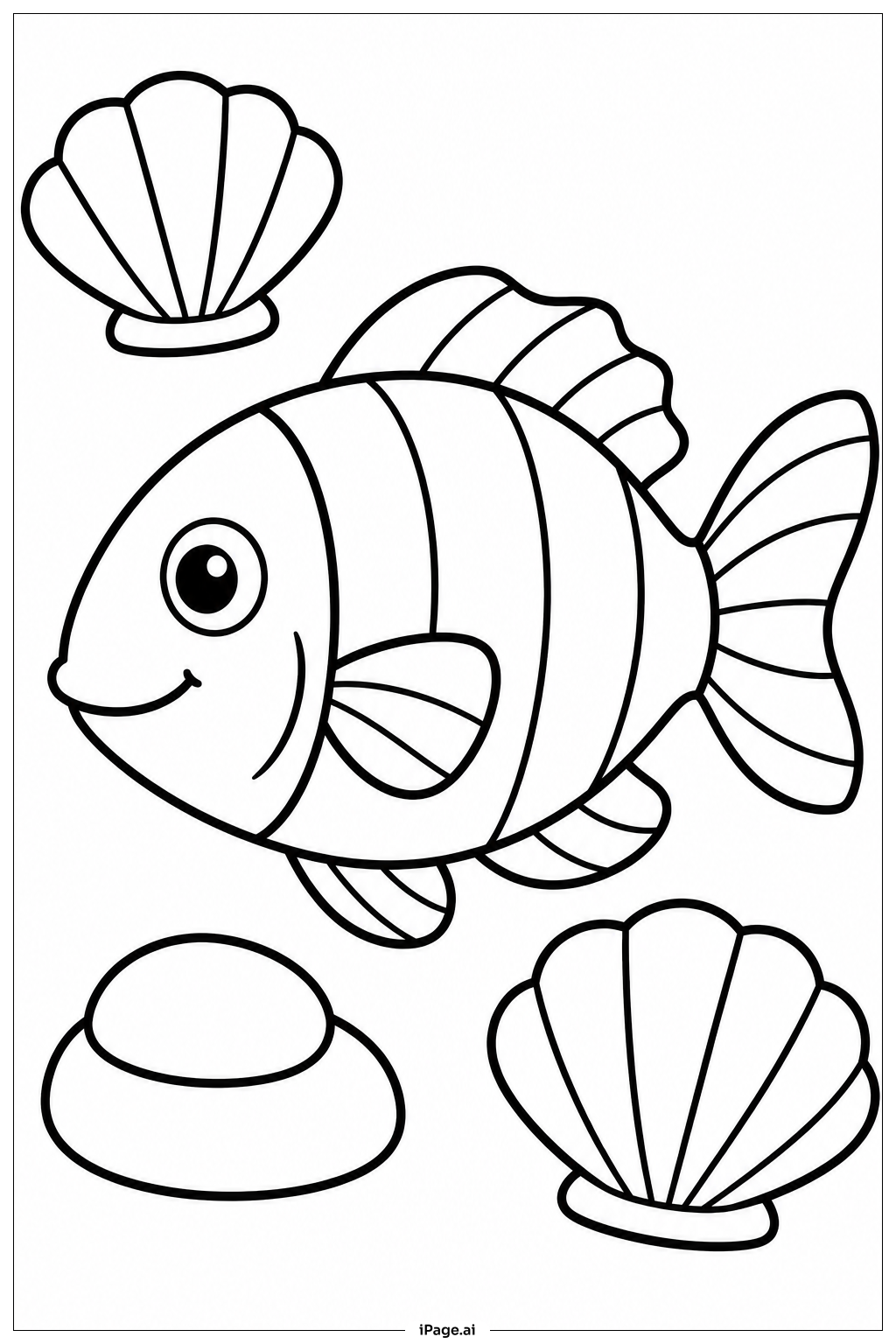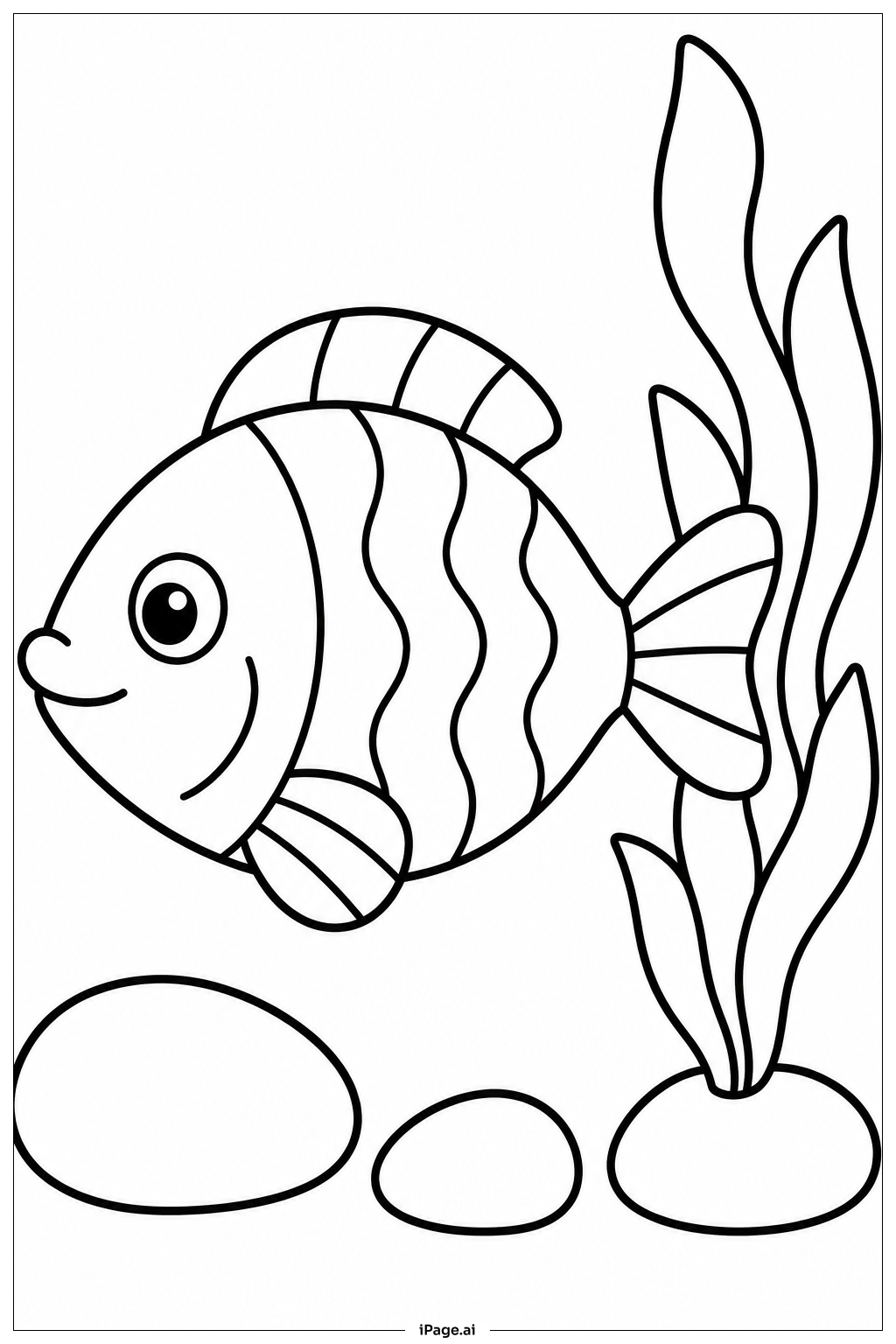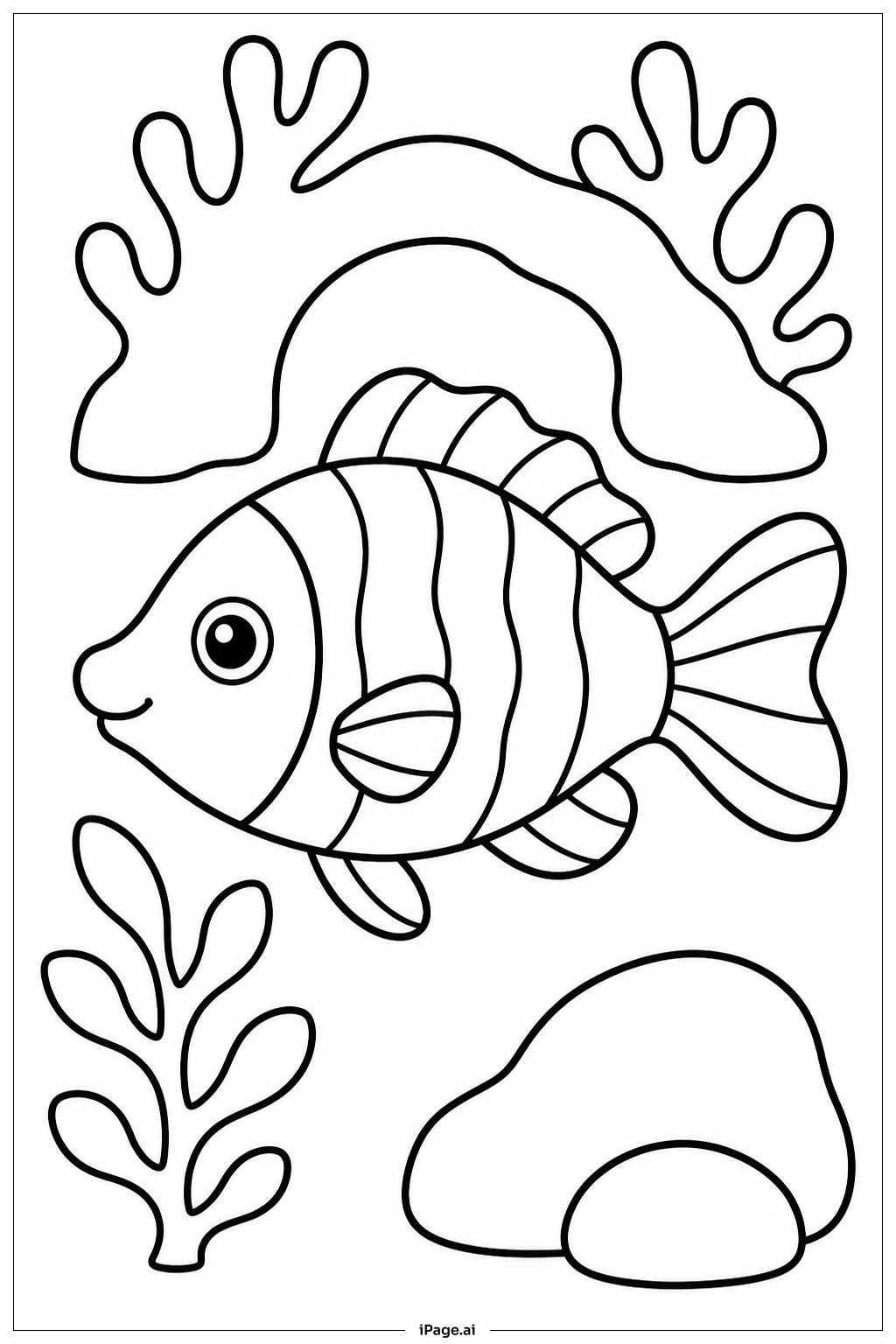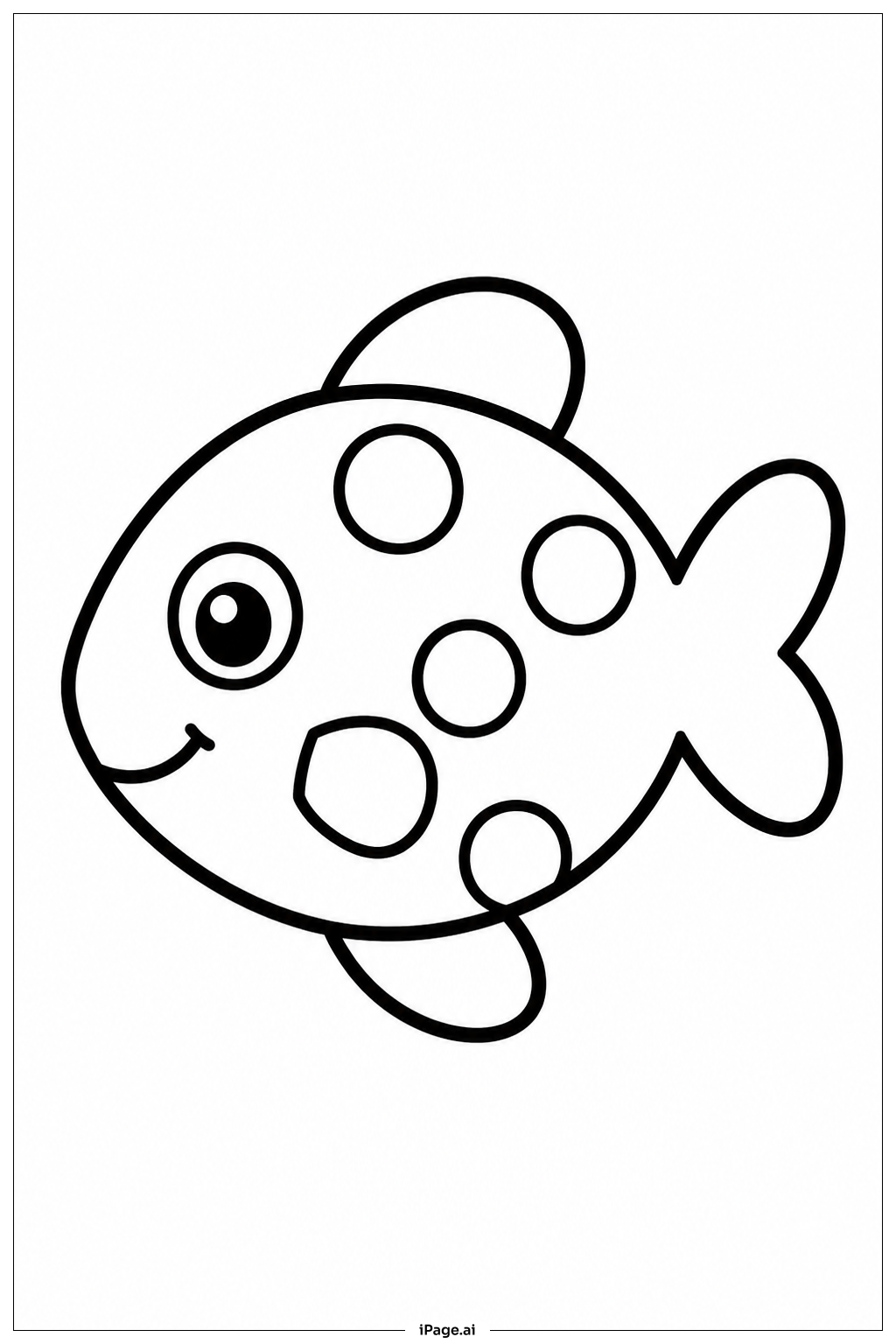
Coloring tips: How to color Spotty Fish coloring page well?
Start with the fish's body using a bright, cheerful base color like orange, yellow, or sky blue. Then use a contrasting color such as dark blue, purple, or red for the spots to make them stand out. The fins and tail can be a lighter shade of the body color or a completely different color like pink or teal to add variety. Give the eye a dark pupil with a tiny white highlight dot to make it look alive. Color the bubbles light blue or leave them with just a thin outline. Use a soft blue or aqua tone for the background water area. Feel free to mix and blend colors to create a fun, vibrant underwater scene. There are no rules — let your imagination guide your color choices!
Coloring challenges: Which parts are difficult to color and need attention for Spotty Fish coloring page?
• Coloring the Spots Evenly: The spots are spread across the fish's entire body, and keeping each one neat and consistent in size and color can be tricky. Young colorists may find it hard to stay within the circular outlines without smudging into the base body color. Using a fine-tipped marker or a sharpened colored pencil works best for this.
• Staying Within the Fin Outlines: The fins and tail have thin, curving lines that form a delicate border. These areas are narrow in some parts, making it easy to accidentally color outside the lines. Patience and a steady hand are needed, especially where the fins meet the body.
• Blending Body and Fin Colors: Choosing colors that look good together for the body, spots, and fins requires some color sense. If the colors are too similar, the fish can look flat and dull. Finding the right contrast while keeping the overall look harmonious is a small but real challenge for beginners.
• Adding Depth to Scales: The subtle scale lines on the fish's body are closely spaced and overlapping. Trying to shade or highlight between scales to create a three-dimensional look demands careful control and a light touch, which can be challenging for younger or less experienced colorists.
• Background Water Details: The wave lines and bubbles in the background seem simple, but deciding how to color them without overpowering the fish takes thought. Using too dark a background can hide the fish, while too light a background may make the scene look unfinished.
Benefits of coloring books: Advantages of drawing Spotty Fish coloring page
Coloring this spotty fish page offers a wide range of benefits for children and young learners. First, it helps build fine motor skills as kids carefully color within the fins, spots, and scale details, training the small muscles in their hands that are also used for writing. Second, working with different color combinations for the body, spots, and fins encourages creative thinking and helps children develop an understanding of color relationships and contrast. Third, the focused nature of coloring promotes concentration and patience, as completing each section of the fish requires sustained attention. Fourth, finishing the page gives children a real sense of accomplishment, boosting their confidence and self-esteem. Fifth, the underwater theme sparks curiosity about ocean life and can inspire kids to learn more about fish, marine habitats, and nature. Finally, coloring is a calming activity that helps reduce stress and anxiety, making it a healthy and enjoyable way for children to relax and express themselves creatively. It is a simple activity with truly meaningful rewards.