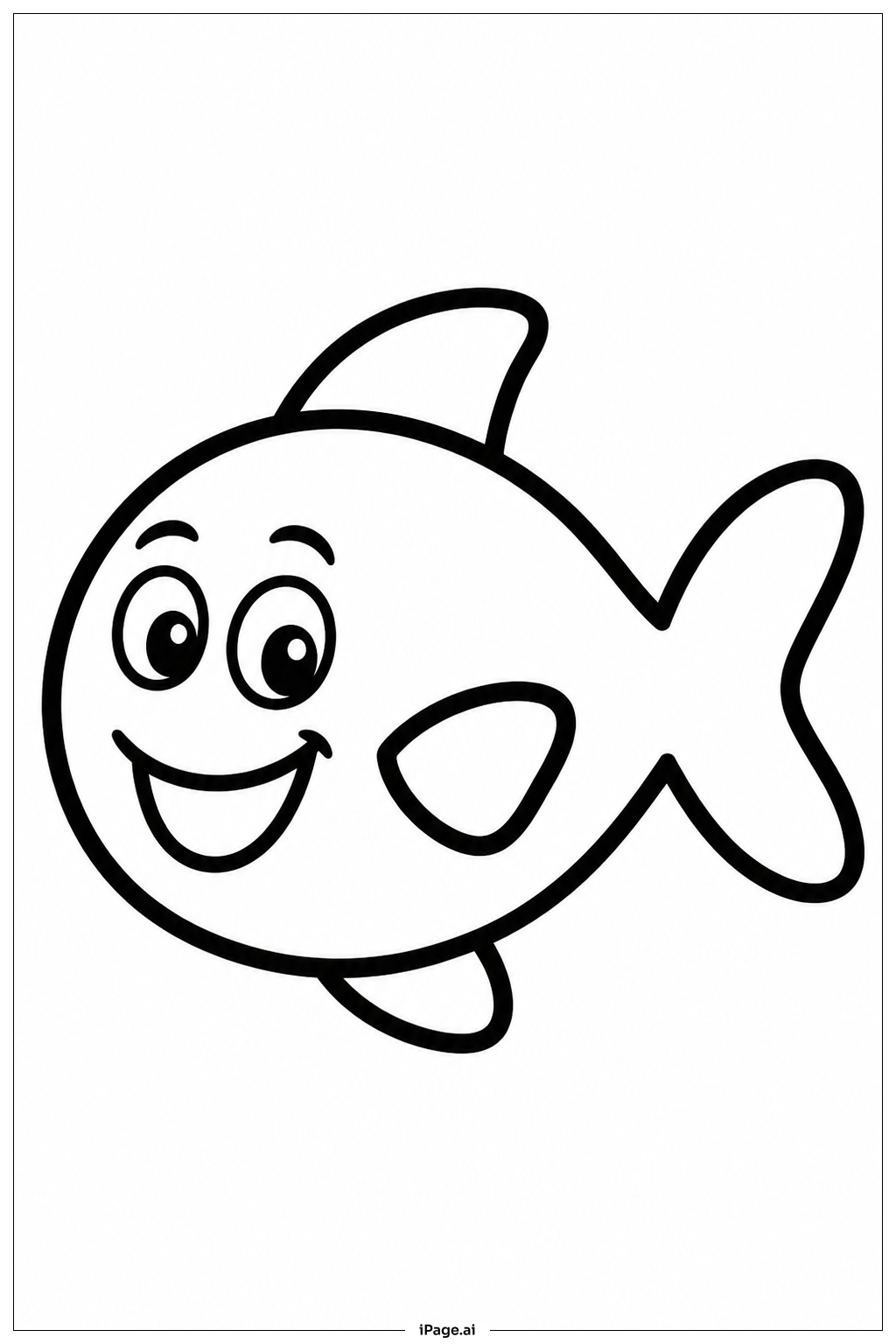
Coloring tips: How to color Smiling Fish coloring page well?
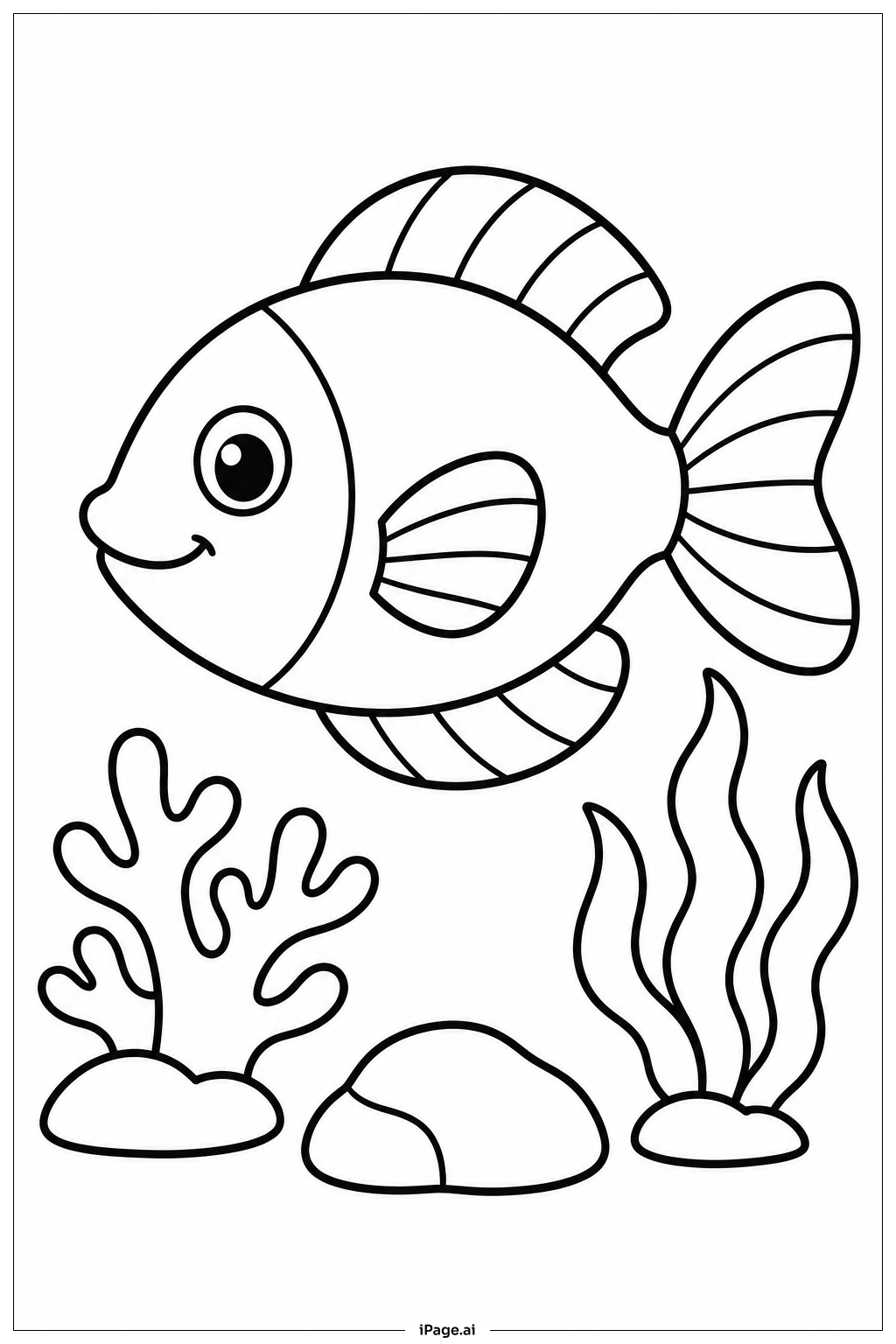
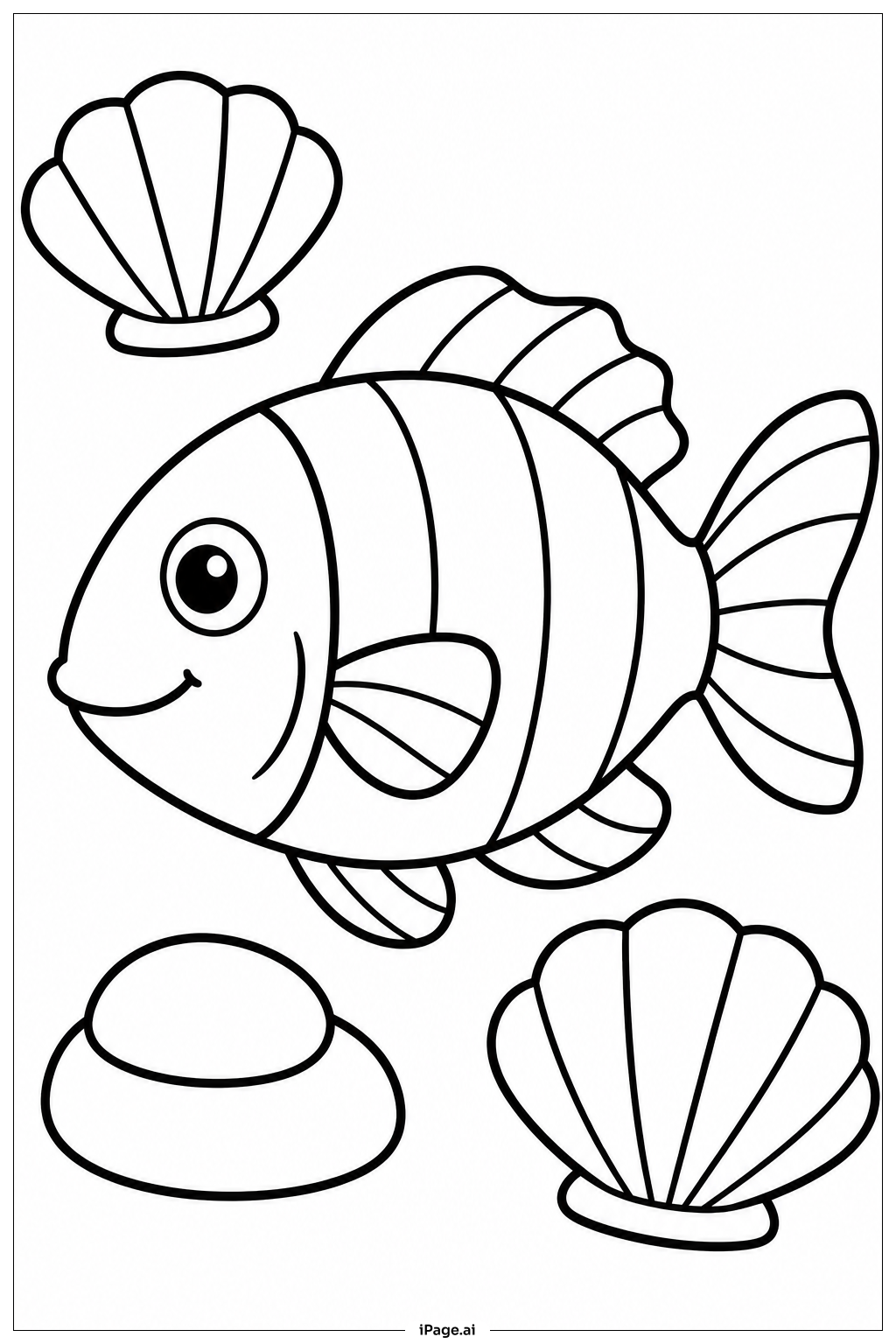
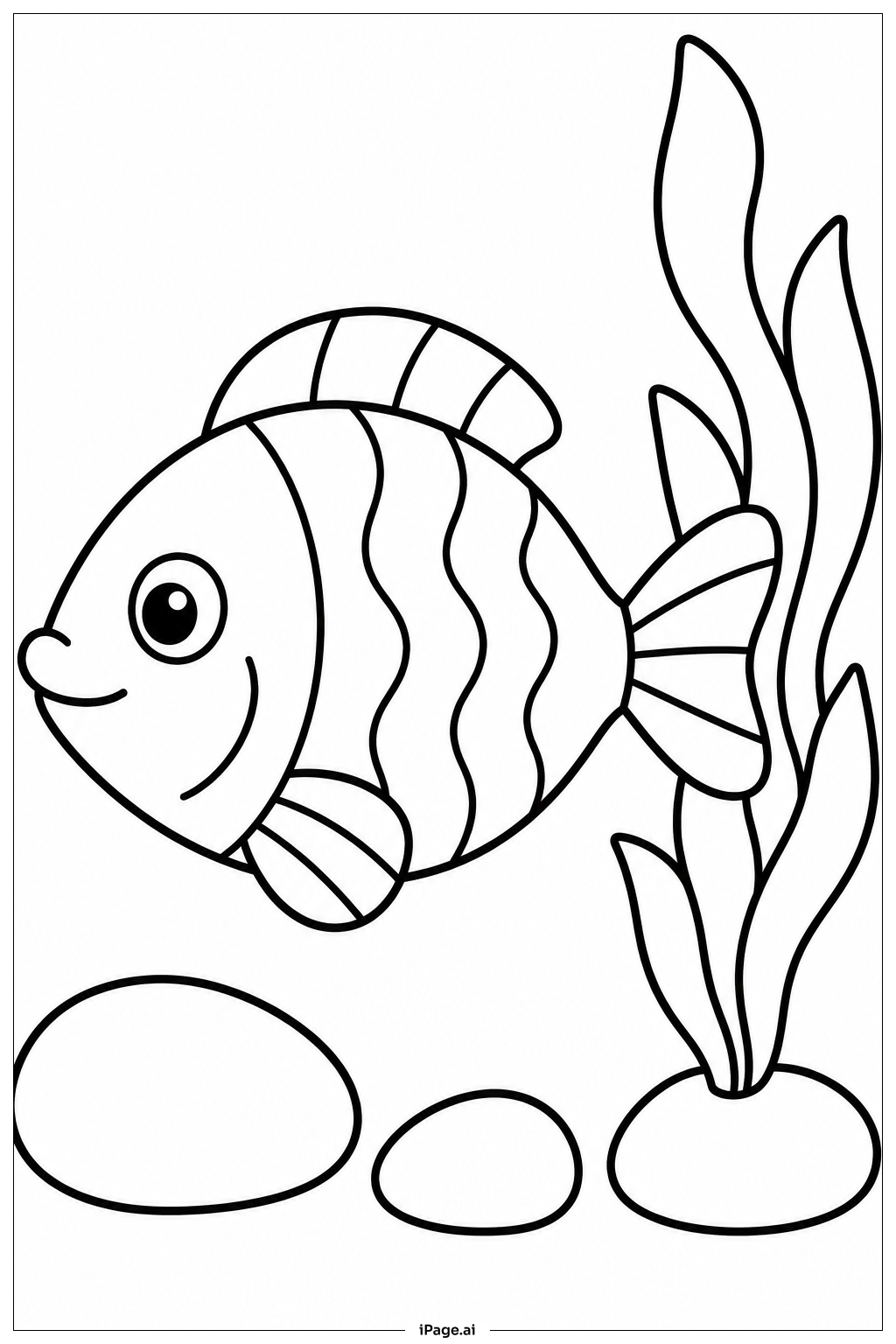
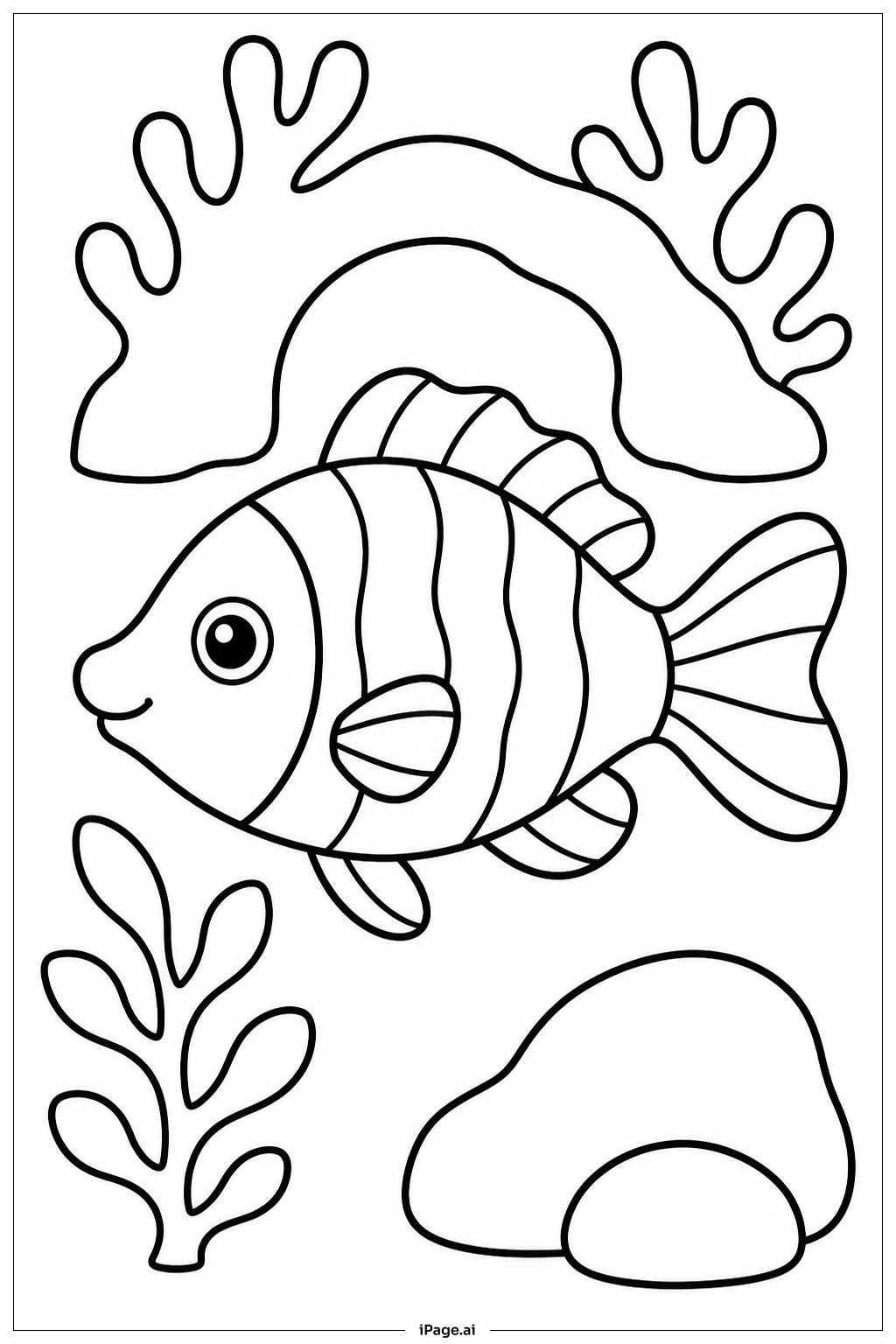
You can use bright colors to make the Smiling Fish look lively and happy. Try shades of orange, yellow, or blue for the body. Use lighter colors for the bubbles to make them look translucent, like soft blues or whites. For the scales, pick several colors or shades to create a shimmering effect. The fins and tail could be colored with a gradient of colors like pink to purple or green to blue to add depth. Don’t forget to color the background bubbles and plants in peaceful sea greens and blues to complete the underwater scene. Have fun experimenting with different combinations!
Coloring challenges: Which parts are difficult to color and need attention for Smiling Fish coloring page?
• Scale Pattern: The fish’s scales are detailed and numerous, requiring careful coloring to keep each scale neat and distinguishable. This can be tricky for younger children learning fine motor control. • Fins and Tail Gradient: The fins have flowing lines that look best when colored with smooth color transitions or gradients. Creating this effect needs some practice with blending colors nicely. • Bubble Transparency: The bubbles are delicate and should look light and translucent, so coloring them without making them too dark is challenging. Using light shades or leaving some white space is needed. • Small Details: The fish’s eyes and smile have small shapes that require precision to color inside the lines, encouraging careful hand coordination. • Background Elements: The underwater plants and bubbles add complexity to the image and require balancing colors so the fish remains the focus but the scene still looks lively.
Benefits of coloring books: Advantages of drawing Smiling Fish coloring page
Coloring this Smiling Fish helps children improve their fine motor skills as they work on small details like scales and bubbles. It encourages creativity by allowing them to choose colors and experiment with shading and blending, which enhances their understanding of color relationships. The joyful expression of the fish promotes a positive mood, making coloring a fun, relaxing activity. This image also helps develop attention to detail and patience, especially when dealing with repetitive patterns like scales. Lastly, coloring underwater scenes can spark imagination and encourage learning about sea life and environments.