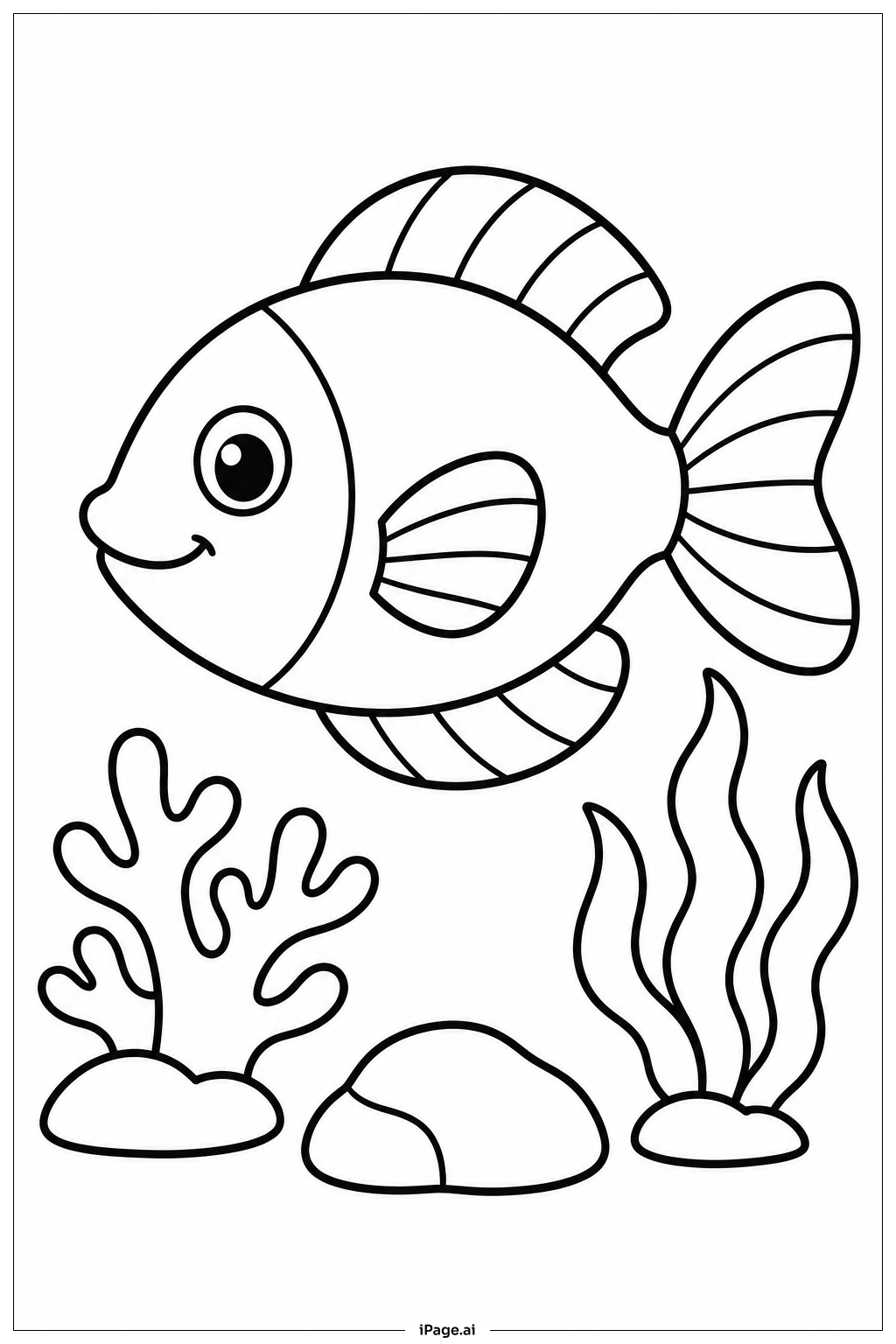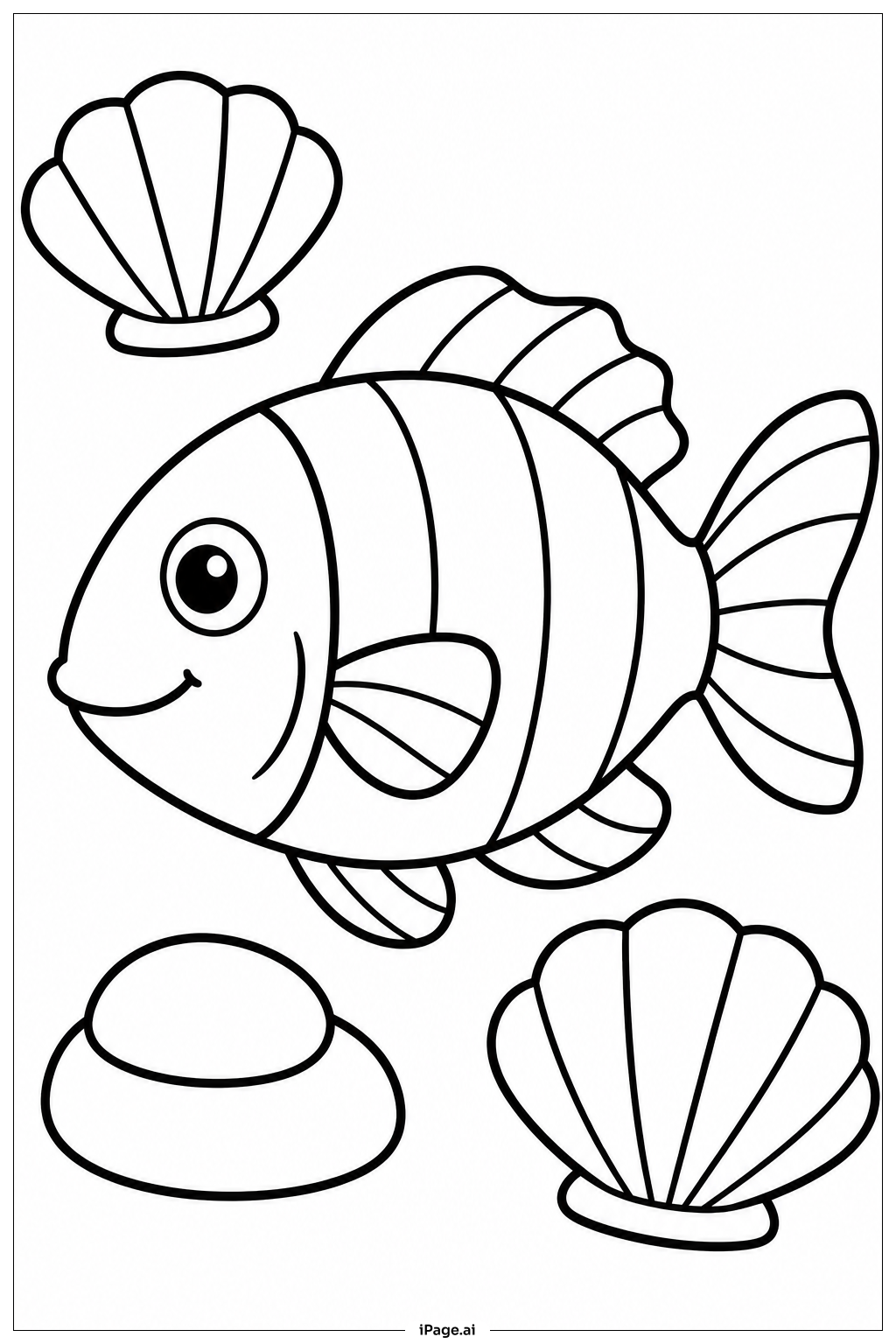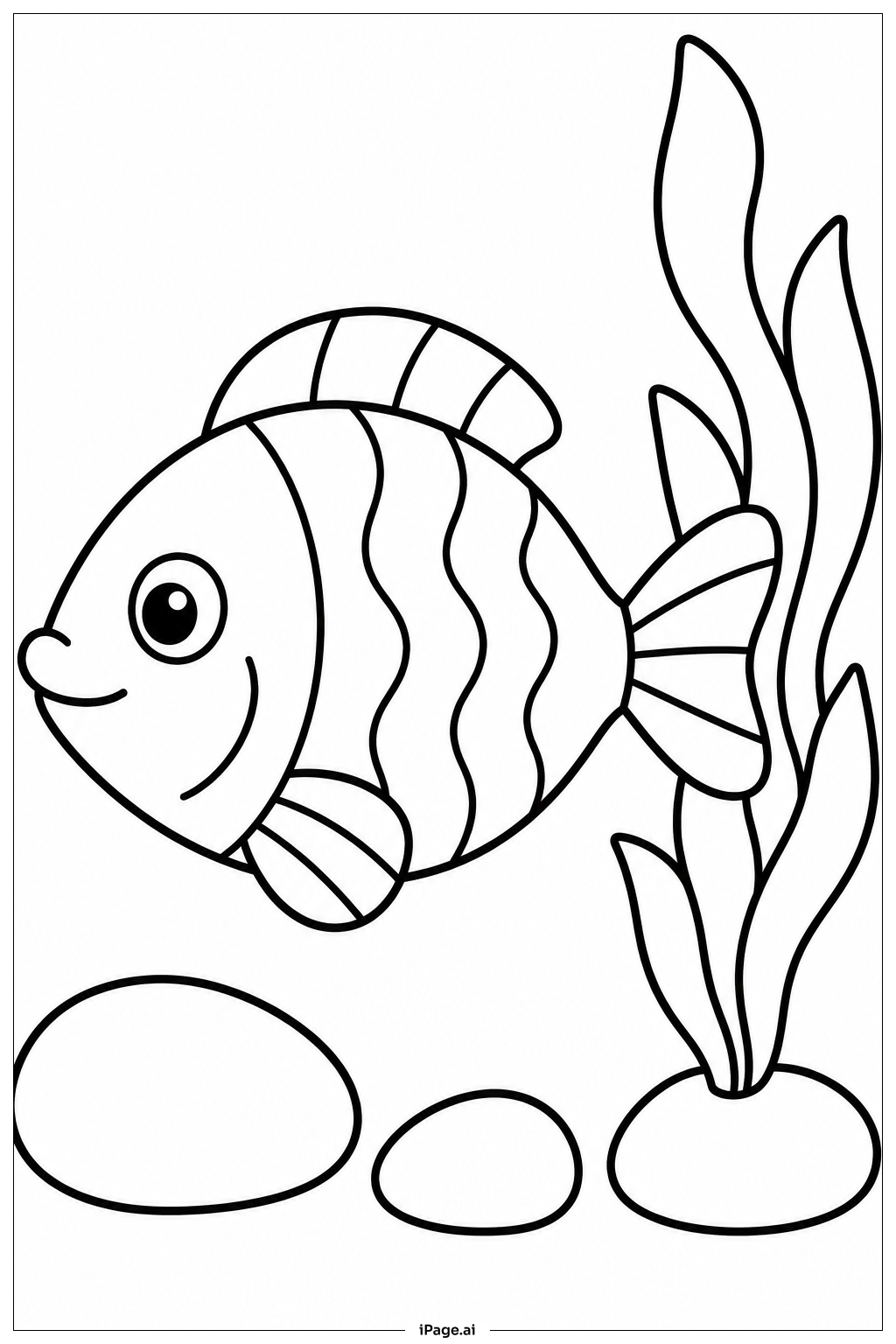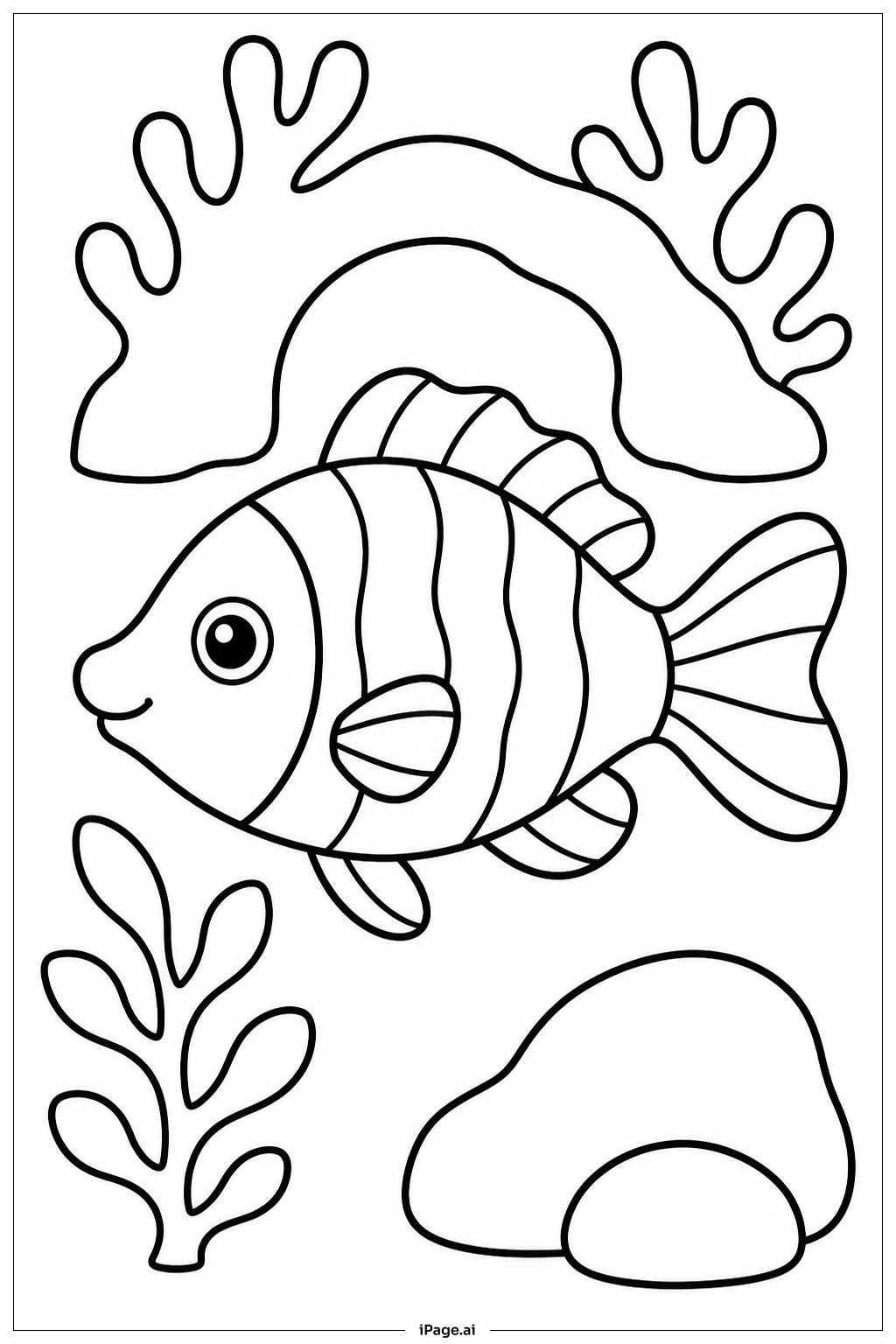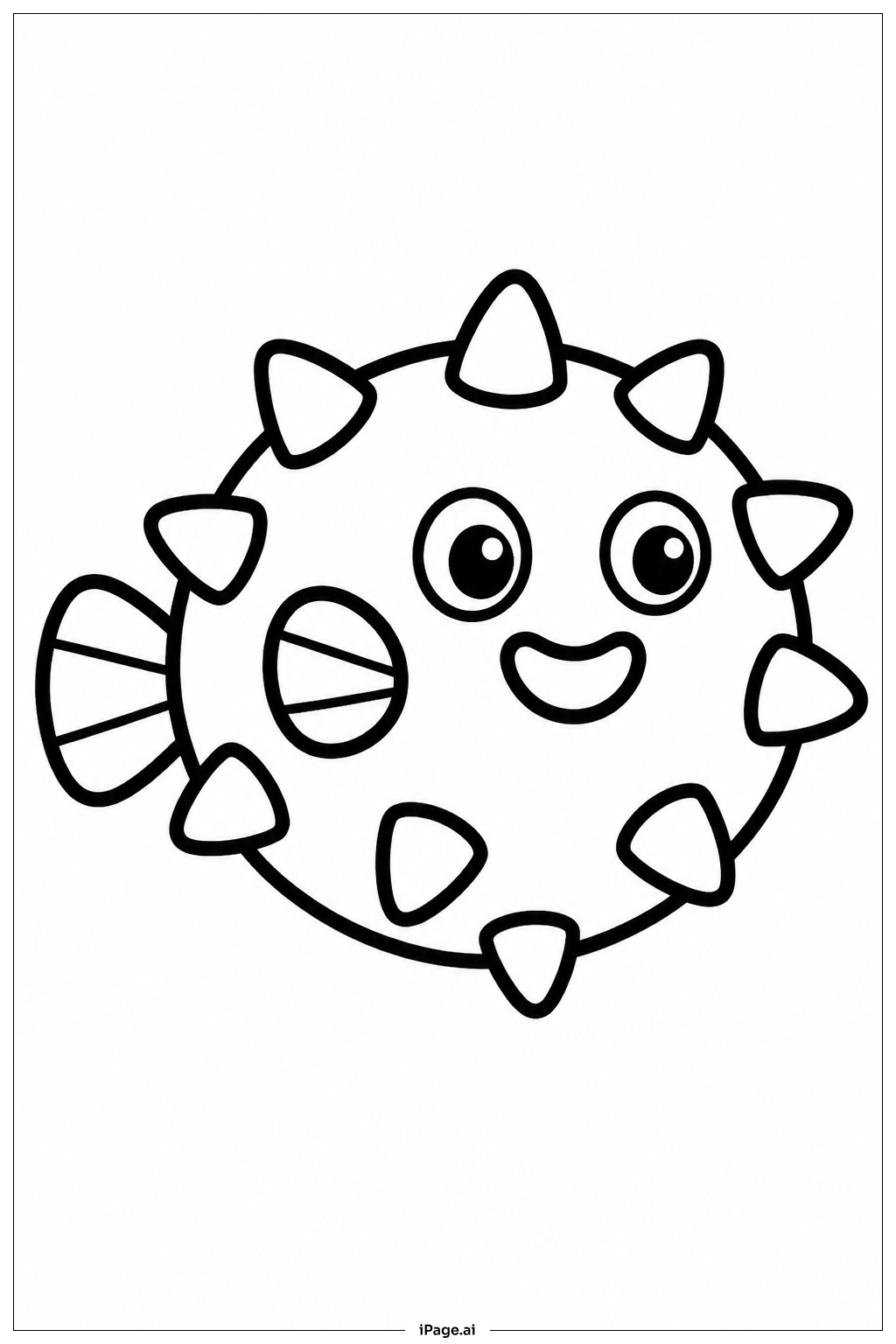
Coloring tips: How to color Puffer Fish coloring page well?
Start with the puffer fish's body. Puffer fish are often yellow, brown, or olive green with dark spots or patches. Try a bright golden yellow for the main body to make it pop. Use a darker brown or orange for the spots. The spines can be colored white or light gray with dark tips to look sharp and realistic. Color the large eyes with a dark pupil and a bright yellow or golden iris. For the fins, use a slightly lighter shade of the body color with thin lines of a darker tone. The background ocean can be done in soft shades of blue and teal. Add green for the seaweed and soft pinks and oranges for the coral. Use light blue for the bubbles and leave a small white circle inside each one to create a shiny effect. Blending colors gently will make the underwater scene feel peaceful and alive.
Coloring challenges: Which parts are difficult to color and need attention for Puffer Fish coloring page?
• Coloring the Spines: The puffer fish is covered in many small spines pointing in different directions. Each spine is tiny and closely packed together. Coloring them neatly without going outside the lines takes patience and a sharp pencil or fine-tipped marker. Younger children may find it tricky to stay inside each individual spine.
• Round Body Shading: The puffer fish has a perfectly round, inflated body. To make it look three-dimensional and bubbly, you need to shade it carefully. The center should be lighter and the edges should be darker. Blending the colors smoothly in a circular pattern can be challenging, especially for beginners.
• Spot and Pattern Details: Many puffer fish have irregular spots or patch patterns on their skin. Placing these spots in a natural-looking way without making them look too uniform or too random requires some planning. Getting the size and spacing of the spots just right is a small but important challenge.
• Small Facial Features: The puffer fish has large eyes and a small round mouth. These features are important for giving the fish its cute expression. Coloring the eyes with a clear, shiny look and making the mouth look soft and rounded without smearing the nearby areas needs a steady hand and careful attention.
• Background Ocean Elements: The seaweed, coral, and bubbles in the background each have their own shapes and details. Keeping these elements distinct from the main fish while still making the whole scene look connected and colorful can be difficult. Choosing colors that complement the fish without overpowering it is key to a balanced final result.
Benefits of coloring books: Advantages of drawing Puffer Fish coloring page
Coloring this puffer fish page offers many wonderful benefits for children and beginners alike. The round, spiky shape of the puffer fish makes it a fun and unique subject that sparks curiosity about ocean life. As kids color the spines and spots, they practice fine motor skills and hand control, which helps with writing and everyday tasks. Choosing colors for the fish's body, fins, and background encourages creative thinking and color awareness. Children learn to make decisions and experiment with different color combinations, building confidence in their own artistic choices. The underwater scene with seaweed, coral, and bubbles also introduces basic ideas about marine environments in a playful, non-pressured way. Focusing on staying inside the lines and blending colors helps improve concentration and patience, skills that are useful both in school and in daily life. Completing the full page gives a strong sense of achievement and pride, which boosts self-esteem. Coloring is also a calm and relaxing activity that can help children manage stress or settle down after a busy day. Overall, this puffer fish Coloring Pages page combines creativity, learning, and fun in one enjoyable activity.